


They Rode In on Scooters, Torched the Shops and Left: The Fire in Shuto Orizari Burned for Three Hours, Setting It Took Fifty Seconds
13.09.2026


13.09.2026

13.09.2026

13.09.2026
13.09.2026

13.09.2026

13.09.2026
13.09.2026

12.09.2026

11.09.2026

13.09.2026

13.09.2026

12.09.2026

13.09.2026

13.09.2026

13.09.2026

13.09.2026

12.09.2026

11.09.2026

13.09.2026

13.09.2026

13.09.2026

13.09.2026

13.09.2026

12.09.2026

09.03.2026

27.02.2026

19.02.2026

13.09.2026

12.09.2026

11.09.2026

23.04.2026

23.04.2026

12.04.2026

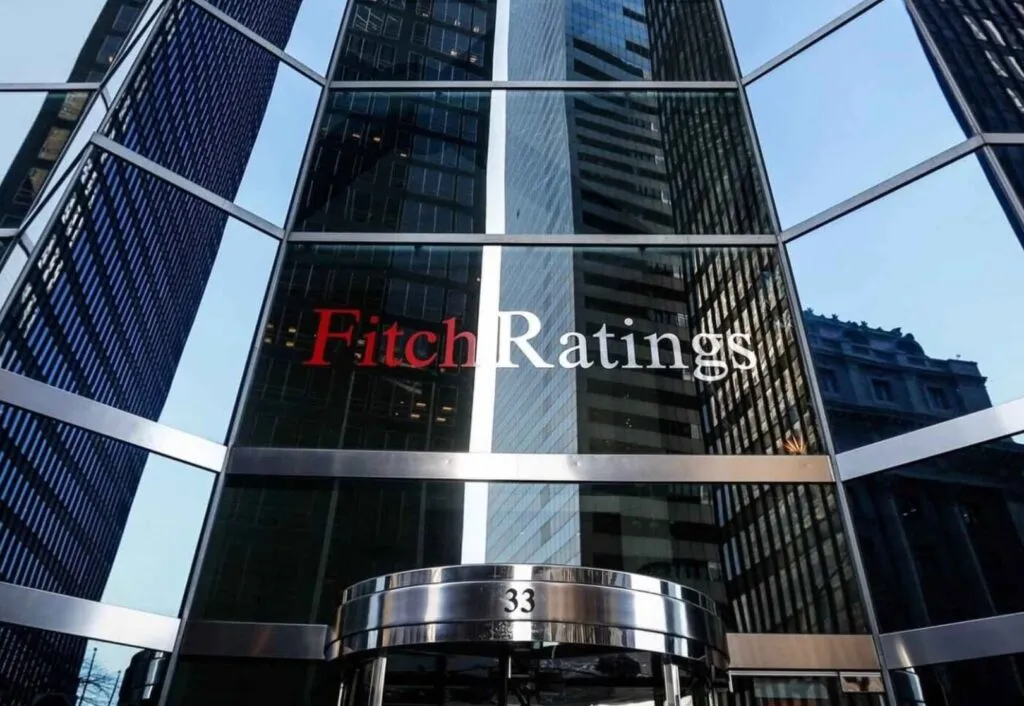
The Fitch agency confirmed Macedonia's credit rating at BB+ with a stable outlook. The Finance Ministry the same day called this "confirmation of the stability and consistency of economic policy" and "a significant signal to international financial markets".
The statement does not lie. But nor does it mention what is in that very same report.
BB+ is exactly one notch below the investment grade BBB-. The rating means the country can service its obligations regularly, but remains more vulnerable to economic and financial shocks than countries with investment grade. The same rating as last year. The same outlook. So not progress - holding position.
What the agency warns about, and what did not make the press release
Fitch warned that raising the 2026 budget deficit target from 3.5 to 4.1 percent of GDP weakens the fiscal anchor and creates a risk for debt stabilisation in the medium term. The revision was justified by additional needs for current and capital spending, up to 1.1 percentage points of GDP.
The figures behind that warning are concrete. As of May, the budget deficit had reached 2.6 percent of projected annual GDP. Revenue rose by 5.7 percent, spending by 8.5 percent - faster than revenue. Capital expenditure jumped 44.8 percent year on year.
At the same time, the agency cut its 2026 economic growth forecast to 2.9 percent, against 3.5 percent in 2025. In other words: slower revenue growth in a period when spending stays high.
The debt that refuses to fall
General government debt rose from 51.6 percent of GDP at the end of 2025 to 52.1 percent at the end of the first quarter this year. Before the planned deficit was increased, Fitch expected that ratio to decline moderately and reach around 51.4 percent by 2028. With the new budget needs, the expectation now is stabilisation at an average of around 52.7 percent over 2026-2028.
That is a difference in direction, not just in decimals. The path that led downward now leads flat.
Macedonia has already issued two eurobonds of 500 million euros each this year, among other things to refinance the 700-million eurobond that matured in June. In May a syndicated loan of 260 million euros was also agreed. From the European Reform and Growth Facility the state received 65.7 million euros after completing part of the reform steps.
The two possible directions
The agency was clear about what would move the rating. Downward: a significant and lasting rise in debt relative to GDP as a result of failure to implement a credible fiscal consolidation strategy. Upward: a strong and sustained reduction in debt, improved public finance management, higher potential growth and progress on EU integration.
On the plus side Fitch lists consistent macroeconomic policy, the long-standing stability of the denar against the euro and favourable governance indicators compared with peer countries. Real economic growth also accelerated - 4.3 percent in the second quarter, driven by construction and manufacturing. On the minus side remain the small economy, weak productivity, structural labour market problems and high euroisation.
So both the triumphant press release and the warning were pulled from the same document. The difference is in who chose to read which part out loud. The next step - toward BBB- or in the opposite direction - will depend on whether growth is accompanied by real fiscal consolidation, and not only by fresh borrowing.
The latest 10 news from this category
On euro loans with a variable rate, the rise comes due at the next reset. On fixed ones, it does...
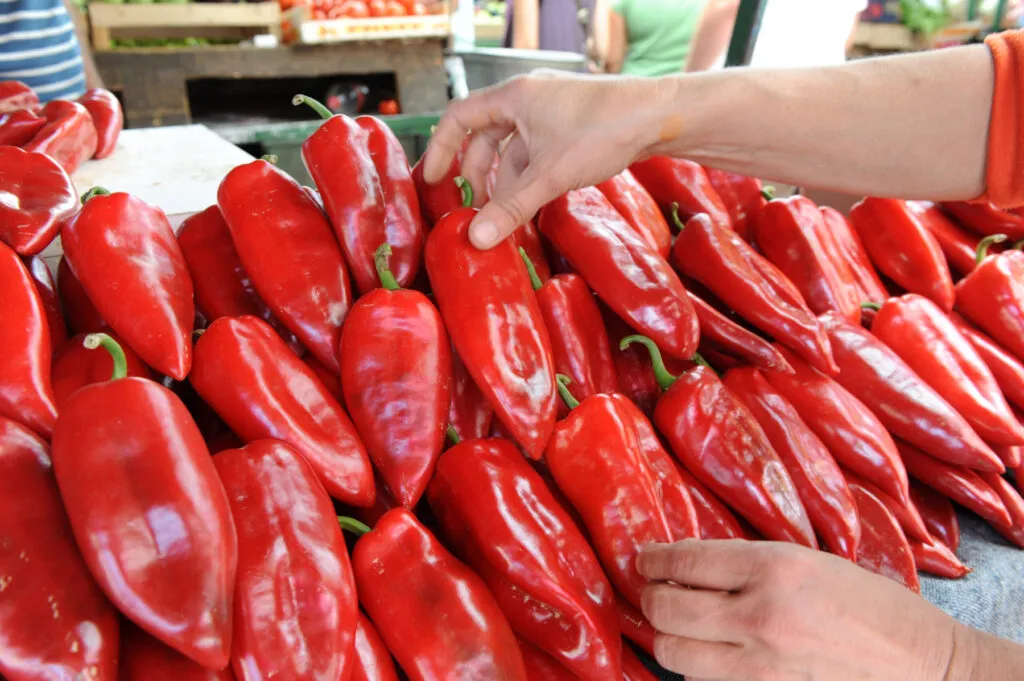
The agreed price for first class is 40 denars. At the collection points they pay 15 to 18. Across the...
A Skopje company owes 14.87 million euros and there is nothing to recover it from. In one month the total...
223,711 tourists and 795,083 overnight stays in July. Turkey still leads with 50,955 guests, but its number fell by 7.6...

When the two biggest firms in an industry ask for rules on how fast anyone may run, the rules rarely...

Not a single password fell. What fell was the assumption that a request from a government domain is automatically a...

The board voted, the founder kicked the administrators out of Slack and held out for three days. What does a...
An announcement is not an adopted tariff. A lower bill is good news only if its cost has not been...
The Balkans have a long tradition of producing something valuable and selling it under someone else's name. The difference between...
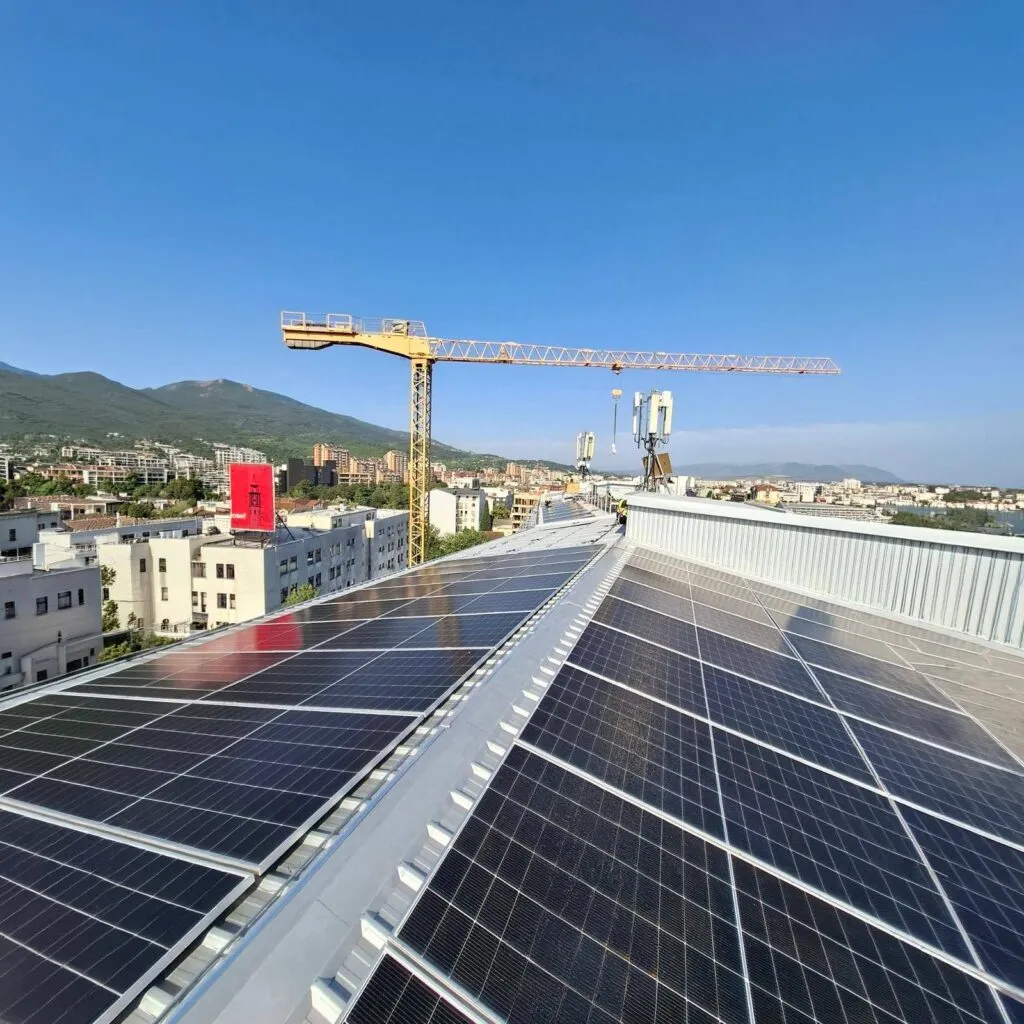
Buildings from the fifties and sixties, one in Bitola dating to the 18th century. The 56 percent energy saving is...
This site uses cookies - is that okay? Learn more
Be the first to know when Metla launches something new
Leave your email and we will write when there is a new guide or something new on Metla.
