


They Rode In on Scooters, Torched the Shops and Left: The Fire in Shuto Orizari Burned for Three Hours, Setting It Took Fifty Seconds
13.09.2026


13.09.2026

13.09.2026

13.09.2026

13.09.2026

13.09.2026
13.09.2026

13.09.2026

12.09.2026

11.09.2026
13.09.2026
13.09.2026

12.09.2026

13.09.2026

13.09.2026

13.09.2026
13.09.2026

12.09.2026

11.09.2026

13.09.2026

13.09.2026

13.09.2026

13.09.2026

13.09.2026

12.09.2026

09.03.2026

27.02.2026

19.02.2026

13.09.2026

12.09.2026

11.09.2026

23.04.2026

23.04.2026

12.04.2026

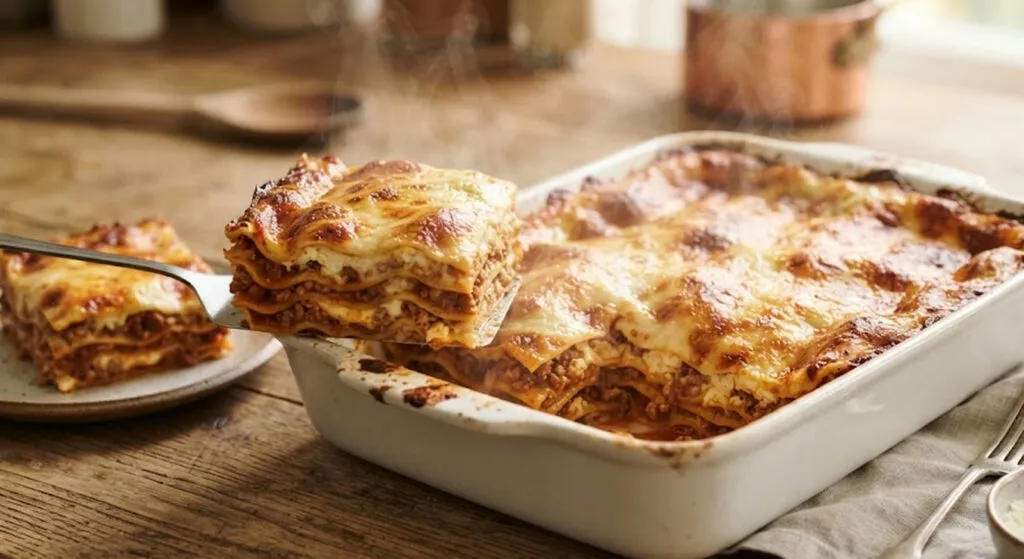
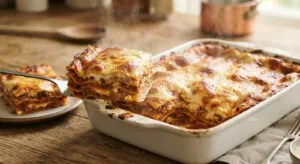
Lasagne has a longer biography than we credit it with. Similar preparations existed as far back as Roman times, but the dish as we know it began to take shape in the Middle Ages - one of the first written traces is from the fourteenth century, in the medieval recipe collection Liber de Coquina, describing a dish of boiled sheets of pasta, cheese and spices. No meat. No bechamel. Just pasta, cheese and a willingness to layer.
For centuries each Italian region adapted it to its own ingredients, but Emilia-Romagna, and Bologna in particular, produced the version that conquered the world: lasagna alla bolognese, with fresh egg pasta, meat ragù, bechamel and parmesan. That became the definition - and precisely for that reason every deviation today feels like heresy, even though historically it is the other way round.
With salmon and spinach
The closest to the classic. Finely chopped onion and two cloves of garlic are fried in olive oil with a little butter for about five minutes, then 300 grams of fresh spinach goes in until it wilts completely. If you use frozen spinach, the most important step is to drain it impeccably - if you do not, the whole filling turns into a watery mush and no oven will save it.
Half a kilo of skinless, boneless salmon is cut into roughly two-centimetre cubes and cooked for just two or three minutes so it stays juicy - it will finish cooking in the oven. It flakes easily with a spatula and is folded carefully into the spinach. The bechamel takes 700 millilitres of milk, 50 grams of butter, 50 grams of flour, salt, nutmeg and a little white pepper. Layer it with 12 sheets of pasta, finish with bechamel, mozzarella and parmesan, and bake for 35 minutes at 190 degrees.
With chickpea ragù
This is the version worth trying even if you are not vegetarian, because of one step. Onion, carrot, red pepper and garlic are fried for ten to twelve minutes until they start to caramelise, 100 millilitres of white wine goes in to evaporate, then 500 grams of passata, tomato concentrate, oregano, thyme, sweet paprika and a bay leaf - and all of it reduces for twenty minutes.
And here comes the move. Add 400 grams of cooked chickpeas, and with a fork or masher crush about a third of them directly in the pan. The crushed portion binds the mixture and gives it the texture of a real ragù; the rest of the chickpeas stay whole and are felt in the bite. That is the difference between a vegetarian lasagne that reads as a compromise and a vegetarian lasagne nobody asks where the meat is. Alongside, roast one aubergine and one courgette sliced lengthways, which go on the top layer as a cover.
Sweet, with walnuts and custard
The strangest of the three and the most rewarding. Two hundred grams of dried cranberries are simmered for ten minutes in 150 millilitres of apple juice with brown sugar and a teaspoon of cinnamon, until the liquid becomes a light syrup; once cooled, 100 grams of walnuts and 50 grams of almonds go in. The custard is a plain crème pâtissière - 500 millilitres of milk, two egg yolks, 60 grams of sugar, 40 grams of cornflour, vanilla and 30 grams of butter. If you want it creamier, add mascarpone, but only once the custard has cooled completely.
The layers alternate: pasta, fruit mixture with walnuts, custard. On top goes a crumble of 120 grams of flour, 80 grams of cold butter, 70 grams of brown sugar, 60 grams of ground almonds and a pinch of salt, worked only with the fingertips so it stays in coarse crumbs. Thirty minutes at 180 degrees, fifteen minutes of rest, then cut.
One rule applies to all three and it is the most frequently skipped: out of the oven, the lasagne must stand for ten to fifteen minutes before you cut it. That is not a recommendation to be patient, it is physics - in that time the layers settle and bind, and the slice comes out as a slice rather than an avalanche on a plate.
The latest 10 news from this category
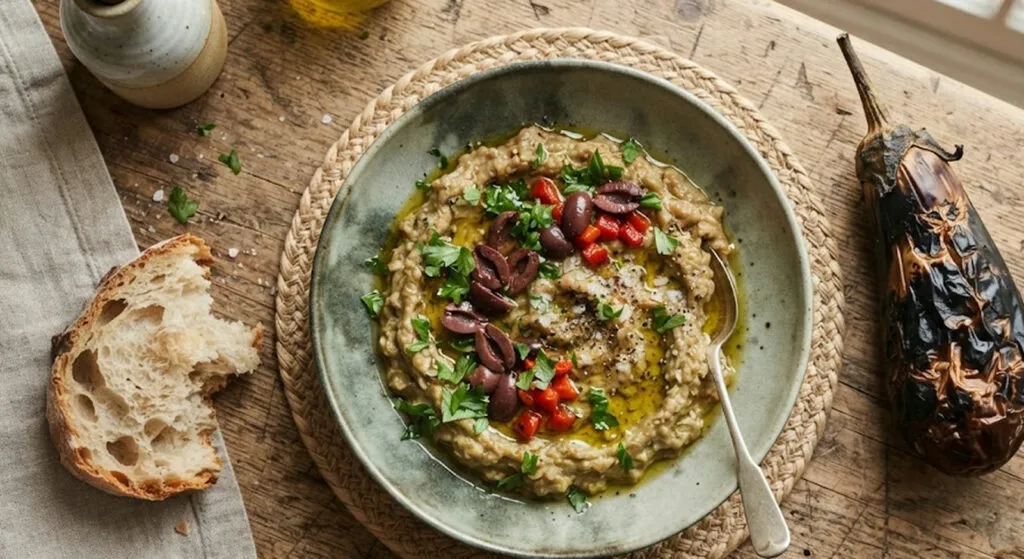
One single ingredient separates melitzanosalata from mutabal - tahini. Three aubergines, one clove of garlic, and an oven at 220...

The chicken ends up in the pan anyway. The salad that was sitting half a metre away does not.
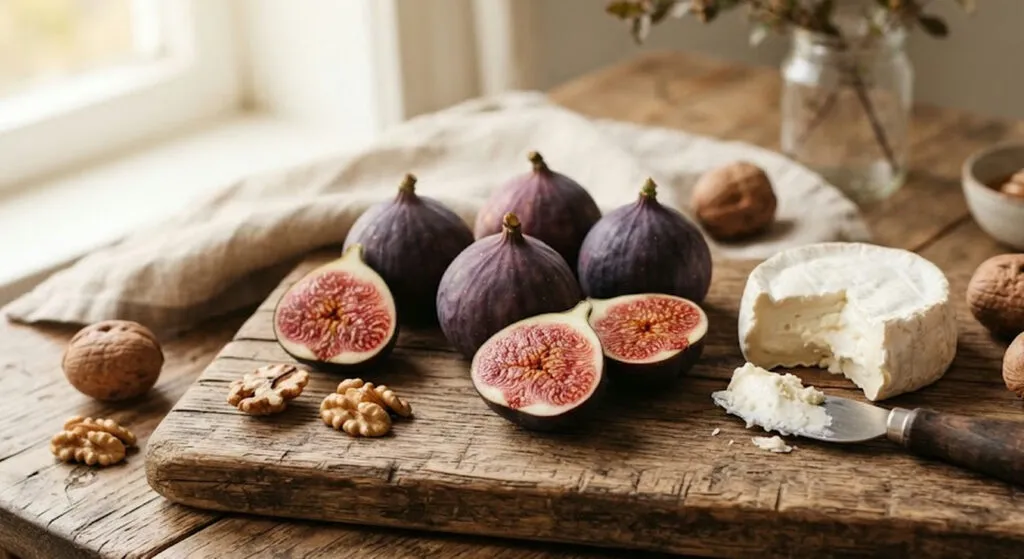
This year the season started as early as August because of the heat. From breakfast to pizza - everywhere a...
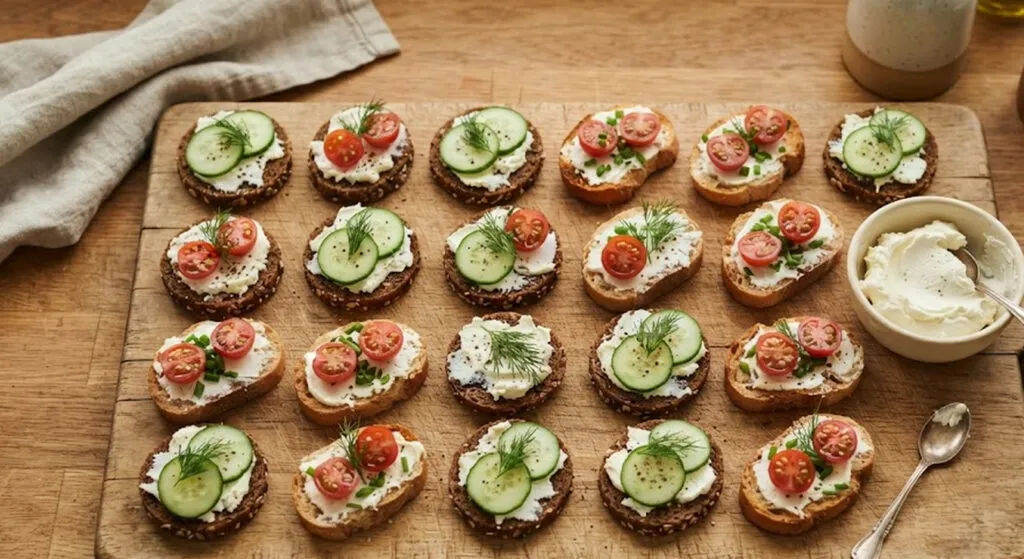
The recipe is not hard, the temperature is wrong. Ten cream cheese canapés and the two rules without which none...
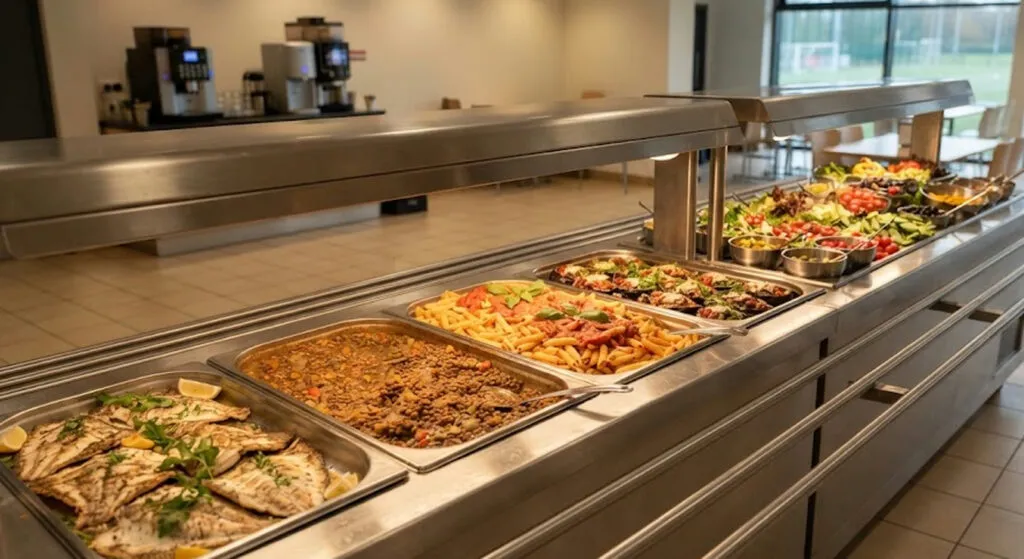
The image of boiled chicken breast is wrong. The indulgence is planned, not broken.
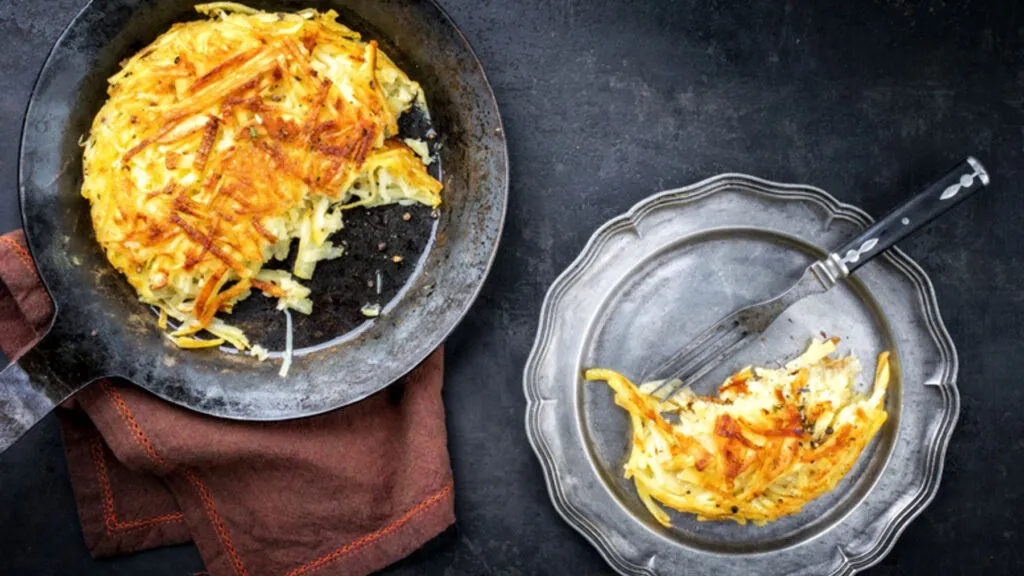
Starch is the natural binder, but only if the water comes out first. Nine versions from Swiss rösti to a...
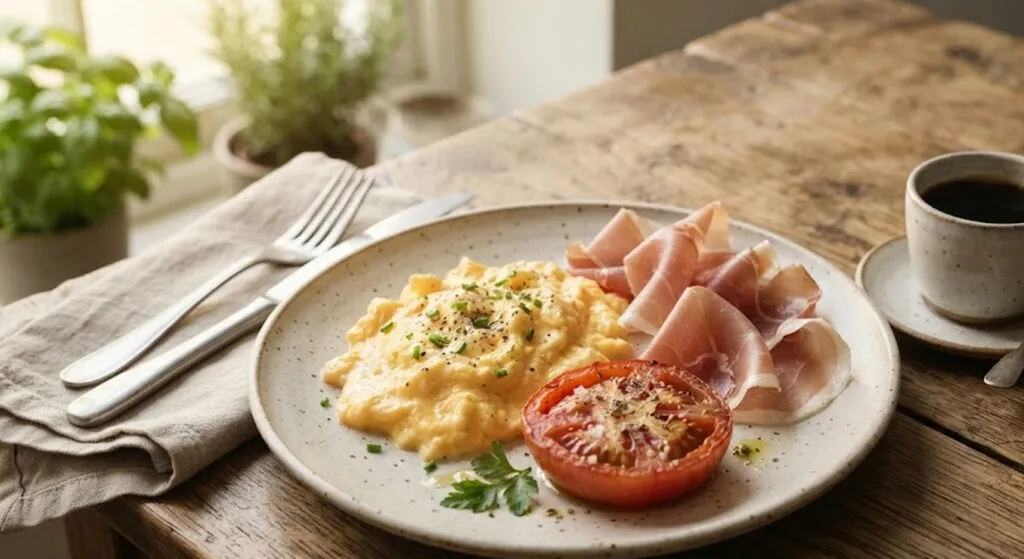
Not one powder, not one supplement, not one name with an English label. Tomato, ham, coffee and an egg -...
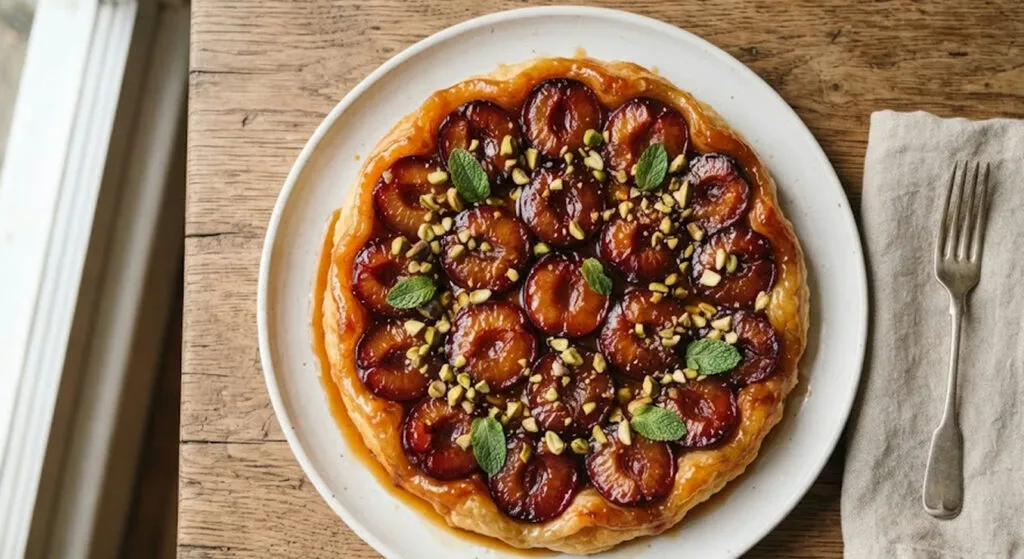
Six to eight minutes on medium-low heat decide whether the pastry bakes or boils. That is nowhere written in capital...
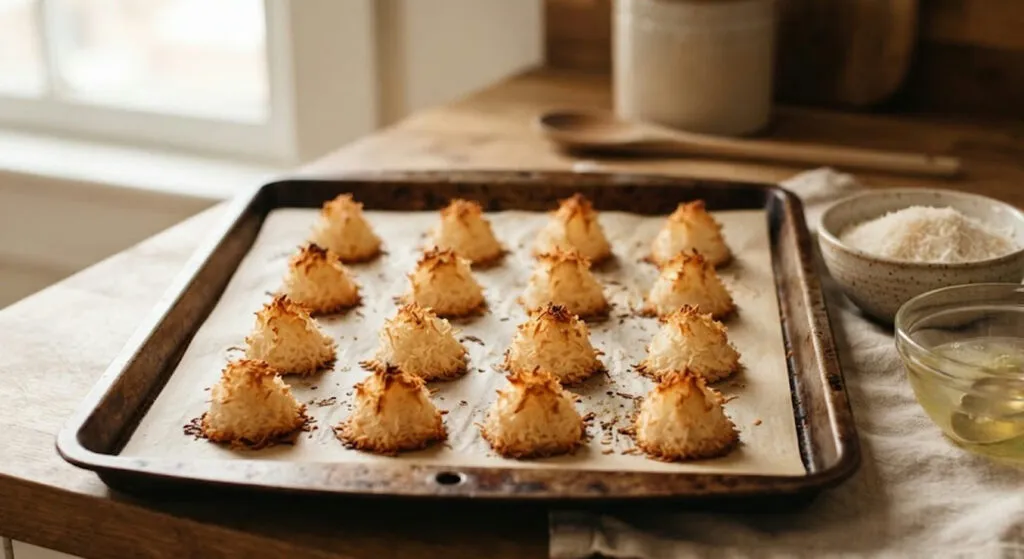
Desiccated coconut, sugar and egg whites. The whites are not whipped, and the mixture is left to rest - those...
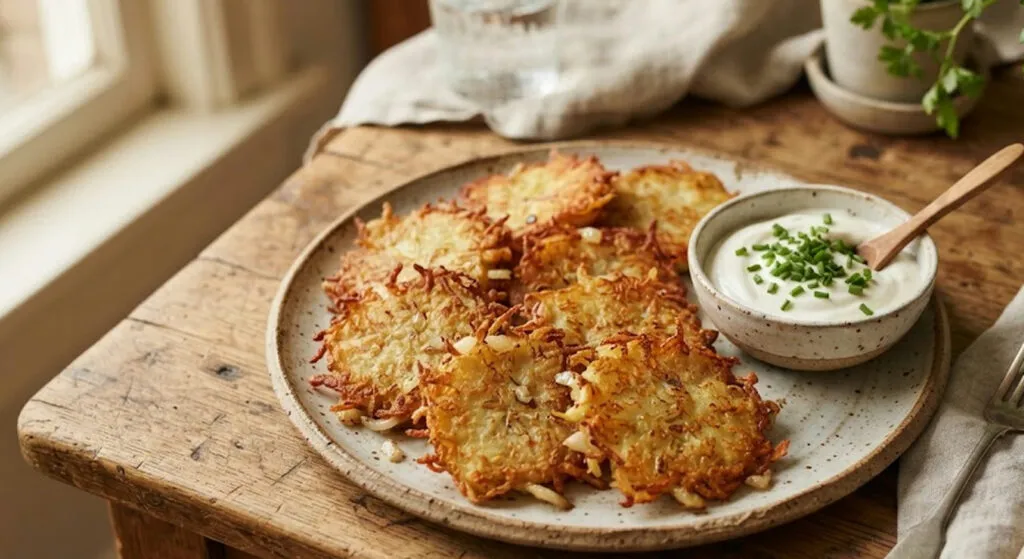
What holds them together is not the egg, it is the starch. Nine versions from the same batter - from...
This site uses cookies - is that okay? Learn more
Be the first to know when Metla launches something new
Leave your email and we will write when there is a new guide or something new on Metla.
