

They Rode In on Scooters, Torched the Shops and Left: The Fire in Shuto Orizari Burned for Three Hours, Setting It Took Fifty Seconds
13.09.2026


13.09.2026

13.09.2026

13.09.2026

13.09.2026

13.09.2026

13.09.2026

13.09.2026

12.09.2026

11.09.2026

13.09.2026

13.09.2026

12.09.2026

13.09.2026

13.09.2026

13.09.2026

13.09.2026

12.09.2026

11.09.2026

13.09.2026

13.09.2026

13.09.2026

13.09.2026

13.09.2026

12.09.2026

09.03.2026

27.02.2026

19.02.2026

13.09.2026

12.09.2026

11.09.2026

23.04.2026

23.04.2026

12.04.2026


We all know the mechanics by heart. You step on the scale after a few days of eating without keeping count, the number is not the one you had in mind, and the next day bread disappears from breakfast, dinner becomes a salad, and Saturday lunch with friends is already being planned as something that "will have to be compensated for". A simple equation: take in less, weigh less. The problem is that the body does not solve that equation.
Raquel Monedero, a specialist in holistic nutrition, starts from a distinction we routinely skip. "When we talk about losing weight, we often use losing weight and losing fat as though they were the same thing, and they are not. Body weight includes fat, muscle, water and other tissues. So the fact that the scale is going down does not necessarily mean we are achieving a healthier body composition," she explains.
The scale gives a number, not an explanation. It can drop because you lost water. It can drop because you lost muscle - which is the direct opposite of the goal. It can refuse to move for weeks while body composition changes. It can jump after a saltier lunch or after a few days of moving more. None of those outcomes is visible on the display, and yet we treat that number as the only proof that something is working.
Muscle is the part nobody counts
When we think about losing fat, the conversation almost always goes to how many kilos we want gone. It rarely goes to what we want to keep. "When we want to lose fat, we should not only ask how much weight we want to lose, but what we want to preserve in the process. And muscle mass should be very high on that list," the specialist says. Hence her objection to the obsession with cardio at the expense of strength.
The difference looks small, but it changes the whole setup. It is not only about one figure being lower, but about how we want to feel while getting there. Being able to train, having energy through the day, sleeping normally and still keeping the regime six months on - all of that is part of the same calculation. A diet that lasts two weeks and demands you live hungry and tired is not a plan. It is a postponed failure.
When eating starts to feel like an exam
There is another scene many will recognise. You go out for lunch and before you have even opened the menu you are already doing the sums - what you will eat now, what you will leave out tonight, how much you will add to tomorrow's workout. The problem, according to Monedero, is not that you adjust your eating. The problem is the moment that adjustment turns into an endless list of prohibitions.
"Healthy eating should not make you feel you are passing or failing an exam every time you eat. If your day constantly revolves around what you are allowed to eat, what you are not and how much weight you will gain, maybe you do not need more willpower but a revision of the setup itself," she says. A sentence you will not read in any detox programme advert, for the obvious reason.
Before you call it emotional hunger
In recent years the term "emotional hunger" has entered the vocabulary - we use it to explain the craving for chocolate after a hard day, the snacking in front of a series, the appetite that shows up even though we have just had dinner. But not every craving has to be an emotional diagnosis automatically. Before reaching for a complicated explanation, Monedero suggests checking the basics: whether the person is genuinely eating enough, whether they sleep and rest, what their stress level is and what relationship they are building with food.
The question then changes. If you spent the whole morning on coffee, ate little, trained in the afternoon and arrive at the evening ravenous - perhaps the body is not asking for control, but for food. That shift, from "what do I remove" to "what am I missing", is a bigger change than any diet.
The rest we know and do not want to hear. You can plan every meal of the week perfectly and still sleep terribly, be in a period of intense stress and not move at all. "For me, healthy weight loss does not consist only of achieving a smaller volume. It consists of reducing it while the body stays strong, functional and fed," Monedero concludes. Rest, stress and movement - the three things that vanish from the conversation the moment everything is reduced to calories.
The latest 10 news from this category

One rule applies to all three and it is the one most often skipped. It is not a recommendation to...

A psychologist explained the mechanism the food industry has no way of selling: the decision made in front of the...
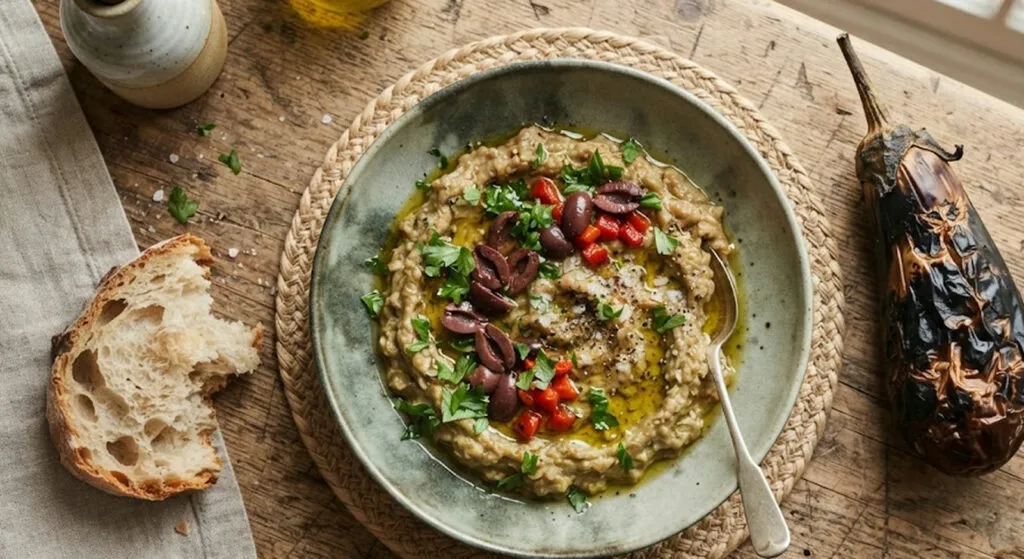
One single ingredient separates melitzanosalata from mutabal - tahini. Three aubergines, one clove of garlic, and an oven at 220...

The algorithm gets it wrong and corrects itself on the next question. If the mistake is in your diet for...

The chicken ends up in the pan anyway. The salad that was sitting half a metre away does not.

Love can be there and there can still be distance and loneliness. A psychologist names the three things that die...

This year the season started as early as August because of the heat. From breakfast to pizza - everywhere a...

When it is chaos outside, a person looks for a small space where they still get to decide. The problem...

Brazilian jiu-jitsu and surfing instead of a gym membership. Ivanka Trump trains at a school in Miami, and the same...
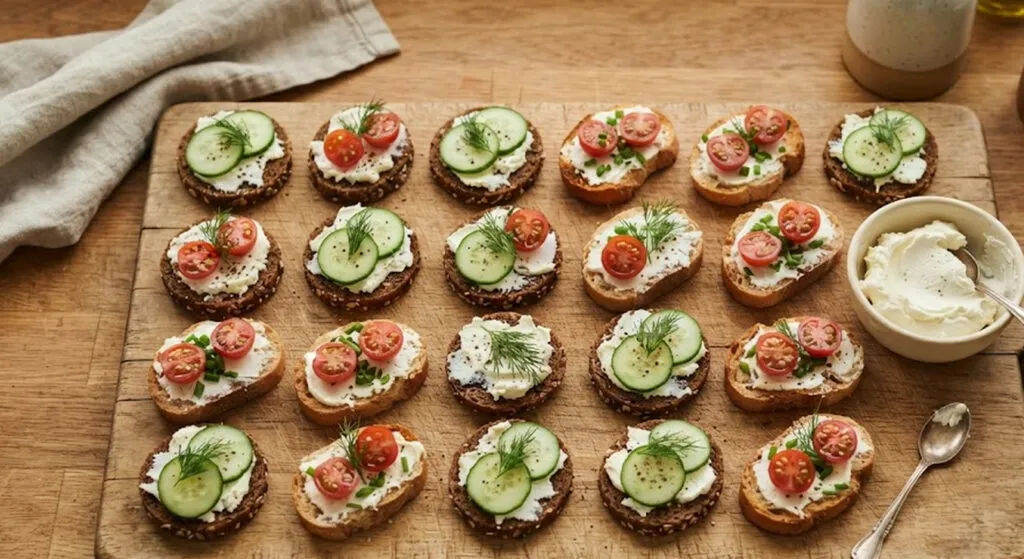
The recipe is not hard, the temperature is wrong. Ten cream cheese canapés and the two rules without which none...
This site uses cookies - is that okay? Learn more
Be the first to know when Metla launches something new
Leave your email and we will write when there is a new guide or something new on Metla.
