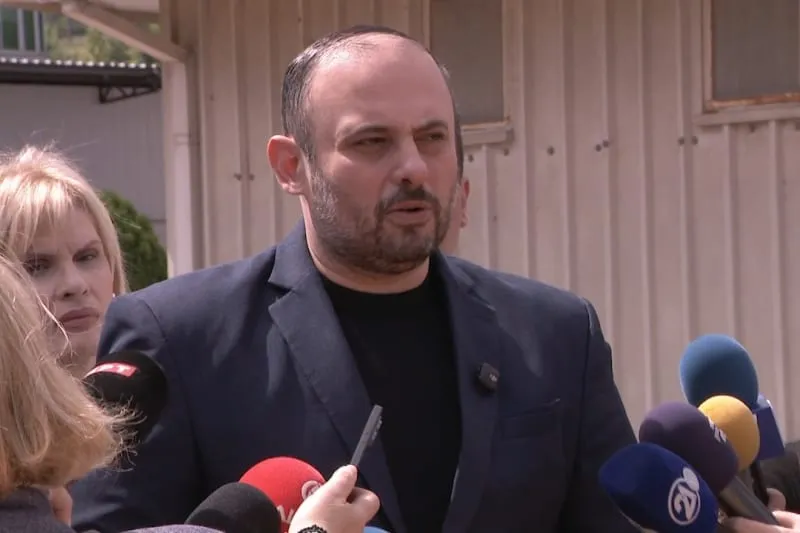
Đorđievski Admits Skopje's Rubbish Failures - 2,500 New Containers and 44 New Trucks Promised in 10 Days
16.05.2026


16.05.2026

16.05.2026

16.05.2026

16.05.2026

16.05.2026

16.05.2026

16.05.2026

15.05.2026

14.05.2026
16.05.2026

16.05.2026

15.05.2026

16.05.2026

16.05.2026

16.05.2026

16.05.2026

16.05.2026

16.05.2026

16.05.2026

16.05.2026
15.05.2026

09.03.2026

27.02.2026

19.02.2026

14.04.2026

07.11.2025
07.11.2025

23.04.2026

23.04.2026

12.04.2026

How many days a week should you train for a real result, not for an injury? Experts are unanimous: 3 to 5 well-planned sessions are enough to improve fitness, reduce body fat and lift energy. More than that? Not just unnecessary - counterproductive.
The breakdown sports-medicine specialists keep repeating is simple: 2 to 4 strength sessions a week (that's the base), 2 to 3 moderate cardio sessions (walking, light jogging, cycling), and 1 to 2 for flexibility (yoga or pilates). All training should be spread across the week, not packed into two days - because the muscles have their own recovery calendar.
For the big muscle groups - legs, back, chest - recovery takes 48 to 72 hours. That means working the same muscles every day doesn't bring faster growth - the opposite. The core, contrary to popular belief, doesn't need to be trained every day either. Compound movements like squats and deadlifts already activate the whole core - no need to sit on the floor and count to 100 crunches.
Symptoms of overtraining are specific and often ignored: persistent fatigue that doesn't pass for weeks, drop in performance, slower recovery, tendinitis and stress fractures. Poor sleep, raised resting heart rate, irritability. "The body needs recovery to progress," explains Dr Juan Carlos Segovia, a sports-medicine specialist. "When you don't respect that process, you fall into a negative cycle."
For a Balkan audience that in recent years has fallen for "I run every day", there's a serious message. Treat the body like a muscle bank - not a factory. Who among us has the time for tendinitis and three months off the bench because of one "healthy ritual" that doesn't work? Better to find a realistic routine and stick with it than to play super-marathon in the local park and then queue at the physio.
The latest 10 news from this category
No grated carrots. No cream cheese. Coconut oil, coconut sugar, and quiet elegance instead of everything you buy at the...
A Provençal classic for four portions, ready in under an hour. Quiet, no pretension, and proof that dry white wine...

The Spanish designer explains what changed in menopause - not a diet, but a stubborn habit. Nutritionists agree: after 50,...

Peeled chickpeas, tahini with lemon, water added a spoon at a time. The difference between „good" and „great" hummus isn't...

Three percent per decade, a cumulative 30% loss by your fifties. Experts name the five exercises that make the difference...
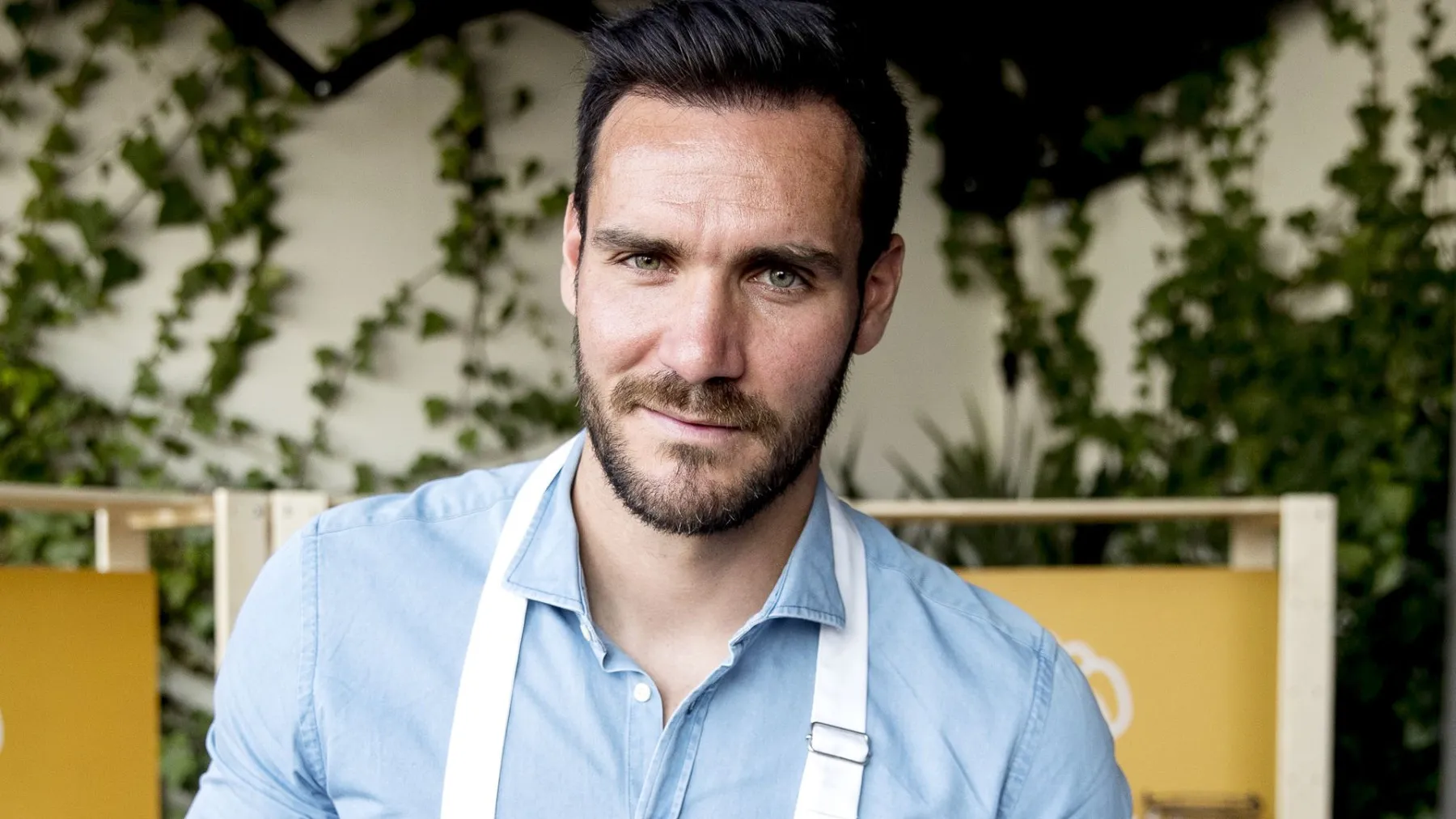
Saul Craviotto shows how with three ingredients and a waffle maker you can put together brunch for four - no...

The Olympic champion will no longer be able to kneel - and that's reality for an athlete with three ACL...

Macedonian mixes them up. The Spanish do not. Chocolate needs peppermint, tabbouleh needs spearmint - and every real cook knows...

TikTok is full of clips of people running five kilometres on the spot. The trainer's message - your joints will...

Poached eggs and hollandaise sauce - more maths than magic. Ramsay, Garcia and Blumenthal agree on one thing.