Skopje Without Water: Trubarevo, Karpoš and Taftalidže Cut Off Today - 300mm Valve Failure
14.05.2026


14.05.2026

14.05.2026

14.05.2026

14.05.2026

14.05.2026

13.05.2026

14.05.2026
14.05.2026
13.05.2026
14.05.2026
14.05.2026
14.05.2026

14.05.2026
13.05.2026

12.05.2026

14.05.2026
14.05.2026
13.05.2026

09.03.2026

27.02.2026

19.02.2026

14.04.2026

07.11.2025
07.11.2025

23.04.2026

23.04.2026

12.04.2026

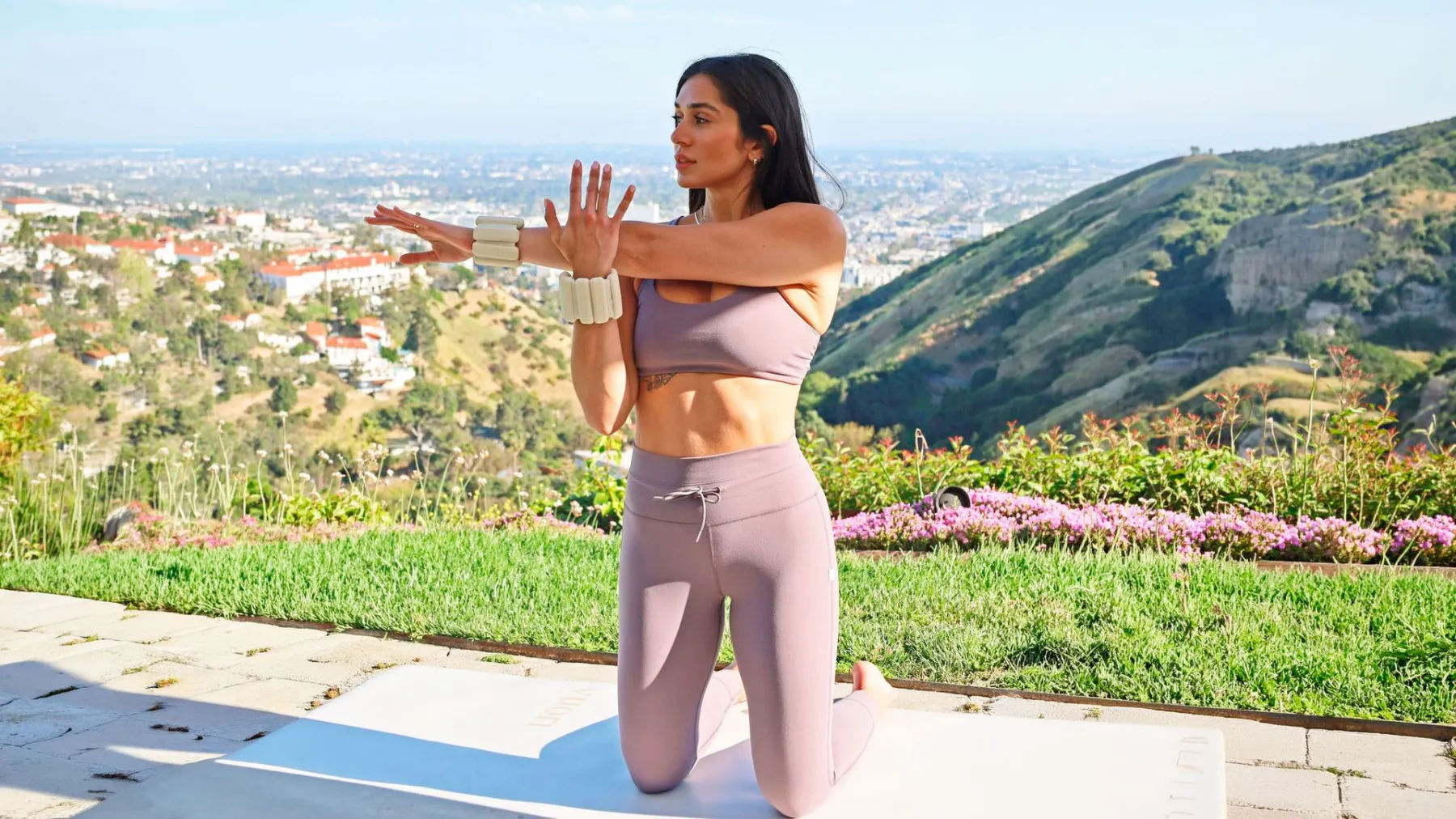
The marketing of the fitness industry has been telling people for generations that „after 50" they need to start seriously looking after their muscles. That, as explained by physiotherapist Cris Diaz together with three other experts, is wrong. Muscles don't „start to fall" in your fifties. The fall begins in your thirties - at 3-8% per decade.
The figure sounds small. But cumulatively, by 50, someone who has never exercised can have lost 30% of the muscle mass they had when they entered their third decade of life. And that's not all - collagen drops by 1% a year from 25 onwards, which means a gradual loss of skin elasticity. Testosterone, the main hormone for muscle maintenance, falls at the same 1% a year after 30.
„From 30, the goal is no longer just 'movement'," says Andrea de Ayala, the trainer who works with Diaz. „It has to be functional strength and quality of musculature." In other words - walking isn't enough. Treadmill running isn't enough. Zumba isn't enough. What works: weight training, with compound exercises. Squats. Deadlifts. Lunges. Pushes. Pull-ups.
Why exactly these five? Because each of them activates several muscle groups at the same time - what's called „compound" exercises in fitness terminology. Isolation (a biceps curl, for instance) has its place, but the foundation is different. „From age 30 we begin to progressively lose muscle mass," confirms Dr Beatriz Beltran too.
For women, this is especially important. Not just for aesthetics, but for bones - during menopause bone density drops dramatically, and the one thing that has been proved to work against osteoporosis is weight training in your thirties and forties. Later is hard. Not impossible - but hard.
What are the barriers? First, fear. Women have been taught for decades that „weights aren't for them", that they'll look „too masculine". That's the myth that keeps them in the „cardio + diet" loop, and the outcome is less muscle mass, slower metabolism, more weight after 40. Second: lack of instruction. Weight training without knowledge leads to injuries. With knowledge - it leads to everything else.
The experts' point isn't that you have to turn into a gymnast. The point is that ten minutes of bodyweight exercise a day (or two gym sessions a week) from your 30s into your 50s makes the difference between „healthy old" and „overtaken by your own body". And that's a difference nobody talks about out loud, because it can't be bottled.
The latest 10 news from this category
Peeled chickpeas, tahini with lemon, water added a spoon at a time. The difference between „good" and „great" hummus isn't...
Saul Craviotto shows how with three ingredients and a waffle maker you can put together brunch for four - no...
The Olympic champion will no longer be able to kneel - and that's reality for an athlete with three ACL...

Macedonian mixes them up. The Spanish do not. Chocolate needs peppermint, tabbouleh needs spearmint - and every real cook knows...
TikTok is full of clips of people running five kilometres on the spot. The trainer's message - your joints will...

Poached eggs and hollandaise sauce - more maths than magic. Ramsay, Garcia and Blumenthal agree on one thing.

Doesn't dismiss, doesn't praise - explains. And reveals something useful about the wellness industry that lives off panic.
Quick proteins at the start, red meat and lentils for the end - the old logic of our grandmothers with...
Tryptophan, magnesium and zinc - useful, yes, but the dose has to be treated the same as any other so-called...

400g of pasta, 500g of mince, cinnamon, nutmeg and clove - plus a thick layer of béchamel that arrived in...