
Three of Four Sensors Were Dead: Skopje's Vodno Cable Car Ran Fifteen Years Without a Real Service
17.09.2026


17.09.2026

17.09.2026

17.09.2026

17.09.2026

17.09.2026

17.09.2026

17.09.2026

16.09.2026

15.09.2026

17.09.2026

17.09.2026
16.09.2026
17.09.2026
17.09.2026

17.09.2026

17.09.2026

16.09.2026

15.09.2026

17.09.2026

17.09.2026

17.09.2026

17.09.2026

17.09.2026

17.09.2026

09.03.2026

27.02.2026

19.02.2026

23.04.2026

23.04.2026

12.04.2026

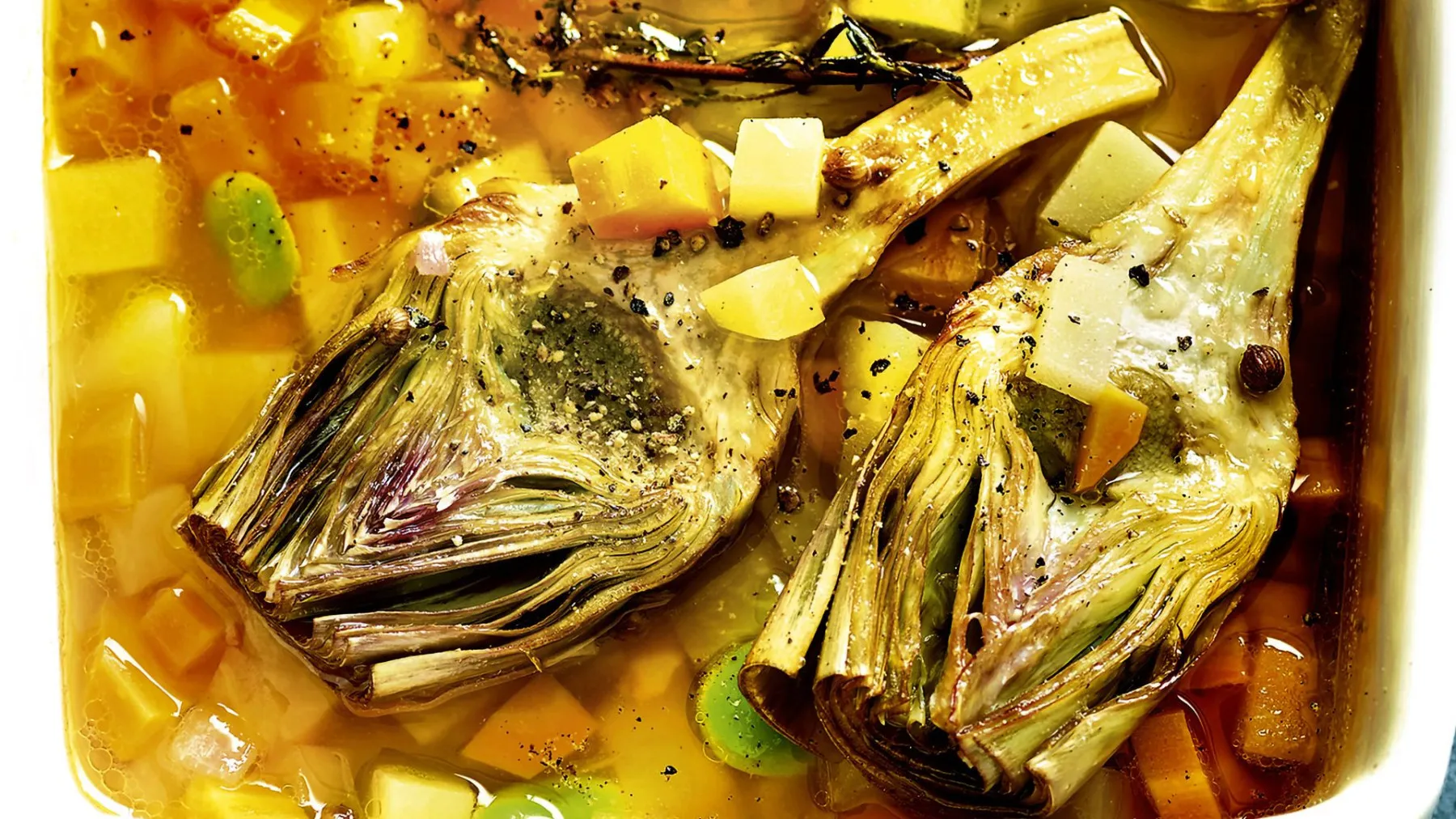
Barigoule is a French artichoke recipe that is not modern, not trendy, and that is exactly why it is good. Quiet - 35 minutes simmering in wine, stock and herbs. The result - artichokes so tender that you can eat every leaf, all the way to the heart. Without too much spice, without too much money.
For four portions you need: 8 artichokes (medium, in season), 1 onion, 2 carrots, 2 cloves of garlic, 1 bay leaf, 2-3 sprigs of thyme, 150 ml dry white wine, 200 ml stock (vegetable or chicken), olive oil, salt, pepper.
First - cleaning the artichokes. Pull off the tough outer leaves until you reach the soft, pale ones. Trim the stalk and lightly peel it. Put them in water with a few drops of lemon so they do not brown while you work on the rest.
The sauté is the base. Warm olive oil in a wide pan over medium heat. Add the onion in strips, the carrots in coins and the chopped garlic. Sweat for 8-10 minutes until they soften and begin to caramelise lightly - that is the base colour and sweetness of the dish.
Add the artichokes. Drain them and put them in the pan with the hearts facing up, so they soak up the oil and aromas. Pour in the wine, briefly raise the heat, let the alcohol cook off for 2-3 minutes - this is the step many people skip, and it is exactly the one that gives deep flavour.
Pour in the stock, add the bay, thyme, salt and pepper. Cover partially and simmer on a gentle heat for 25-35 minutes, until the artichokes are so soft that a knife slides in without resistance. When done, add a little raw olive oil on top, taste and adjust the salt. Optional - fresh parsley. Serve warm, with some bread to soak up the liquid.
You will not find barigoule in restaurants at executive lunches - it is family food, a Provençal classic, something you make when you know you will have the time to sit at the table for a long while. The wine in the recipe is not decoration - it is an important ingredient. Cheap cooking wine will not give the same effect. With a decent dry white from Provence or the Loire - you understand why the French wrote this recipe with a capital letter.
The latest 10 news from this category
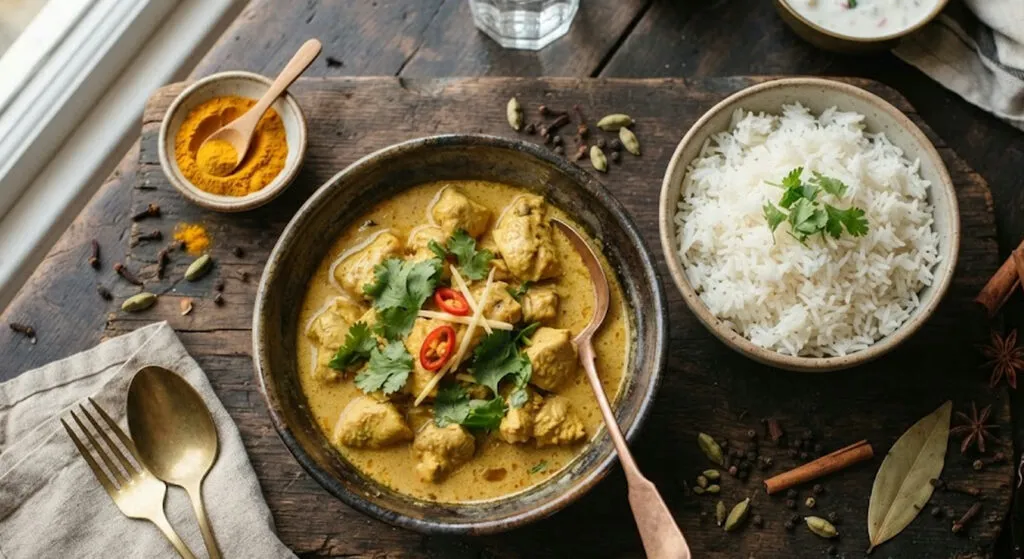
Home-made chicken curry fails at the same point for everyone. The difference is made by one step that has nothing...
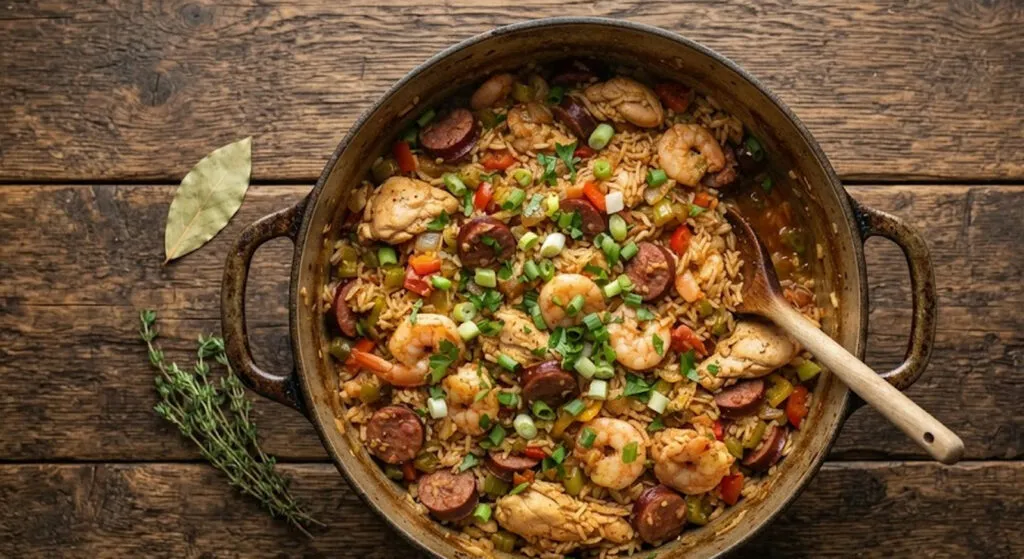
Jose Andres has lived in America for over thirty years, and when asked for his favourite American dish he named...
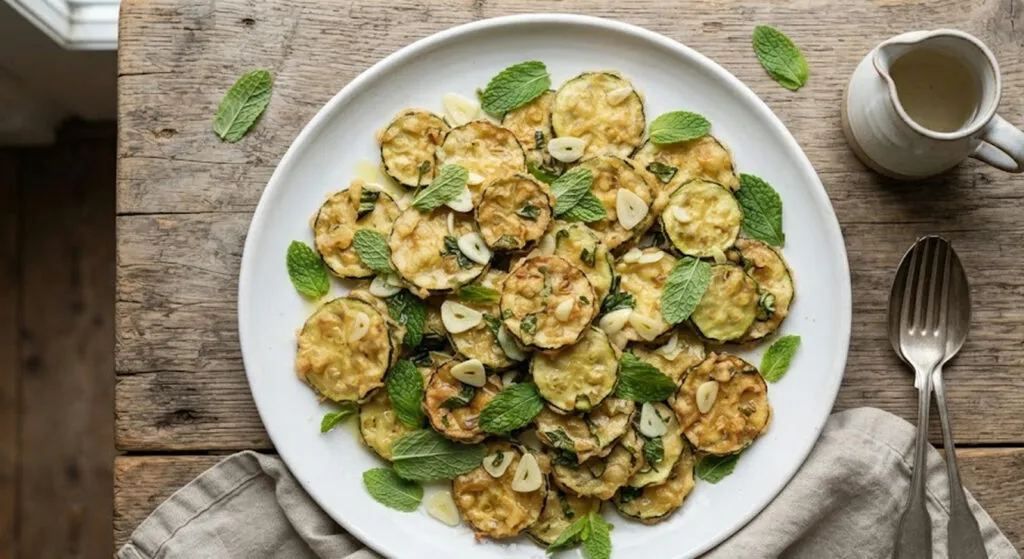
A kilo of courgettes, mint, garlic and eighty millilitres of vinegar. Not one expensive ingredient - and the water you...
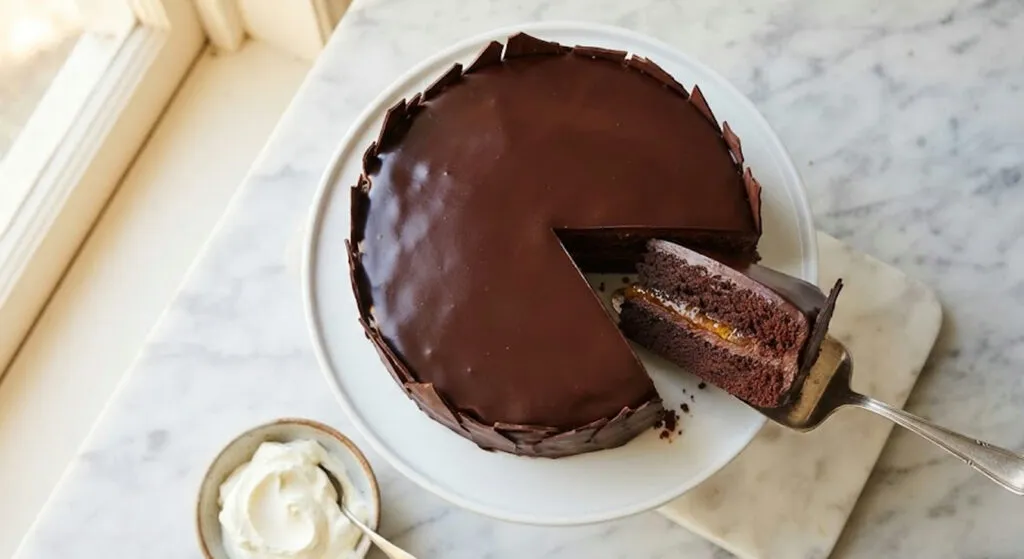
Whoever beat all the eggs together made a different cake. And the glaze must not pass 45 degrees, or the...
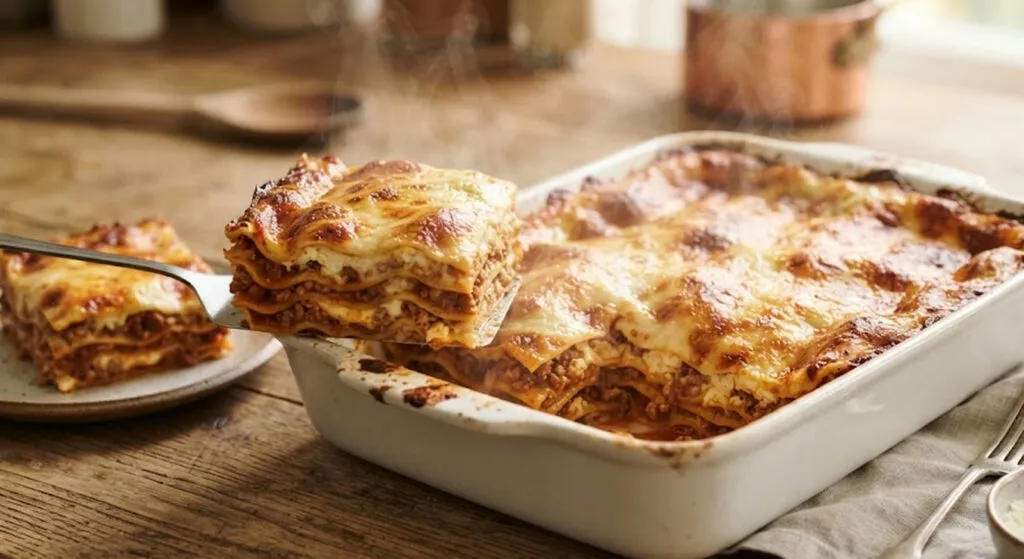
One rule applies to all three and it is the one most often skipped. It is not a recommendation to...
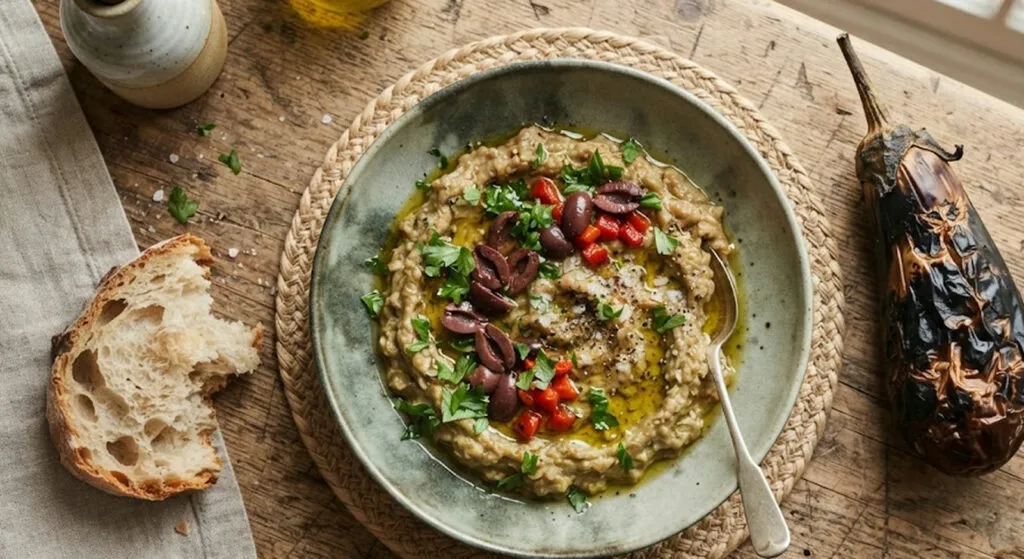
One single ingredient separates melitzanosalata from mutabal - tahini. Three aubergines, one clove of garlic, and an oven at 220...

The chicken ends up in the pan anyway. The salad that was sitting half a metre away does not.
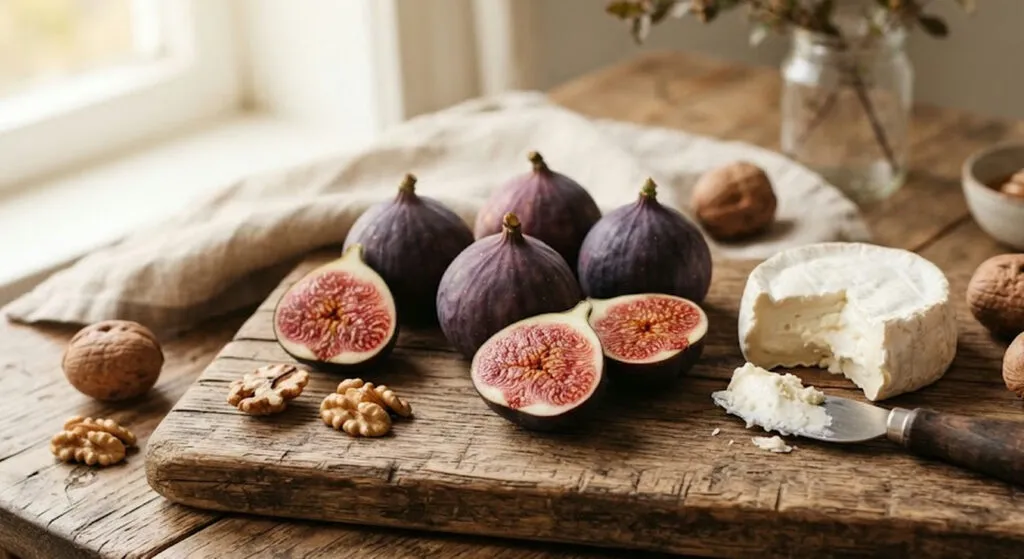
This year the season started as early as August because of the heat. From breakfast to pizza - everywhere a...
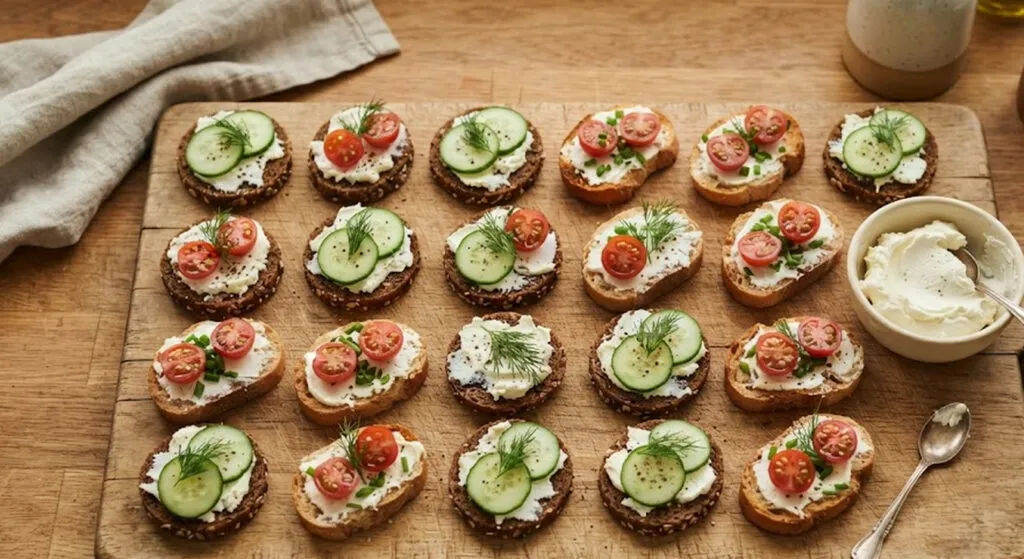
The recipe is not hard, the temperature is wrong. Ten cream cheese canapés and the two rules without which none...
The image of boiled chicken breast is wrong. The indulgence is planned, not broken.
This site uses cookies - is that okay? Learn more
Be the first to know when Metla launches something new
Leave your email and we will write when there is a new guide or something new on Metla.