
Three of Four Sensors Were Dead: Skopje's Vodno Cable Car Ran Fifteen Years Without a Real Service
17.09.2026


17.09.2026

17.09.2026

17.09.2026

17.09.2026

17.09.2026

17.09.2026

17.09.2026

16.09.2026

15.09.2026

17.09.2026

17.09.2026
16.09.2026

17.09.2026

17.09.2026

17.09.2026

17.09.2026

16.09.2026

15.09.2026

17.09.2026

17.09.2026

17.09.2026

17.09.2026

17.09.2026

17.09.2026

09.03.2026

27.02.2026

19.02.2026

23.04.2026

23.04.2026

12.04.2026

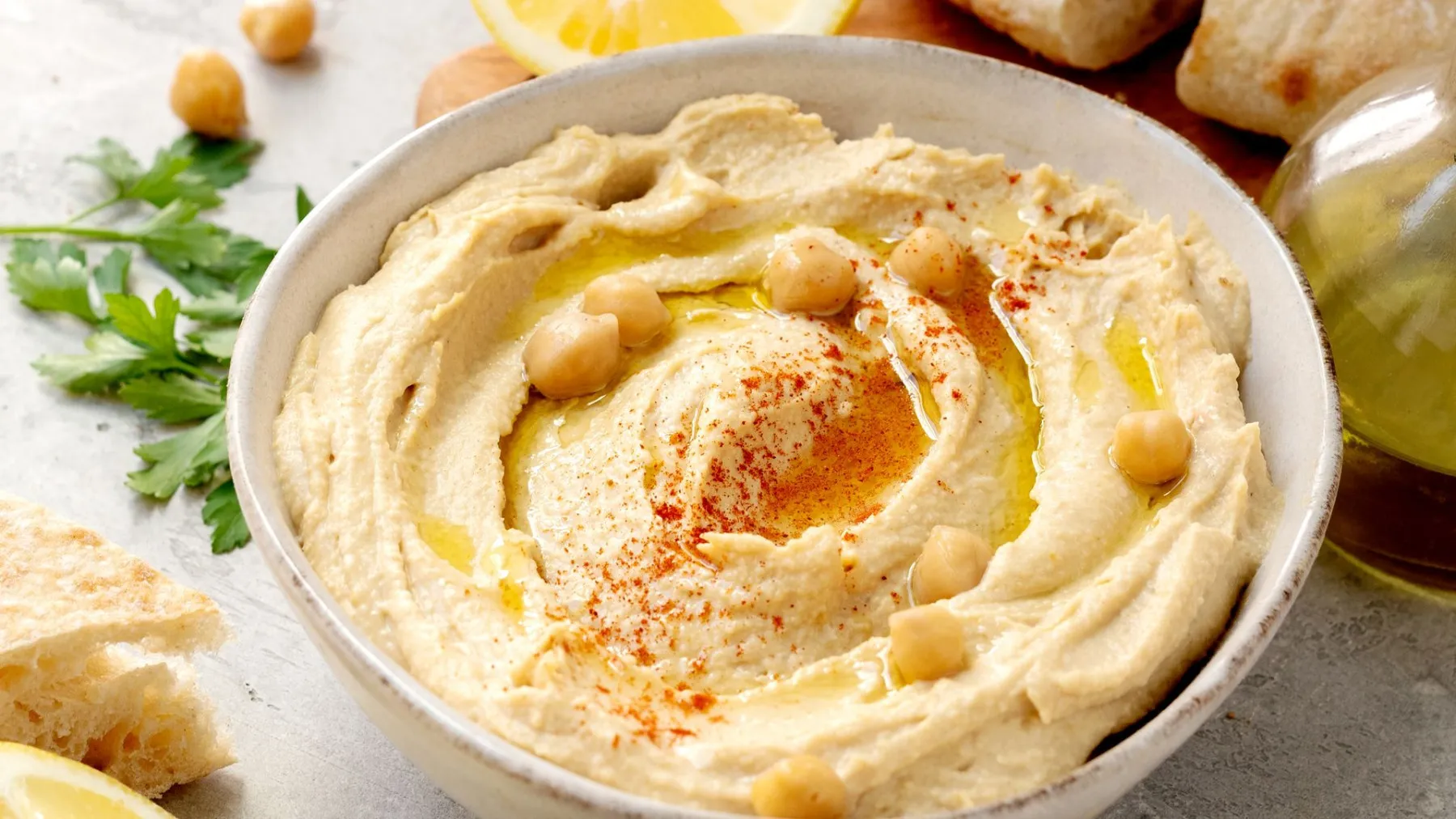
Hummus is now everything - from the snack sold on every supermarket shelf to the magic ingredient of every „healthy" menu. But real hummus, the one Lebanese, Syrians, Palestinians and Jordanians have on the table every day, has nothing to do with the industrial version. It enjoys its earned fame for a reason: five ingredients, fifteen minutes, and technique.
The classic recipe is simple: boiled chickpeas, lemon, garlic, olive oil, salt and tahini (sesame paste). Optionally - cumin or paprika for the colour at the end.
What makes the difference between „good" hummus and „great"? Six tricks, by which the professionals recognise each other:
1. Use well-cooked chickpeas. If you're using a can, get a quality one. Half-cooked chickpeas leave lumps.
2. Peel the chickpeas. Yes, each one individually. This is the most tedious step and at the same time the biggest difference in the result. The skins give a coarse texture - without them, you get silk.
3. Mix the tahini with lemon juice first. Not with the chickpeas. First tahini and lemon - once it forms an airy mass, you add the chickpeas.
4. Add the water gradually. Not all at once. A little, mix, a little more, until you reach a consistency that's thick but „walks" off the spoon.
5. Go easy on the garlic. One small clove is enough, unless you want an intense taste. Too much garlic kills the balance.
6. Let it rest. Minimum 20-30 minutes in the fridge before serving. Hummus is like soup - better the next day.
Ingredients for 4 servings: 400 grams of cooked chickpeas, 2-3 tablespoons of tahini, 1 small garlic clove, the juice of one lemon, 3-5 tablespoons of cold water (or water from the cooked chickpeas), 3 tablespoons of extra-virgin olive oil, a pinch of cumin (optional), salt to taste, paprika to garnish.
For Balkan tastes, hummus works in unexpectedly familiar directions. It's served on the table as a „starter" exactly the way kajmak or ajvar is - for wrapping in bread (pita here is being replaced with a homemade flatbread), for spoonful after spoonful with beer or dry wine. It's a dish that doesn't ask for decorum.
Variations? Roasted pepper (red hummus), beetroot (pink, with a slight earthy note), avocado (softer, stronger), jalapeño or harissa for heat. With beans or lentils instead of chickpeas. Coriander, mint, lemon zest - for freshness. One rule: keep good-quality tahini. That's the difference between a homemade hummus and the one you eat in some Skopje restaurant.
The latest 10 news from this category
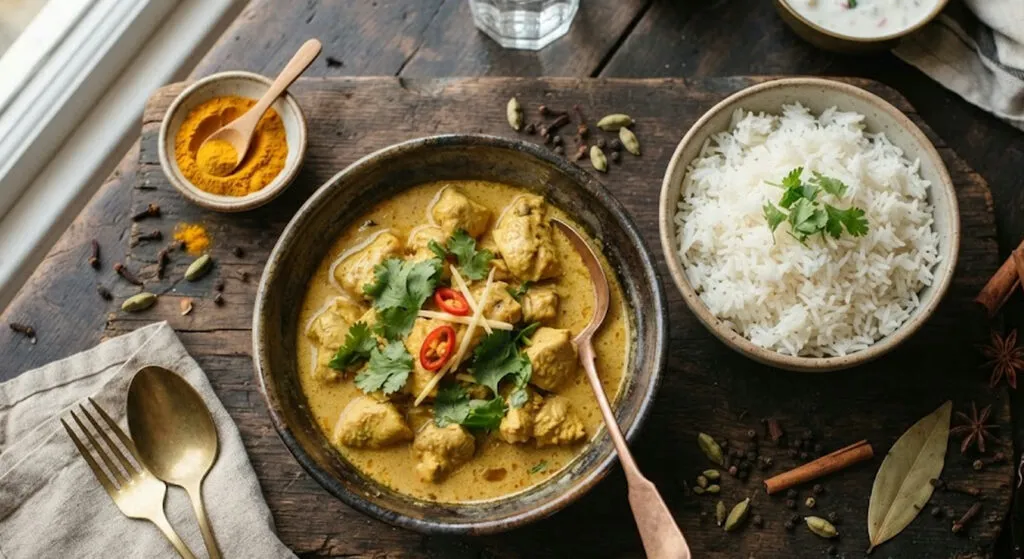
Home-made chicken curry fails at the same point for everyone. The difference is made by one step that has nothing...
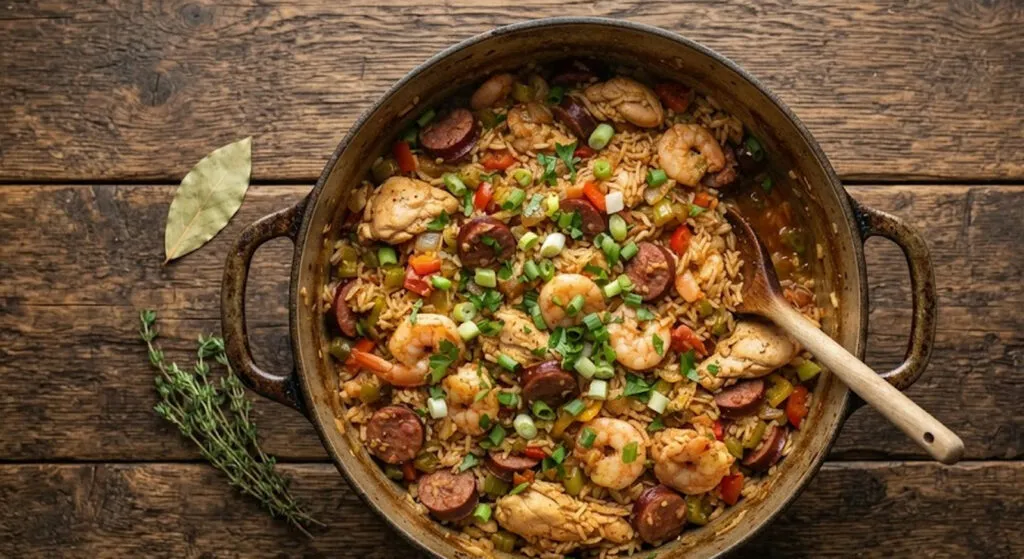
Jose Andres has lived in America for over thirty years, and when asked for his favourite American dish he named...
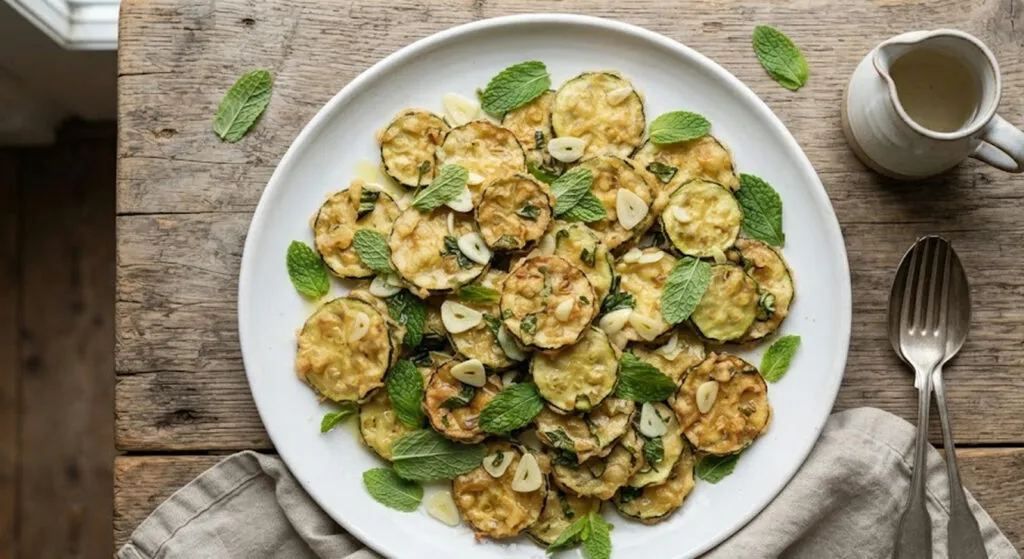
A kilo of courgettes, mint, garlic and eighty millilitres of vinegar. Not one expensive ingredient - and the water you...
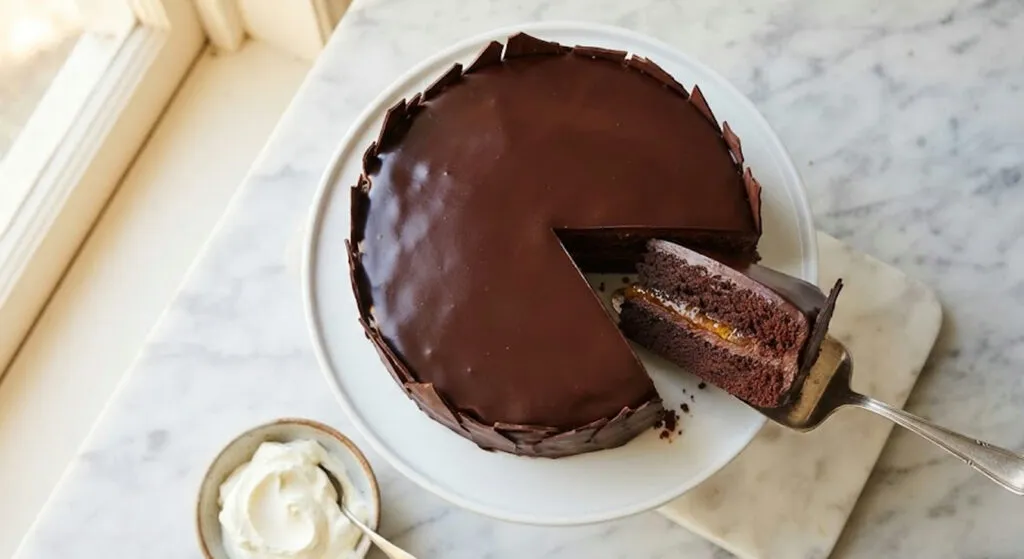
Whoever beat all the eggs together made a different cake. And the glaze must not pass 45 degrees, or the...
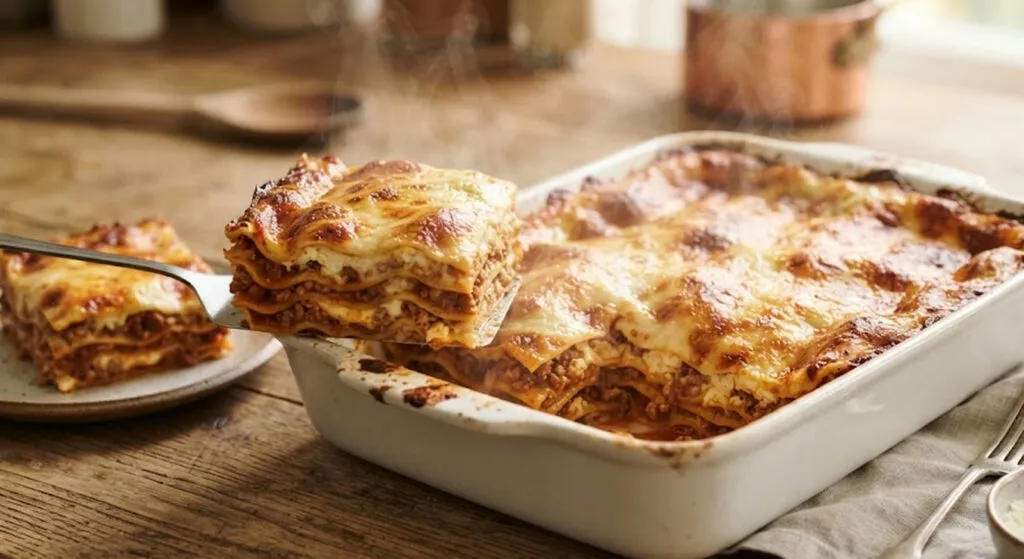
One rule applies to all three and it is the one most often skipped. It is not a recommendation to...
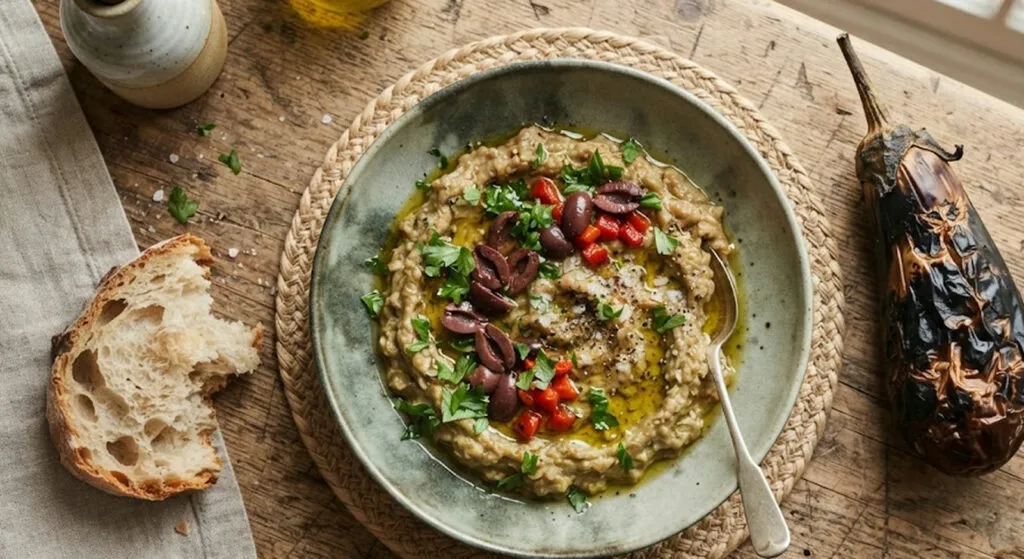
One single ingredient separates melitzanosalata from mutabal - tahini. Three aubergines, one clove of garlic, and an oven at 220...

The chicken ends up in the pan anyway. The salad that was sitting half a metre away does not.
This year the season started as early as August because of the heat. From breakfast to pizza - everywhere a...
The recipe is not hard, the temperature is wrong. Ten cream cheese canapés and the two rules without which none...
The image of boiled chicken breast is wrong. The indulgence is planned, not broken.
This site uses cookies - is that okay? Learn more
Be the first to know when Metla launches something new
Leave your email and we will write when there is a new guide or something new on Metla.