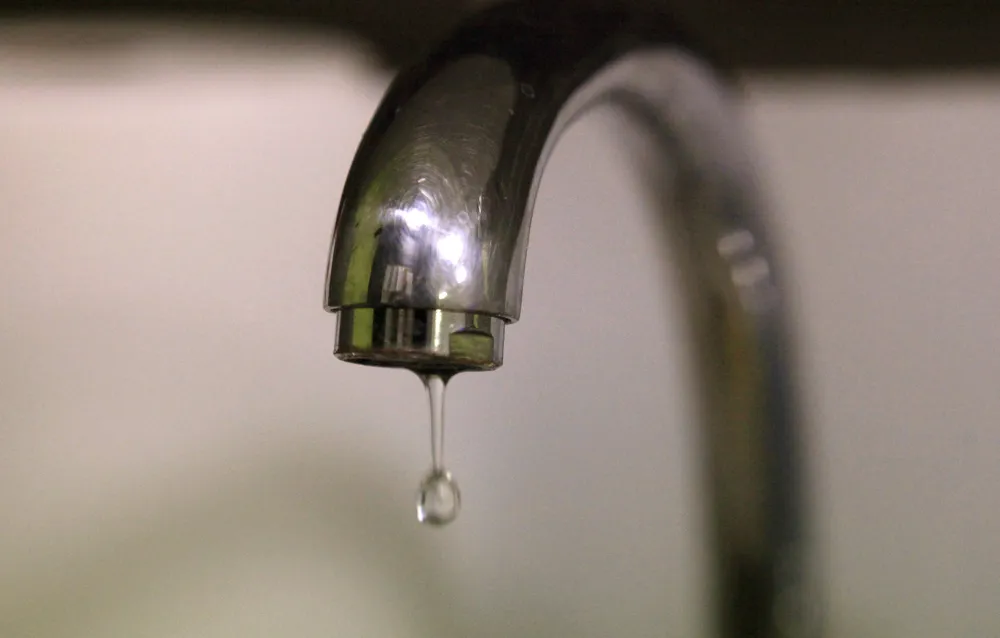
Skopje Without Water: Trubarevo, Karpoš and Taftalidže Cut Off Today - 300mm Valve Failure
14.05.2026


14.05.2026
14.05.2026

14.05.2026

14.05.2026

14.05.2026

13.05.2026
14.05.2026

14.05.2026

13.05.2026
14.05.2026

14.05.2026

14.05.2026

14.05.2026

13.05.2026

12.05.2026

14.05.2026

14.05.2026
13.05.2026

09.03.2026

27.02.2026

19.02.2026

14.04.2026

07.11.2025
07.11.2025

23.04.2026

23.04.2026

12.04.2026

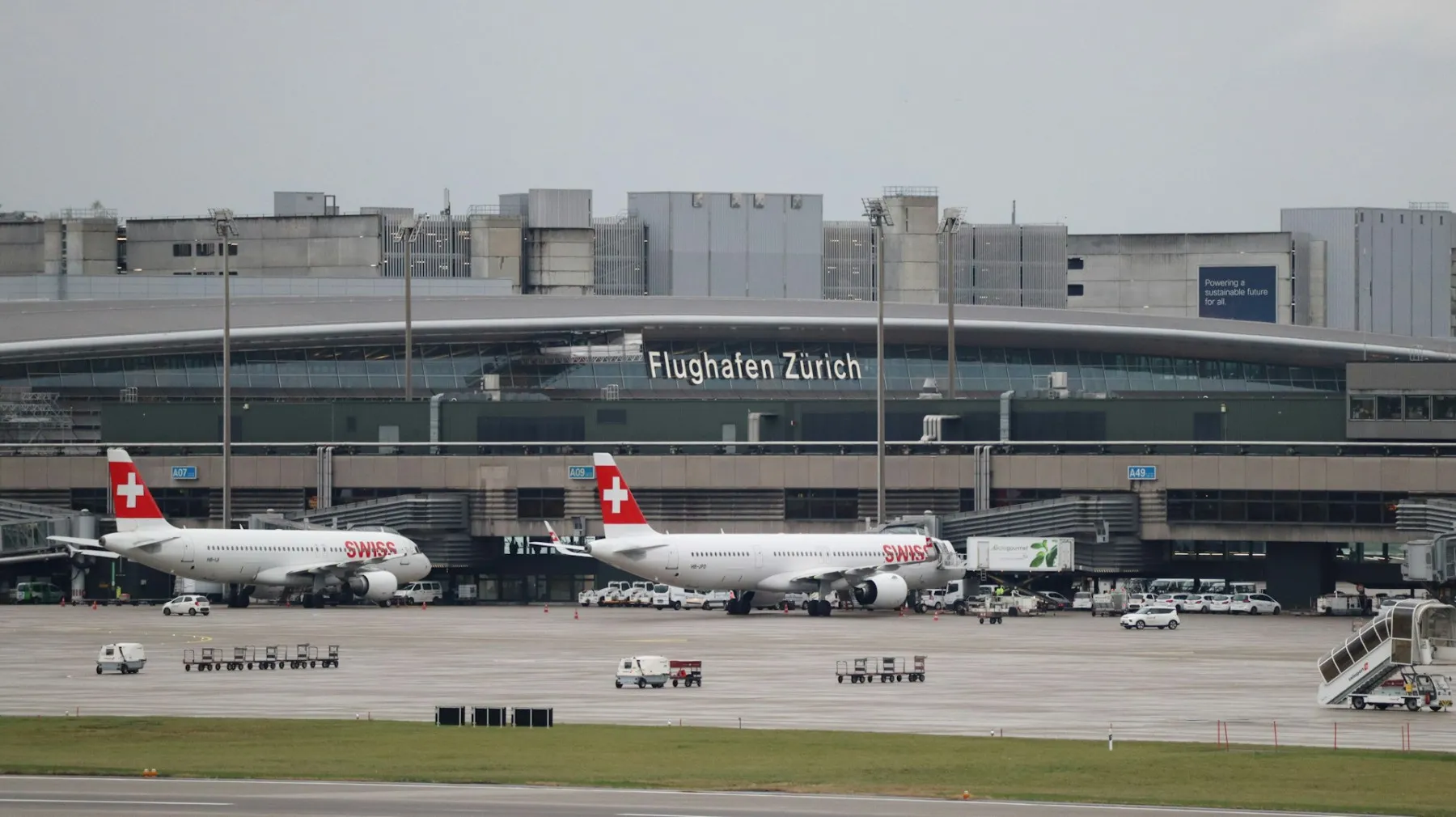
The International Air Transport Association (IATA) has officially said what the industry has been calculating for weeks: air fares in Europe are inevitably going up. The cause - rising jet fuel prices because of the tensions with Iran and the closed Strait of Hormuz.
„Simply put, there's no way for the carriers to absorb the additional costs," said Willie Walsh, IATA's Director General, in an interview with the BBC. That's the moment an industry chief says the brutal truth without the usual gloss - not „maybe", not „in the future", but „no way".
The reality is that some European carriers are temporarily cutting prices because of weak demand - summer won't be like 2024 or 2025. But that's a short-term tactic. What happens after summer? Prices will jump, that's the consensus across every analysis.
For British airlines there's another dilemma - whether there will be enough jet fuel for the summer. ACI Europe (the international council of airports for Europe) warned last month that EU airports would face „systemic shortages" of fuel if Hormuz didn't reopen within three weeks. That window has already passed.
Airlines worldwide have so far cancelled around 13,000 flights just this month - that's 2 million unused seats. Cirium, the leading aviation analytics company, confirms the industry is adjusting to the new conditions.
For the Balkans - and for Macedonia - that means several things. Fares for flights to Germany, Austria, Switzerland and Italy will rise by 20-30% above current levels. On top of that, diaspora travellers who regularly fly to Skopje and Ohrid in the summer will be recalculating their budgets. Hotels that rely on the diaspora - that's where the pain will be felt first.
And the alternative? The EU has said there's technically no obstacle to importing jet fuel from the US. That's a scenario that would work - but with major costs, which will be passed on to ticket prices. Without a quick resolution in Hormuz, this summer air travel becomes a luxury reserved for those who plan ahead and stay flexible on dates.
For anyone holding out for „cheap aviation" - no. We're entering a period where the plane ticket will be what it was in the 90s: expensive, rare, chosen carefully. That isn't a catastrophe. It's a change. And we need to adapt.
The latest 10 news from this category
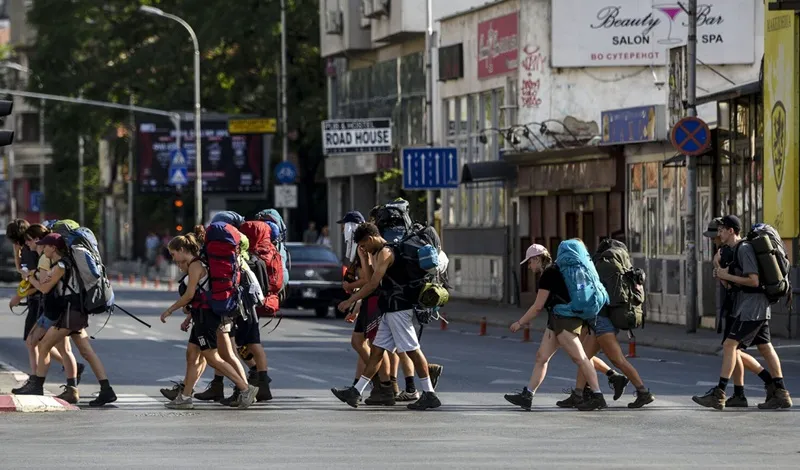
73,921 tourists in March. Germans and Turks at the top. But overnight stays fell by 0.3% - everyone arrives, nobody...
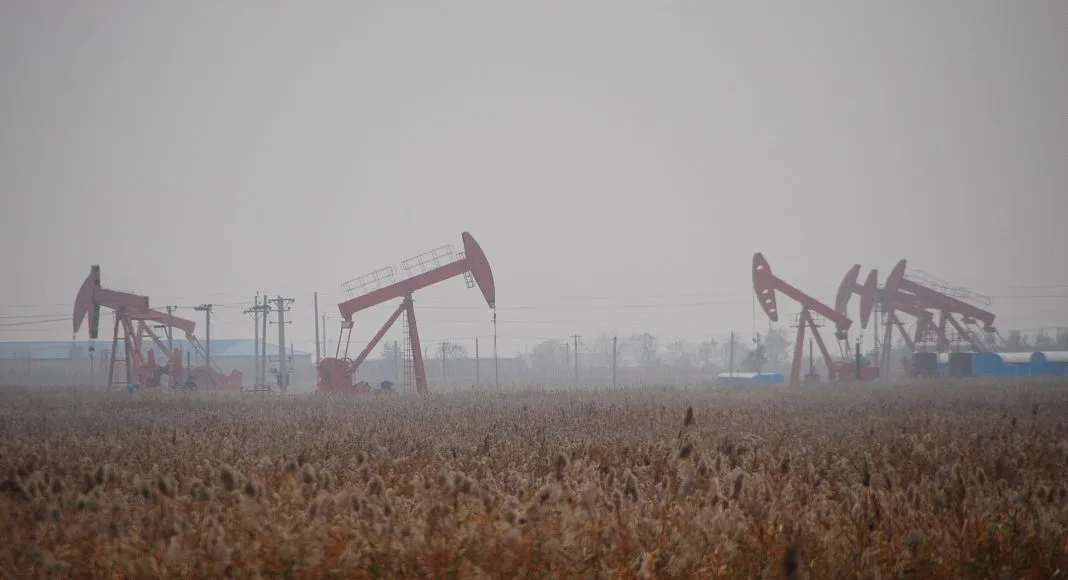
12.8 million barrels a day gone since February 28. The Strait of Hormuz has done damage that will be felt...

No filters, no opening the gallery, no screenshots - the feature is launching globally. The question is whether Meta is...

The nine-year-old startup doubled its valuation in a year. A contract for a space missile shield, a contract with the...

The productivity app is opening a platform for external agents - Claude Code, Cursor and Codex are among the first...

The market has become investment-driven, not consumer-driven. The rich buy to store money, the poor watch, and the middle class...
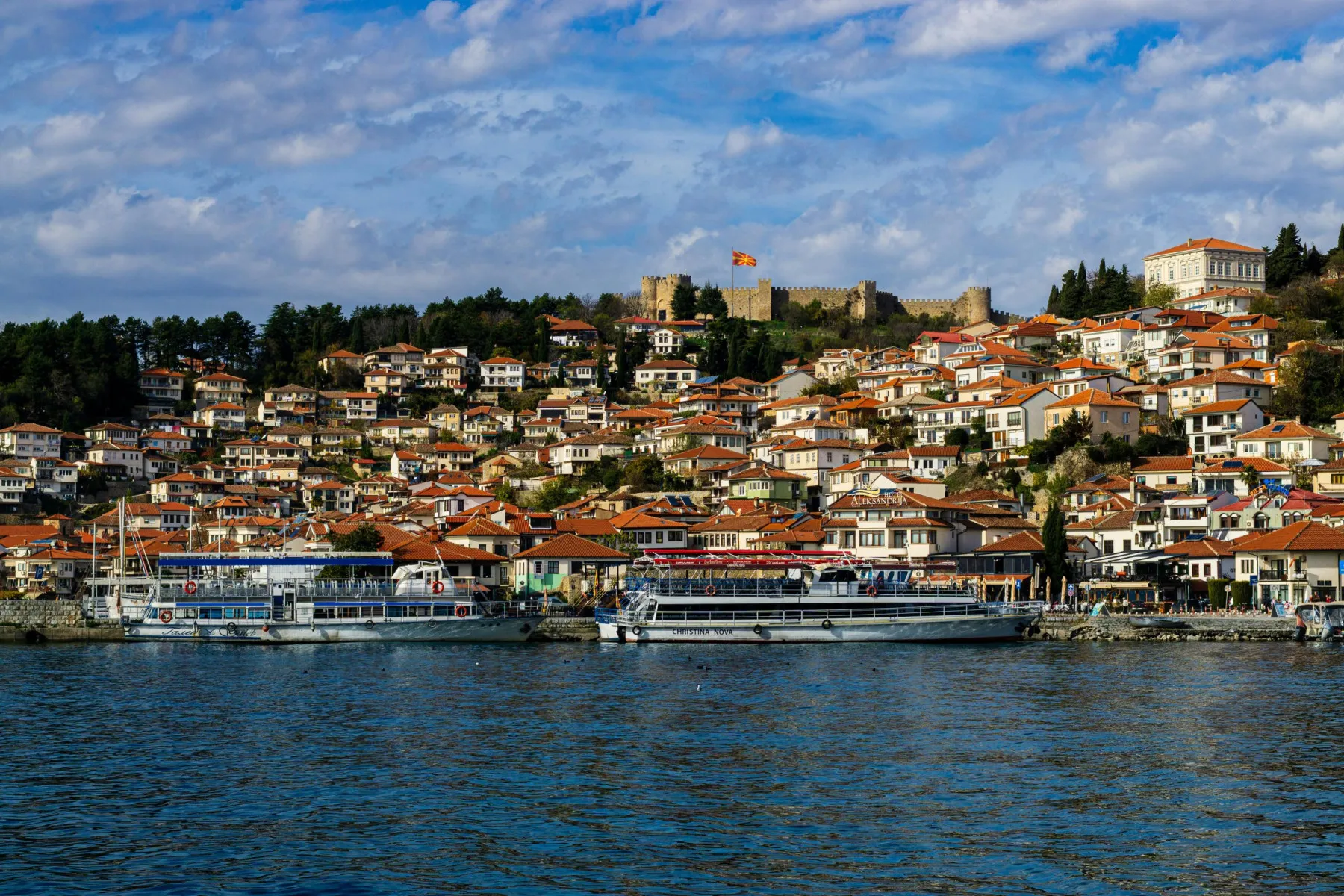
Germans, Turks, French and Serbs dominate Q1 2026. Bulgarians and Greeks - the two closest markets - are retreating. Domestic...

Geopolitical tensions, inflation fears and central banks doing the buying - three reasons for record prices. For the Balkans -...

Booking, Expedia, Viator and Trip.com are the first round of partners. ByteDance isn't building a system - it's building a...
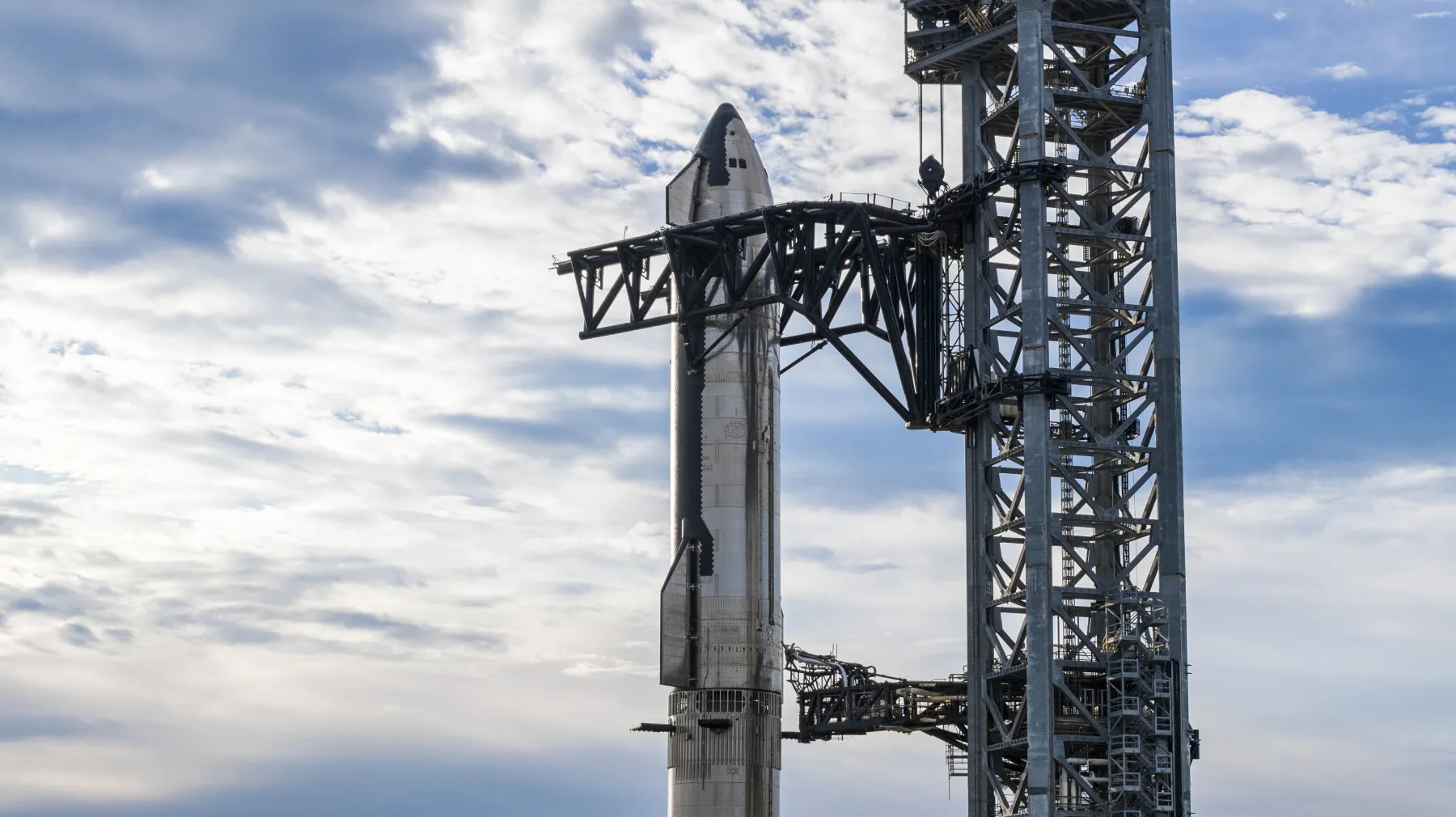
Musk promises cheaper computing in orbit, Google is talking to everyone in parallel. Project Suncatcher has its first satellite due...