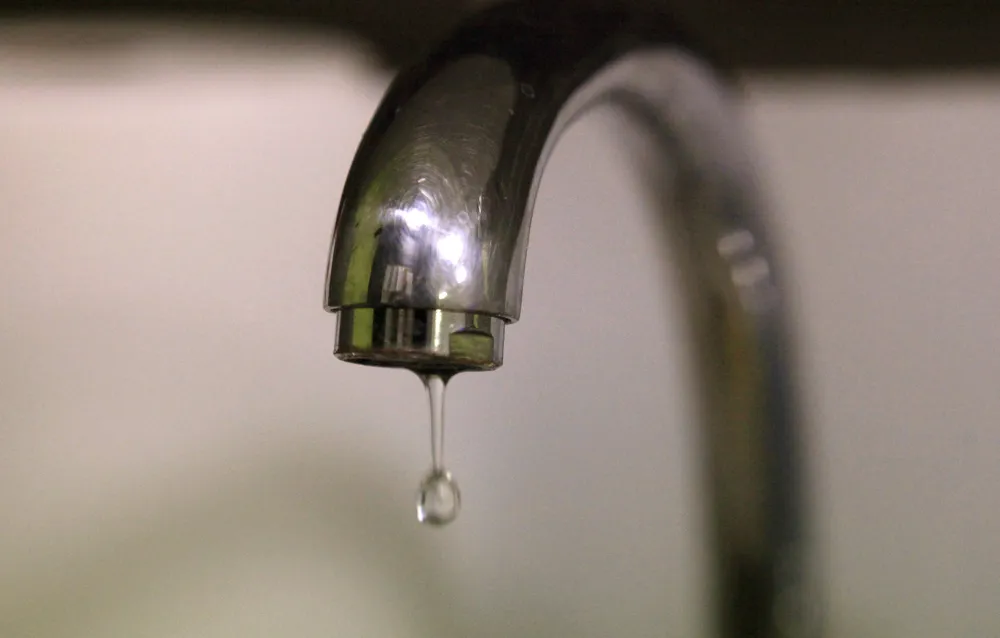
Skopje Without Water: Trubarevo, Karpoš and Taftalidže Cut Off Today - 300mm Valve Failure
14.05.2026


14.05.2026
14.05.2026

14.05.2026
14.05.2026

14.05.2026

13.05.2026

14.05.2026

14.05.2026

13.05.2026

14.05.2026

14.05.2026

14.05.2026

14.05.2026

13.05.2026

12.05.2026

14.05.2026

14.05.2026
13.05.2026

09.03.2026

27.02.2026

19.02.2026

14.04.2026

07.11.2025
07.11.2025

23.04.2026

23.04.2026

12.04.2026

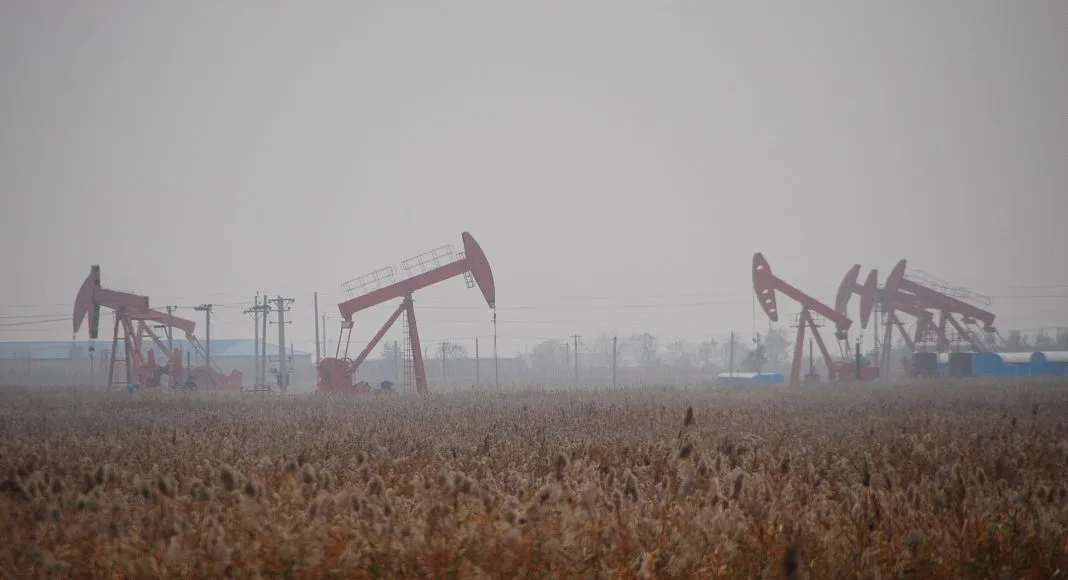
The International Energy Agency (IEA) is warning that global oil stocks are depleting „at record pace". Not a headline statement - a serious industry alarm.
The specifics: oil supply fell by another 1.8 million barrels a day in April. Total supply lost since February 28 - 12.8 million barrels a day. That's nearly 14% of global daily oil consumption, gone from the market in ten weeks.
The cause is single and clear at once - the Strait of Hormuz, the world's most vital oil transport route, is paralysed by the conflict with Iran. Even if it reopens tomorrow, the damage to the infrastructure and the market is already done. Analysts at Morgan Stanley say the market is in a „race against time" - the reserves that buffered the crisis could run out before Hormuz functions normally again.
Prices are already at levels we haven't seen since 2008: Brent around 106-107 dollars a barrel, US WTI at 101 dollars. Expectations are that over the summer, with demand peaking, prices will jump again.
What does that mean for the ordinary citizen in Macedonia? Plainly. Petrol 88 is expected to break 100 denars a litre by June, with diesel possibly going past 110. That's a blow to household budgets already running on the edge. Public transport will get more expensive - everyone who runs a truck, a taxi or driving as a business will lift their rates. Air tickets, as the other report notes, will be „inevitably more expensive" across Europe.
The Macedonian government has no publicly announced strategy so far. There is a real lever - cutting fuel excise tax - which the government can use to keep prices stable at the cost of budget revenue. But that means less money for healthcare, education and infrastructure.
The question that should be openly on the table: when are we going to talk about strategic state oil reserves? Macedonia has no proper strategic reserves - only minimum working volumes held by the companies. At moments of major global deficit, that's a vulnerability that revealed itself in 1979, in 2008, and now again. With no answer for the fifth time.
Until then - we drive less, or we pay more. Neither is a good option.
The latest 10 news from this category
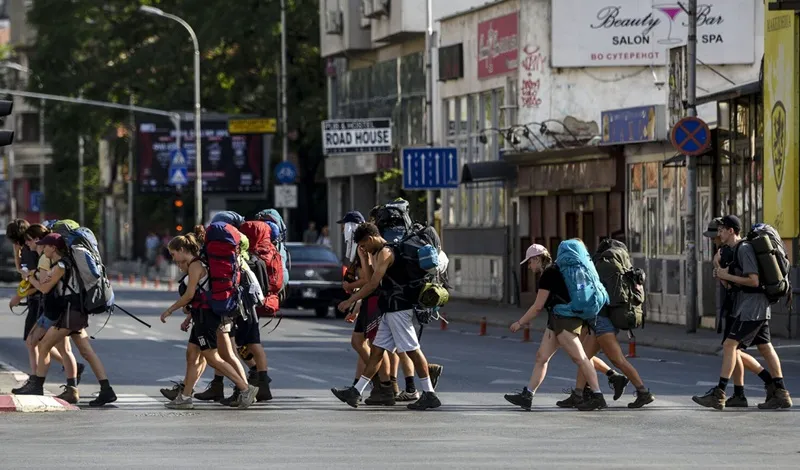
73,921 tourists in March. Germans and Turks at the top. But overnight stays fell by 0.3% - everyone arrives, nobody...
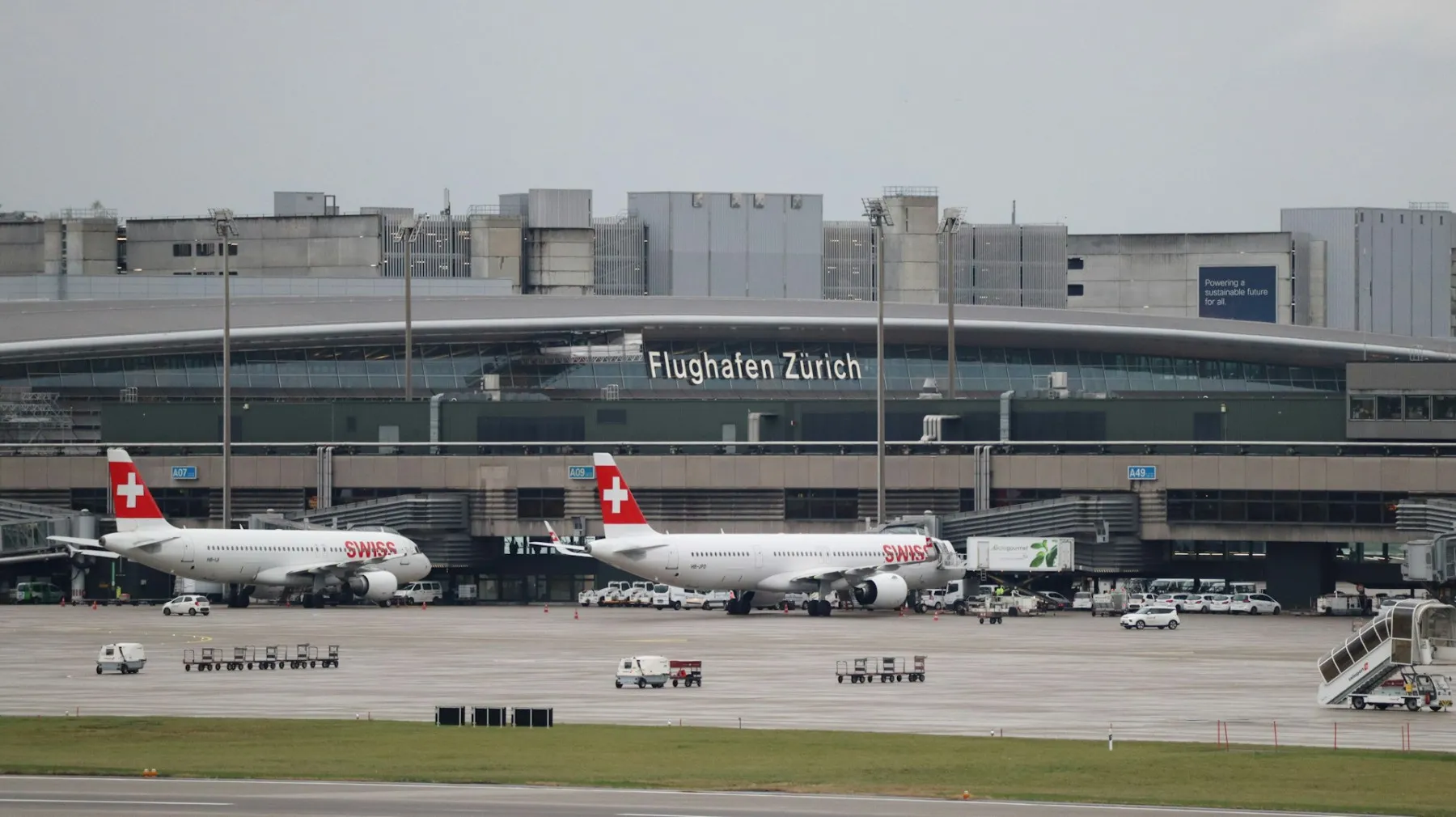
13,000 cancelled flights just this month, two million unused seats. „There's simply no way for the companies to absorb the...

No filters, no opening the gallery, no screenshots - the feature is launching globally. The question is whether Meta is...

The nine-year-old startup doubled its valuation in a year. A contract for a space missile shield, a contract with the...

The productivity app is opening a platform for external agents - Claude Code, Cursor and Codex are among the first...

The market has become investment-driven, not consumer-driven. The rich buy to store money, the poor watch, and the middle class...
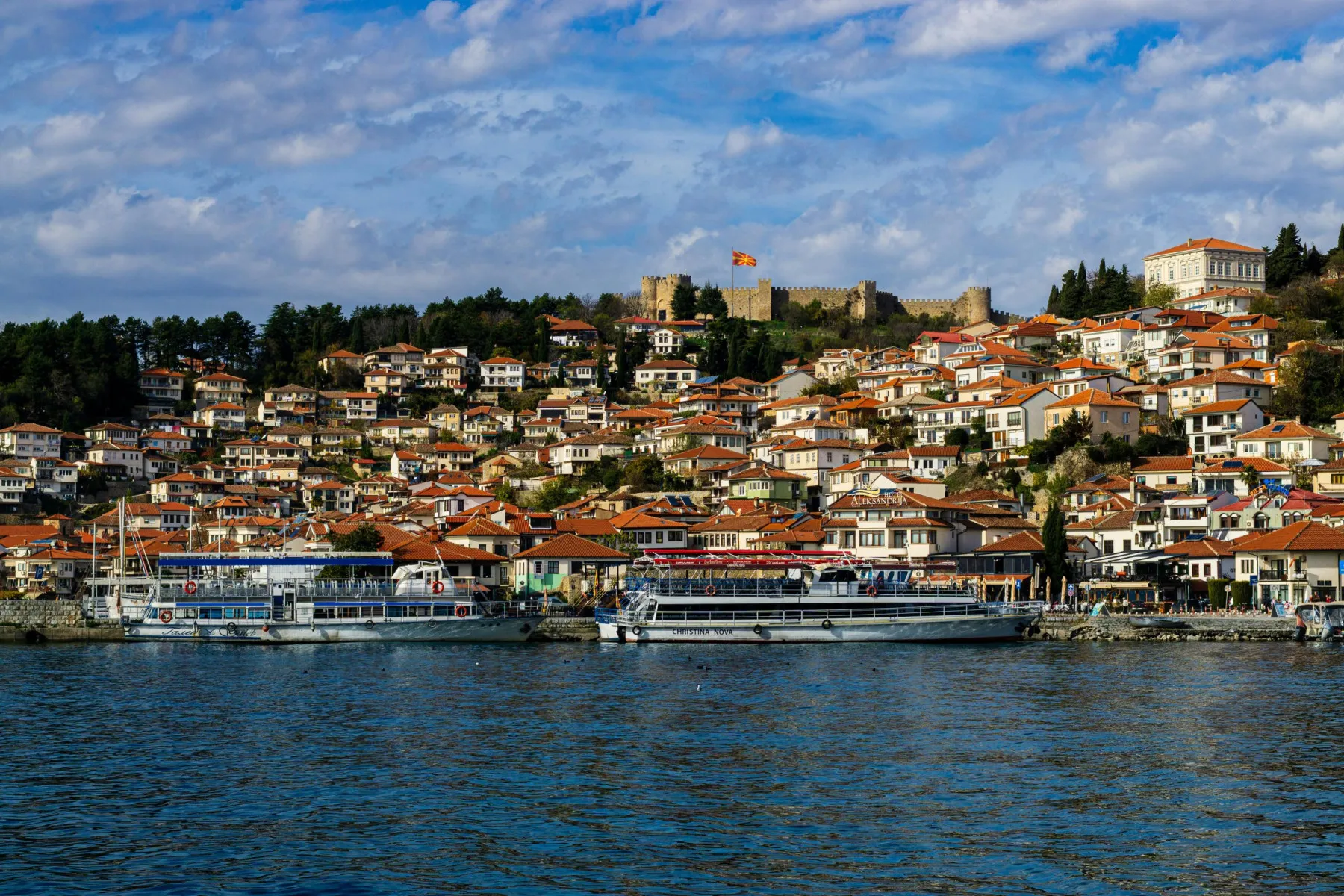
Germans, Turks, French and Serbs dominate Q1 2026. Bulgarians and Greeks - the two closest markets - are retreating. Domestic...

Geopolitical tensions, inflation fears and central banks doing the buying - three reasons for record prices. For the Balkans -...

Booking, Expedia, Viator and Trip.com are the first round of partners. ByteDance isn't building a system - it's building a...
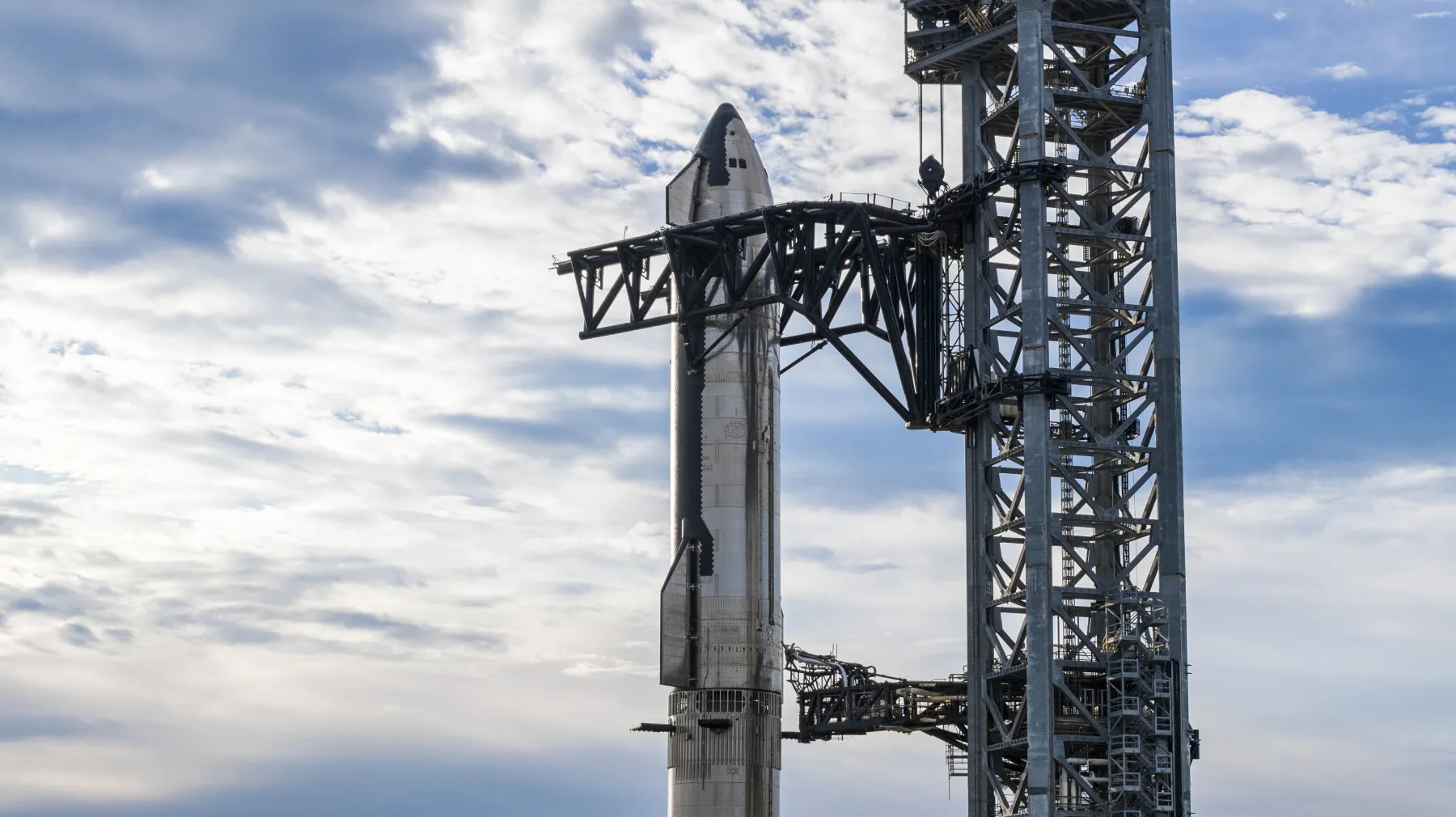
Musk promises cheaper computing in orbit, Google is talking to everyone in parallel. Project Suncatcher has its first satellite due...