
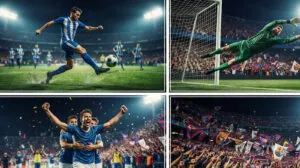
"That's not my job": the trial of the 13 Puls police officers restarted from scratch, and witnesses describe help being refused
22.09.2026


22.09.2026

22.09.2026

22.09.2026

22.09.2026

22.09.2026
22.09.2026

22.09.2026

21.09.2026

20.09.2026

22.09.2026

22.09.2026

21.09.2026
22.09.2026

22.09.2026
22.09.2026

22.09.2026

21.09.2026

20.09.2026
22.09.2026

22.09.2026
22.09.2026

22.09.2026

22.09.2026

22.09.2026

09.03.2026

27.02.2026

19.02.2026

22.09.2026

21.09.2026

21.09.2026

23.04.2026

23.04.2026

12.04.2026

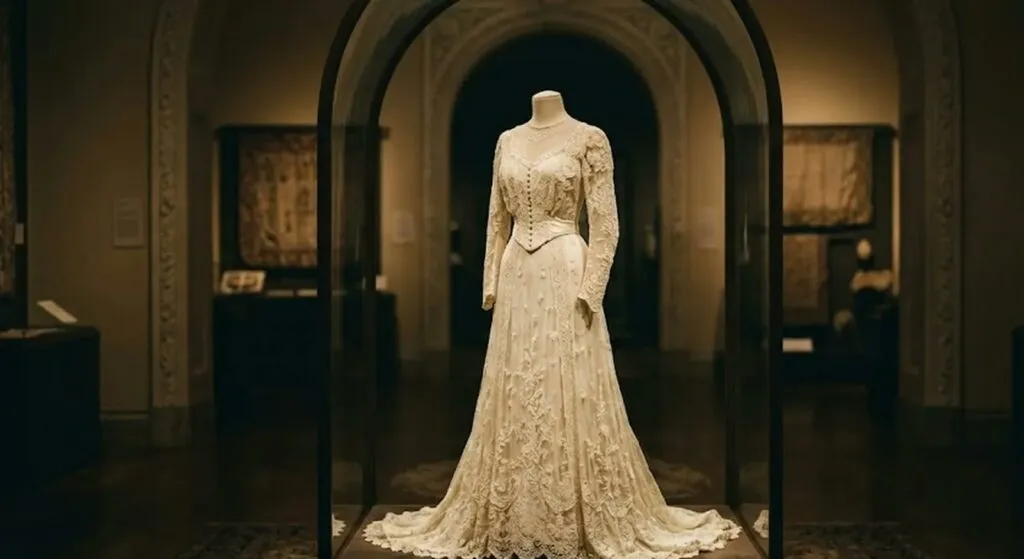
May 14, 1962. The Greek princess Sofia walks out of the cathedral in Athens in a wedding dress her mother, Queen Frederica, describes in two words that stylists still repeat to this day: „a dream of lace". That was the day Sofia became Juan Carlos's wife - and shortly after, the Queen of Spain.
Sixty-four years later, the dress is still cited any time someone draws up a list of the most beautiful royal wedding dresses in Europe. Designed by Jean Dessès, it's in ivory, with lamé fabric and intricate lace. The train is impressively long. The tiara - „the Prussian" - is a family piece with a short but intense history at the Greek court.
It's also a way into a bigger cycle that's rarely catalogued - Greek royal weddings as their own fashion category. Greek royal women, over the last 90 years, are arguably the most consistently dressed brides in Europe.
Queen Frederica at her own wedding in 1938. Princess Anne-Marie in 1964 - with a six-metre train, something that looks unreal by today's standards. Marie-Chantal in 1995, in a Valentino dress whose price tag, the columns wrote, was a million dollars. Princess Alexia in 1999. Tatiana Blatnik in 2010, with 40 metres of Chantilly lace - not as decoration, but as the structure of the dress.
Nina Flor in 2021 (Chanel, adjusted for her). Princess Theodora in 2024 in Celia Kritharioti, a Greek designer - a return to the idea that homegrown work can still be international. Chrysi Vardinogiannis in 2025 in Costarellos. And each one of them, in her own way, in dialogue with Sofia's dress.
Why the Greeks? Maybe because the Greek royal house, although formally gone since 1973, has never stopped behaving like a house with history. These weddings weren't made for press conferences. They were made for albums, for tradition, for the next generation. The art of the wedding as a „historically studied event" - that's something the British or Swedish royal households don't understand in the same way.
For a Balkan reader, especially one who remembers the weddings of our lifetime, there's one more nuance. Greek royal brides were also being staged for the Greek diaspora - the one that remembered the king for decades, that collected magazines, that knew whose tiara was whose and from which year. The wedding wasn't only for the bride - it was for them. Maybe that's why it still works.
The latest 10 news from this category
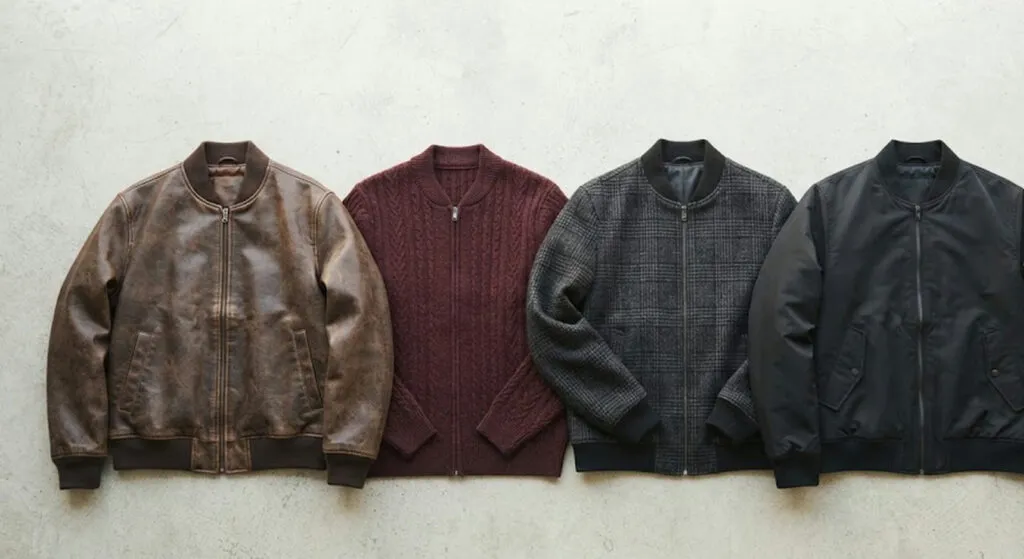
Here, half a wardrobe is bought by calculating how many years it will last. The brown leather one will look...

A decade in which aesthetic medicine sold transformation ends with one sentence: they want to look better, not different.
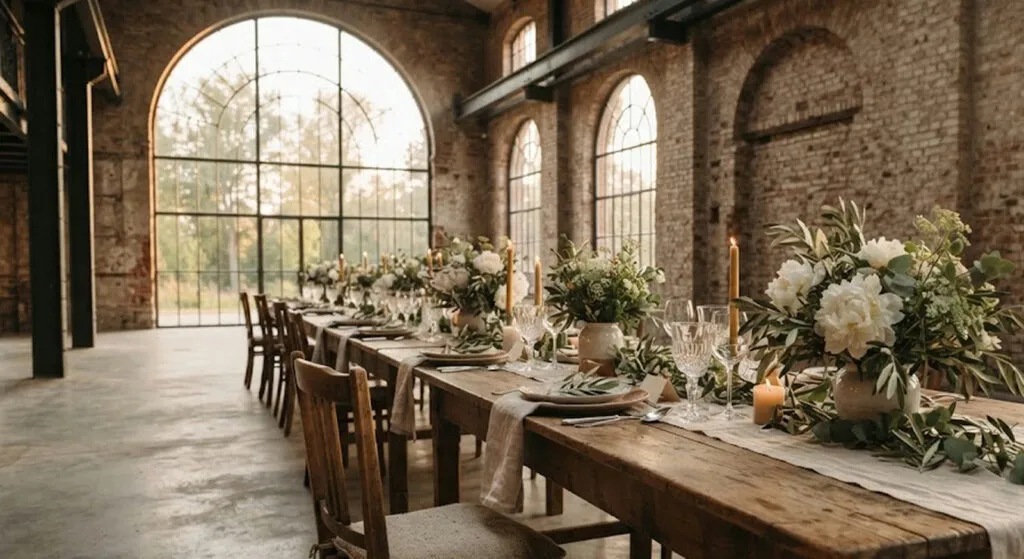
The catering was run by an uncle, the music was played by an uncle. If that sounds familiar, you have...
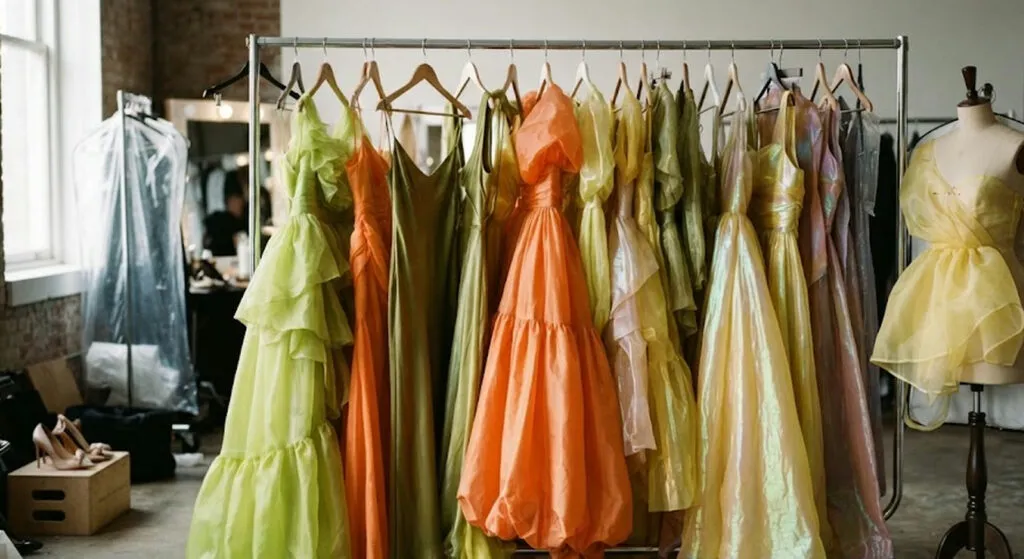
Three days in a lab coat with colorimetry scientists to produce a collection in lime and tangerine. The design director...
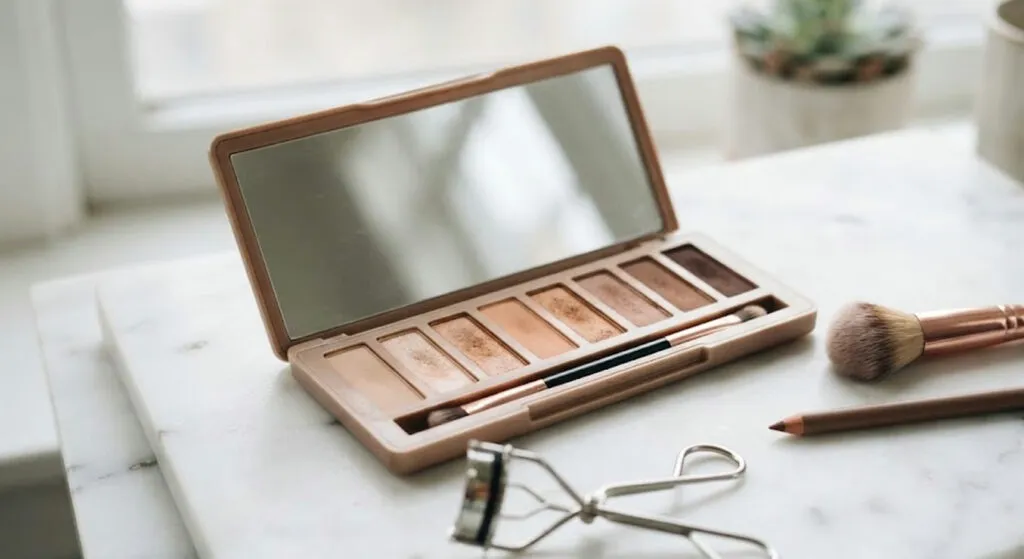
Cream concealer instead of powder, a brown pencil instead of black eyeliner, and a curler before the mascara. Not one...
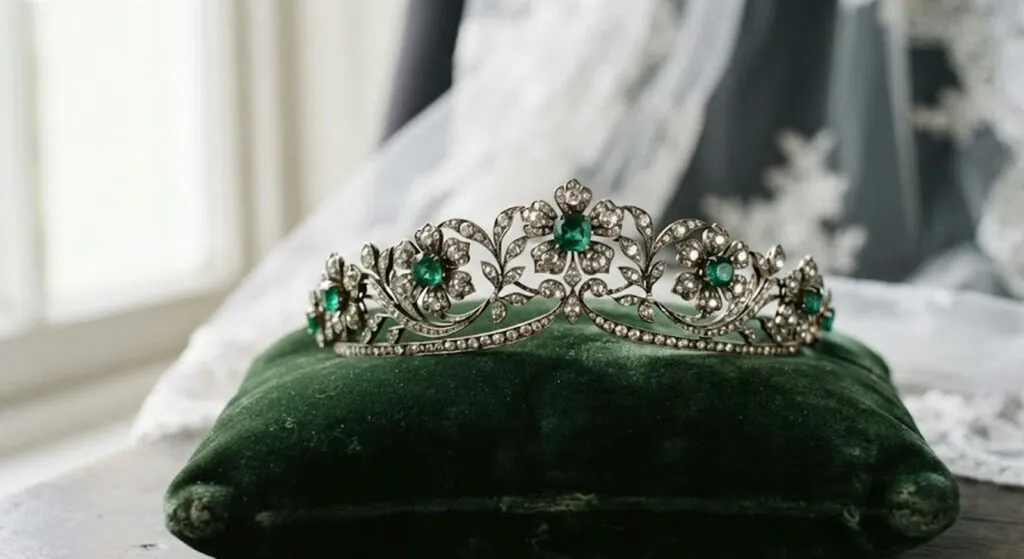
A boat-neck gown and wildflowers that deliberately refuse to compete with the jewellery. A fourth generation under the same diadem,...
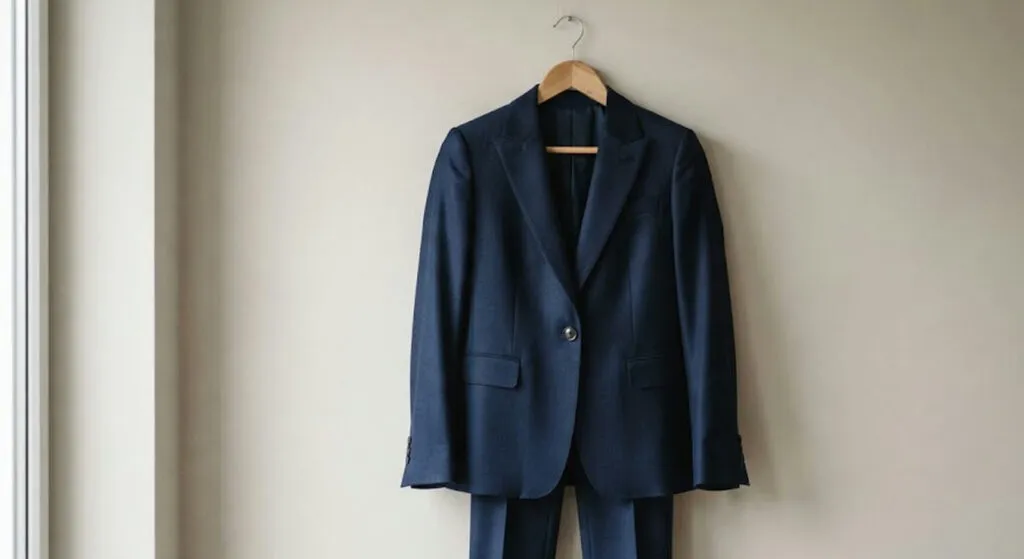
A communications expert says the trouser suit sidesteps sexist readings of hemlines and necklines. The same expert warns that the...
Dermatologists explain why the shedding arrives with a two to three month delay and why iron and vitamins do not...
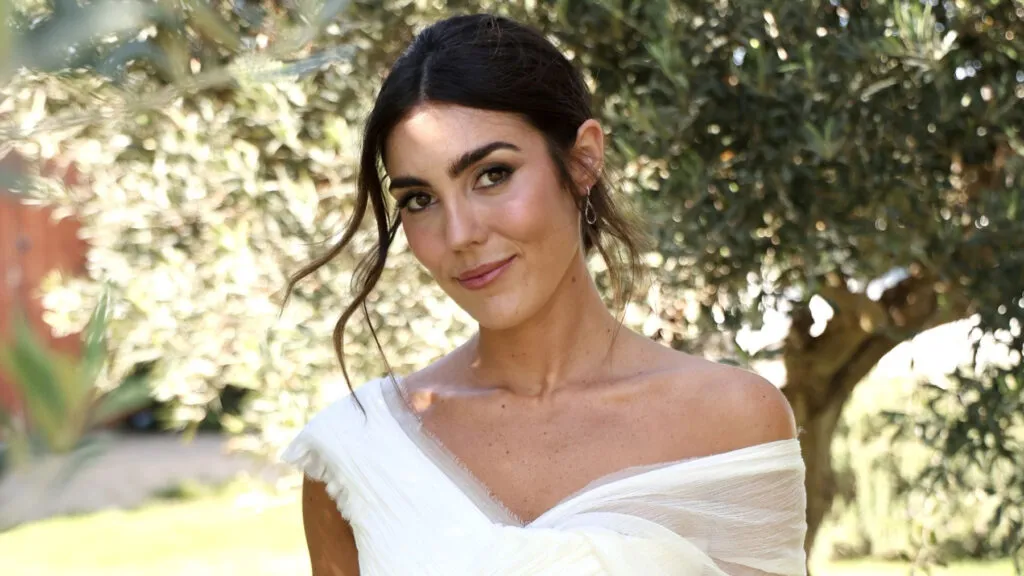
Silk bambula muslin, a hand-draped waist and a veil of crystal organza. The wedding was held in Cadiz, where the...
An industry that spent decades selling a flawless illusion is suddenly showing the shoot itself. That is not candour -...
This site uses cookies - is that okay? Learn more
Be the first to know when Metla launches something new
Leave your email and we will write when there is a new guide or something new on Metla.