

Kratovo man stabs police officer mid-intervention: prosecutors want the 40-year-old detained
15.09.2026


15.09.2026

15.09.2026
15.09.2026

15.09.2026
15.09.2026
15.09.2026
15.09.2026

14.09.2026
13.09.2026

15.09.2026

15.09.2026

14.09.2026

15.09.2026

15.09.2026

15.09.2026

15.09.2026

14.09.2026

13.09.2026

15.09.2026

15.09.2026

15.09.2026

15.09.2026

15.09.2026

14.09.2026

09.03.2026

27.02.2026

19.02.2026

15.09.2026

14.09.2026

14.09.2026

23.04.2026

23.04.2026

12.04.2026

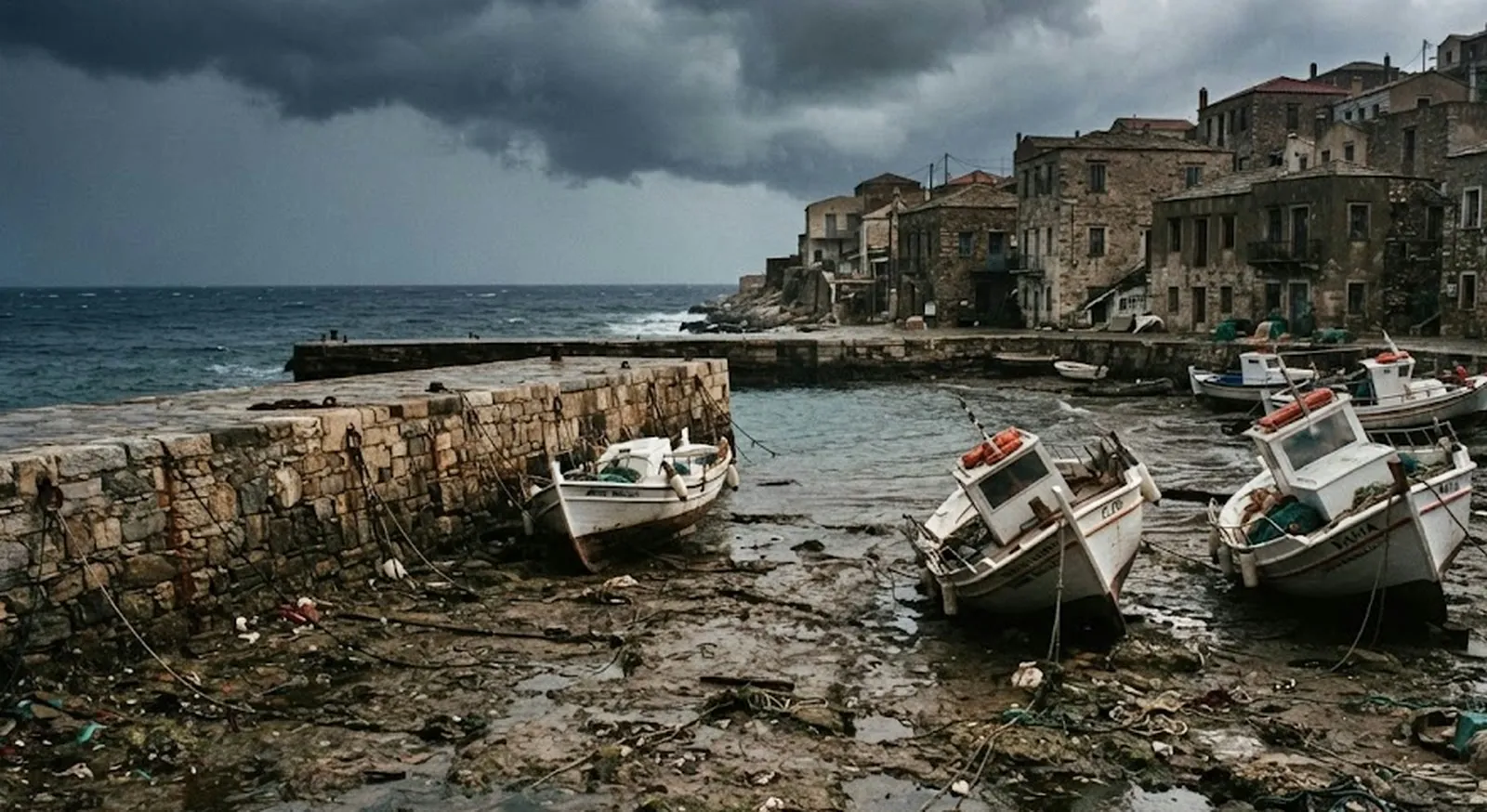
The sea suddenly withdraws, the harbour empties in ten minutes, and then the water comes back with force. This summer the Adriatic is behaving unusually - meteotsunamis have appeared one after another at a string of places, and climatologists say that is not normal. The sea that all of us on this coast share is sending a signal worth listening to.
A meteotsunami is not an ordinary tsunami. With a classic tsunami the culprit is an earthquake; with a meteotsunami, it is the sky alone - sudden atmospheric changes that trigger oscillations of the sea level. Oceanographer Mirko Orlić explains the mechanism with an image from childhood: „At the right moment, the movement of the body increases the amplitude of the swing each time. It is similar with a meteotsunami.”
When the speed of the atmospheric wave coincides with the speed of the sea wave, the amplification is tenfold. If, on reaching the coast, the period of the wave coincides with the natural oscillation of the bay, another tenfold amplification follows - and a single disturbed centimetre turns into a wave several metres high. The greatest danger is not the waves themselves, but the powerful currents as the sea withdraws. The harbour can empty completely in ten minutes, before the water rushes back.
The figure that worries is the frequency. The catalogue of meteotsunamis that Orlić created shows that such phenomena usually happen once a year or less. And now, in just eight days, a meteotsunami has appeared at a string of places along the coast. „Three days with a meteotsunami within eight days, whereas they normally happen once a year or less. This clearly shows that something unusual is happening this summer,” Orlić warns.
The cause, science says, is called climate change. The temperature difference between the Arctic and the equator is weakening, the jet streams are slowing, and the atmospheric waves are becoming slower and more pronounced. This is not a distant theory for the polar bears - it is the sea we look at every summer from our beaches, only now it is behaving differently from how we remember.
The Adriatic is not a Croatian or Montenegrin or Albanian sea - it is shared. When it starts behaving unpredictably, the story concerns everyone who plans a summer on this coast. And while science patiently measures the waves, the old question remains: how many signals do we need before we stop pretending that the climate is someone else's problem?
The latest 10 news from this category

The domestic regulator found the irregularities first, and then the story stopped. It took crossing a border for the same...

Two million people stood against twenty-seven states and the text never came out. A reminder that EU membership does not...
A lorry stopped in the hard shoulder with a breakdown, a car with five passengers and one impact in the...
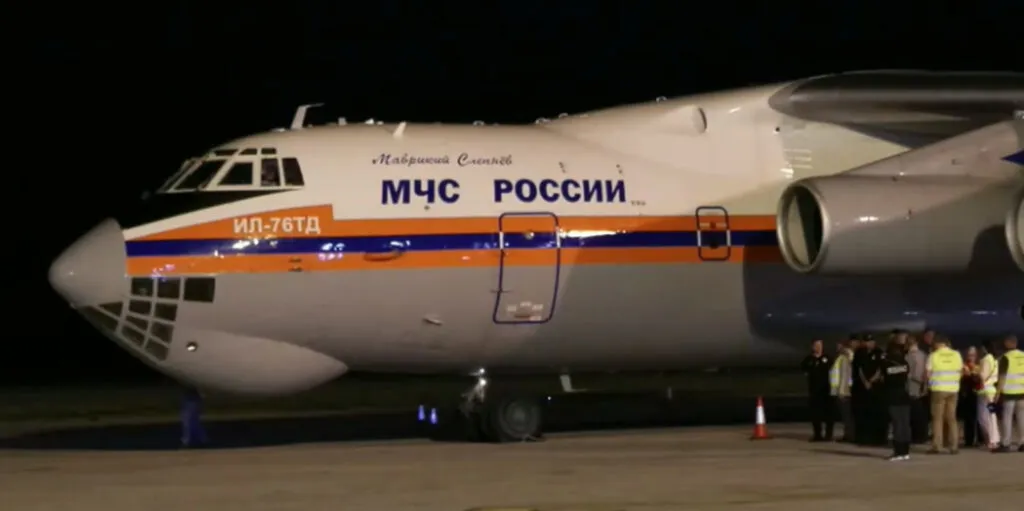
Forty-two tonnes of water per flight and one well-organised welcome on the runway in Niš. The fire in the Deliblato...

Seven times since 2015, and one trip ended less than two months before the invasion of Ukraine. SOVA says it...
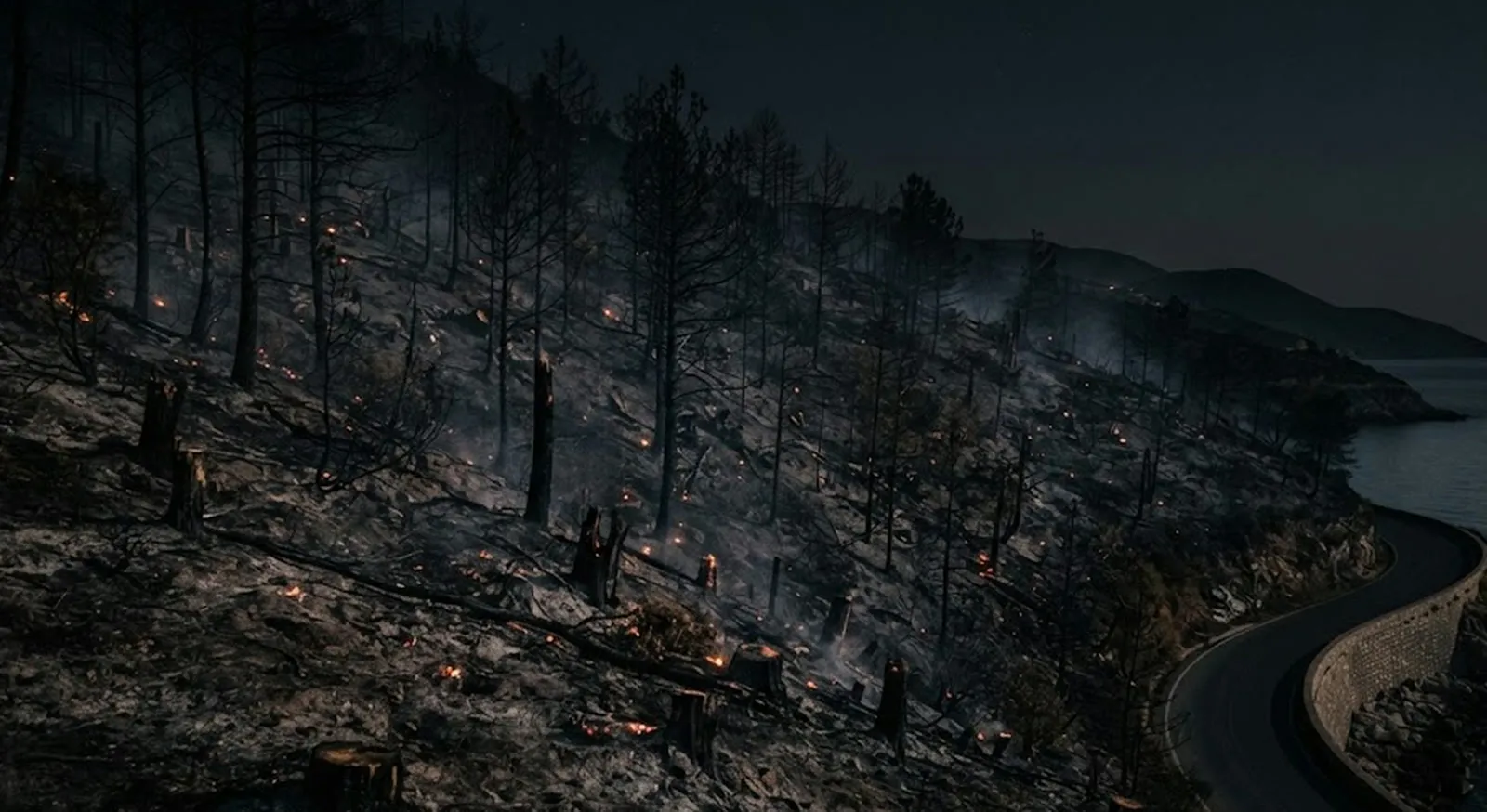
194 people evacuated by boat, 36 injured, one body found in the burnt area. Mobile phones in the zone stayed...
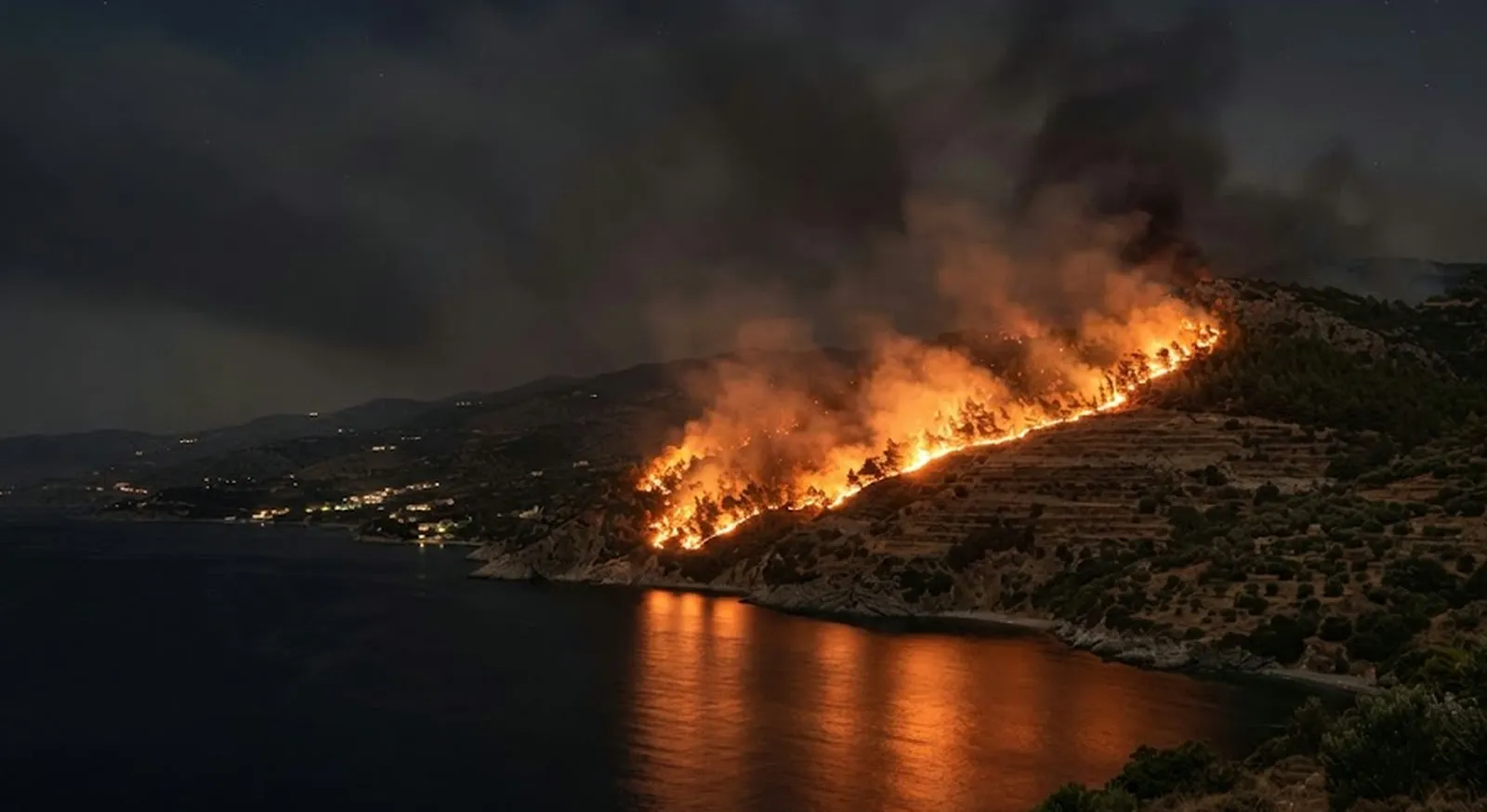
Driven by a strong night wind, the flames covered the distance from Mimice to Omiš in two hours. The question...
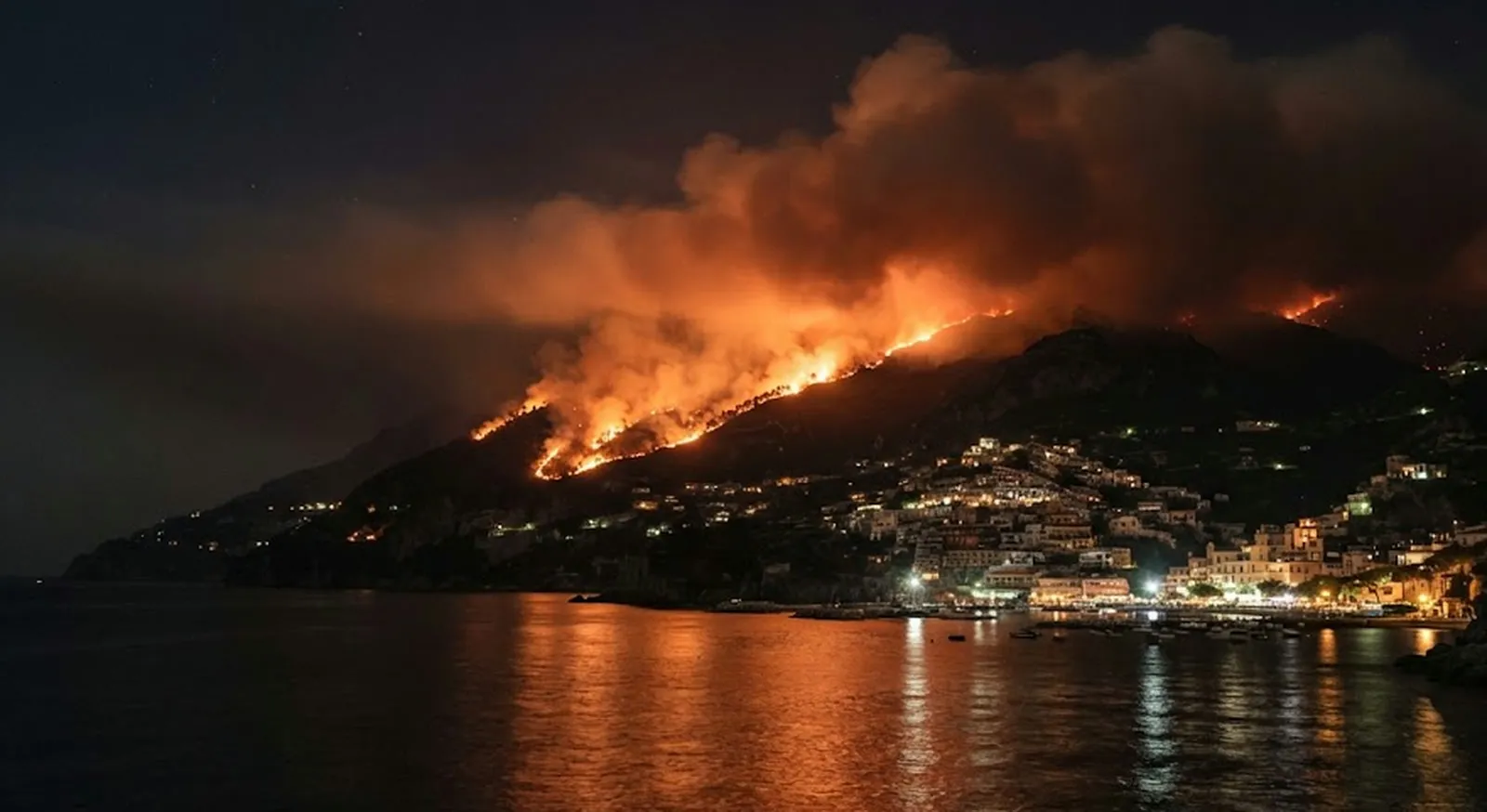
The flames reached fifty metres from the centre and people fled by boat because the coastal road was shut. A...
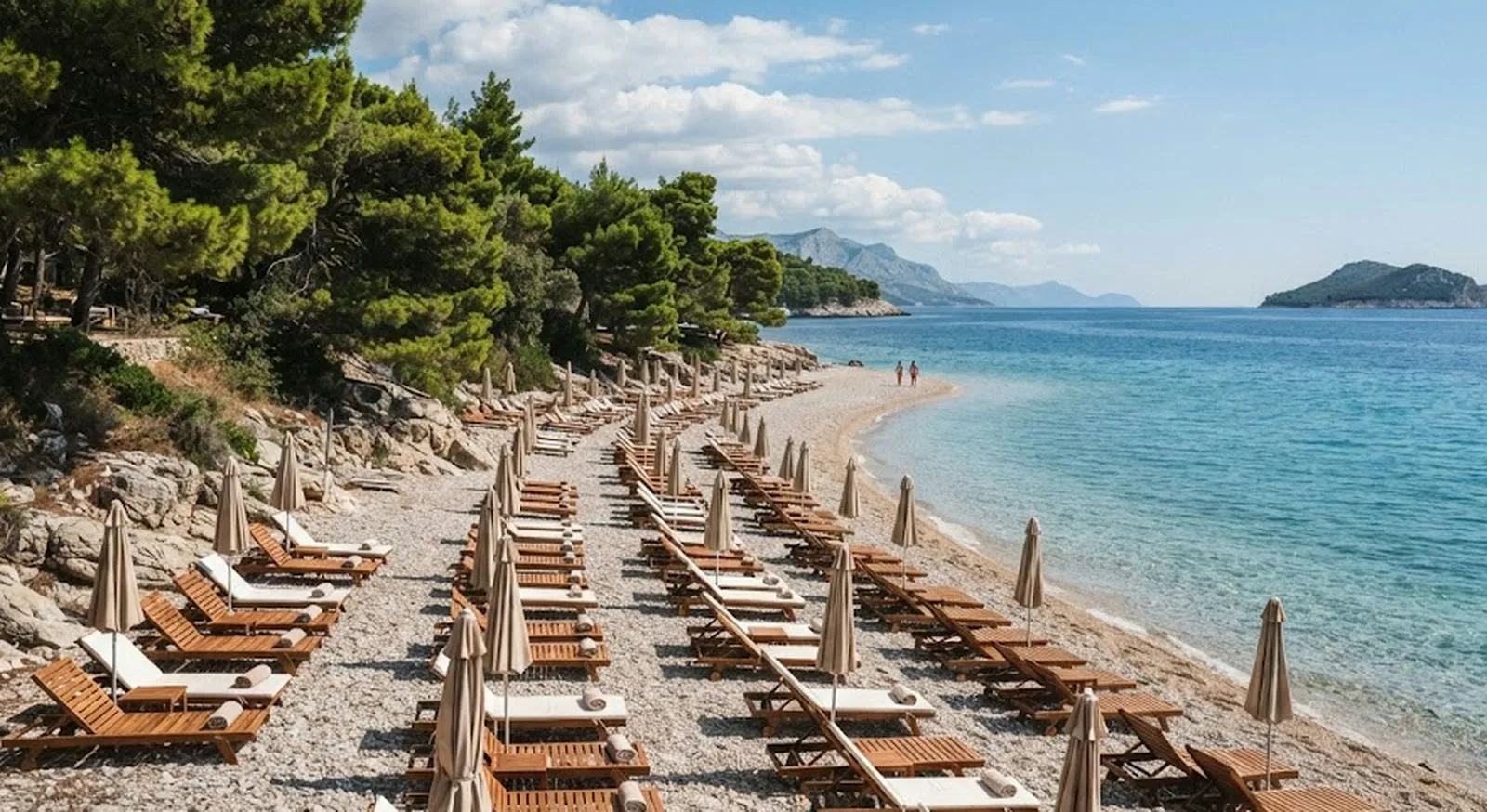
Croatian statistics record a 6.6 percent drop in June, and nearly a third fewer overnight stays from its most important...
Bijela and Baošići lost power and water while the fire spread along the power line. The number two - that...
This site uses cookies - is that okay? Learn more
Be the first to know when Metla launches something new
Leave your email and we will write when there is a new guide or something new on Metla.
