
The PM Says a Prosecutor Is an Accomplice, but Won't Name Him: Defendant on Five Million Euro Bail Crossed the Border Legally
01.08.2026


01.08.2026

01.08.2026

01.08.2026

01.08.2026

01.08.2026

01.08.2026

01.08.2026

31.07.2026

31.07.2026

01.08.2026

01.08.2026

31.07.2026

01.08.2026

01.08.2026

01.08.2026

01.08.2026

31.07.2026

30.07.2026

01.08.2026

01.08.2026

01.08.2026

01.08.2026

01.08.2026

31.07.2026

09.03.2026

27.02.2026

19.02.2026

01.08.2026

31.07.2026

30.07.2026

23.04.2026

23.04.2026

12.04.2026
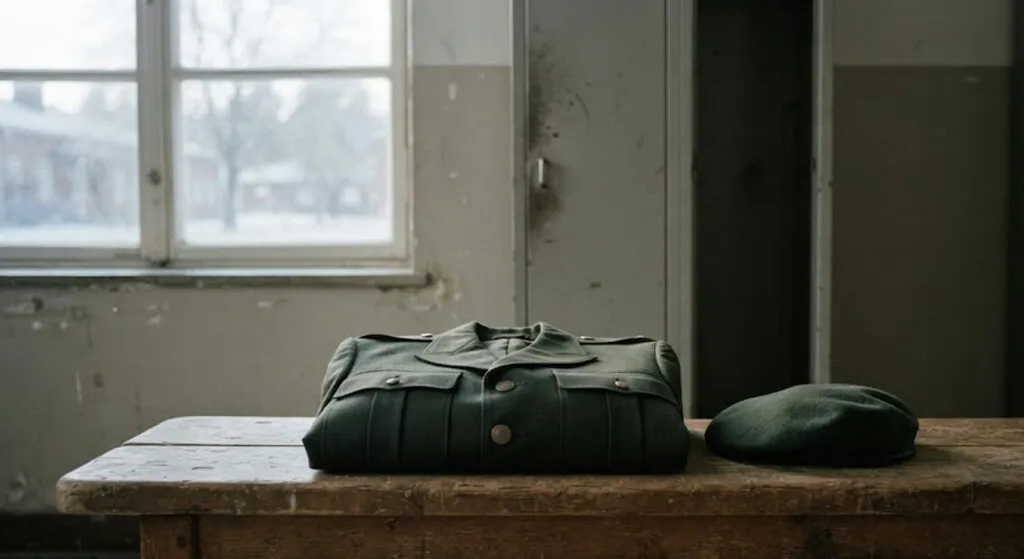
Princess Isabella of Denmark finished secondary school at 19, posed for photos with her classmates, received the traditional bucket of water Danish school leavers get as a rite of passage - and was then told the gap year she had counted on simply would not be happening. Instead, eleven months of service in the royal guards regiment await her.
The reason is not a royal whim. In 2025 the Danish parliament passed a law placing all women over 18 on the military register exactly as men are. Isabella is second in line to the throne, but before the law she is just another name on a list. That is the kind of equality much discussed in the Balkans and rarely carried through to the end.
What came next is the interesting part. The Danish court confirmed to domestic media that the princess will not take the salary or the allowances every recruit in her regiment receives. That amounts to about 190,000 Danish kroner, or roughly 25,500 euros for the eleven months. Her colleagues in the same barracks do receive that money. She will not.
The palace presents this as tradition - Danish royal children have long declined military pay. There is a more prosaic reading too. Isabella has no income of her own. Her brother, Crown Prince Christian, who also declined the salary, already has his own institutional allowance. She has nothing and continues living off the budget allocated to her parents, King Frederik and Queen Mary - around 17.2 million Danish kroner, or roughly 2.3 million euros for 2025, which covers the whole family's costs.
So a gesture that barely looks like a sacrifice actually extends the second child's financial dependence on her father and mother by several more years, until she begins taking on official duties and gets an allowance of her own. When you have no money of your own, turning down a salary does not cost you much.
Danish historian and royal affairs expert Sebastian Olden-Jørgensen says there is another signal here, better hidden. Isabella chose the guards. „If she were envisaging a military career and, for example, aiming at officer training, it would be obvious that she would choose a different branch“, he explains. Choosing the air force or the navy, he adds, would have sent a message along the lines of „this interests me, perhaps I want to do it“.
In other words: eleven months, no pay, no continuation. An obligation served, photographed, completed. The question that remains is not about Isabella but about the law - whether the equality the state demands applies equally when the uniform is worn by a surname no other recruit in that barracks carries.
The latest 10 news from this category

Eighteen years of litigation for one acknowledgement, and the recognised princess's children have neither a court role nor a budget....

They married at 18, it looked like it would not last, it lasted four decades. Now they are negotiating what...
Daily horoscope - 31.07.2026
Daily horoscope - 30.07.2026

If you do not post the photo, it is as though you never lived the moment. Silvia Abascal explains why...
Daily horoscope - 29.07.2026
Daily horoscope - 28.07.2026

Titles get stripped, security gets approved or denied. Grandmother's house has stood there since the sixteenth century, and nobody in...
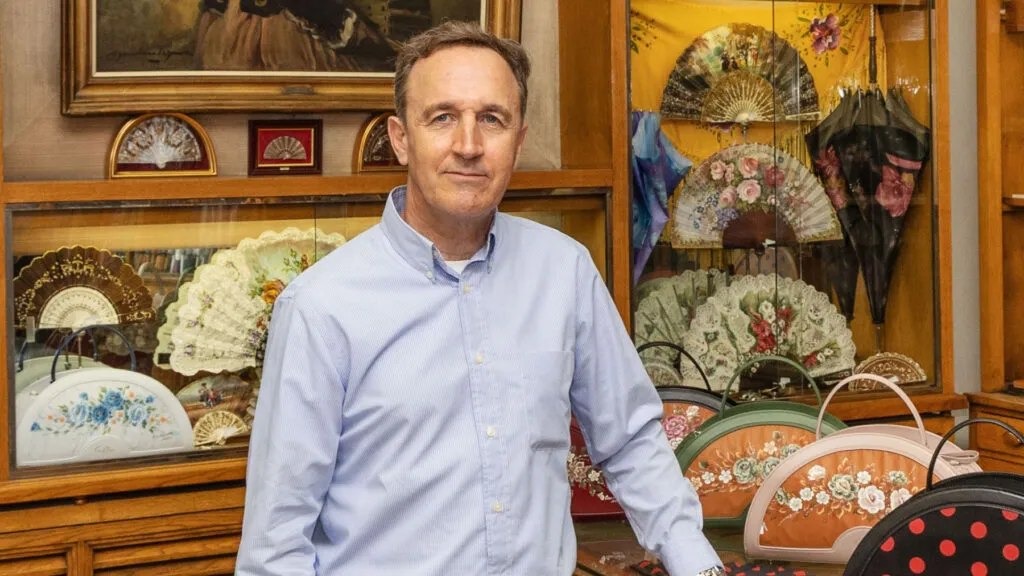
Six generations, an original floor from 1858 and one fan made solely for Lady Di. The strongest line in the...
This site uses cookies - is that okay? Learn more
Be the first to know when Metla launches something new
Leave your email and we will write when there is a new guide or something new on Metla.