

Kratovo man stabs police officer mid-intervention: prosecutors want the 40-year-old detained
15.09.2026


15.09.2026

15.09.2026

15.09.2026

15.09.2026

15.09.2026
15.09.2026

15.09.2026

14.09.2026

13.09.2026

15.09.2026

15.09.2026

14.09.2026

15.09.2026
15.09.2026

15.09.2026

15.09.2026

14.09.2026

13.09.2026

15.09.2026

15.09.2026

15.09.2026

15.09.2026

15.09.2026

14.09.2026

09.03.2026

27.02.2026

19.02.2026

15.09.2026

14.09.2026
14.09.2026

23.04.2026

23.04.2026

12.04.2026

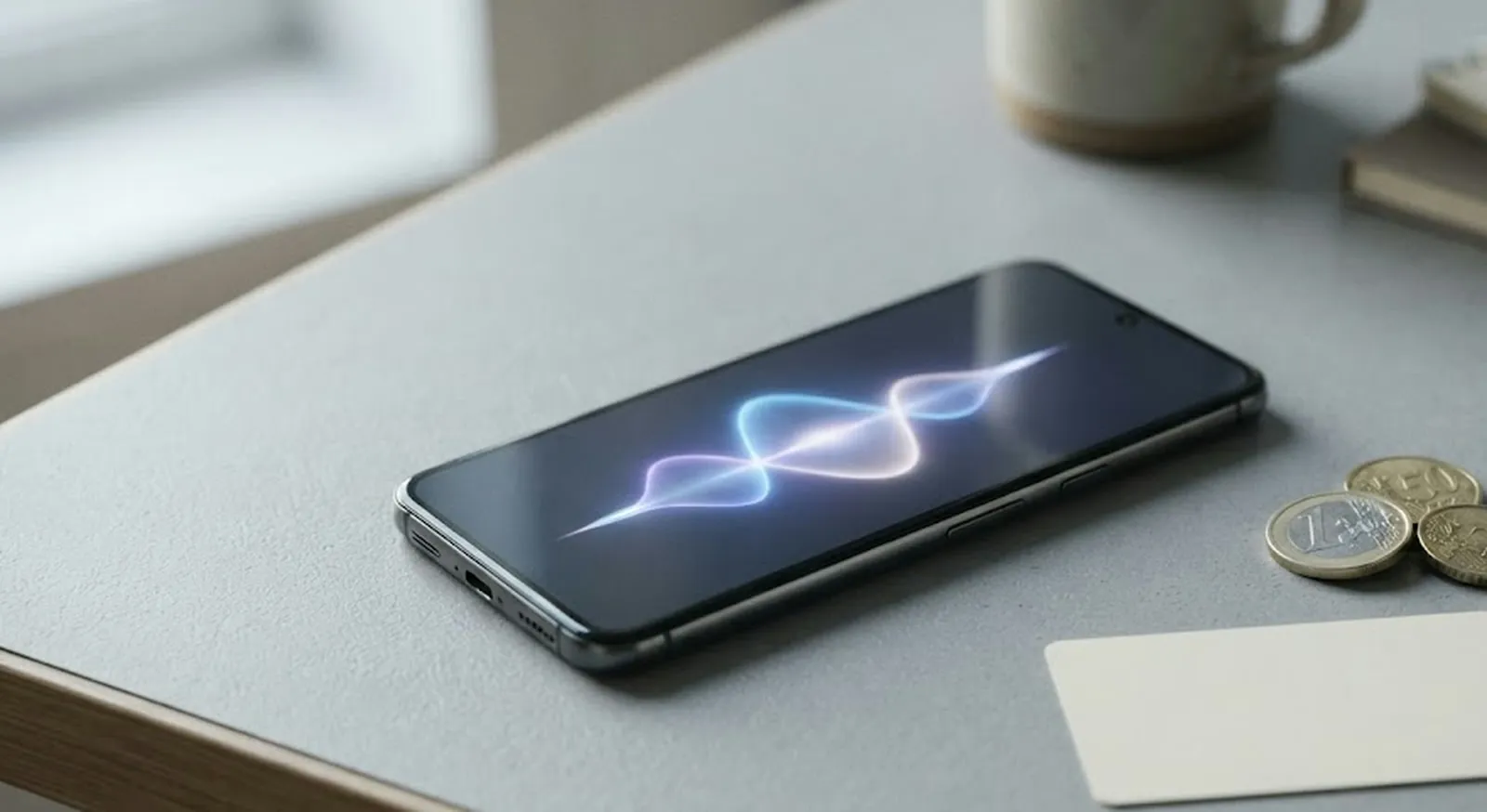
At his final earnings report as chief executive of Apple, Tim Cook told investors something iPhone users have not heard stated clearly until now: the new AI-powered Siri most likely will not be entirely free. Anyone who wants to use it heavily will pay more.
The mechanism Cook described is not a new subscription but an upgrade to one that already exists. The additional computing power for Siri would be bought through iCloud+ - the same service that until now sold photo storage and backups. „We believe there will be people who will want to use it a lot, so we will have some kind of iCloud+ upgrade options, where people will be able to buy a higher tier“, Cook said, adding that the plans are not yet finalised.
So the cloud you bought so you would not run out of room for photos now also becomes a meter for how much you are allowed to talk to your phone. Anthropic and OpenAI already work that way - a limited free version, with serious use paid for. The difference is that with them it was expected from day one. Apple spent years selling the opposite: pay for the device once, everything else comes with it.
Behind the announcement sits a failure Apple does not want to name. The company fell so far behind in the race for an advanced assistant that it had to license a customised Gemini model from Google - its direct competitor - to strengthen its own Siri. And the delay has already cost money: a 250 million dollar (around 230 million euro) settlement in a class action over how the iPhone 16's AI capabilities were advertised. A firm that paid a quarter of a billion for promising a feature that did not exist is now announcing that same feature as a premium product.
The new Siri is available in the iOS 27 beta, with a wider release planned for this autumn. By then Cook will no longer be at the top - John Ternus, the long-serving head of hardware engineering, takes over at the moment he inherits two open fronts at once: falling behind in software and rising prices in hardware.
The second front is more tangible for every buyer. The memory shortage caused by AI data centres has raised the manufacturing cost of almost every device, so Meta, Samsung, Microsoft and Sony have already put up prices on some of their products. Apple raised Mac and iPad prices last month, while the iPhone has so far been left untouched. So far.
The most interesting part is that both things are moving in the same direction. The device gets more expensive, and the feature that was supposed to justify the increase now wants a subscription of its own. Around here a thousand-euro phone is not an impulse purchase - it is a planned decision. The remaining question is simple: how many times can one and the same phone be charged for?
The latest 10 news from this category
A scientist at the same company puts the probability of human extinction above 10 percent within the next decade. The...
The president called in while the event was running, and the man who makes the chips answered that there would...
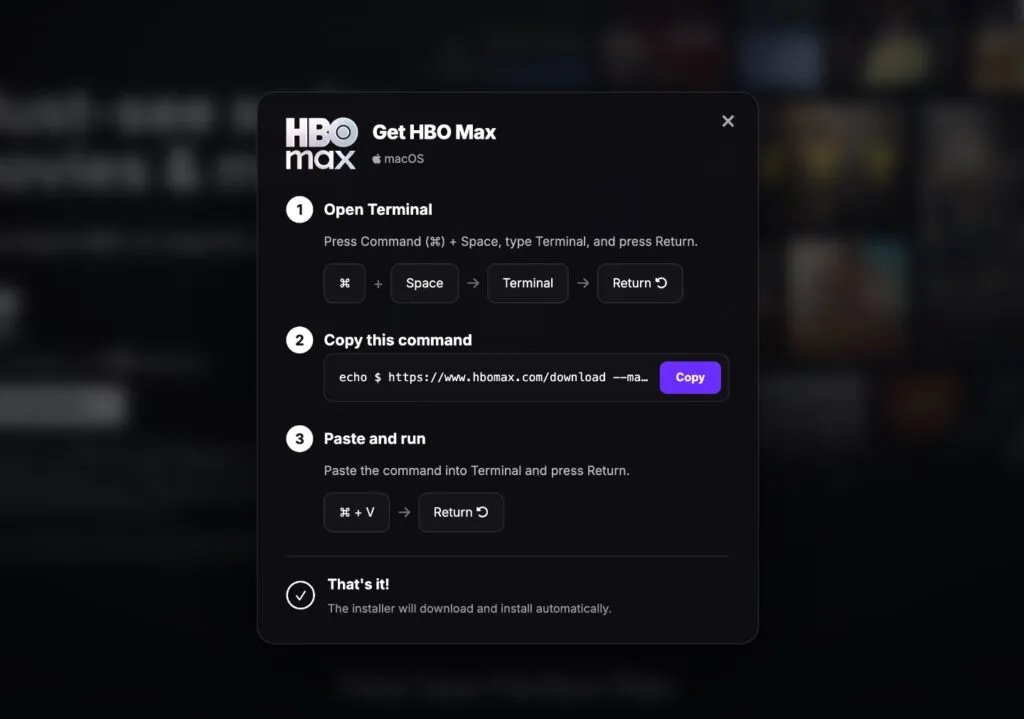
No virus attached, no suspicious file. Just a box that looks like the "I am not a robot" check and...
A researcher quit because the firms are gambling with our lives. Instead of denying it, Anthropic confirmed it - with...
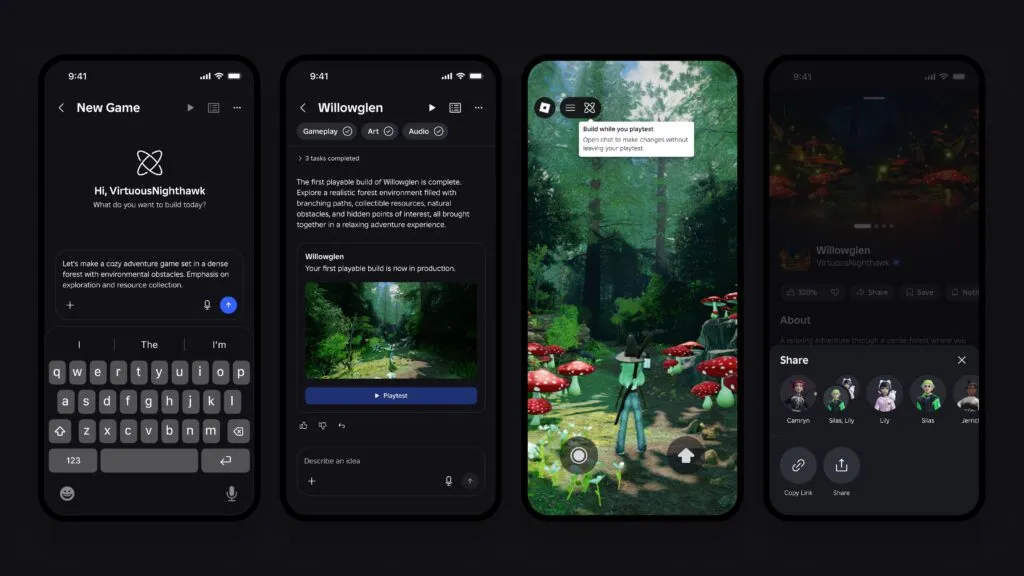
Write a sentence, get a game. Until now it worked only in New Zealand, now in Belgrade too. Creators on...
When the two biggest firms in an industry ask for rules on how fast anyone may run, the rules rarely...
Not a single password fell. What fell was the assumption that a request from a government domain is automatically a...
The biggest names in mathematics have signed a letter against the AI labs. The dispute is not whether the machine...

Five campaigns, 200 million exchanges, and the defences fell to a request for a Japanese translation. The industry that harvested...

The hackers were inside for a whole year. The company confirmed it only after a journalist found his own licence...
This site uses cookies - is that okay? Learn more
Be the first to know when Metla launches something new
Leave your email and we will write when there is a new guide or something new on Metla.
