Three of Four Sensors Were Dead: Skopje's Vodno Cable Car Ran Fifteen Years Without a Real Service
17.09.2026


17.09.2026
17.09.2026

17.09.2026
17.09.2026
17.09.2026

17.09.2026
17.09.2026
16.09.2026
15.09.2026
17.09.2026
17.09.2026
16.09.2026
17.09.2026

17.09.2026
17.09.2026
17.09.2026
16.09.2026
15.09.2026

17.09.2026

17.09.2026

17.09.2026
17.09.2026
17.09.2026

17.09.2026

09.03.2026

27.02.2026

19.02.2026

23.04.2026

23.04.2026

12.04.2026

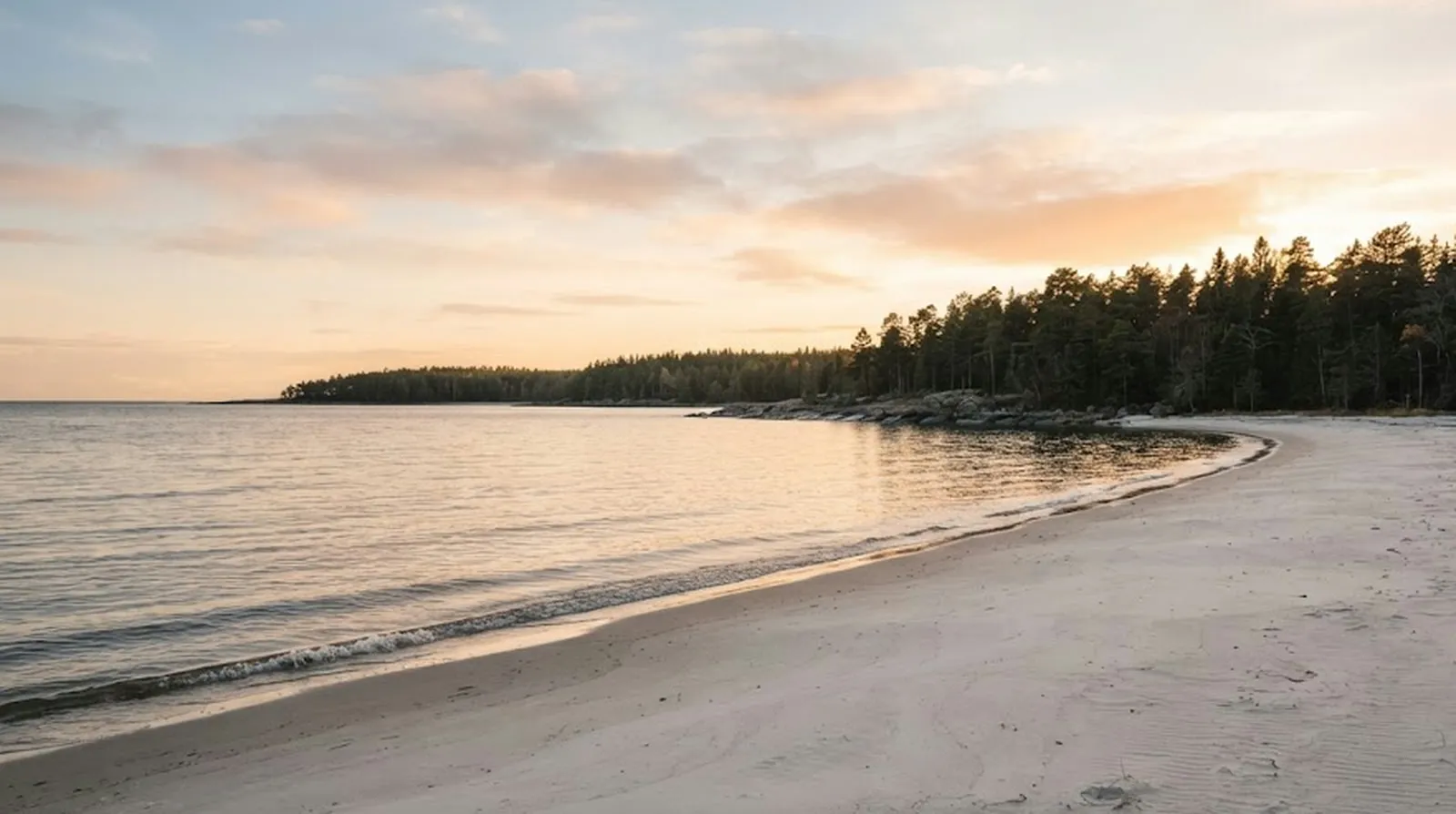
While the Mediterranean defends itself against its own success - Croatia counting guests per square metre, Greece counting minutes at the border - there is a part of Europe where in August you can walk kilometres of white sand and meet nobody. Estonia is not hidden. Nobody ever bothered to sell it.
Tallinn: a starting point with medieval walls and saunas by the sea
The trip starts in the capital, on the Baltic coast, surrounded by forests and lakes. The old town is under UNESCO protection - walls, watchtowers, red roofs. On Toompea hill stands a 13th-century fortress, today the seat of parliament, and next to it the Orthodox cathedral of Alexander Nevsky.
The lower town is a labyrinth with St Catherine's Passage of craft workshops and the oldest continuously operating pharmacy in Europe, on a square of pastel-coloured palaces. Behind the railway station is Telliskivi - street art, the Fotografiska museum. In the neighbouring Noblessner district, the saunas look straight out onto the Baltic.
Haapsalu: the spa that drew the Russian aristocracy north
Ninety minutes to the southwest is Haapsalu, a small coastal town with a promenade, a medieval castle turned museum and an abandoned railway station. In the 19th century the line connected it to Tallinn and to Saint Petersburg, so the Russian aristocracy and guests like Tchaikovsky spent their summers here. Today you drink coffee in wooden buildings converted into libraries, and the spa tradition is still alive.
Muhu, Saaremaa and Kihnu: islands where time is in no hurry
A ferry from the port of Virtsu takes you to Muhu - junipers, old stone walls and wooden houses with geometric patterns on the doors. This is where you find the fishing village of Koguva with its thatched roofs. A bridge links it to Saaremaa, Estonia's largest island.
Kihnu is a story of its own. It has been on the UNESCO intangible heritage list since 2008, and the island is run by women who keep the old dances, songs, embroidered costumes and their own dialect. The best-known image from there is older women on motorbikes, in traditional skirts. The easiest way to get around the island is by bicycle.
Parnu and Soomaa: the summer capital and the fifth season
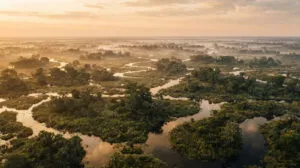
Parnu counts as Estonia's summer capital - broad white-sand beaches, galleries, wooden houses in pastel shades. From there it is 44 kilometres to Soomaa National Park, where you travel chocolate-coloured waters in a haabja - a canoe hollowed out of a single tree trunk. The craft has been protected as heritage since 2021, and only five masters still practise it.
Soomaa also has what Estonians call the fifth season: when the snow melts, the forest floods and the paths vanish under water. Estonian, incidentally, conjugates verbs only in the present and past - there is no separate form for the future, because nobody promises there will be a tomorrow.
Practicalities
The best period is between May and September, when the days stretch on almost endlessly. Tallinn airport is four kilometres from the old town. The roads are excellent, traffic outside the capital is sparse, and the whole route is comfortably covered in six to seven days with a rental car and the occasional ferry.
A detour to Tartu is worth it - European Capital of Culture in 2024, with a university founded in 1632 and around twenty museums - as is Viljandi with its castle ruins. The cuisine is a combination of old recipes, forest produce and Baltic fish.
Estonia is a little over three hours from Spain by plane. From Skopje it is a bit further and a bit more complicated. The question is whether that is reason enough to drive eight hours again to the same overcrowded beach.
The latest 10 news from this category

Of twenty-five new inscriptions, five are natural - and only one is in Europe. For the richest of them, the...
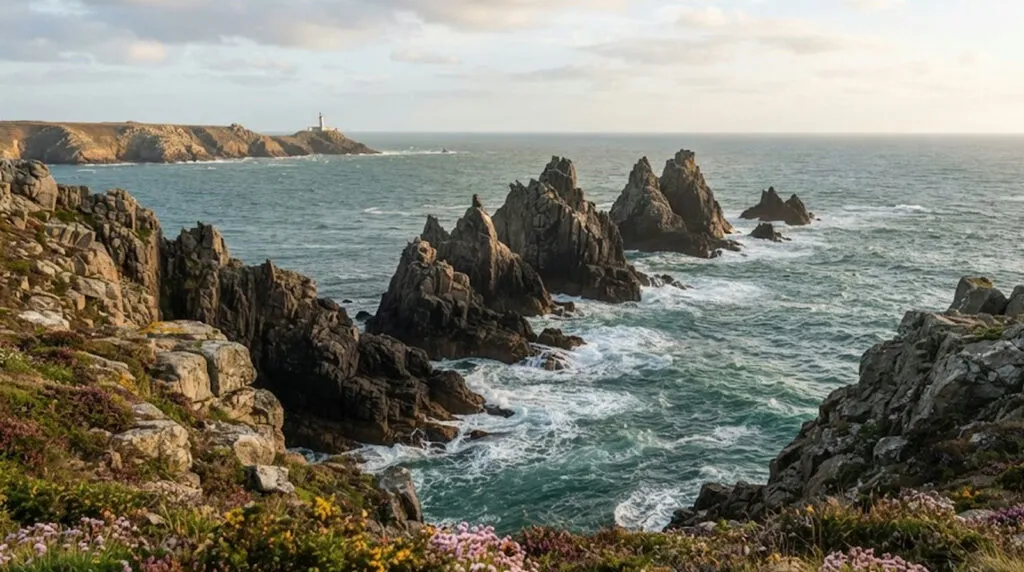
Fifty beaches, more than 120 villages and a trail France voted its favourite. Monet came for a few days and...
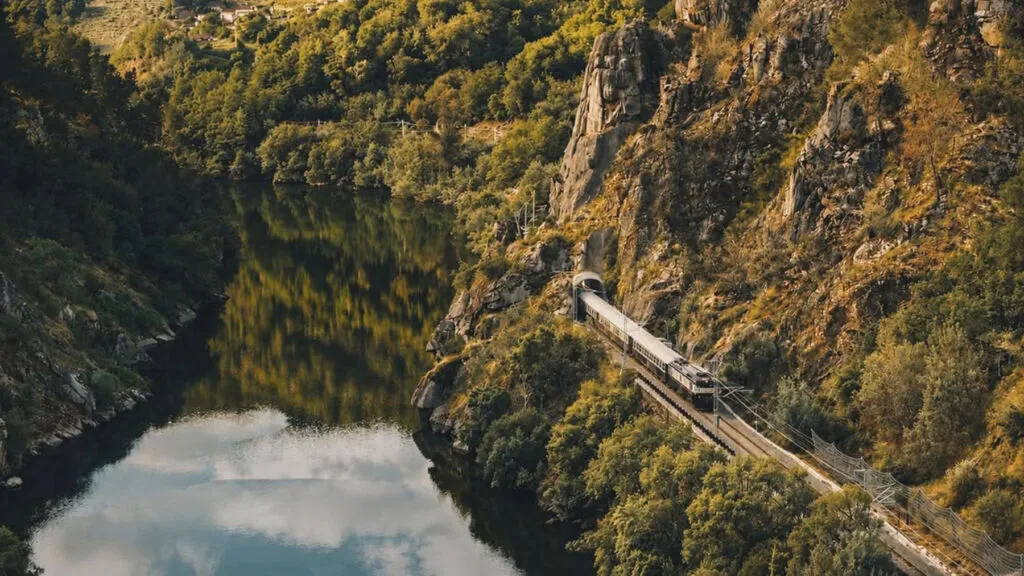
Restored carriages, a locomotive they call the Japanese Woman and a 28.95 euro return ticket. What it sells is not...
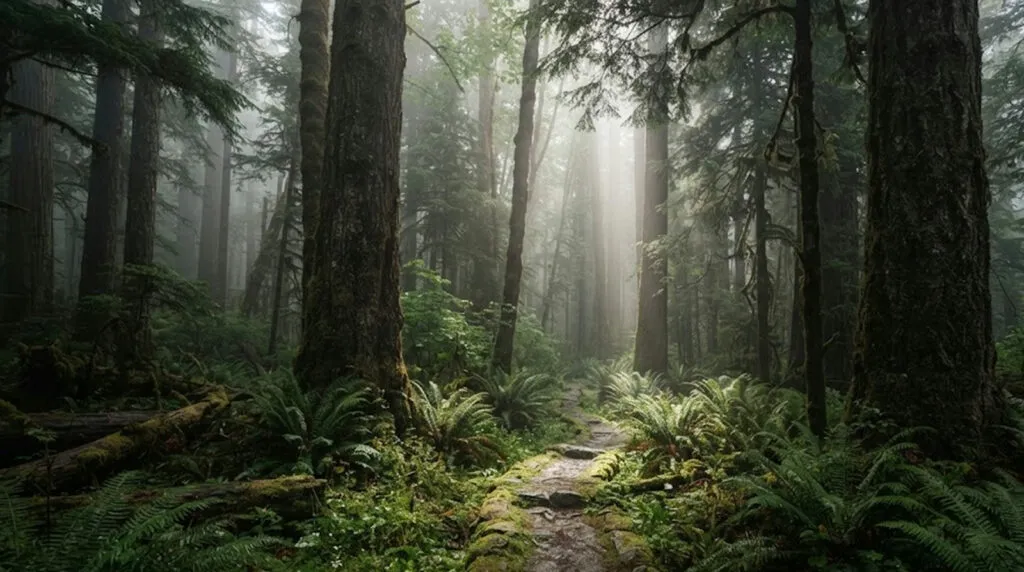
Two hundred and fifty tree species from every corner of the world, a monastery from 1628 and a palace that...
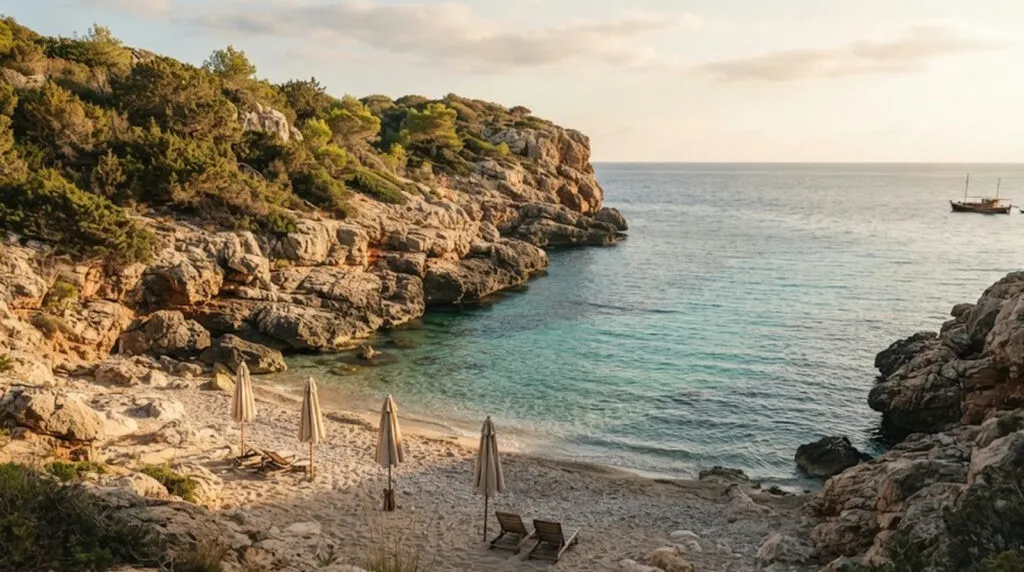
The same places cost more in August, look crowded and are experienced at half strength. The difference is made by...
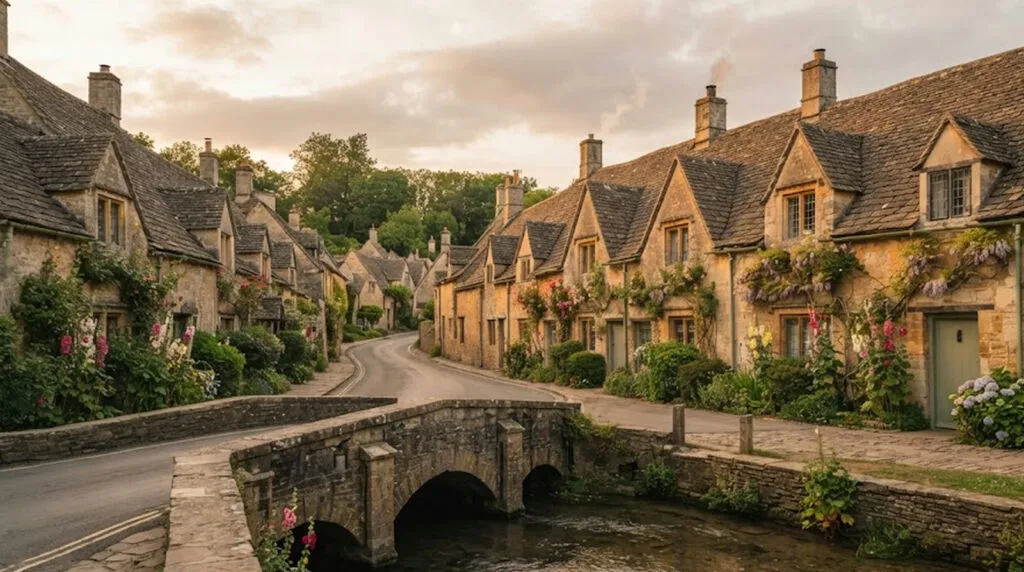
The Beckhams have a place there, so do Kate Moss and Ellen DeGeneres. But the Cotswolds needs none of those...

Down on the coast the buses pass each other with centimetres to spare and all you see is people. Up...
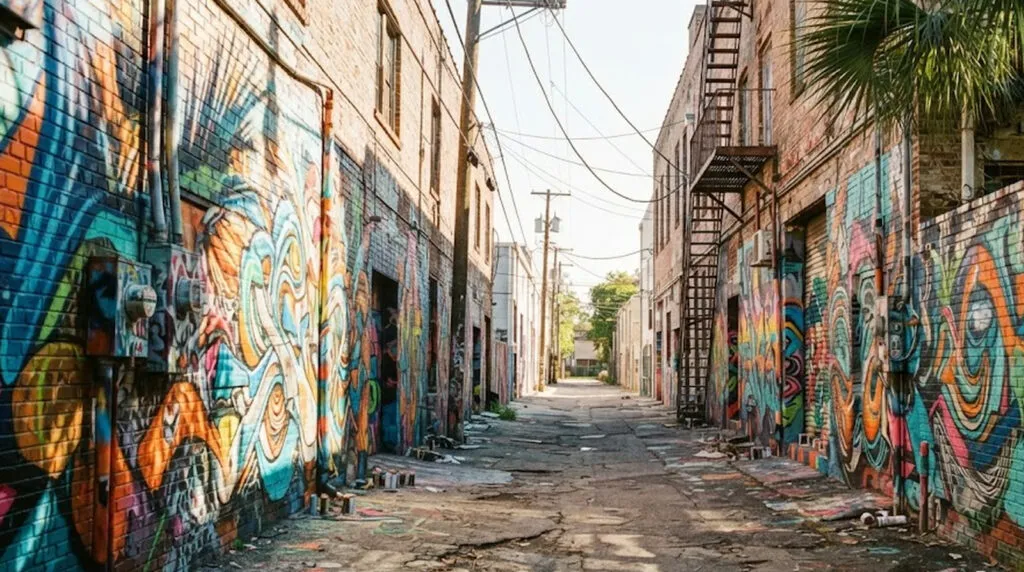
Empty warehouses, low rents and one real estate developer. A model we know without flying to Florida.
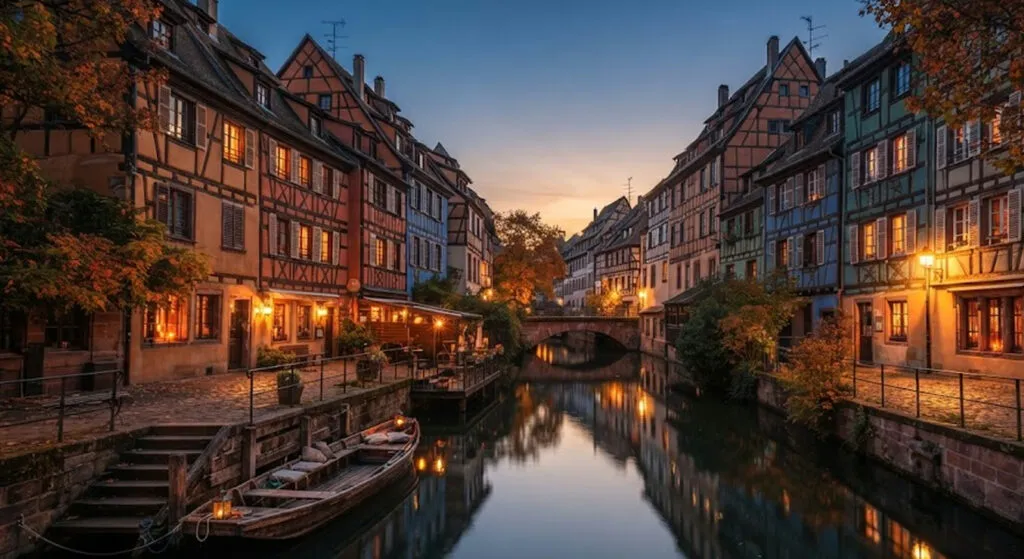
Old tanners' and dyers' workshops, built directly over the river. From 10 to 13 September the town puts boats and...
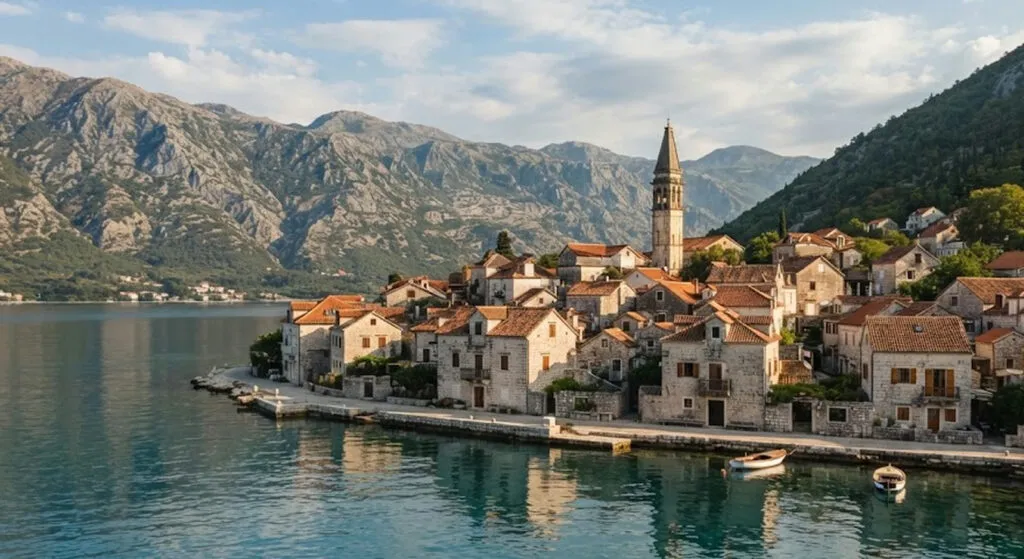
The Albanian Riviera, Montenegro, Sardinia, Lyon and the Algarve. The same weather as August, fewer people, and a bill that...
This site uses cookies - is that okay? Learn more
Be the first to know when Metla launches something new
Leave your email and we will write when there is a new guide or something new on Metla.