

Two Schoolyard Assaults Reported in a Single Day: the Police Promised Measures, the Education System Said Nothing
19.09.2026


19.09.2026

19.09.2026
19.09.2026

19.09.2026

19.09.2026

19.09.2026

19.09.2026

18.09.2026

17.09.2026

19.09.2026

19.09.2026

18.09.2026

19.09.2026

19.09.2026

19.09.2026

19.09.2026

18.09.2026

17.09.2026

19.09.2026

19.09.2026
19.09.2026

19.09.2026

19.09.2026
18.09.2026

09.03.2026

27.02.2026

19.02.2026

19.09.2026

18.09.2026

17.09.2026

23.04.2026

23.04.2026

12.04.2026

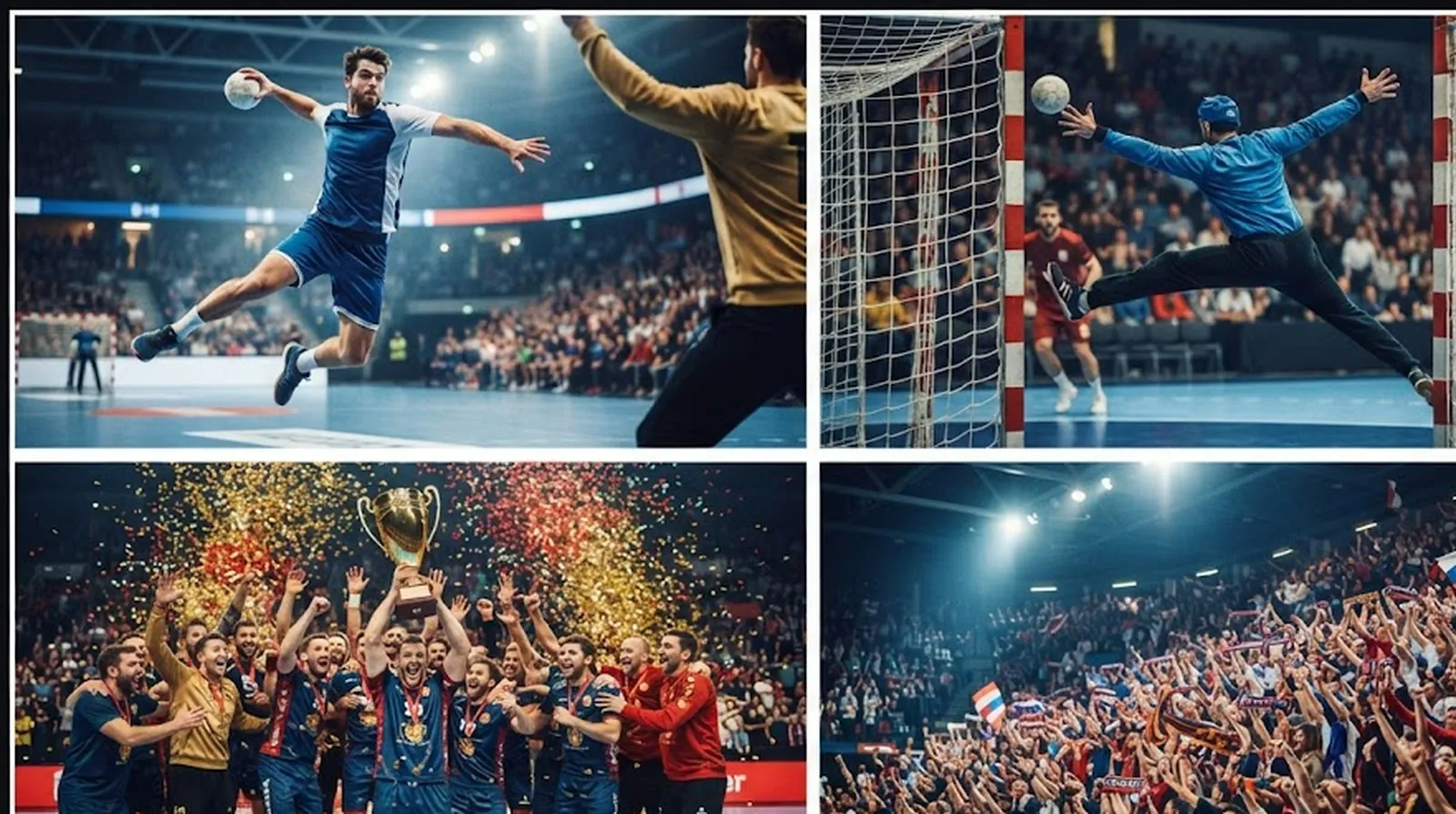
After a three-year absence, Macedonian handball champions Vardar are back among the elite. The „red and blacks“ are in Group B, facing Melsungen, Nantes and Wisła Płock, and the schedule has a symmetry you rarely see - the group stage opens and closes against the Germans. The first match is away at Melsungen on 10 September, the home debut is against Nantes on 16 September, and it all closes in Nantes on 28 October. Vardar beat Melsungen twice in the European League last season, so the opening is not unfamiliar terrain. The target has been stated plainly: the top two places lead to the second phase. Third or fourth means a move to the European League - which is not a disaster, but is not what three years of waiting were for either.
The draw for the EHF European League placed Eurofarm Pelister in Group G, against Gummersbach, Logroño and Wybrzeże Gdańsk. The group stage runs from 29 September to 2 December over six rounds, with the top two from each group advancing to the play-offs - where the third and fourth-placed sides from the Champions League await. Of the eight groups, the region is also represented by Nexe, Izviđač and Sesvete alongside the Bitola side. Pelister meanwhile strengthened with Serbian centre back Aleksa Kolaković, arriving after years in French handball. „It is a pleasure to work with a legend like Lino Červar“, Kolaković said, adding that he believes the team has enough quality to fight for the title. Pre-season statements are cheap; six rounds in Europe are the real test.
The EHF has confirmed the dates for the men's Champions League group stage, and the format is new: 24 teams instead of 16, split into six groups of four. The group stage runs six rounds and ends on 29 October 2026, after which the top two from each group move into the main round from 18 November. It starts on 9 September at 6:45pm, with matches in Veszprém, Aalborg, Zagreb and Kielce; Barcelona defend the title the same evening at 8:45pm against Aarhus. From the region, Partizan return to the elite after a 13-year gap, and Celje play a derby against Zagreb in the very first round. Shorter groups mean fewer matches with nothing at stake - a reform worth having, unless it turns out that all it does is make more clubs pay for the same two places.
Skopje is hosting the Men's 18 EHF Championship I 2026, with eight national teams split into two groups of four. Group A holds Romania, Lithuania, Latvia and Ukraine; Group B holds Greece, the Netherlands, Luxembourg and Estonia. The semi-finals are on the 8th, with the final and third-place match on the 9th - the final starting at 7:30pm central European time. Latvia finished second at the 2024 edition, while the Netherlands reached the semi-finals and came fourth. And here is the detail worth noticing: hosts Macedonia are not playing in Skopje, because our generation is competing at the M18 EHF EURO in Serbia. We are staging a tournament we are not in - good news for the infrastructure and slightly odd news for the stands.
Former international Dejan Pecakovski becomes assistant coach at RK Ilinden, the club that appointed Darko Janev as head coach. Pecakovski brings a career through Pelister, Metalurg, Vardar, Zomimak and Eurofarm Rabotnik - exactly the experience a club assembling a squad lacks. In Bitola, alongside Kolaković, young Croatian right back Diego Basanese has also arrived, a Croatian youth international. News like this does not make headlines and does not fill stands, but it is precisely what shows whether a club is thinking about next season or the next five. Macedonian handball has long had a continuity problem - people who stay longer than one term are rarer than trophies.
The latest 10 news from this category
The first home Champions League match in five years ended 32:33, and instead of a statement the club published poetry....
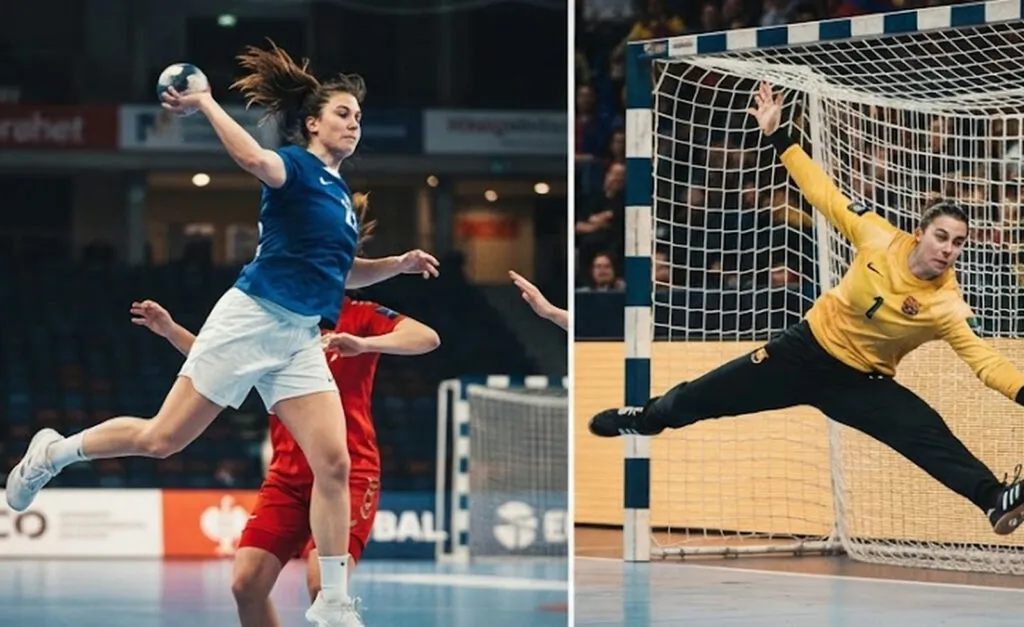
Nantes won 33:32 in Skopje on a last-minute penalty. The Macedonian champions are on zero points, and the crowd came...
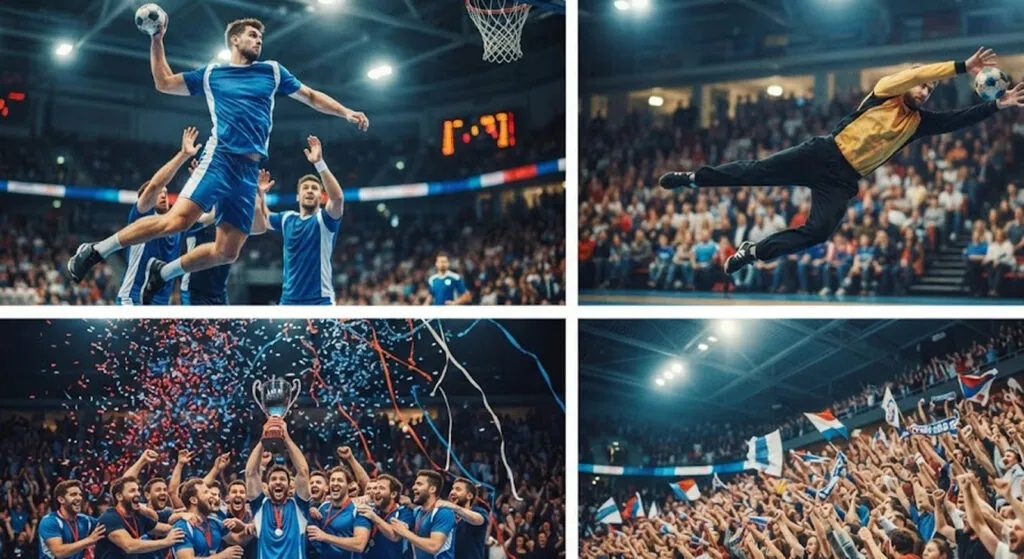
Two Champions League games, two defeats by a single goal. And in the women's national team, 14 of the 20...

Cupic will be without Lazarevski and Bomastar, and Pedro is doubtful - Vardar are after their first points in the...
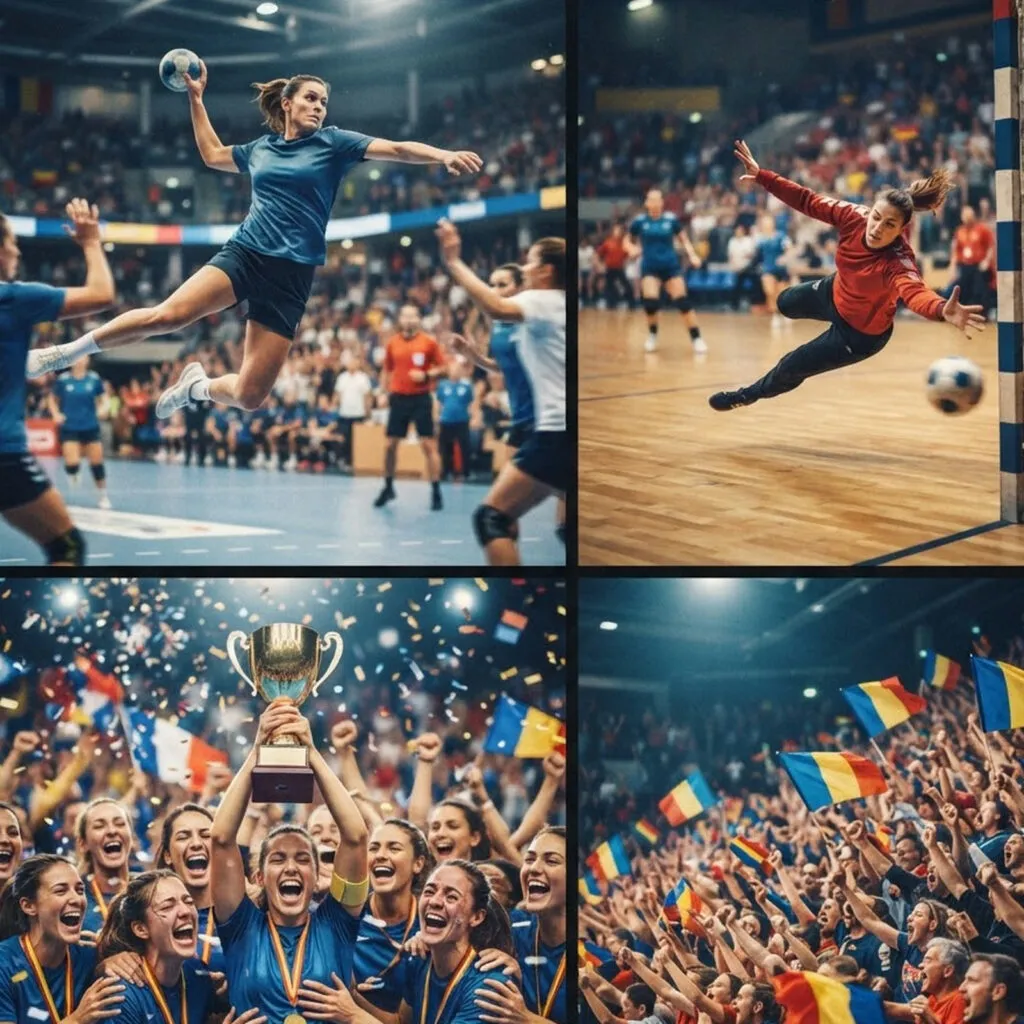
The Macedonian champions opened the new Champions League campaign with a defeat that says more than some wins do. At...
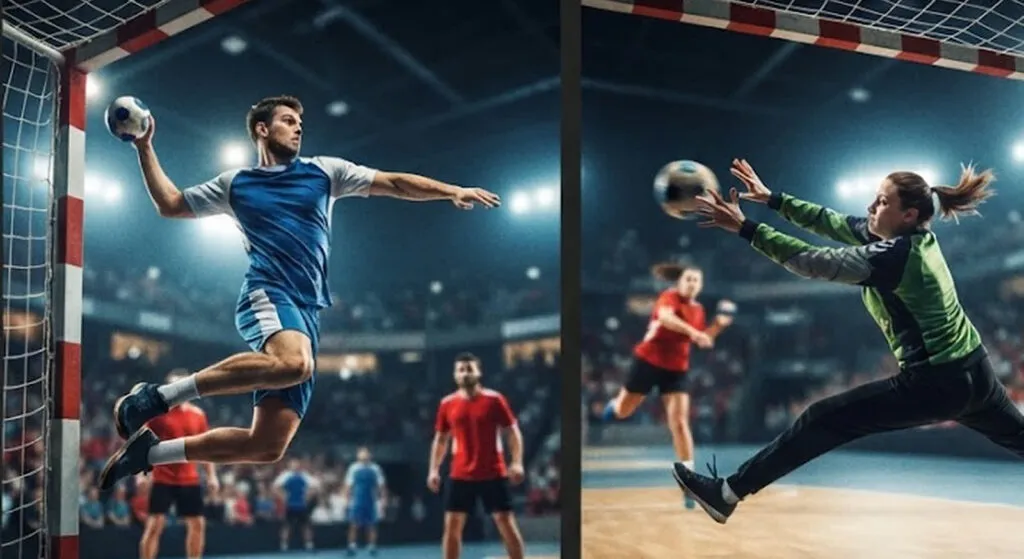
Vukasin Vorkapic scored nine goals, Gogov shut the goal down and the deficit melted to one. Nantes come to Skopje...
Vardar returned to the elite after five years and lost by just two goals at the winner of a European...
Fuchse Berlin put 44 goals past Partizan for the biggest win in their Champions League history, Ivanoski is MVP in...

The two-time European champion is back in the elite and closed to within a single goal late on. Ivanoski is...
The red-and-blacks play in Kassel tonight, their first time in the elite since 2021, carrying a suspension over from last...
This site uses cookies - is that okay? Learn more
Be the first to know when Metla launches something new
Leave your email and we will write when there is a new guide or something new on Metla.
