

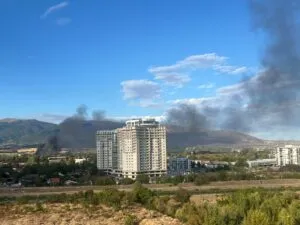
Black Smoke Over Skopje: A Paint and Varnish Warehouse Burned Inside the Old Steelworks
23.09.2026


23.09.2026
23.09.2026
23.09.2026

23.09.2026
23.09.2026
23.09.2026
23.09.2026
22.09.2026
21.09.2026

23.09.2026

23.09.2026

22.09.2026
23.09.2026

23.09.2026
23.09.2026

23.09.2026
22.09.2026

21.09.2026
23.09.2026

23.09.2026
23.09.2026

23.09.2026

23.09.2026

23.09.2026

09.03.2026

27.02.2026

19.02.2026
23.09.2026
22.09.2026
21.09.2026

23.04.2026

23.04.2026

12.04.2026

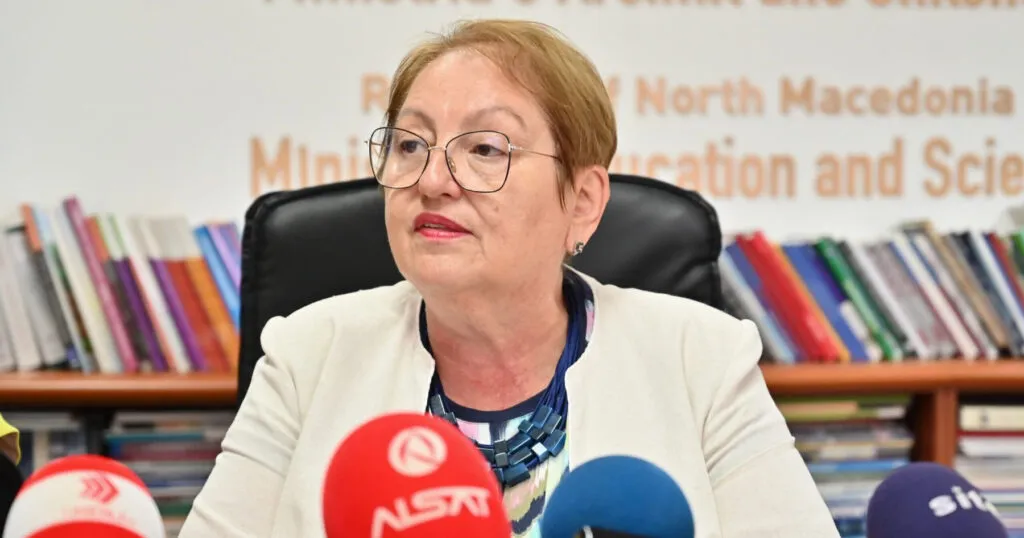
A month and a half ago, according to the data entered in the electronic register, around 4,900 first-graders were missing. Today, according to Education and Science Minister Vesna Janevska, the shortfall is around 1,500.
The difference between the two figures is 3,400 children. What happened to them?
Nothing. The schools did not enter them into the electronic register on time, even though they are obliged to.
"Fortunately, the number has dropped drastically"
The minister's phrasing reveals the problem with the entire approach. Nothing dropped - the data simply became more accurate. One and the same reality was reported twice, with a 3,400-child difference, and in that interval a public debate about demographic collapse was built on top of that number.
Janevska explains that experience from previous years shows some first-graders enrol towards the end of August and during September. "They enrol right up to the end of September, which is a bad habit, but we will try to fix that too," she said.
She also pointed out that around 800 fewer children were born in 2020 than the year before, which should be factored into the comparison.
"It is not good that the number is down, but it is not as large as it looked a month and a half ago," the minister said.
Emigration: "there is an impression"
The most interesting part of her appearance on 4TV's "Night Studio" was not the first-graders but emigration.
"There is an impression, although we will see the statistical data at the end of the year, that this wave has decreased somewhat," Janevska said, noting that this month there had been cases of pupils moving into the country.
An impression. Although we will see the statistical data at the end of the year.
An education minister offers a public assessment of the largest demographic process in the country, and admits herself she has no data underpinning that assessment. If even the first-grader figure - directly measurable and sitting in the ministry's own electronic register - was off by 3,400 children, an impression about emigration is hardly a firmer foundation.
Who is to blame for the demographics
Asked about demographic trends, the minister offered a list of causes: a changed way of life, personal ambitions, the wish for an easier and more comfortable life, changed roles within the family. She also mentioned avoiding responsibility.
"We cannot interfere in people's personal decisions, but the fact is our demographics are bad. If we had a higher number of births, we would not be facing empty classrooms and the need for optimisation in education," Janevska said.
The same minister told first-graders at the start of the school year to ask not only for knowledge but also for "a little brother or sister".
Economic conditions and employment, in her view, matter, but are not the only factors.
An empty classroom does not fill up on an appeal
The point is not that the minister is wrong about the demographics - the birth rate really is falling, and it really is emptying classrooms. The point is who gets named as the one holding the solution.
In the entire list of causes she gave, not a single institution appears. The causes are personal decisions, lifestyle, ambitions and dodging responsibility. In other words - parents.
The Education Ministry does not influence the birth rate. But it does influence whether the data in its own electronic register is accurate, and that data was off by 3,400 children. And it influences whether a family thinking about staying sees a school worth enrolling their child in.
The real emigration statistics arrive at the end of the year. Until then we have an impression.
The latest 10 news from this category
The union says staff have endured insults and threats from the court president for years. She says this is really...
The state audit found a system that responds well and plans badly. The reforms were demanded by the EU screening...
To fine a bar that is too loud, a citizen has to file a complaint at the municipal Registry. The...
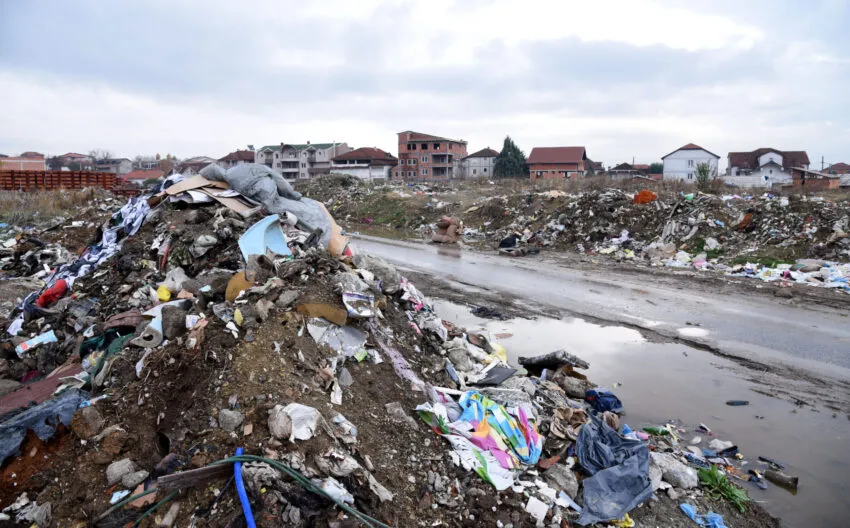
In Montenegro the same offence costs up to 2,000 euros. But the fine is not the only problem: Skopje's municipal...
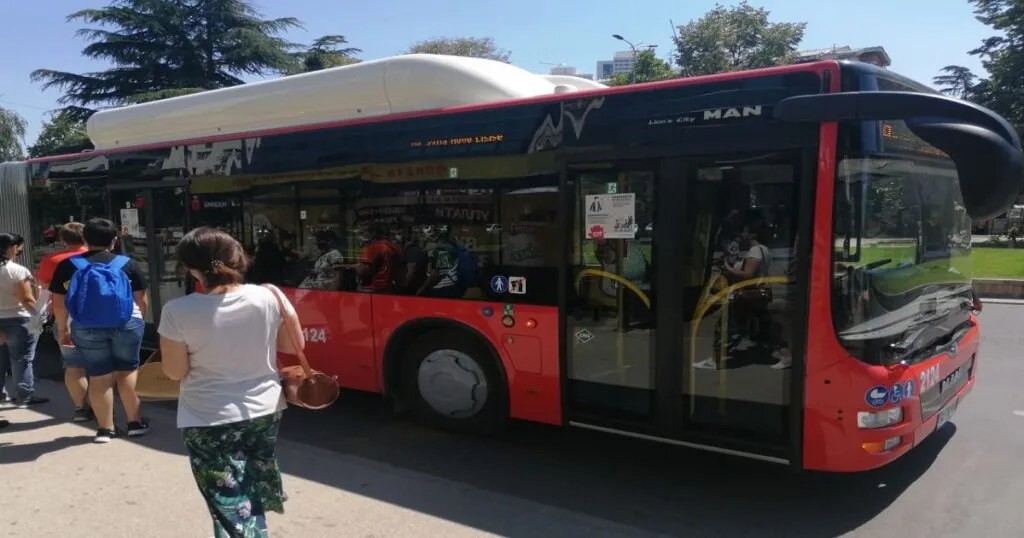
The solution did not come out of a transport study, but out of residents' suggestions. What remains is the most...
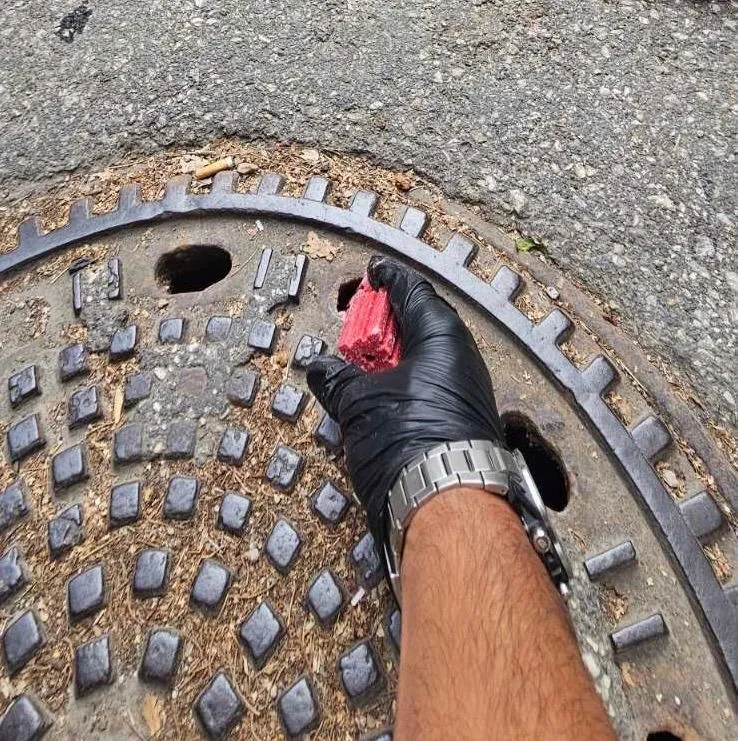
Bunjakovec, Kapištec and Gradski zid are getting poison again. An overflowing bin is food, unsealed sewerage is shelter - and...
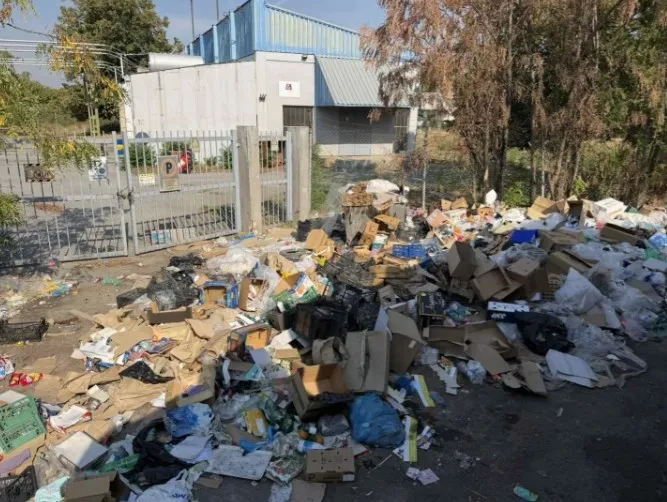
Every cubic metre from the illegal dumps is a bill sent to everyone. What the statement leaves out is the...

This year's European Mobility Week theme is intergenerational fairness - the decisions made about a city are paid for by...
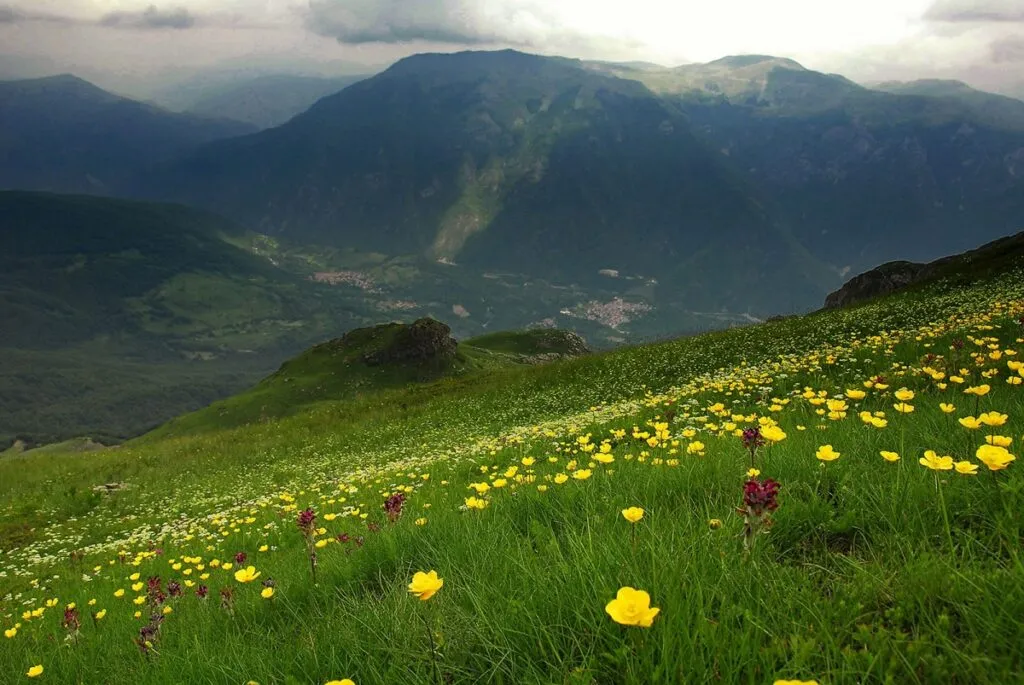
The country's largest national park is run on boundaries from 1952 and zoning from 1988. Pelister and Galichica got new...
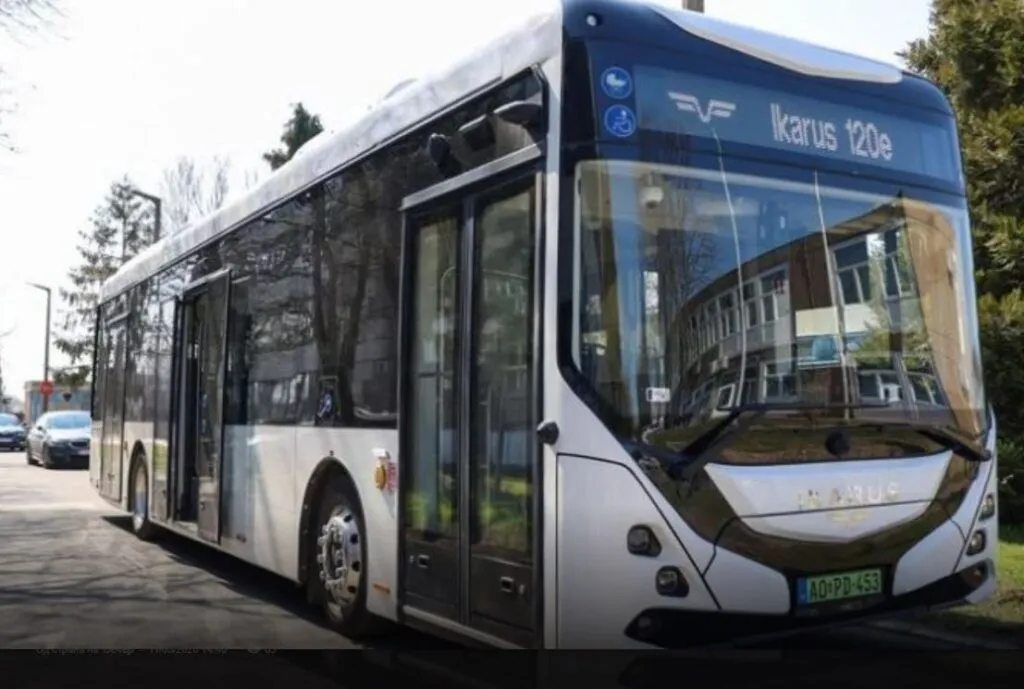
The tender collapsed in May, was repeated in July, and Ikarus and EVN came in lowest at 3.12 billion denars....
This site uses cookies - is that okay? Learn more
Be the first to know when Metla launches something new
Leave your email and we will write when there is a new guide or something new on Metla.
