


Someone Threw Flammable Liquid at a Shop in Central Skopje - and 17 Hours Passed Before Anyone Reported It
30.08.2026


30.08.2026

30.08.2026

30.08.2026

30.08.2026
30.08.2026

30.08.2026

30.08.2026

29.08.2026

28.08.2026

30.08.2026

30.08.2026

29.08.2026

30.08.2026

30.08.2026

30.08.2026

30.08.2026

29.08.2026

28.08.2026

30.08.2026

30.08.2026

30.08.2026

30.08.2026

30.08.2026

29.08.2026

09.03.2026

27.02.2026

19.02.2026

29.08.2026

28.08.2026

27.08.2026

23.04.2026

23.04.2026

12.04.2026
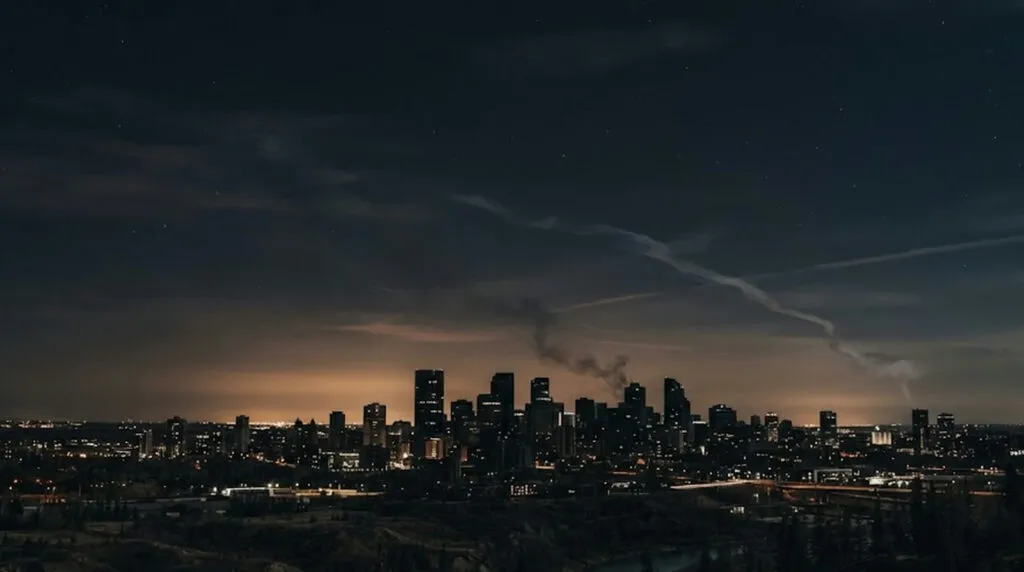
267 drones and two missiles. In one night. That is not a figure from a military report - it is a figure saying Russia is no longer trying to convince anyone it targets only military facilities.
The Ukrainian air force reported that from 18:00 on 28 August, Moscow used an Oniks anti-ship missile, an Iskander-M ballistic missile and 267 unmanned aerial vehicles of various types - Shahed, including the jet-powered versions, Gerbera, S8000 Banderol and Parodiya decoy drones. By 08:30 in the morning, air defences had shot down or electronically neutralised 233 drones. There were still impacts at 15 locations, and debris from those shot down fell on four more. And the most important detail: at the moment they published the report, the attack was still going on.
When 87 percent success is not enough
Do the maths. 233 out of 267 means Ukrainian air defence caught almost nine in ten. In any other context that would be a fantastic result. Here it means 34 drones got through - and that the ones getting through are enough. This is the arithmetic of attrition: you do not have to break through them all, it is enough to keep them awake every night.
That is why Russia changed its tactics too. Instead of one huge nocturnal wave, the aircraft arrive in smaller groups, but for hours. The Ukrainian centre for countering disinformation warns that this is exactly what forces air defence to stay continuously active, exhausts the crews and keeps the population under a permanent air alert. Instead of one strike - a constant wait for a strike.
The fire at Myla that will not go out
The hardest scene is not in Kyiv but in the village of Myla in the Bucha district, right beside the Kyiv-Chop motorway. At around 20:10 on 28 August a Russian drone hit or fell on the grounds of a business. A huge fire broke out with powerful secondary detonations - the kind that last for hours. The fire was still not out the following morning, and thick black smoke rose over the outskirts of Kyiv.
Russian military sources claim a large ammunition depot of the Ukrainian army was hit, citing precisely the prolonged explosions as evidence. Ukrainian authorities did not officially call it a military depot. But the Prosecutor General's Office confirmed that a mass detonation followed the strike, and the investigation is also to determine whether storing explosive material on the site of the business was lawful in the first place.
That is the sentence worth reading twice. An investigation into the lawfulness of the storage - meaning they are not sure themselves what was there and on whose authorisation.
When the prime minister accuses his own
Ukrainian Prime Minister Serhiy Koretskyi went further still and spoke openly about the responsibility of Ukrainian officials. "We can already state that the terrible tragedy in Vyshneve did not serve as a lesson," he said, calling the repetition of the same mistakes in the fifth year of the war "criminal negligence".
The head of the Kyiv Regional Military Administration Timur Tkachenko confirmed there are fatalities, but the final number has not yet been announced - rescue teams continue working at the site. At least five injured had been confirmed earlier. At least 165 people were evacuated from the site, and some Ukrainian sources say over 200 residents were moved to safety from the wider area, among them children. One private house was completely destroyed, at least seven damaged, and a fire engine and a care home for the elderly were also hit.
A section of the M-06 Kyiv-Chop motorway was closed between the 15th and 32nd kilometre, with restrictions also on the exit from the capital towards Zhytomyr. Traffic is released only intermittently, when the security situation allows.
Level 4: do not travel
The State Department keeps Ukraine under the highest general travel advisory - Level 4, "Do Not Travel". American citizens are advised to have a contingency plan ready that does not depend on help from their government, to follow air raid alerts and to be prepared to leave the country quickly. Washington warns that missile and drone attacks also hit regions far from the front.
This is not a new decision - Ukraine has been at level four for a long time, and some western regions are at level three, "Reconsider Travel". But the combination of those two sentences says everything: the country is divided into areas you officially must not go to and areas you should merely think hard about.
The fifth year of the war, and the number of drones per night is rising rather than falling. Every summit, every conversation, every "peace initiative" we read in the headlines - while all that goes on, air defence around Kyiv counts its ninetieth percent of success and hopes tomorrow will not be eighty-nine.
The latest 10 news from this category
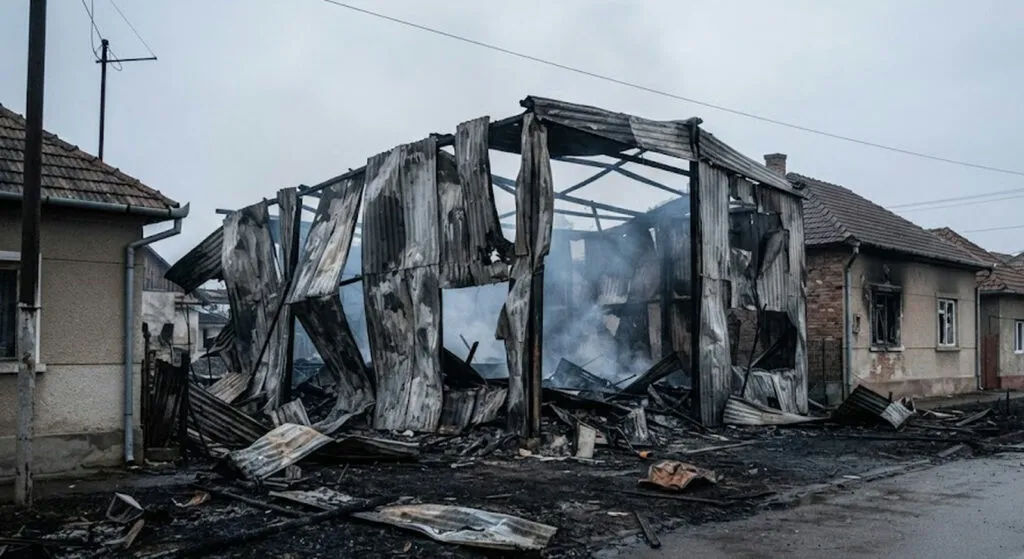
Two months ago the same mistake cost eight lives, followed by dismissals and promises of severe punishment. Now the number...

Analysts claim that Putin, squeezed by the economy and a shortage of soldiers, is weighing an attack on a NATO...

Not a reservist, not a guard, not a man from the margins - a man who commanded a special unit...

If a deal stops the shooting but leaves every cause untouched, that is not the end of a war but...
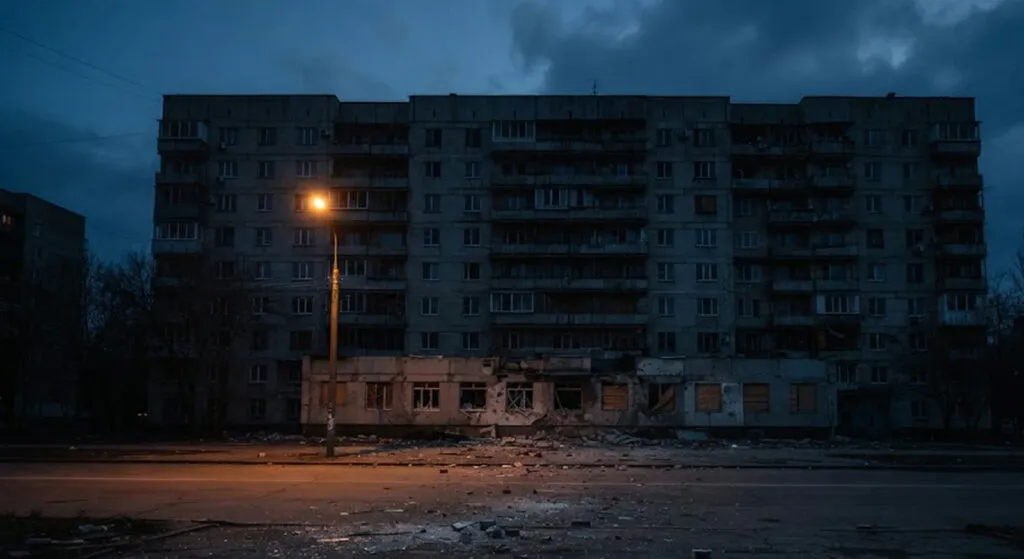
A dozen explosions in waves over Kyiv, ballistic missiles on four more cities, and all of it was set out...
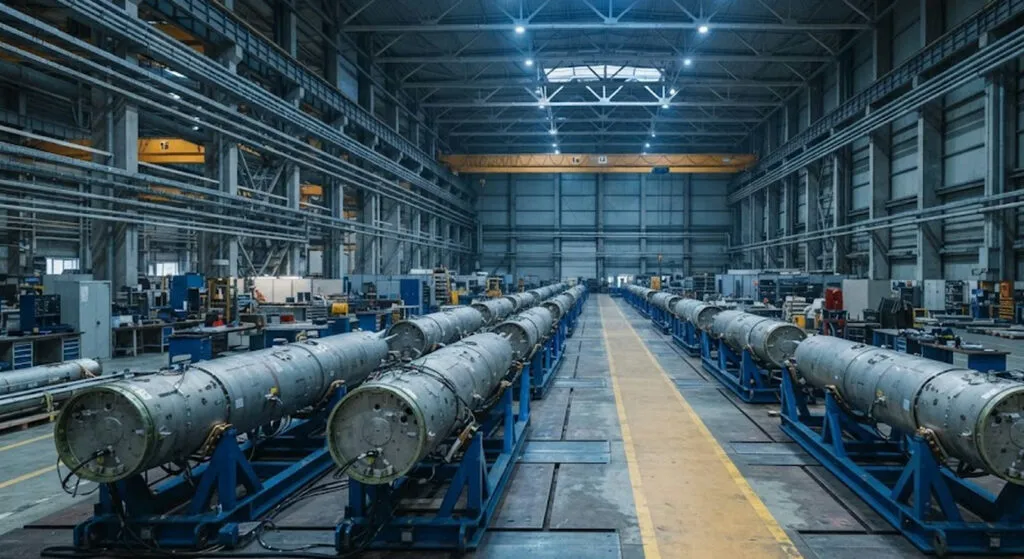
First they would not give missiles, then they gave them with rules on where they could be fired, now they...
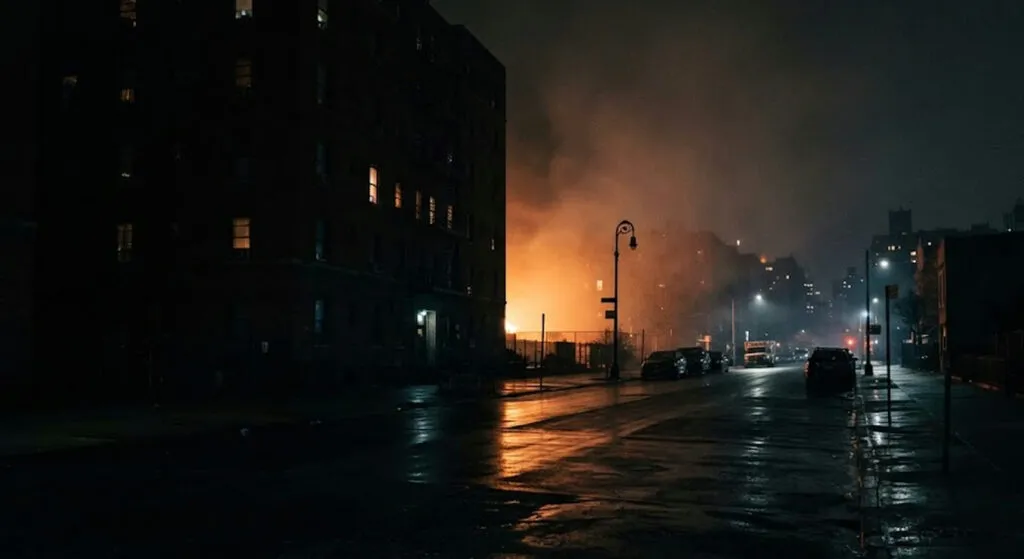
Dnipropetrovsk, Kharkiv, Chernihiv and Zaporizhzhia spent the night under drones and missiles. A shopping centre car park and residential blocks...
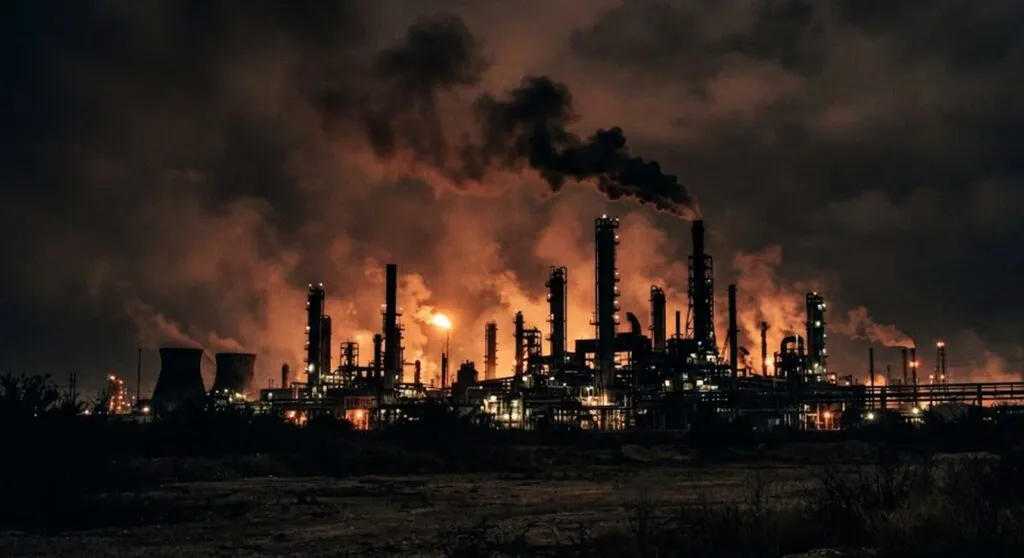
A plant that processes 6.25 million tonnes of oil a year. The war stopped being a line on a map...
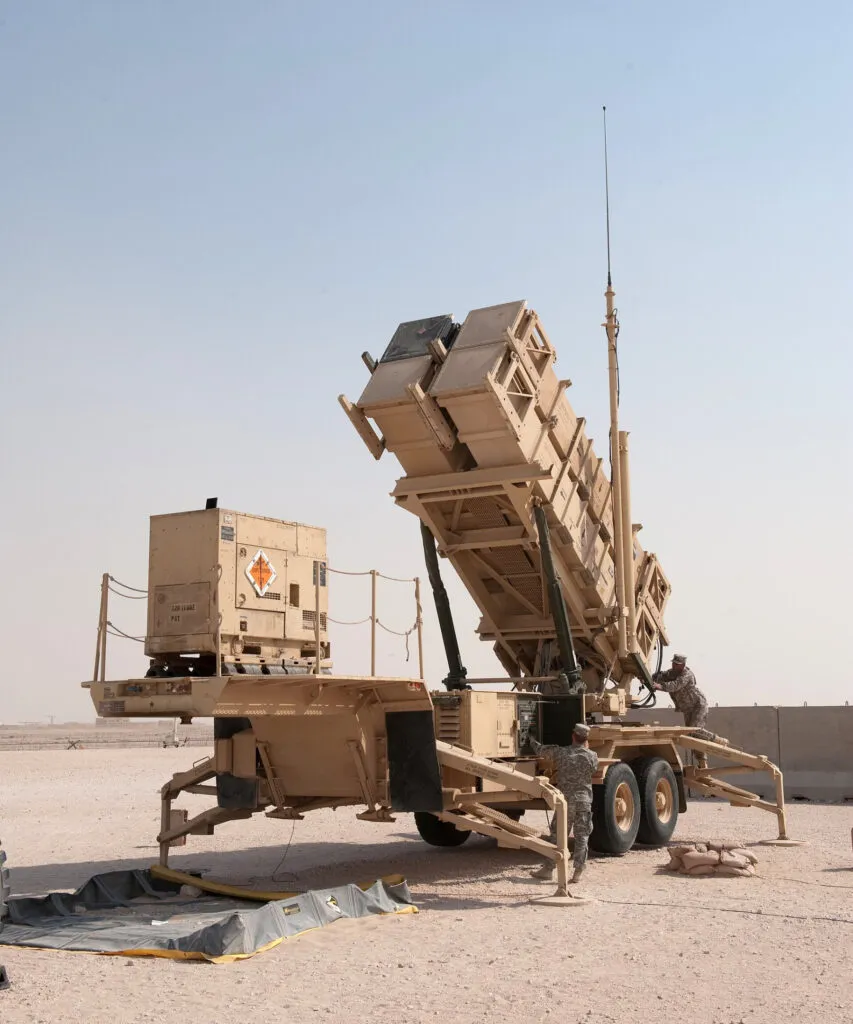
Bezmer in Bulgaria. Akrotiri in Cyprus. Missiles with a range over 2,000 kilometres. This is no longer a distant conflict...

Samara, Orenburg, Krasnodar, Adygea, Stavropol. Hundreds of evacuated workers who never decided anything about any front.
This site uses cookies - is that okay? Learn more
Be the first to know when Metla launches something new
Leave your email and we will write when there is a new guide or something new on Metla.
