

They Rode In on Scooters, Torched the Shops and Left: The Fire in Shuto Orizari Burned for Three Hours, Setting It Took Fifty Seconds
13.09.2026


13.09.2026

13.09.2026

13.09.2026

13.09.2026

13.09.2026

13.09.2026
13.09.2026

12.09.2026

11.09.2026

13.09.2026

13.09.2026

12.09.2026

13.09.2026

13.09.2026

13.09.2026
13.09.2026

12.09.2026

11.09.2026

13.09.2026

13.09.2026

13.09.2026

13.09.2026

13.09.2026

12.09.2026

09.03.2026

27.02.2026

19.02.2026

13.09.2026

12.09.2026

11.09.2026

23.04.2026

23.04.2026

12.04.2026

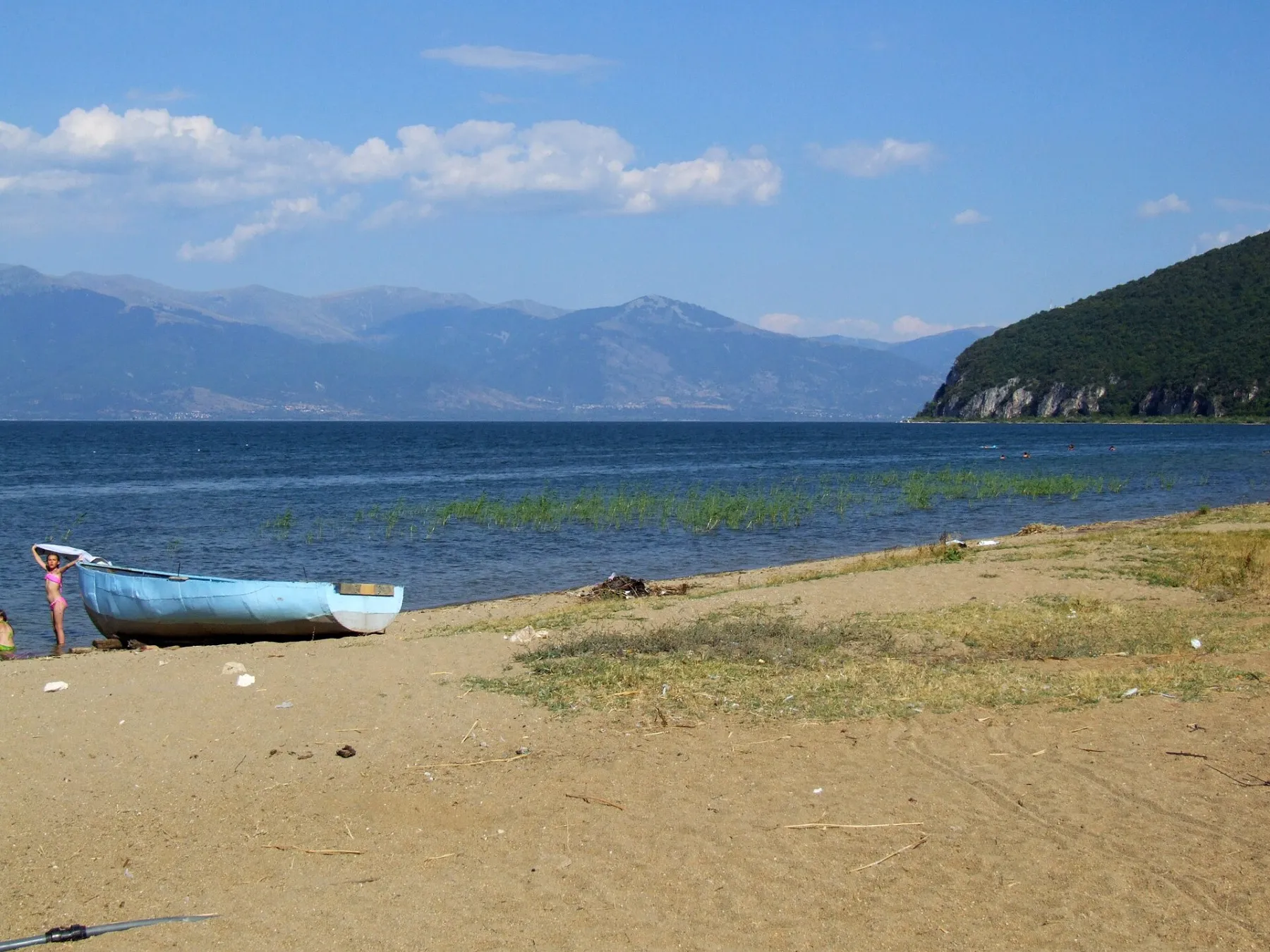
There's at least one good summer for one of our lakes. According to the latest assessment by the Institute of Public Health, Lake Prespa is relatively stable this season - the water at most measuring points meets the legal quality standards. In short: for now, Prespa remains safe for swimming.
But „for now” is a phrase that hides a whole story. At the same time the Institute reminds us of the problems that don't go away: wastewater in the Prespa region still ends up in septic pits instead of a proper system, and a large number of holiday homes have no arranged drainage at all. The lake breathes - but it breathes under conditions no one would call healthy in the long run.
The recommendations are clear and, sadly, familiar from before: an urgent improvement in the collection and treatment of wastewater, and better management of solid waste in residential and tourist areas. In other words, infrastructure that should have been finished years ago, not recommended every summer all over again.
The picture darkens when Prespa is compared with its neighbors. Lake Ohrid is in seriously worse shape - fecal waters and faulty sewage, with many hotels and houses not connected to the collector. Lake Dojran, for its part, is fighting pesticides and artificial fertilizers from agriculture, to the point that a joint Macedonian-Greek action is being called for.
So we have three lakes and three different ways in which the same disease slowly threatens them - unfinished infrastructure. Prespa got through this time. But the Institute's own conclusion leaves no room for complacency: without fully implemented collector systems and without connecting every building to the sewage network, „safe for swimming” is a status borrowed year after year, not guaranteed.
The latest 10 news from this category
Ivanovska recalls why Vodno was forested in the first place. Gerasimovski says the court annulled the old plan and a...

Three Bulgarian ministries, MPs from different parties and flags inside the medical centre. MAEI asks why a check-up in a...

Flowers were laid in Bitola for Stefan Naumov and Dimitar Bogoevski. Behind the anniversary stand two biographies that ended at...

Eighty children do not simply appear out of nowhere. The question no ceremony answers is whether there are enough instruments...
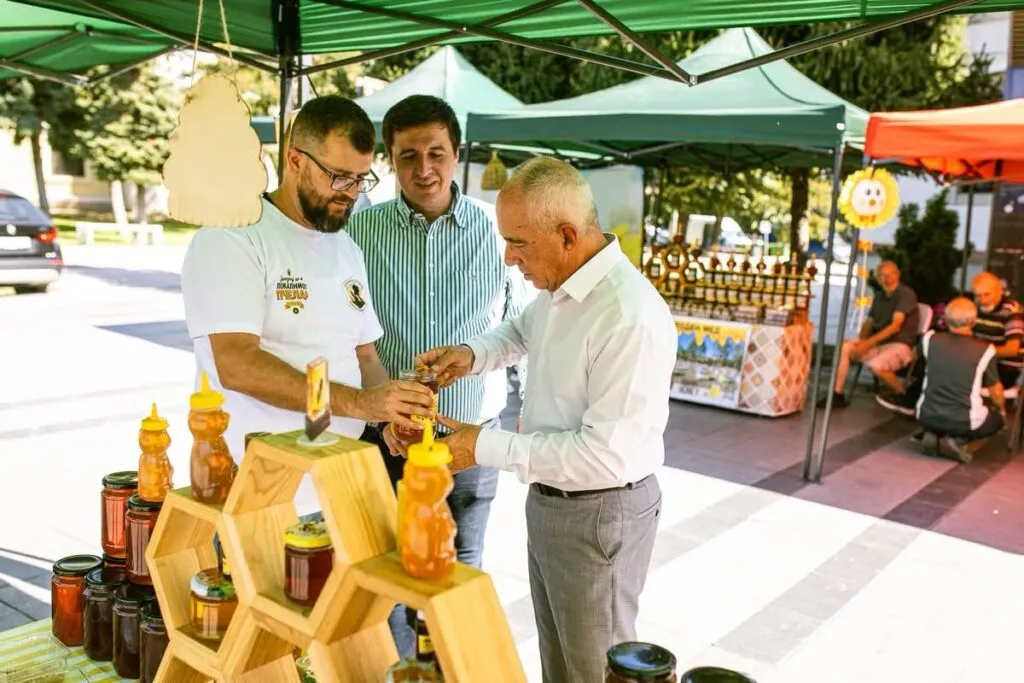
When you buy honey from the man who tells you which village it came from, you bypass the entire trade...
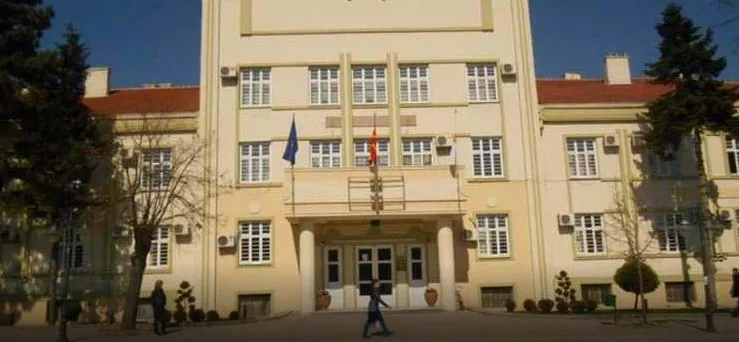
Any citizen can submit a nomination. That is exactly where these competitions either come alive or become an internal affair...
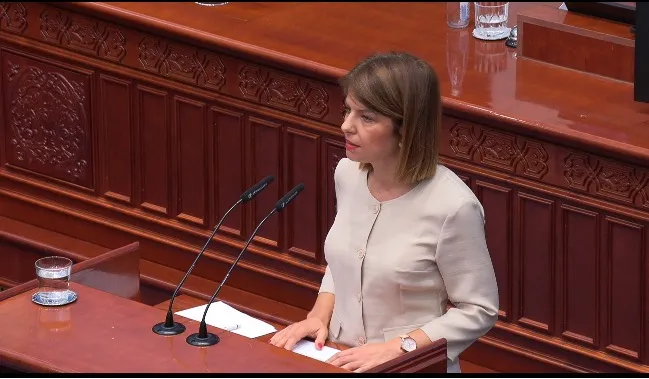
The minister answered that pupils are not a risk group because the youngest patient was 25. The MP had asked...
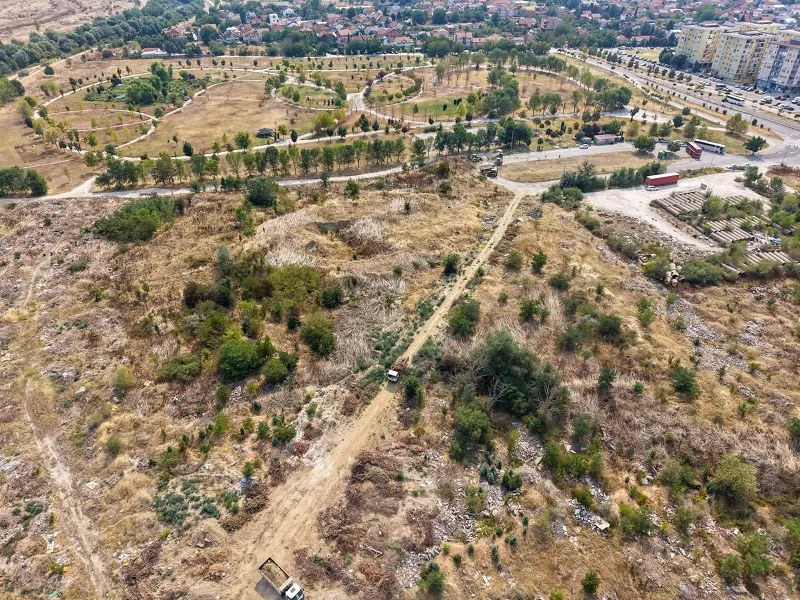
For five years after the promise, the dump stayed a dump. The two neighbouring parks tell the story that comes...
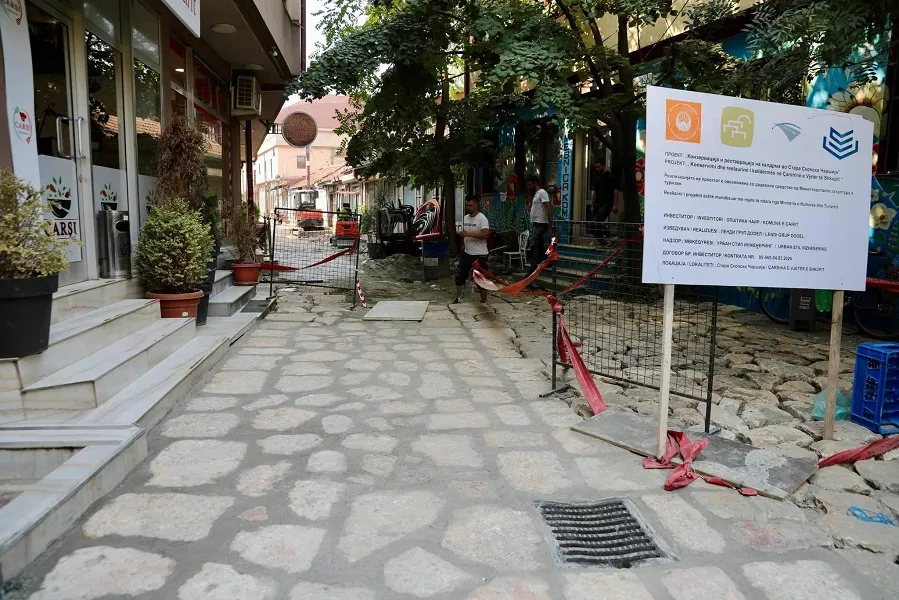
The most visited historic space in Skopje waited fifty years for someone to replace the pipe under the cobblestones. The...

There is a route, there is a presentation and there is agreement that the road is needed. There is no...
This site uses cookies - is that okay? Learn more
Be the first to know when Metla launches something new
Leave your email and we will write when there is a new guide or something new on Metla.
