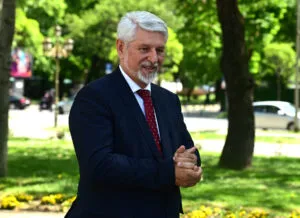
A New Criminal Complaint Against Jakimovski: A Building Permit Based on a Plan Struck Down Back in 2018
16.09.2026


16.09.2026
16.09.2026

16.09.2026
16.09.2026
16.09.2026

16.09.2026
16.09.2026

15.09.2026

14.09.2026
16.09.2026
16.09.2026

15.09.2026

16.09.2026

15.09.2026

14.09.2026

16.09.2026
16.09.2026

16.09.2026

16.09.2026

15.09.2026
15.09.2026

09.03.2026

27.02.2026

19.02.2026
16.09.2026

15.09.2026
14.09.2026

23.04.2026

23.04.2026

12.04.2026

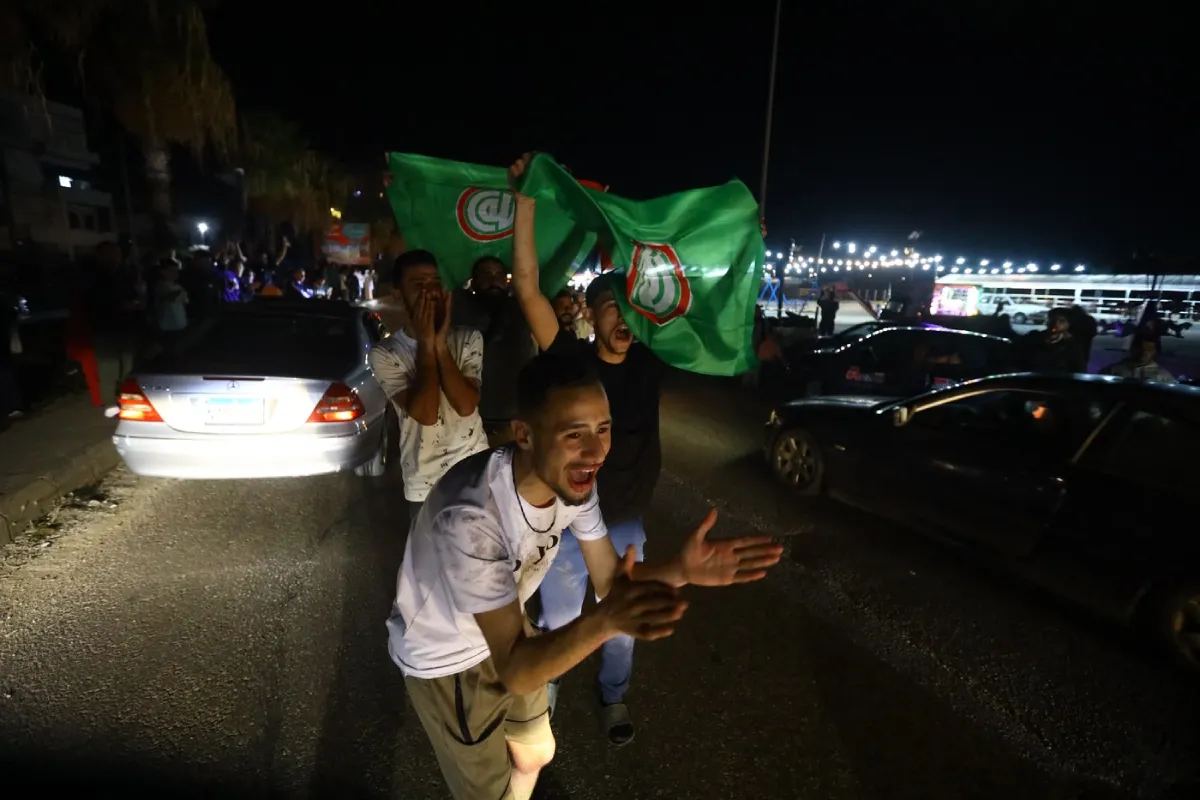
After ten days of bombardment, finally a ceasefire. Israel and Lebanon accepted a ten-day ceasefire that took effect at midnight local time. On the streets of Lebanon - celebration. Trump called it a "historic day." Oil prices immediately dropped.
But Trump didn't stop at the ceasefire. He claims Iran agreed to hand over enriched uranium and halt nuclear weapons development. "The end of the war is near," he declared. Is it really - or is this another of his victory announcements before the match is over?
The Pope, Trump and the tyrants
Simultaneously, the clash between Trump and Pope Leo continued to escalate. After Trump's attacks, the Pope issued a statement about "the destruction of the world caused by tyrants who spend billions on wars." He didn't name him - he didn't need to.
Macron gave "full support" to the ceasefire but warned it could be disrupted. UN Secretary-General Guterres welcomed it and thanked Washington for mediation. Pakistan's prime minister praised Trump's "wise diplomatic efforts."
Iran, on the other hand, threatens to sink American vessels in Hormuz. The head of the International Energy Agency warned that Europe has only six weeks of jet fuel reserves.
A ten-day ceasefire is not peace - it's a pause. The question isn't whether the shooting will resume, but when. And while the world celebrates "historic days," the reality is that none of the underlying causes of the conflict have been resolved. In the Balkans, we have long experience with ceasefires that last exactly as long as they suit someone.
The latest 10 news from this category

Sanctions imposed over one war are being offered as currency in an entirely different dispute. Most member states are against...
El Nino in the Pacific shifts the currents that decide where snow falls. An area that usually gets a metre...
The easiest way to dismiss an uncomfortable argument is to point at who is making it. But that does not...
The appeals court ruled the entire trial must start over. The son of Norway's queen is waiting for it on...
Trump scaled back the military exercises to ease the tension, and Wonsan answered in the form of projectiles. What does...
The sanctions list got a seven-day extension instead of one measured in months, a move diplomats themselves call unprecedented. Two...
Switzerland offered a table for talks on Ukraine, Moscow replied that the table stopped being neutral once Bern adopted EU...
The will says one thing, a committee of twenty-one men decided another. The queen mother says the army pulled the...
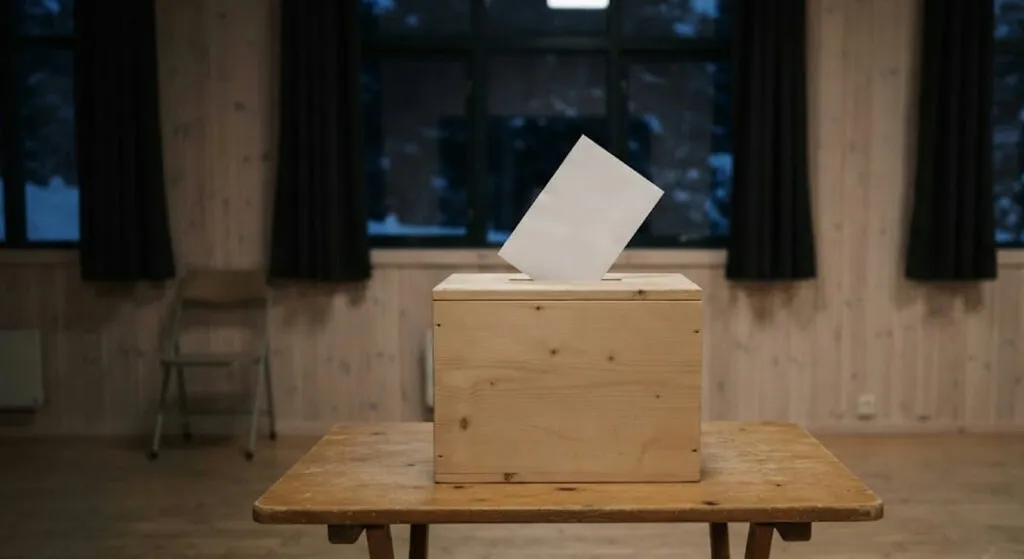
A country that was Europe's byword for stability for decades now has a parliament split into two blocs by a...
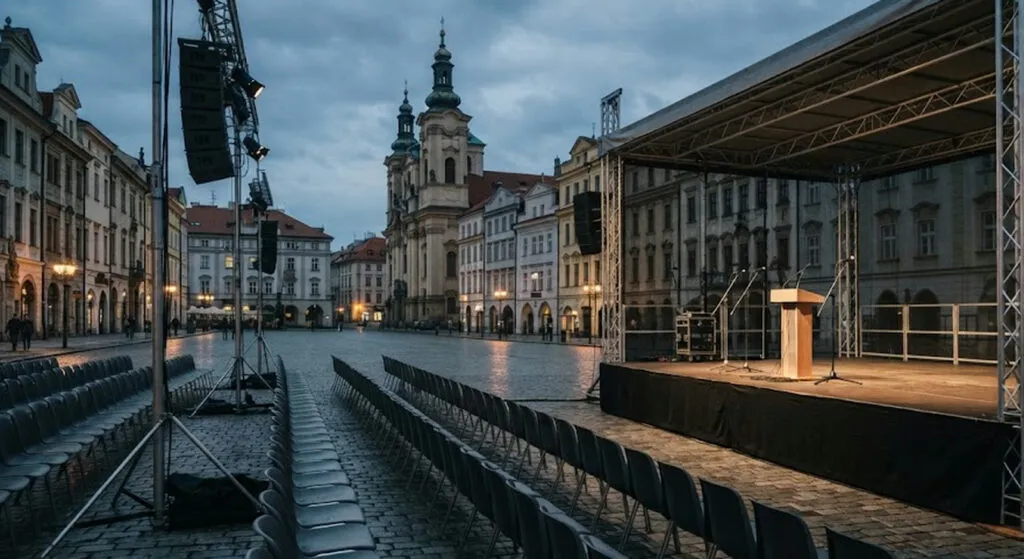
Sixteen years in power, defeat at a regular election, five months of quiet - and now the election result is...
This site uses cookies - is that okay? Learn more
Be the first to know when Metla launches something new
Leave your email and we will write when there is a new guide or something new on Metla.