

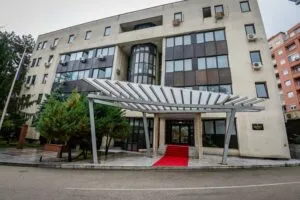
Six Police Officers Suspended over the Beating near Saraj: The Interior Ministry Admits Irregularities, the Union Tells a Completely Different Story
12.10.2026


12.10.2026

12.10.2026

12.10.2026

12.10.2026

12.10.2026
12.10.2026

12.10.2026

12.10.2026

11.10.2026

12.10.2026

12.10.2026

11.10.2026

12.10.2026

12.10.2026

12.10.2026

12.10.2026

11.10.2026

10.10.2026

12.10.2026

12.10.2026

12.10.2026

12.10.2026

12.10.2026

12.10.2026

12.10.2026

11.10.2026

11.10.2026
12.10.2026

10.10.2026

08.10.2026

23.04.2026

23.04.2026

12.04.2026


Public debt up by 1.86 billion euros in just two years, low wages and big questions about economic development.
Macedonia is still the country with the lowest minimum wage in the region. While citizens face high prices for food, energy and basic necessities every day, public debt keeps rising. From June 2024 to June 2026, public debt rose from roughly 8.87 to 10.73 billion euros. That's an additional 1.86 billion euros of net borrowing. Which major infrastructure, industrial or energy project was completed in this period, and how much new economic value does it create? How much of the borrowed money went into productive investment, and how much into covering current spending and repaying old obligations? The government talks about economic growth, but GDP growth on its own is not proof of a successful development policy. It is especially important to establish how much of the growth comes from new production, exports and investment, and how much is tied to public spending and borrowing. Borrowing is not development in itself. There is development when borrowed money creates new value, better jobs, higher wages and infrastructure that will serve future generations. If public debt keeps growing faster than the economy's ability to generate revenue, Macedonia could face serious fiscal risks. Higher interest, harder refinancing of obligations and less room for healthcare, education and social protection are real dangers that must not be ignored. Macedonia cannot keep replacing economic development with new loans forever. So the question for the government is simple: what exactly did citizens get for the additional 1.86 billion euros of public debt? Citizens have the right to know not only how much the state is borrowing, but also who will pay that money back, when it falls due, and what economic benefit it will leave behind.The latest 10 news from this category
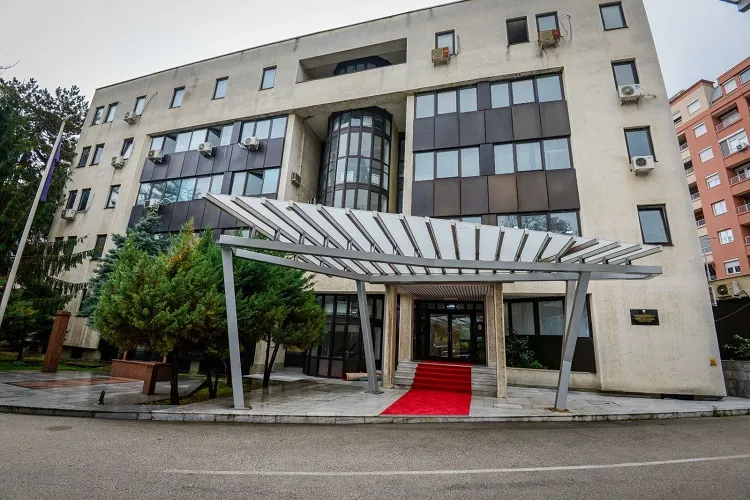
Internal control found "a series of irregularities" four days after the incident. The police union claims the young men were...

Two criminal charges for the 37-year-old Suzuki rider. He rode on 3 October, and police only went looking for him...

Four cars - two Audis, a BMW and a Suzuki - stopped in the middle of a boulevard on the...
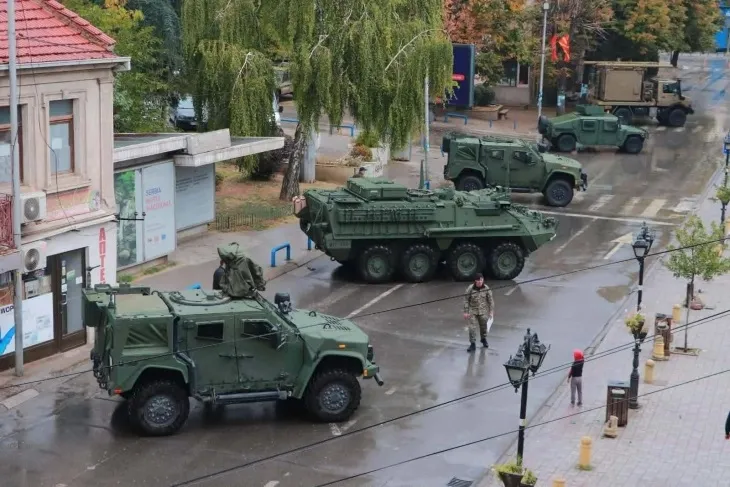
Armoured vehicles, diving and climbing gear and the Chief of the General Staff on Kumanovo's main square. A nice picture...

A re-enactment of the attack on the police station, a concert and a programme running until 3 November. The real...
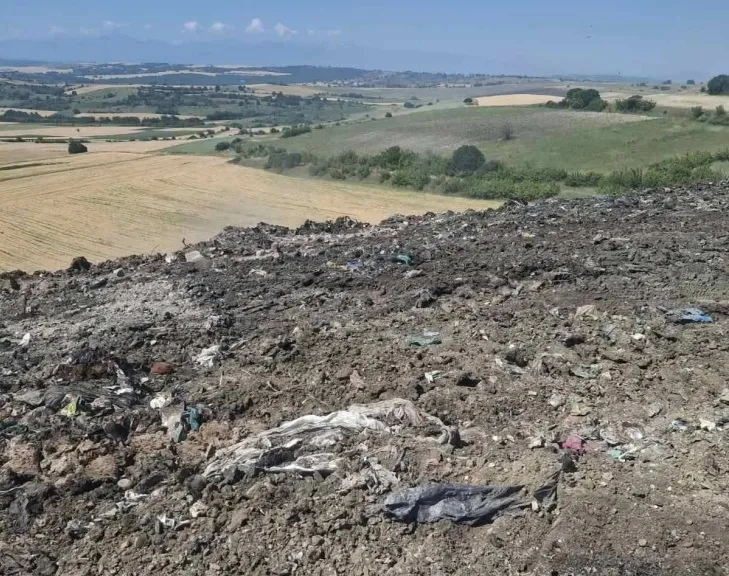
The public utility had no equipment for a fire that, by the mayor's own account, breaks out every year. Cameras,...
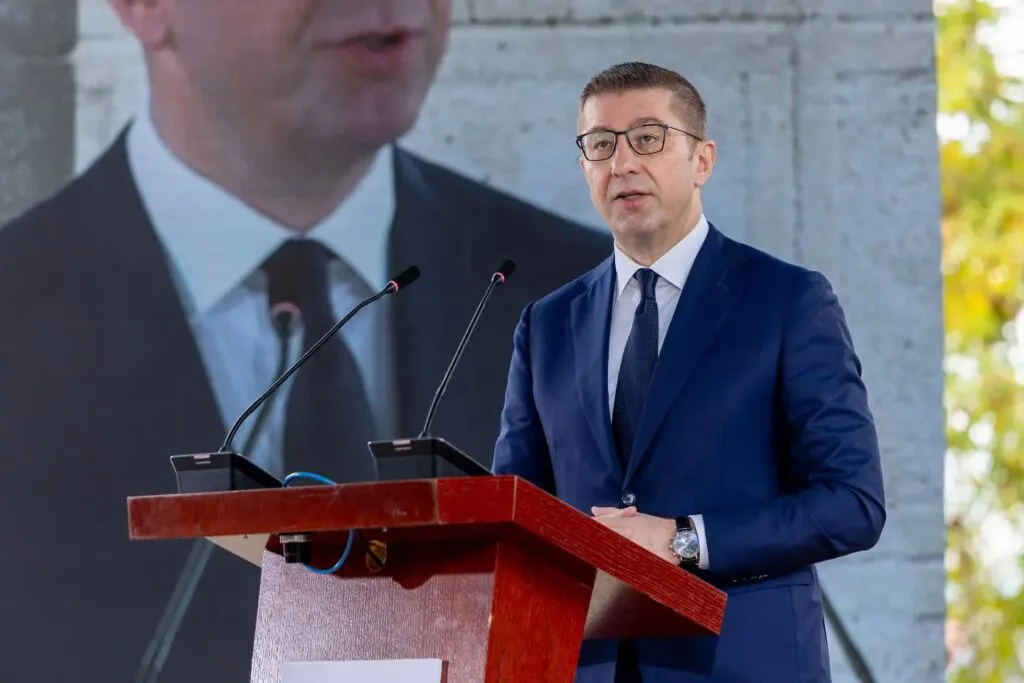
At the 85th anniversary of the uprising, the prime minister called for unity, set a 1,000-euro salary target and attacked...
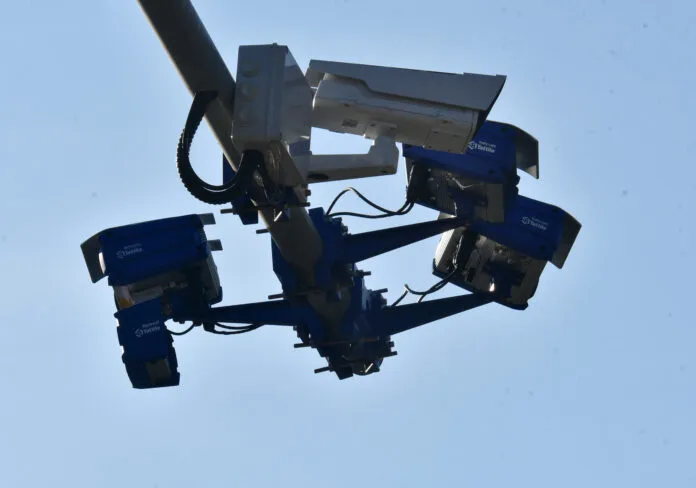
The minister says road injuries are down 20 percent this year. The cameras in Ohrid and Struga start issuing fines...
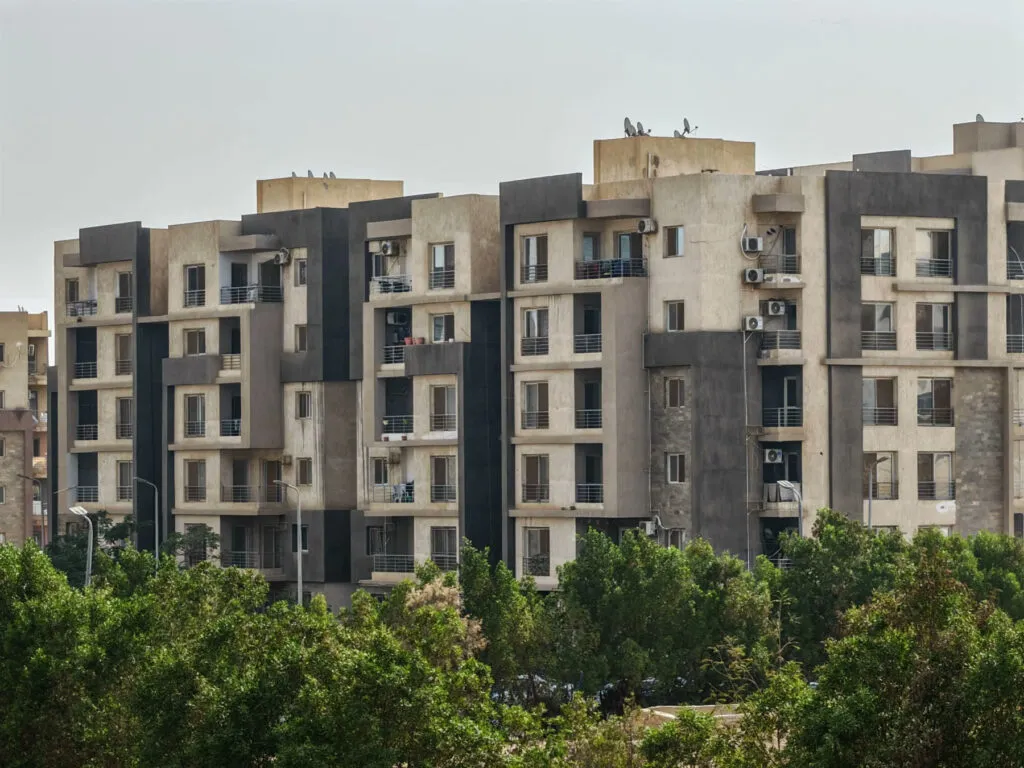
For Skopje there is only a 2022 Red Cross estimate - around 500 people. The state has no definition of...
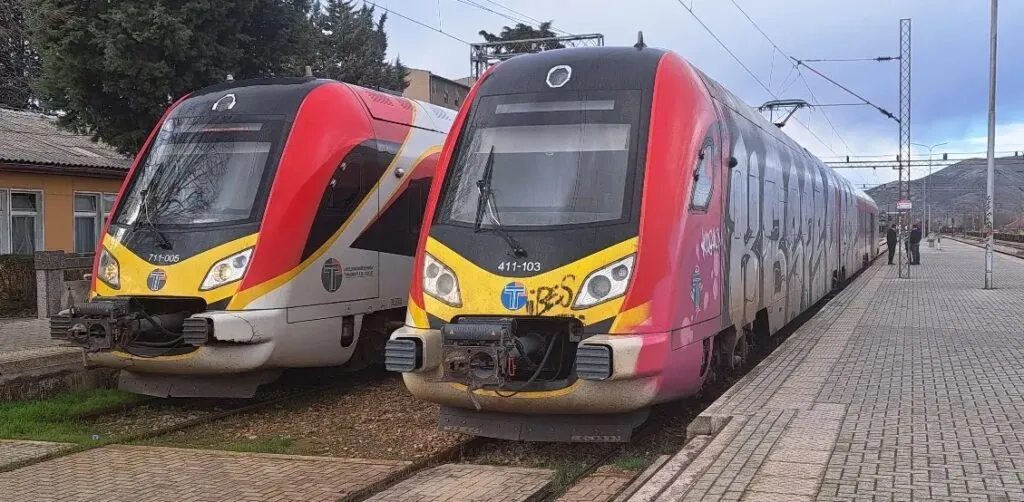
Passengers are happy, the train arrives in 25 minutes, and the story about it appeared almost word for word on...
This site uses cookies - is that okay? Learn more
Be the first to know when Metla launches something new
Leave your email and we will write when there is a new guide or something new on Metla.


