A New Criminal Complaint Against Jakimovski: A Building Permit Based on a Plan Struck Down Back in 2018
16.09.2026


16.09.2026
16.09.2026

16.09.2026
16.09.2026
16.09.2026

16.09.2026
16.09.2026

15.09.2026

14.09.2026

16.09.2026

16.09.2026

15.09.2026

16.09.2026

15.09.2026

14.09.2026

16.09.2026

16.09.2026

16.09.2026

16.09.2026

15.09.2026
15.09.2026

09.03.2026

27.02.2026

19.02.2026

16.09.2026

15.09.2026

14.09.2026

23.04.2026

23.04.2026

12.04.2026

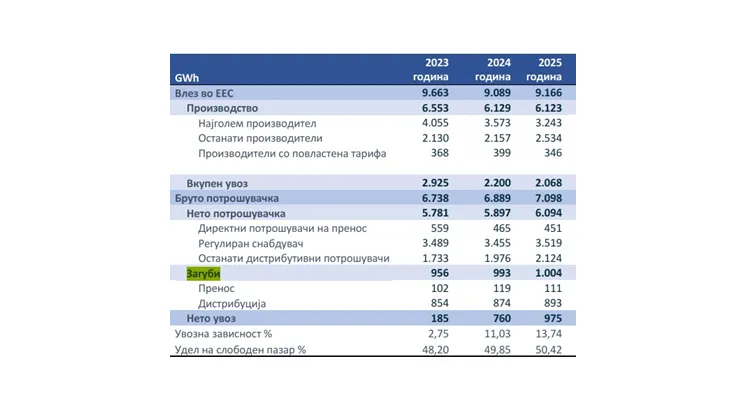
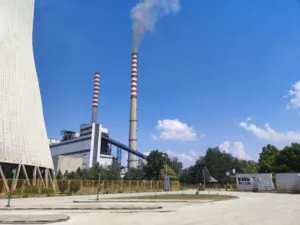
While European countries have been investing billions for years in modernising their electricity distribution networks, Macedonia enters 2025 with distribution losses of as much as 12.90 percent - a number that places the country among the worst in the Balkans, and easily the worst among the former Yugoslav republics.
Data from the annual report of the Energy Regulatory Commission shows that the situation is not only not improving, but losses on the EVN network have actually grown by another 2.17 percent compared to 2024.
By comparison with the neighbours:
That means Macedonia today has worse distribution efficiency than even parts of much larger and more complex systems in the region.
What is particularly worrying is that Macedonia is:
which under normal conditions ought to mean lower, not higher, losses.
The Energy Regulatory Commission itself indirectly admits that the problem is serious, listing as needs:
In practice that means a huge share of the electricity:
And the citizens, in the end, pay the price on their electricity bills.
While the European average for distribution losses usually sits between 4 and 8 percent, Macedonia is almost double those standards.
The question that remains: if EVN has been running the distribution network for years, how much has actually been invested to make the system modern and efficient, and why does Macedonia stay at the bottom of the region?
Data is from: Annual report on the work of the Energy Regulatory Commission, water services and municipal waste management services of the Republic of North Macedonia in 2025.
The latest 10 news from this category
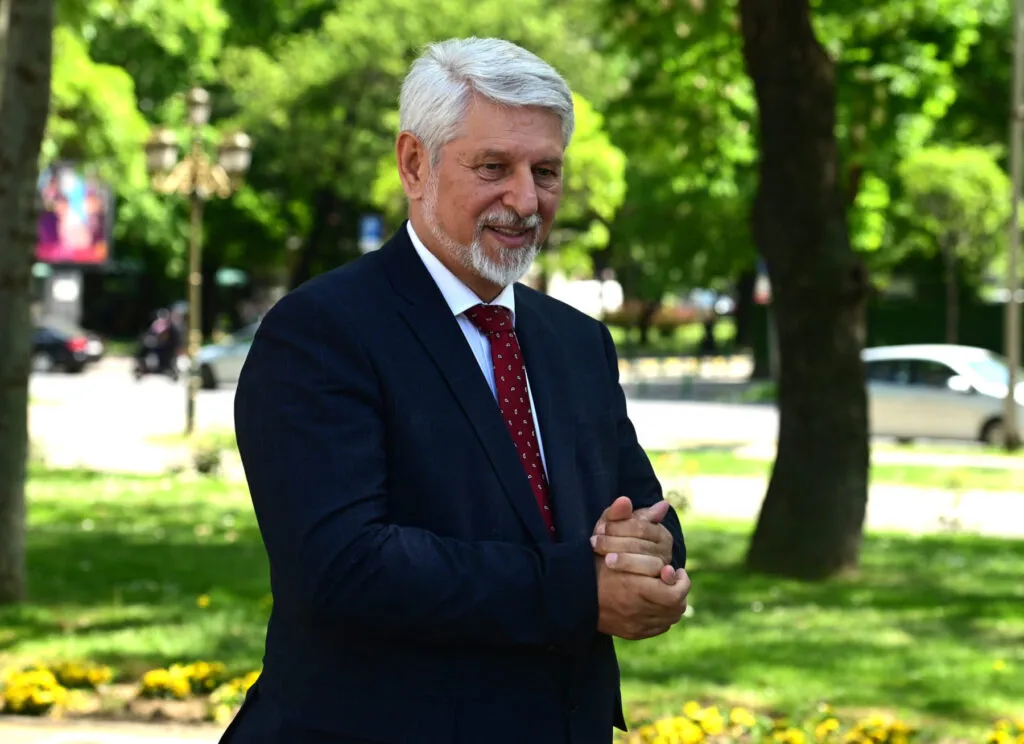
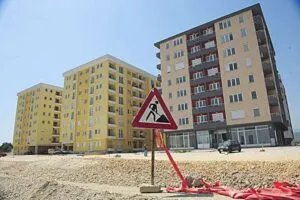
The Constitutional Court annulled the plan seven years ago, the application was rejected twice - and yet someone stamped it...
A 57-year-old woman from Skopje ended up in hospital, while in Gjorce Petrov another woman found a round outside her...

Kumanovo, Veles, Tetovo, Prilep, Rankovce and Skopje four times over. A restraining order is not a warning - it is...

The World Bank dropped out over misalignment with EU requirements. Construction will take two and a half years, and the...
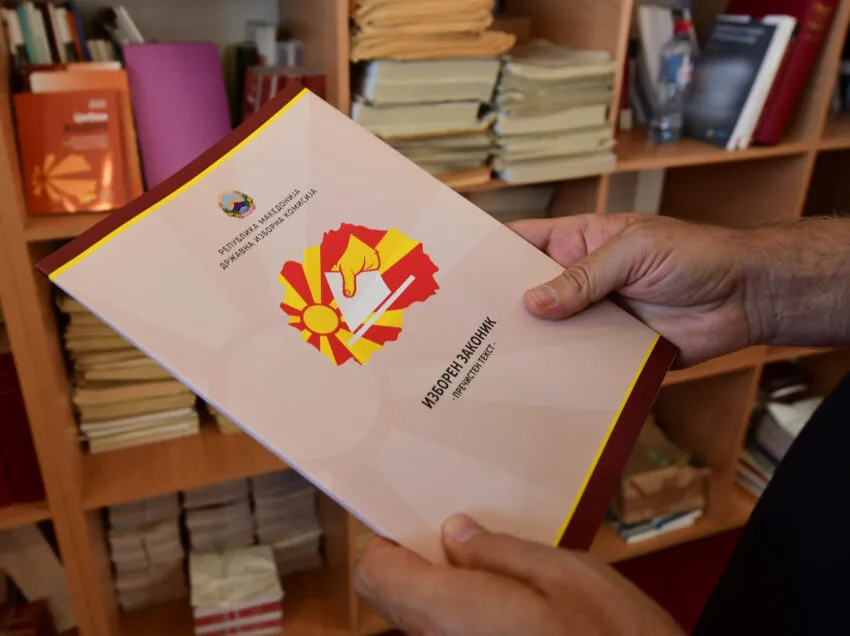
Two senior officials announced progress, the two largest parties denied it the same day. The amendments sit blocked behind 13,500...

The police acted on their own knowledge, without the PM filing anything at all. The same mechanism exists for every...
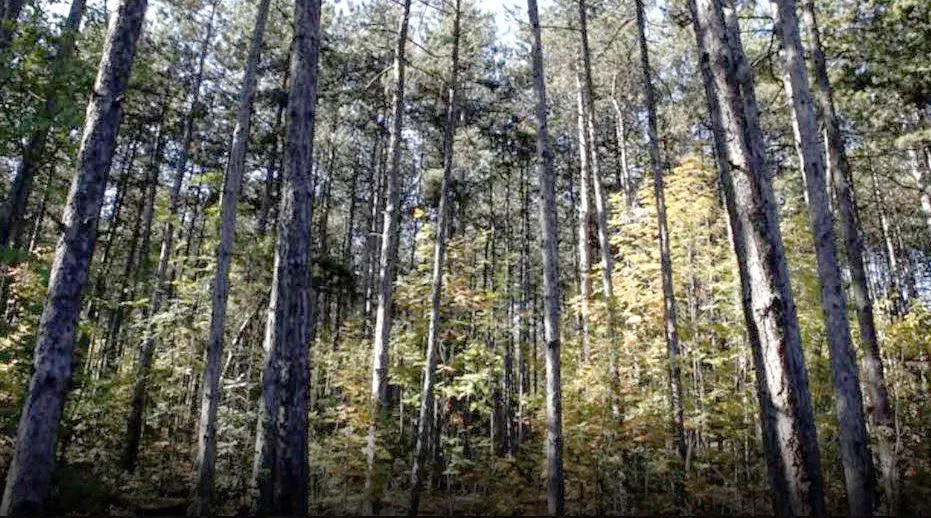
Of 9,500 square metres of greenery, 268 remain. Terrain with an 80-metre height difference, no erosion study and no opinion...
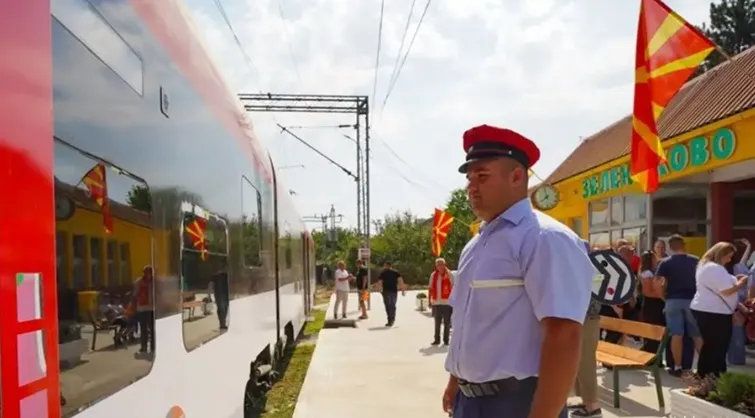
Gjorgjievski says the system should be ready by the middle of next year. The BRT tender is announced for the...
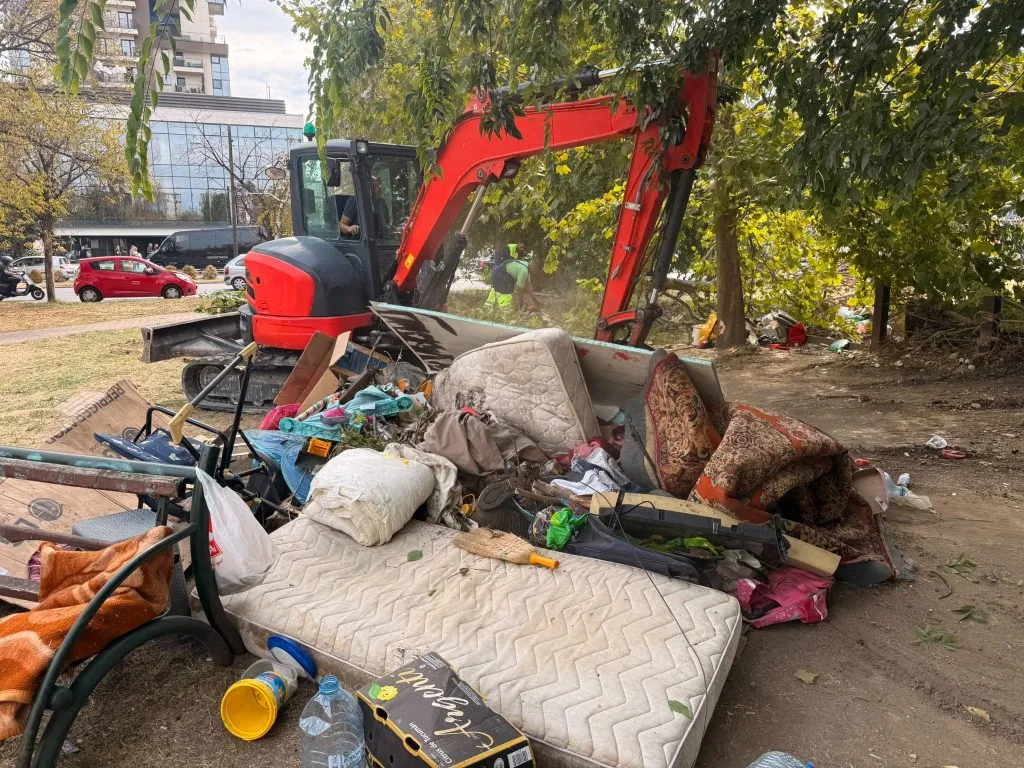
The second operation at the same site within a year. Gerasimovski himself is appealing to the Labour Ministry - because...
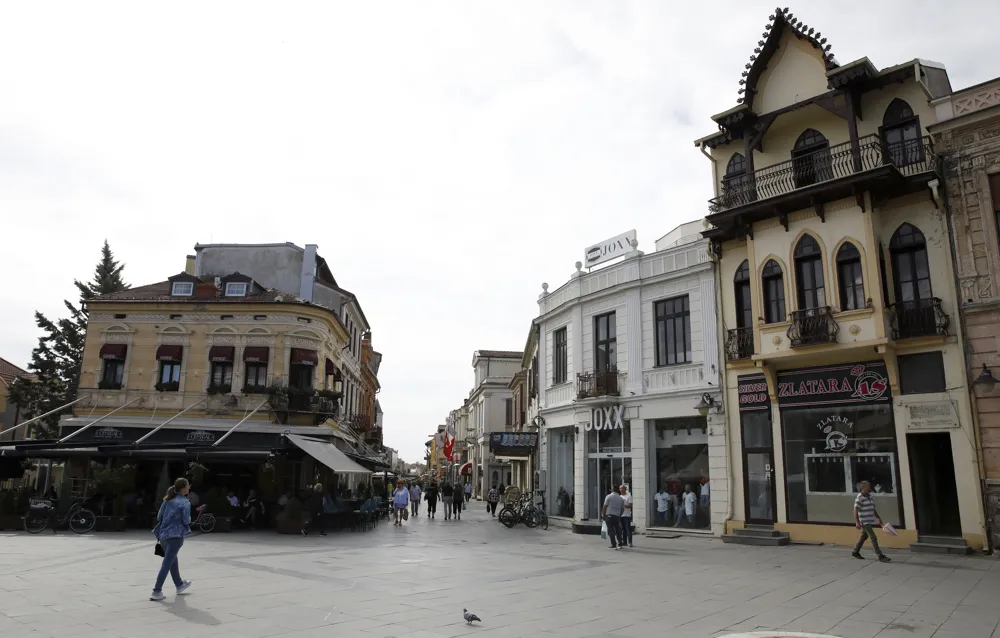
A prosumer scheme, a solar oven and electricity generated by bicycle on Magnolija square. The city that has paid the...
This site uses cookies - is that okay? Learn more
Be the first to know when Metla launches something new
Leave your email and we will write when there is a new guide or something new on Metla.