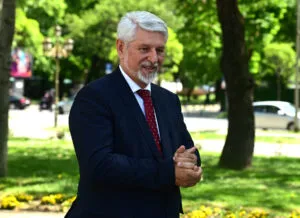
A New Criminal Complaint Against Jakimovski: A Building Permit Based on a Plan Struck Down Back in 2018
16.09.2026


16.09.2026
16.09.2026

16.09.2026
16.09.2026
16.09.2026

16.09.2026
16.09.2026

15.09.2026

14.09.2026
16.09.2026
16.09.2026

15.09.2026

16.09.2026

15.09.2026

14.09.2026

16.09.2026
16.09.2026

16.09.2026

16.09.2026

15.09.2026
15.09.2026

09.03.2026

27.02.2026

19.02.2026
16.09.2026

15.09.2026

14.09.2026

23.04.2026

23.04.2026

12.04.2026

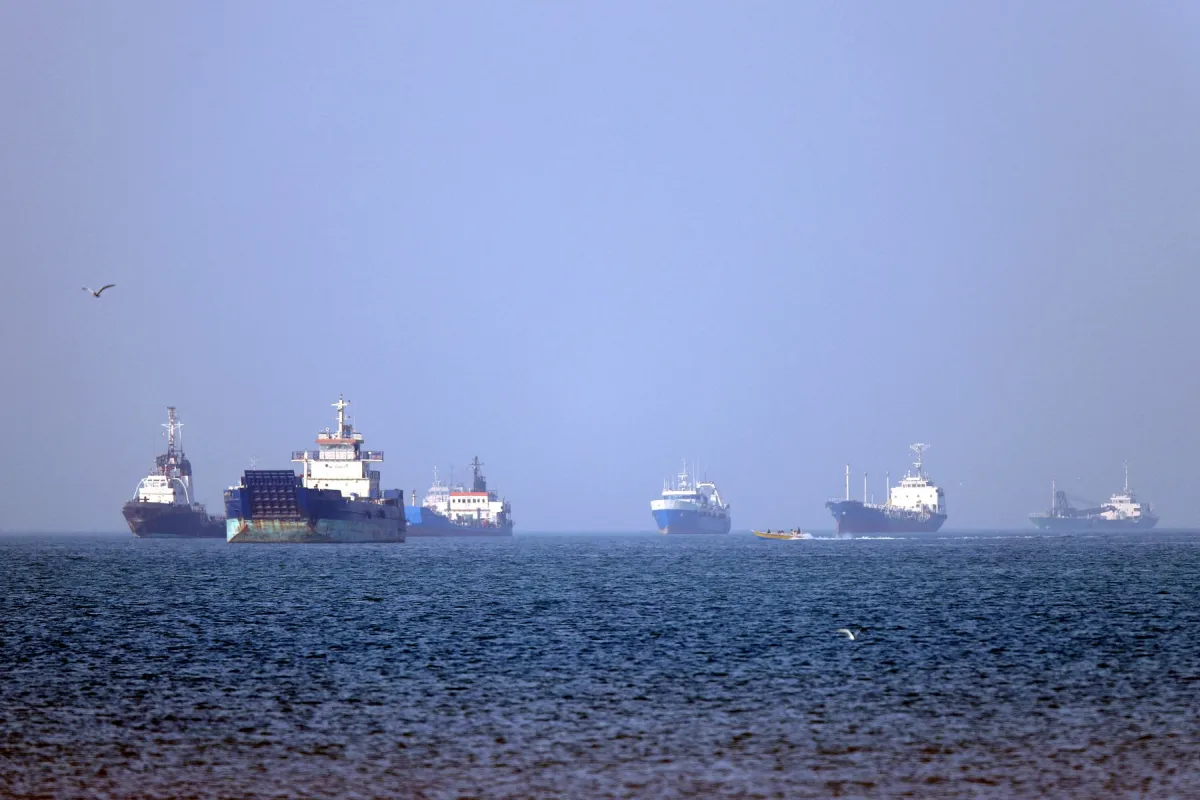
The International Transport Forum (ITF), an organisation that brings together 72 countries, has a clear message about the Strait of Hormuz: even when it reopens, normal operations will be months away. A shock from which, as Secretary General Young Tae Kim put it, "the world will have to start thinking differently."
The numbers are brutal. The Strait of Hormuz normally carries 25% of the world's tanker traffic. In the first week of the declared ceasefire, only 45 vessels passed through. Around 1,000 commercial ships and 20,000 sailors remain stuck in the Persian Gulf.
Jet fuel prices have doubled. Airlines worldwide cancelled 13,000 flights in May alone. Lufthansa and Croatia Airlines have already trimmed their summer schedules. For a Balkan traveller this means two things: fewer destinations available direct from Skopje, Zagreb, Sofia; and higher prices on the routes that survived.
The ITF explains why simply reopening the strait won't bring normalisation. What is needed: rebuilding confidence in on-time deliveries, securing crews, sorting out insurance, and - the hardest piece - mine clearing. Each of those phases takes weeks or months. Cumulatively, the realistic timer is three to six months, not three to six weeks.
Kim closed with a general lesson: "This shock will change how we think." The world has built an economy on the assumed safety of every supply line. When one of those lines snaps, the whole chain shakes. The Balkans, importing almost everything, feels it directly. It is not just oil - anything transported by ship now carries a new price tag.
The latest 10 news from this category
Sanctions imposed over one war are being offered as currency in an entirely different dispute. Most member states are against...
El Nino in the Pacific shifts the currents that decide where snow falls. An area that usually gets a metre...
The easiest way to dismiss an uncomfortable argument is to point at who is making it. But that does not...
The appeals court ruled the entire trial must start over. The son of Norway's queen is waiting for it on...
Trump scaled back the military exercises to ease the tension, and Wonsan answered in the form of projectiles. What does...
The sanctions list got a seven-day extension instead of one measured in months, a move diplomats themselves call unprecedented. Two...
Switzerland offered a table for talks on Ukraine, Moscow replied that the table stopped being neutral once Bern adopted EU...
The will says one thing, a committee of twenty-one men decided another. The queen mother says the army pulled the...
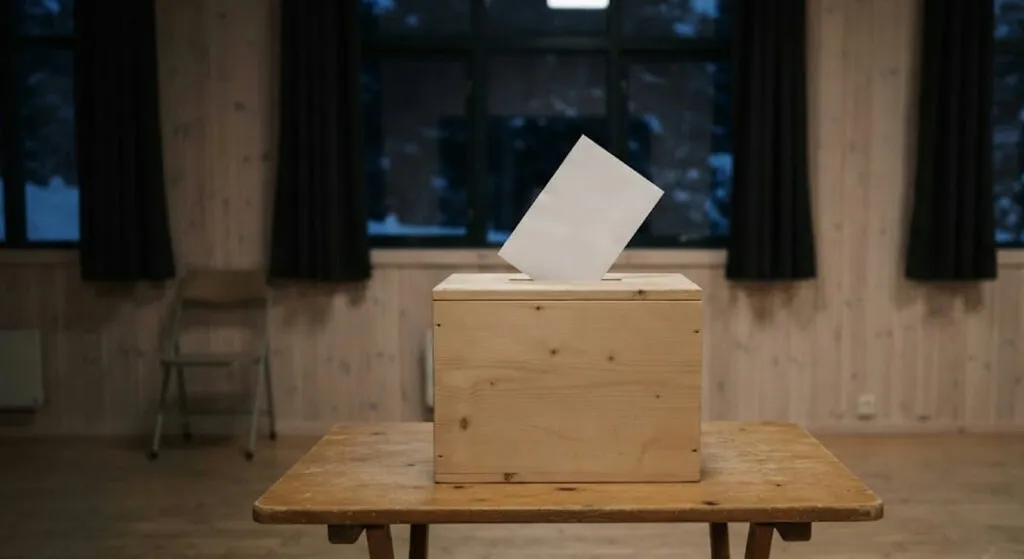
A country that was Europe's byword for stability for decades now has a parliament split into two blocs by a...
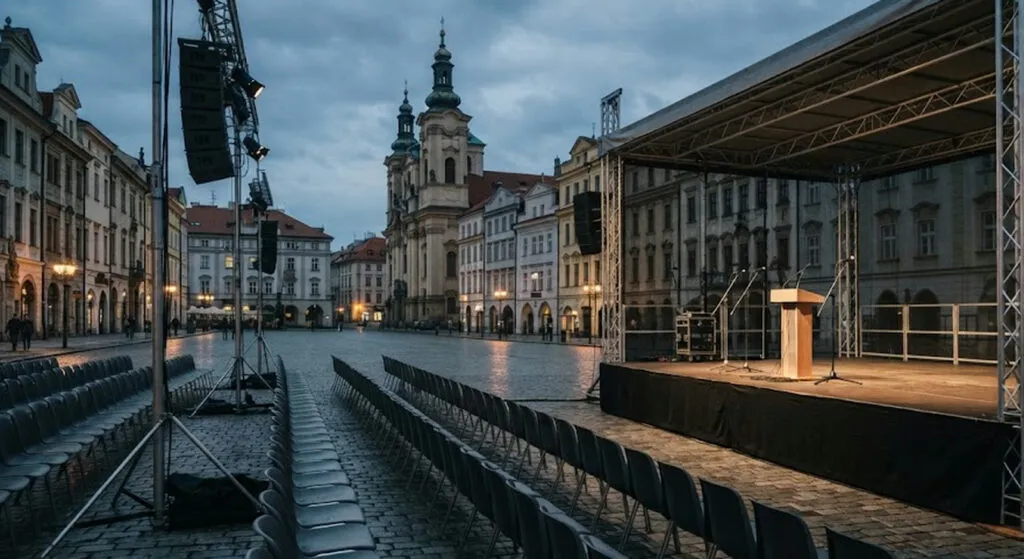
Sixteen years in power, defeat at a regular election, five months of quiet - and now the election result is...
This site uses cookies - is that okay? Learn more
Be the first to know when Metla launches something new
Leave your email and we will write when there is a new guide or something new on Metla.