


Two Schoolyard Assaults Reported in a Single Day: the Police Promised Measures, the Education System Said Nothing
19.09.2026


19.09.2026
19.09.2026
19.09.2026

19.09.2026
19.09.2026
19.09.2026
19.09.2026
18.09.2026

17.09.2026

19.09.2026
19.09.2026

18.09.2026

19.09.2026

19.09.2026

19.09.2026
19.09.2026
18.09.2026
17.09.2026

19.09.2026

19.09.2026

19.09.2026

19.09.2026

19.09.2026
18.09.2026

09.03.2026

27.02.2026

19.02.2026

19.09.2026

18.09.2026

17.09.2026

23.04.2026

23.04.2026

12.04.2026

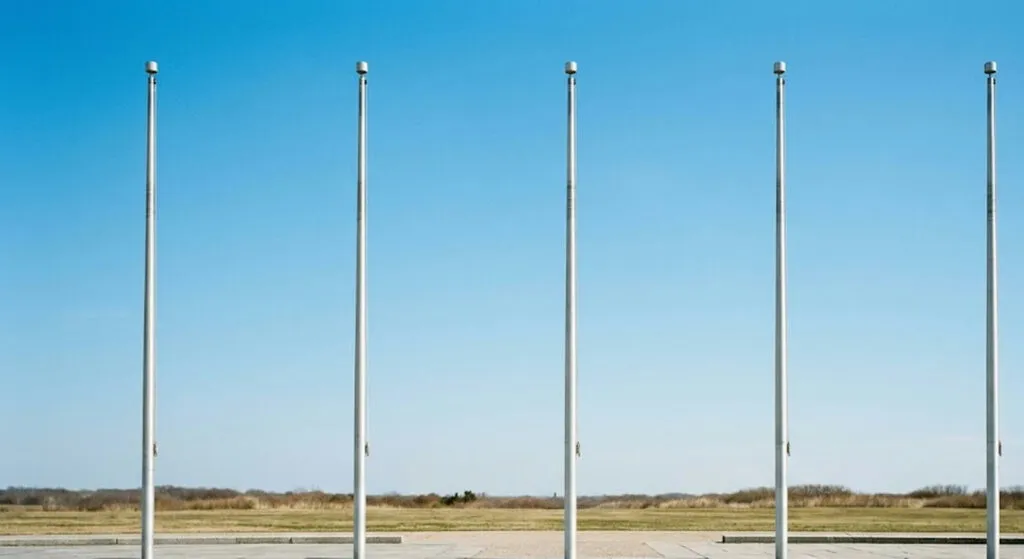
Peter Magyar wants to expand the Visegrad Group - and Croatia is among the invitees. At his first press conference after the elections, Hungary's new leader proposed that V4 become V8 with the addition of Croatia, Slovenia, Austria, and Romania.
The idea isn't new. When the Visegrad Group was founded in 1991 - by Poland, Czechoslovakia, and Hungary - Croatia received an invitation but declined. Franjo Tudjman feared losing support from Germany and France, who didn't look favorably on Central European consolidation.
Why now?
Magyar has no partners in Slovakia and Czechia - both countries are in political crisis. So he's looking for substitutes. Political analyst Davor Gjenero explains: "Magyar is returning to the positions Hungary held in 2010, at the start of Orban's mandates. Back then, V4's coordinated two-thirds majority voting gave them more votes in the EU Council than Germany and France combined."
The meeting between Magyar and Plenkovic at this year's Munich Security Conference is considered a key moment. Magyar also announced Warsaw as his first destination after taking office - a signal that the Visegrad Group is a priority.
What would Croatia gain? "If this initiative materializes, the political interests of each member state gain exponential significance in the European Council," says Gjenero. Two-thirds voting in the Council with eight countries behind you - that's weight equal to France and Germany.
It's interesting for the Balkans too: if Croatia, Slovenia, and Romania join an expanded Visegrad Group, it creates a bloc from the Baltic to the Adriatic that changes the balance of power in the EU. Is that good for the region - or just another club where the Western Balkans wait outside the door?
The latest 10 news from this category
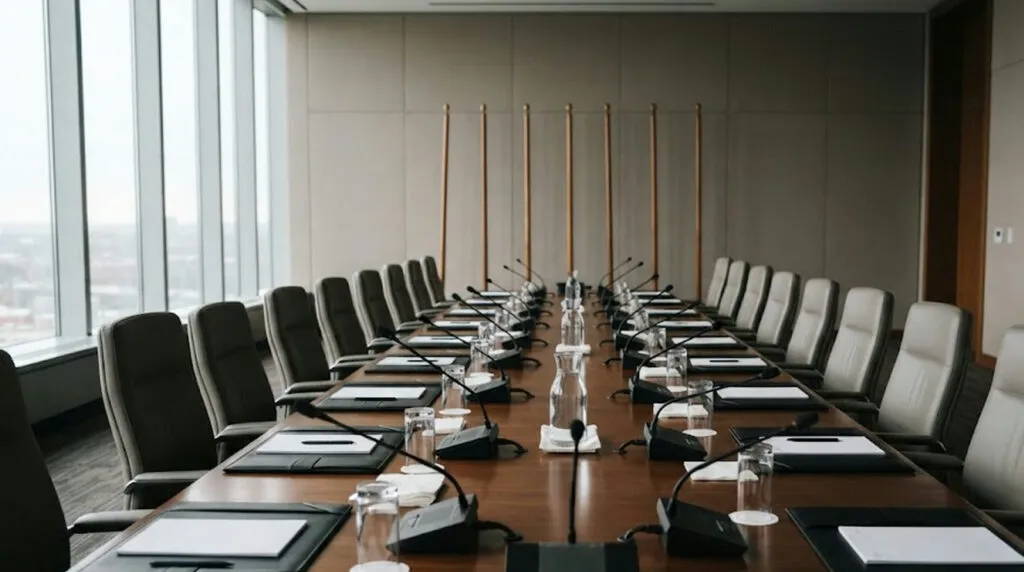
Eight countries, 120 million people, a motorway to Timisoara and energy connections. And one cancelled visit that says more than...
The call was about damaged furniture on a terrace. Armin Dzutovic died three days later. The internal investigation found first...
Four KLA leaders received 81 years in prison, and Albania's parliament immediately adopted a declaration calling the verdict unjust. The...
The court established responsibility for 96 killed, 303 tortured and 385 unlawfully detained. The prosecution asked for 45 years. Serbia...
Thaci and Krasniqi got 25 years each, Veseli 18, Selimi 13. The court established 385 unlawfully detained, 303 tortured and...
"If it is acceptable to the participants" - that is the entire offer. What gets negotiated is the format, not...

Thousands walked from the Rectorate to the electoral commission, and the signatures had to be queued for all weekend because...

Thousands of people under a digital clock and a banner asking for them to be found innocent. On Wednesday The...

The ruling list sailed through without a single problem, the student list was left waiting in line. Nobody banned anything...
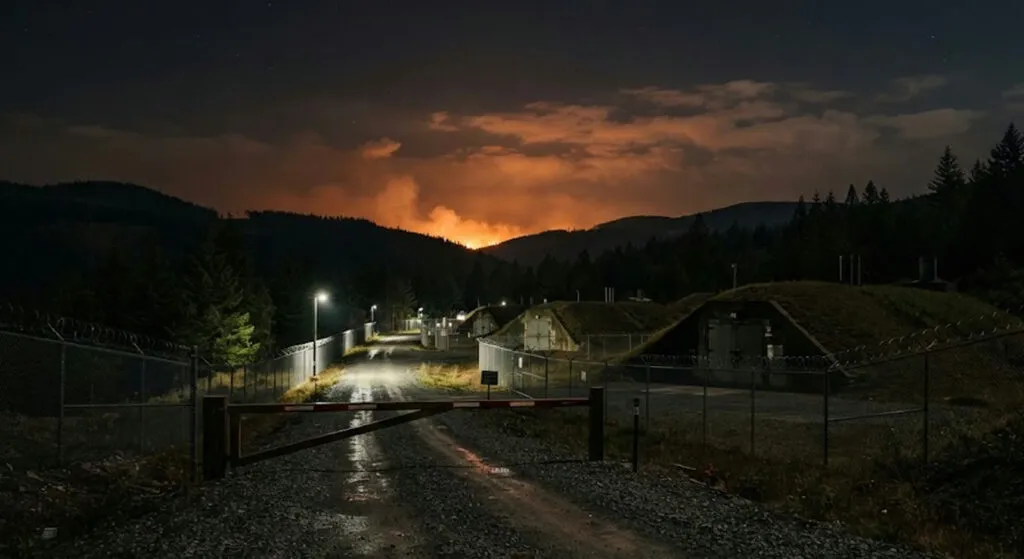
The same firm that supplied ammunition to Ukraine for years is burning for the second time in a month. Seven...
This site uses cookies - is that okay? Learn more
Be the first to know when Metla launches something new
Leave your email and we will write when there is a new guide or something new on Metla.
