Prosecutors set out the sequence in Radišani: the driver cut off 19-year-old Nikola, then left without helping
10.08.2026


10.08.2026

10.08.2026
10.08.2026
10.08.2026
10.08.2026
10.08.2026
10.08.2026
09.08.2026
08.08.2026

10.08.2026
10.08.2026

09.08.2026
10.08.2026

10.08.2026
10.08.2026
10.08.2026
09.08.2026
08.08.2026

10.08.2026

10.08.2026

10.08.2026

10.08.2026
09.08.2026
08.08.2026

09.03.2026

27.02.2026

19.02.2026
10.08.2026
09.08.2026
08.08.2026

23.04.2026

23.04.2026

12.04.2026
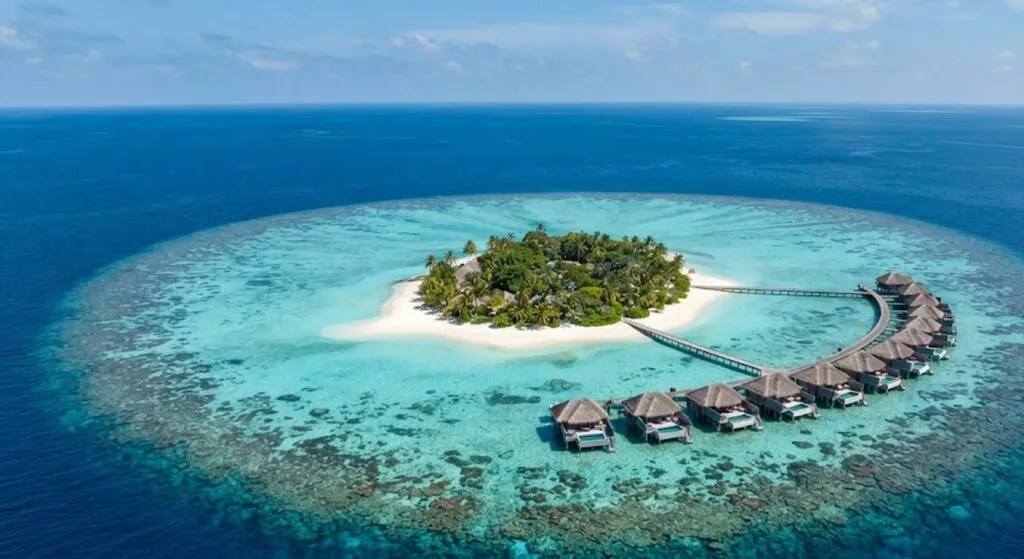
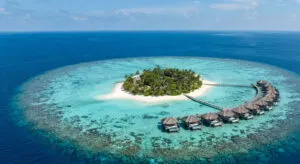
The Maldives is the place everyone recognises from a photograph and almost nobody can place on a map. Around 450 kilometres south of India and Sri Lanka, 1,190 islets arranged in 26 atolls - coral rings enclosing inner lagoons. The average height above sea level is a little over two metres. That single figure holds both the entire beauty and the entire problem of this country.
The world is below the surface, not above it
What sells the Maldives is not the villas. The water sits at around 27 degrees for most of the year, which means there is no season in which swimming is unpleasant. Beneath it live more than 2,000 marine species - reef fish, manta rays, moray eels and 26 species of shark, including the whale shark. A simple mask and snorkel is enough to see turtles, rays and harmless young sharks. Those who go deeper come across mantas with a fin span of up to five metres.
That is the difference between the Maldives and any other white-sand beach: here the attraction is not the view but what lies under it. The reef is the reason the islands exist at all, and that same reef is the first thing to suffer as the ocean warms.
One island, one hotel
Of the thousand islands, around a hundred have a single resort each. That is the model: you share the beach with nobody because the beach is part of the accommodation. Bungalows on sand, huts hidden in greenery, or villas on stilts over the water. Among the bigger names are Six Senses Kanuhura with overwater villas, The St. Regis Maldives Vommuli Resort in the Dhaalu atoll with one of the most impressive spas in the Indian Ocean, and Soneva Jani in the Noonu atoll, known for enormous villas with private pools, slides ending directly in the lagoon and an observatory for stargazing.
Worth being honest here. This is a destination whose business model is exclusivity, and exclusivity carries a price that will not be realistic for most readers this year. But the information that a different Maldives exists is useful all the same.
The other Maldives
Besides Malé, the capital, there are inhabited islands such as Thulusdhoo, Hulhumalé, Maafushi and Rasdhoo with fishing villages, markets and craftsmanship. That is also where you find „bodu beru” - traditional drumming and dance that begins with slow swaying and ends in a rhythm close to a trance. This is the part that does not make it into the adverts, and the only part where you meet people who live there rather than people bringing you a drink.
The food revolves around fish and coconut, though a large share of produce is imported. Traditional recipes include „garudhiya”, a fish broth, and „kulhi boakibaa”, a savoury cake of salted tuna and coconut.
When and how to get there
Temperatures range between 26 and 31 degrees all year round. The monsoons run roughly from May to October, which means the recommended window for clear skies and calm sea is November to April. There are practically no direct flights from European airports to the Maldives - you travel with at least one connection. Between the islands you go by boat or seaplane, and since most resorts sit on private islands, the transfer is usually arranged by the hotel.
Beyond diving and simply resting, there is yoga over the ocean, sunset fishing on a traditional „dhoni” boat, massages in underwater rooms, Maldivian cooking classes, stargazing with exceptional visibility and dinner in underwater restaurants. Whether all of that is worth what it costs is a decision everyone makes for themselves. Whether the reef will still be like this in twenty years is a question none of the hotels answers.
The latest 10 news from this category
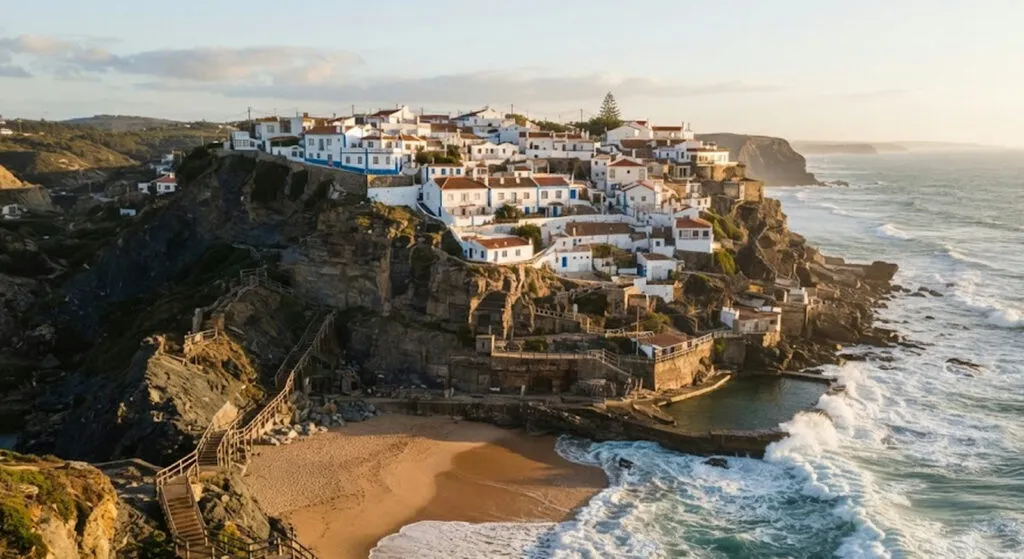
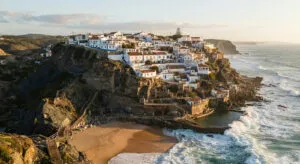
White houses with blue trim glued above the ocean, and beaches connected by an 18.5-kilometre trail instead of a car...
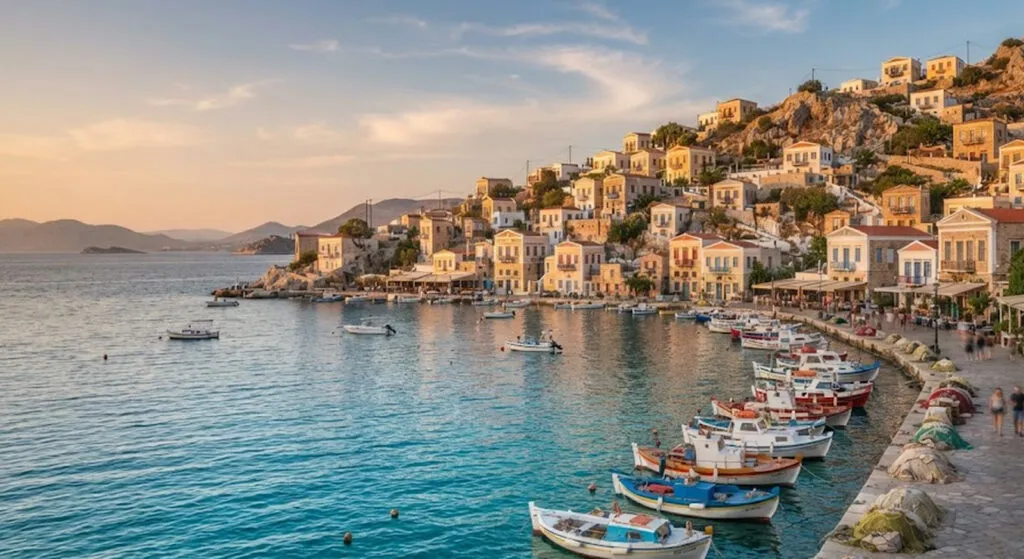
Eleven walking trails, eighty kilometres, and one staircase of six hundred steps that a local shepherd spent ten years carving....
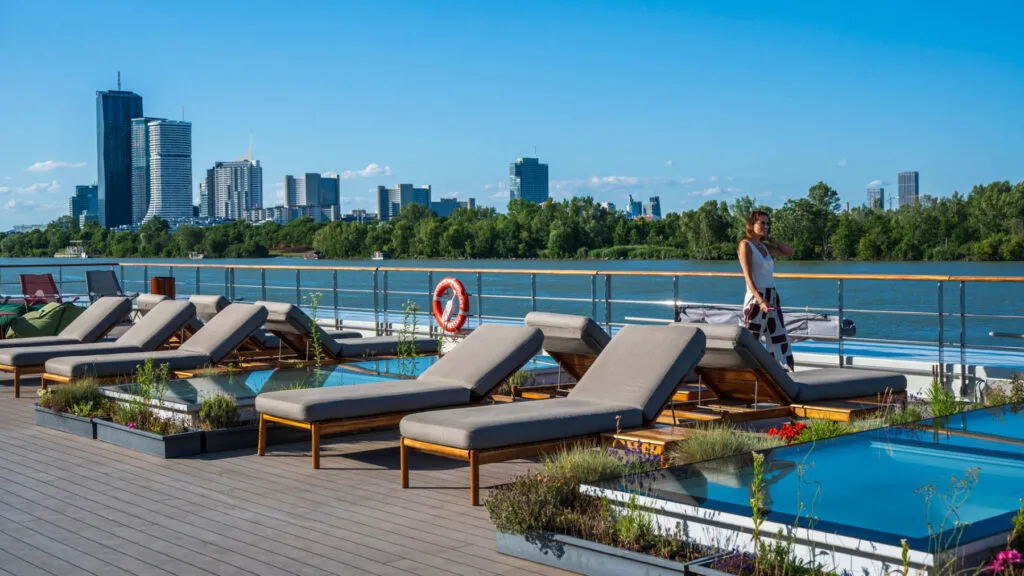
From Vienna to Budapest, stopping at Esztergom and Visegrád. A boat that docks in the old town centre, not twenty...
Everyone leaves early to beat the queue. The forecast says that is exactly when the queue is longest - and...
The town from One Hundred Years of Solitude does not exist. The landscape it was born from does, and it...
An oval structure of steel and glass on a rock in the Namib, with a telescope and a pool. The...
The ritual is wake, lake, forest, sauna, lake, sleep. Not one step requires a booking - and that is precisely...
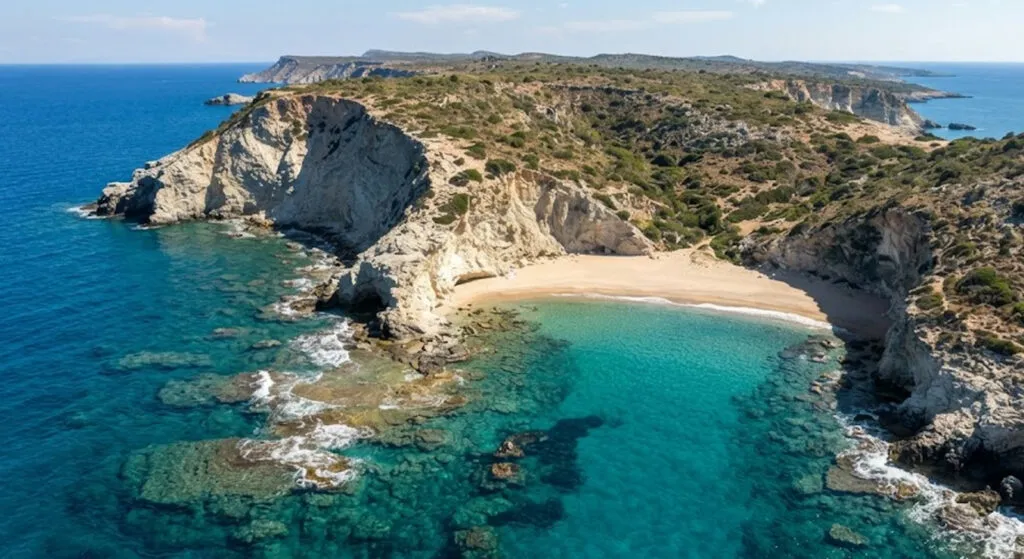
Black sand thrown up by volcanoes, a spring that kept pirates hiding here for centuries, and cliffs covered in fossils....
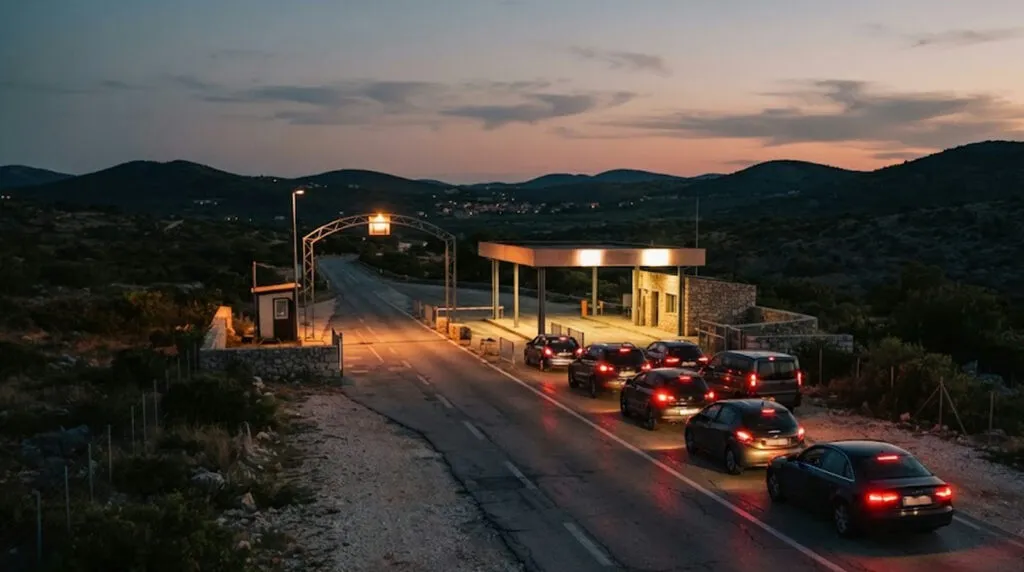
Bogorodica and Star Dojran are queued up, Medzitlija is moving. What the cameras show, when the jams hit, and what...
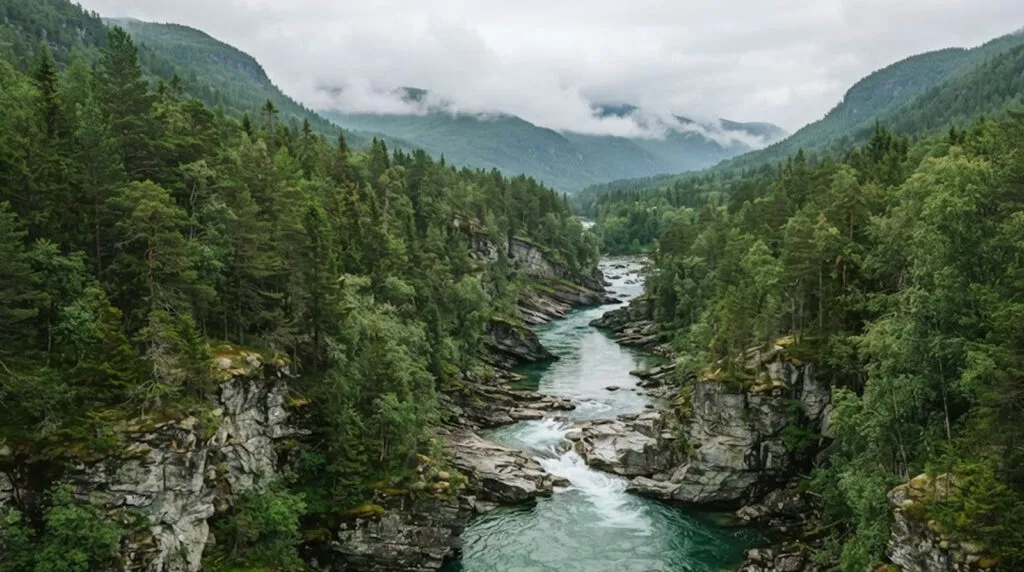
While some queue in traffic at 38 degrees, Europe has places where the August maximum is 13. Eight addresses that...
This site uses cookies - is that okay? Learn more
Be the first to know when Metla launches something new
Leave your email and we will write when there is a new guide or something new on Metla.