

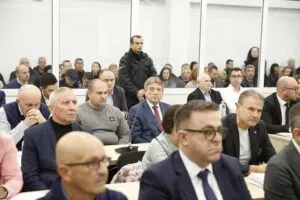
Expert witness at the Puls trial: the change-of-use application had to come from the owner, not the tenant
26.08.2026


26.08.2026
26.08.2026
26.08.2026
26.08.2026

26.08.2026
26.08.2026
26.08.2026

25.08.2026
24.08.2026

26.08.2026
26.08.2026

25.08.2026

26.08.2026

26.08.2026

26.08.2026

26.08.2026

25.08.2026

24.08.2026
26.08.2026

26.08.2026
26.08.2026
26.08.2026

26.08.2026

25.08.2026

09.03.2026

27.02.2026

19.02.2026
26.08.2026
25.08.2026
24.08.2026

23.04.2026

23.04.2026

12.04.2026
When Moscow needs an argument against the West, it reaches for the same name every time - Kosovo. Dmitry Medvedev, deputy chairman of Russia's Security Council, pulled it out again, this time to say that the West applies double standards when it comes to the right to self-determination.
"We already know: however convincing our arguments, our Western opponents will carry on with their hostile policy and their double standards. We do not have to look far for an example - it is so-called Kosovo. They recognised it immediately," Medvedev said.
His logic is simple, and that is exactly why it works as rhetoric. If one unilateral declaration of independence is recognised, why is another not? Medvedev draws the parallel with Abkhazia and South Ossetia, which the collective West did not recognise, and says the difference between those cases and "the Serbian region" is obvious to any reasonable person.
The Balkans as a permanent billboard
This is worth pausing on. The argument is not new - Moscow has been using it since 2008, with almost no change in wording. What changes is the moment it gets pulled out. Every time relations with NATO tighten, Kosovo reappears in Russian statements. The region does not participate in that debate; it is merely mentioned in it.
And that is the real Balkan story here. Twenty years on, our neighbourhood still serves as a rhetorical tool in other people's disputes - a reference in a speech aimed at Brussels and Washington, delivered in Moscow. Has anyone asked the people who live there what they think about being somebody's permanent example?
Medvedev went on with a warning that explains the whole exercise. NATO, in his view, is a military-political bloc whose expansion toward Russian borders threatens Russia's very existence. "We cannot remain indifferent to the aggressive plans of our enemies. If anyone believes they can destroy us, they must fully understand the consequences. We will respond with all our strength," he said.
So the point was not Kosovo. The point was NATO enlargement, and Kosovo was the way to get there. That is the difference between a subject and a tool - and it is worth knowing which of the two roles the region has been cast in the next time you hear its name in a speech like this.
The latest 10 news from this category
The second most senior figure in the Croatian state briefing his own diplomats on what to convey abroad. On the...
Three agencies are working the case, and the conclusion was published ahead of them. Kosovo police rejected the claims. What...

The maize dried out, soy yields halved, dairy cattle are going up for sale. The problem is not this summer...
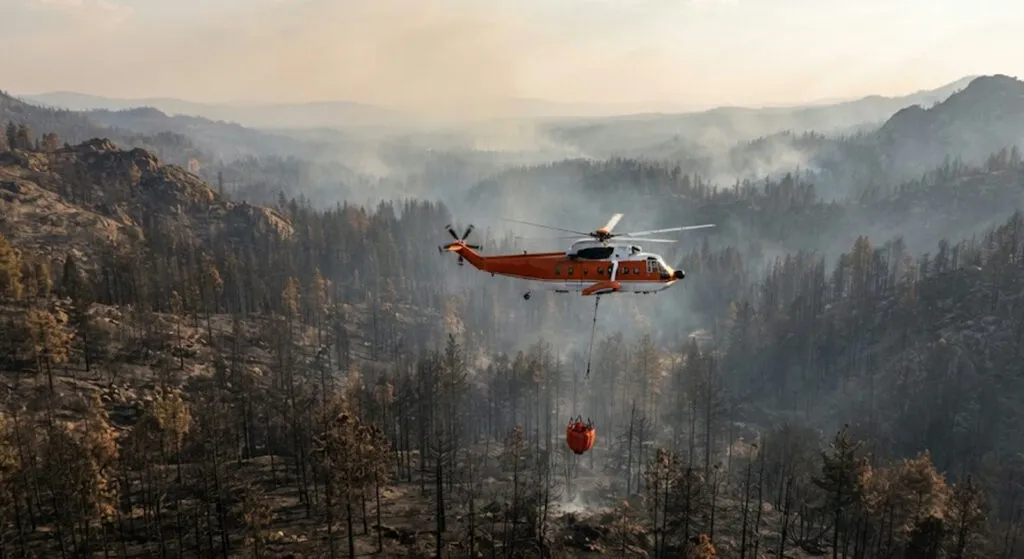
One portable toilet burned down, along with 3,960 hectares, and the helicopters are arriving from Czechia, Slovakia, Romania and Russia....
Four suspects, two of them minors. One admitted he was hired by a man with a record known for recruiting...
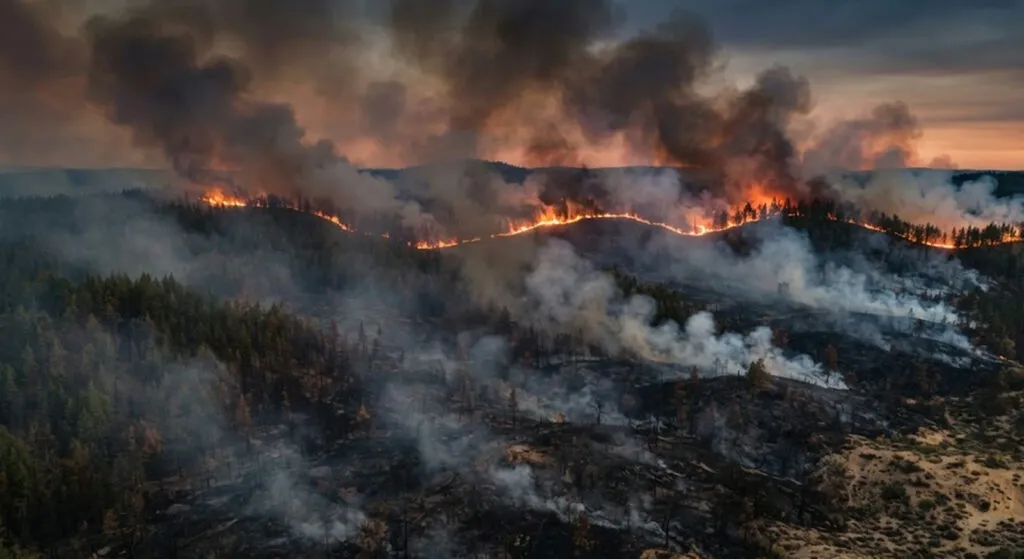
Dacic activated the European civil protection mechanism. The humus is burning below the surface, so areas declared extinguished flare up...
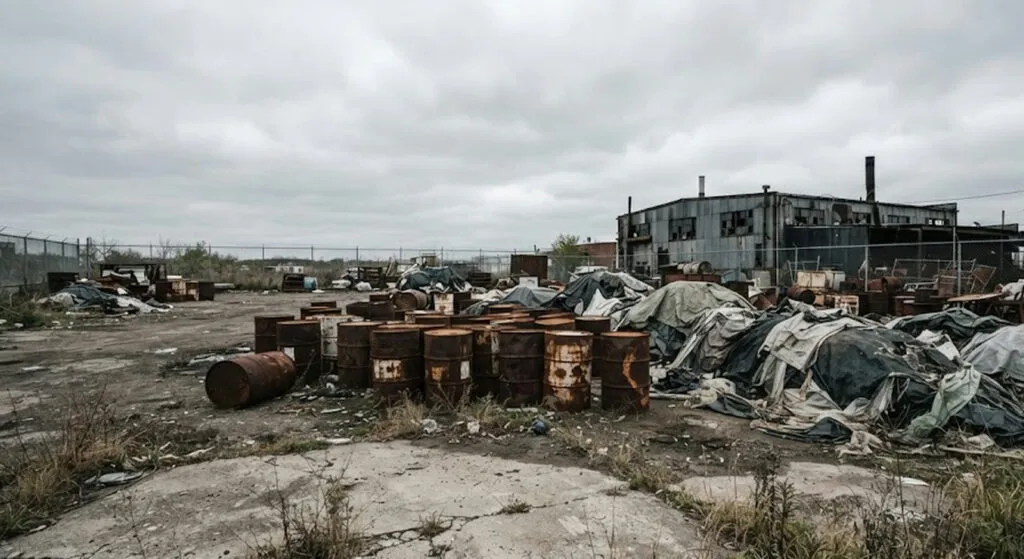
Croatia's prime minister invoked the Serbian canopy scenario to describe his own opposition. In the soil near Gospic, meanwhile, heavy...
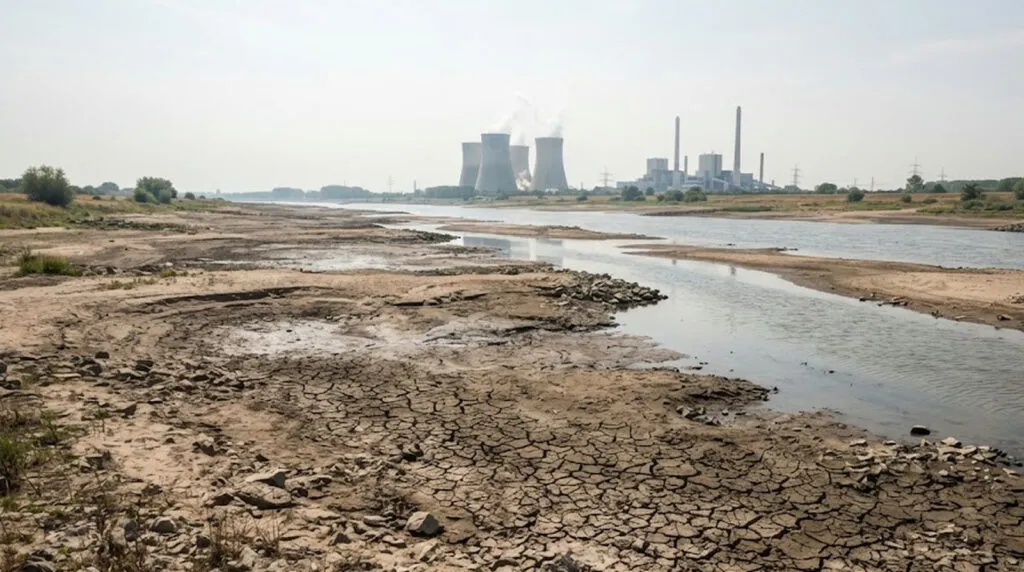
Not a fault, not a sanction - a drought. Kozloduy is cutting 120 megawatts, Paks and Cernavoda already reduced output....
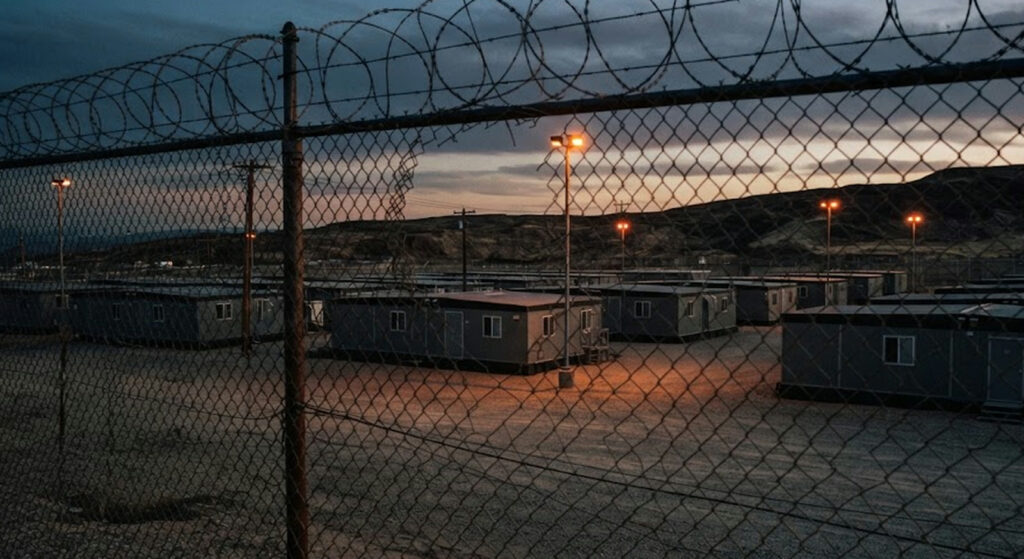
Two attempted hangings and self-harm at Gjader, Amnesty says. Tajani is already calling for similar centres in transit countries -...
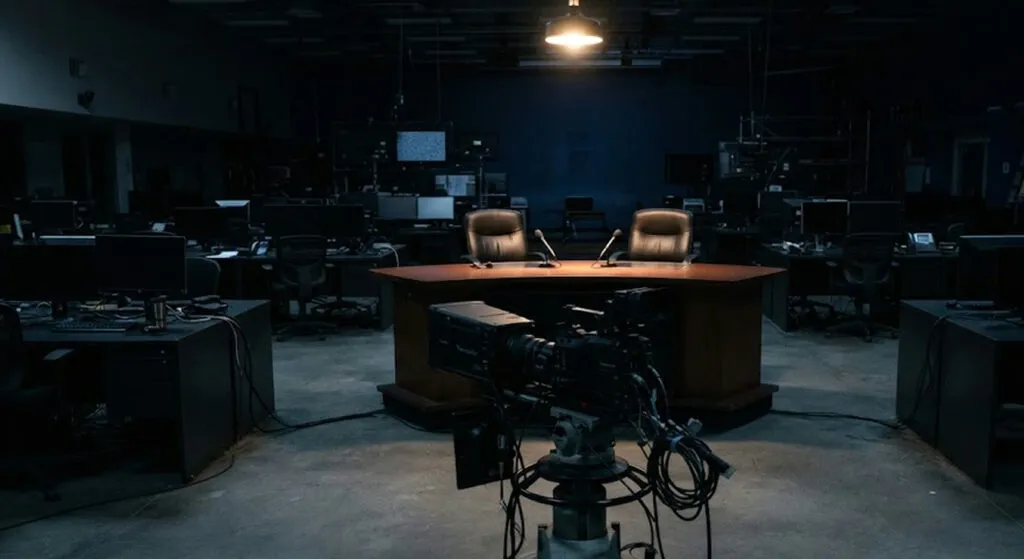
A Portuguese fund has taken over Serbia's loudest critical newsrooms, and the management fell before Luxembourg approved the transaction. In...
This site uses cookies - is that okay? Learn more
Be the first to know when Metla launches something new
Leave your email and we will write when there is a new guide or something new on Metla.
