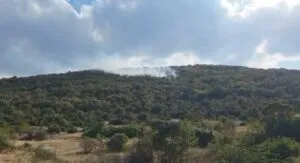
Kitka Has Been Burning for Days, and the Emergency Agency Says Someone Relights It Every Single Day
27.08.2026


27.08.2026
27.08.2026

27.08.2026

27.08.2026

27.08.2026

27.08.2026

27.08.2026

26.08.2026
25.08.2026

27.08.2026

27.08.2026

26.08.2026

27.08.2026

26.08.2026

25.08.2026

27.08.2026

27.08.2026

27.08.2026

27.08.2026

26.08.2026
26.08.2026

09.03.2026

27.02.2026

19.02.2026

27.08.2026

26.08.2026

25.08.2026

23.04.2026

23.04.2026

12.04.2026
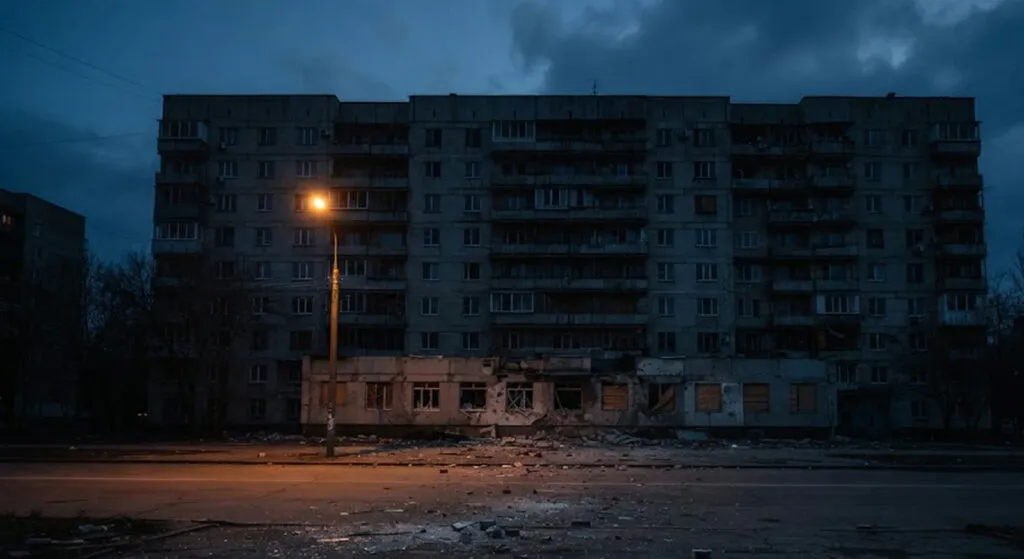
The night over Kyiv passed in waves. A dozen powerful explosions one after another, ballistic missiles on the capital, then the same scene in Odesa, Zaporizhzhia, Kryvyi Rih and Kremenchuk. Ukrainian authorities confirmed casualties and damaged infrastructure. This was not a single strike but a combined missile and drone attack on several regions at once.
Kyiv's military administration reported that debris from intercepted targets fell in at least two city districts, Podilskyi and Shevchenkivskyi, onto the courtyard of a residential building and onto an educational institution. A fire broke out somewhere, but initial reports could not confirm whether it was a direct hit. The air-raid alert was lifted, then switched back on fifteen minutes later because new targets were incoming.
The figures from the other cities show the logic of the attack. Two ballistic missiles on Kryvyi Rih, an industrial facility damaged, two people injured. Kremenchuk in the Poltava region hit with Iskander-M missiles. Zaporizhzhia struck with a KN-23, three people injured. In Odesa, explosions after warnings that fast drones were coming in from the direction of the Black Sea. None of these cities is the front line, but all of them were targets that night.
What makes this attack different is that it was foretold. US intelligence assessments had warned beforehand that Russia was preparing a combined strike with ballistic and hypersonic missiles plus a large number of attack drones and decoys, designed to overwhelm Ukrainian air defences within 48 hours. The assessment came true almost on schedule. When a warning is that accurate, the question is not whether anyone knew, but what could be done with that knowledge.
The tactic is recognisable and it is not new. So many targets are thrown at once that the system has to choose what to intercept and what to let through. The decoys burn up the defence's missiles, and the real ones pass through the gap that opens. Efficient and coldly calculated, and the price is paid by the courtyard of a residential building in Podilskyi.
In the Balkans, news like this already has a habit of being read as distant noise. Another night, another list of cities, another count of the injured. But that is precisely the danger, because getting used to it is the first step towards indifference. How long does a war have to last before it stops being news?
The latest 10 news from this category
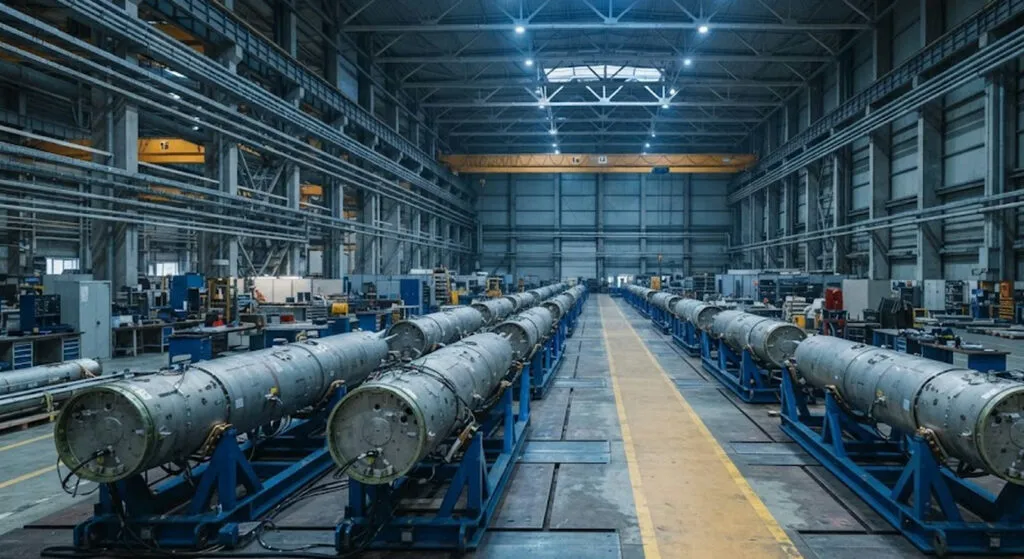
First they would not give missiles, then they gave them with rules on where they could be fired, now they...
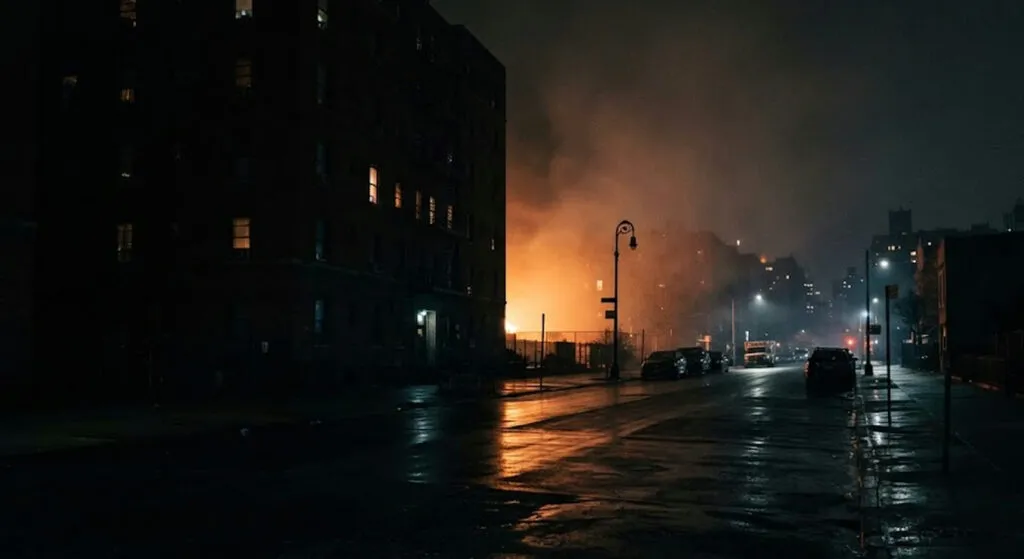
Dnipropetrovsk, Kharkiv, Chernihiv and Zaporizhzhia spent the night under drones and missiles. A shopping centre car park and residential blocks...

A plant that processes 6.25 million tonnes of oil a year. The war stopped being a line on a map...
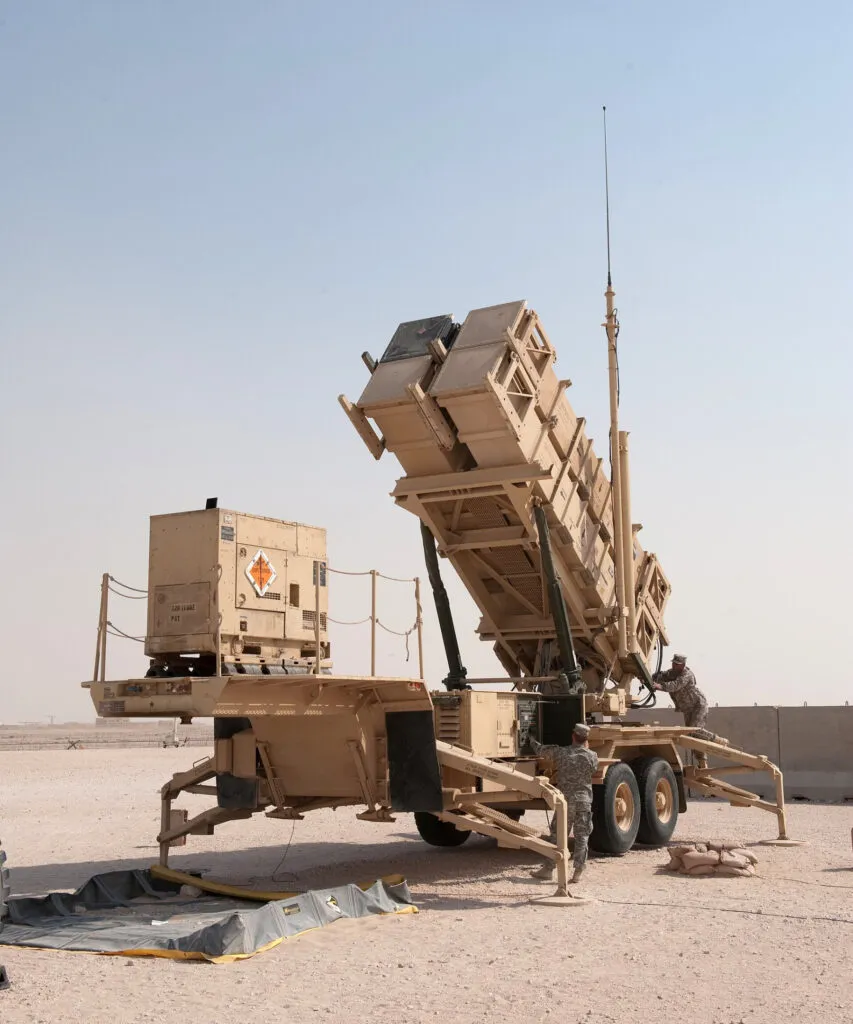
Bezmer in Bulgaria. Akrotiri in Cyprus. Missiles with a range over 2,000 kilometres. This is no longer a distant conflict...

Samara, Orenburg, Krasnodar, Adygea, Stavropol. Hundreds of evacuated workers who never decided anything about any front.
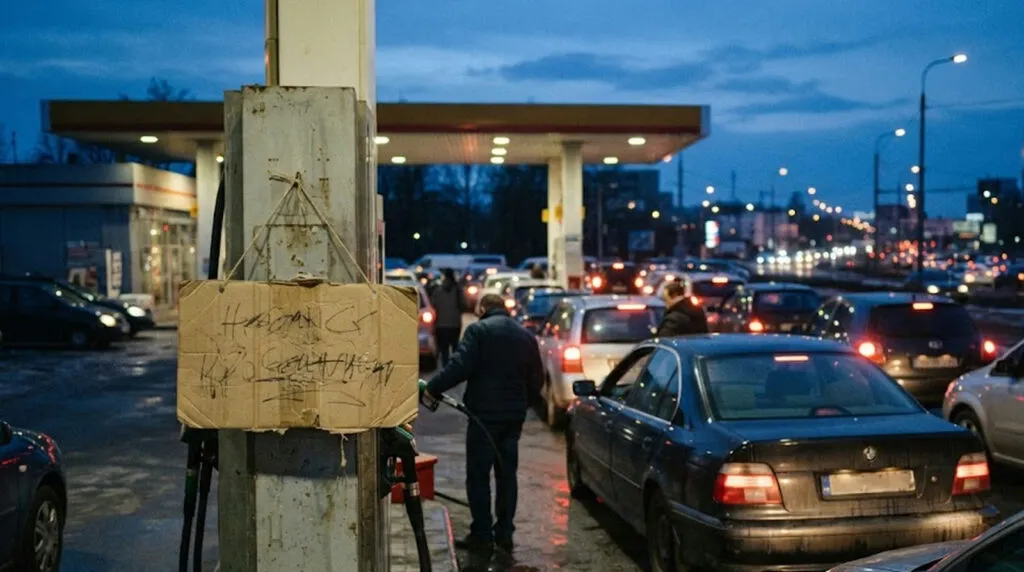
Gazprom Neft and Tatneft have restricted sales in Moscow itself. The war that ran somewhere far away for years has...
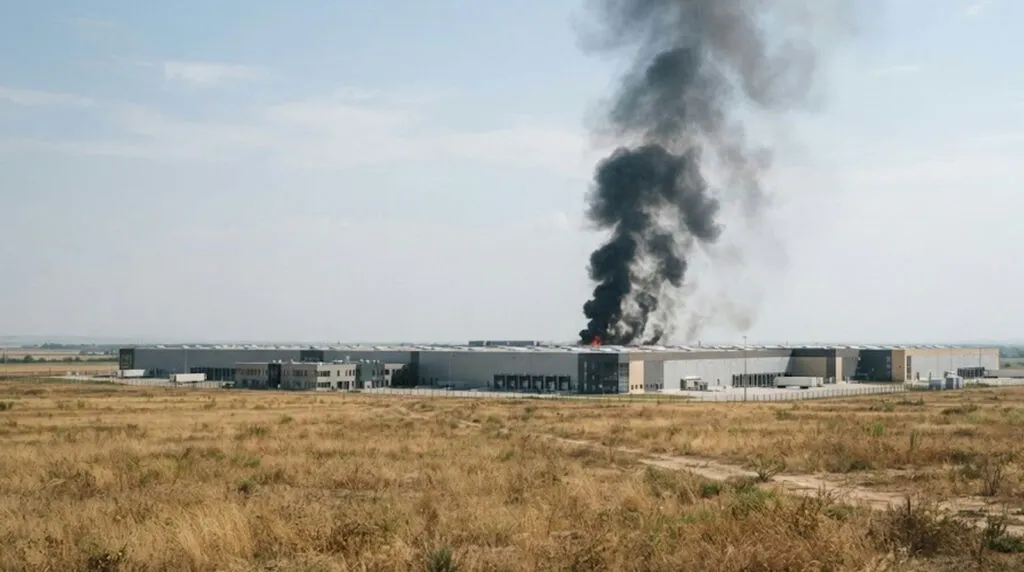
Five regions in three days, hundreds of workers evacuated and two burnt-out facilities of over 90,000 square metres each. Once...
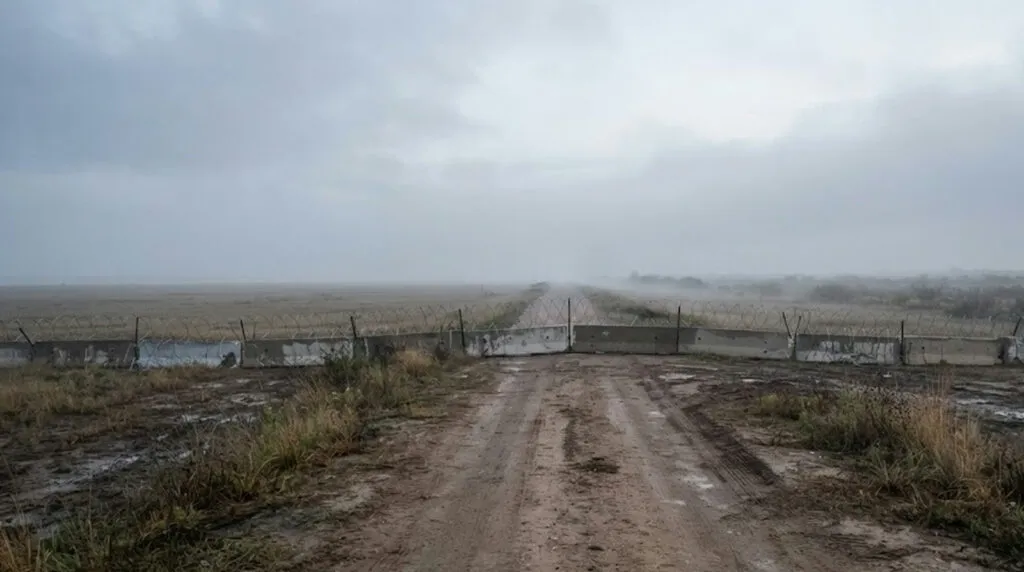
Mutual withdrawal, a buffer zone and a third party to run it. Everything is feasible except one thing - and...

Not an analysts' estimate but an admission from Kyiv itself. Funds earmarked for the second half of the year were...
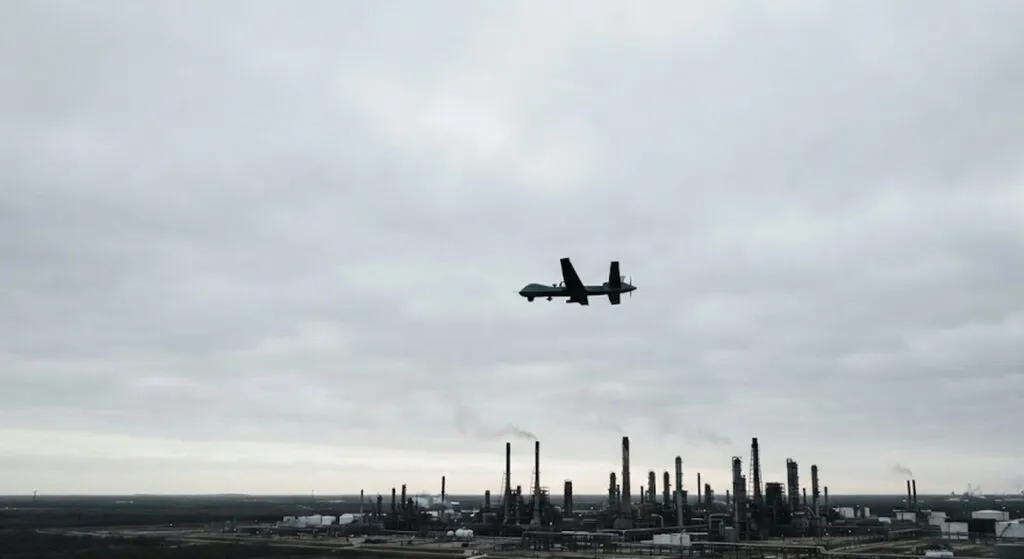
Moscow claims London is no longer just supplying weapons but taking part directly. And the Russian analyst who said it...
This site uses cookies - is that okay? Learn more
Be the first to know when Metla launches something new
Leave your email and we will write when there is a new guide or something new on Metla.