A New Criminal Complaint Against Jakimovski: A Building Permit Based on a Plan Struck Down Back in 2018
16.09.2026


16.09.2026

16.09.2026

16.09.2026
16.09.2026
16.09.2026

16.09.2026
16.09.2026
15.09.2026

14.09.2026

16.09.2026

16.09.2026

15.09.2026

16.09.2026

15.09.2026

14.09.2026

16.09.2026

16.09.2026

16.09.2026

16.09.2026

15.09.2026
15.09.2026

09.03.2026

27.02.2026

19.02.2026
16.09.2026

15.09.2026

14.09.2026

23.04.2026

23.04.2026

12.04.2026

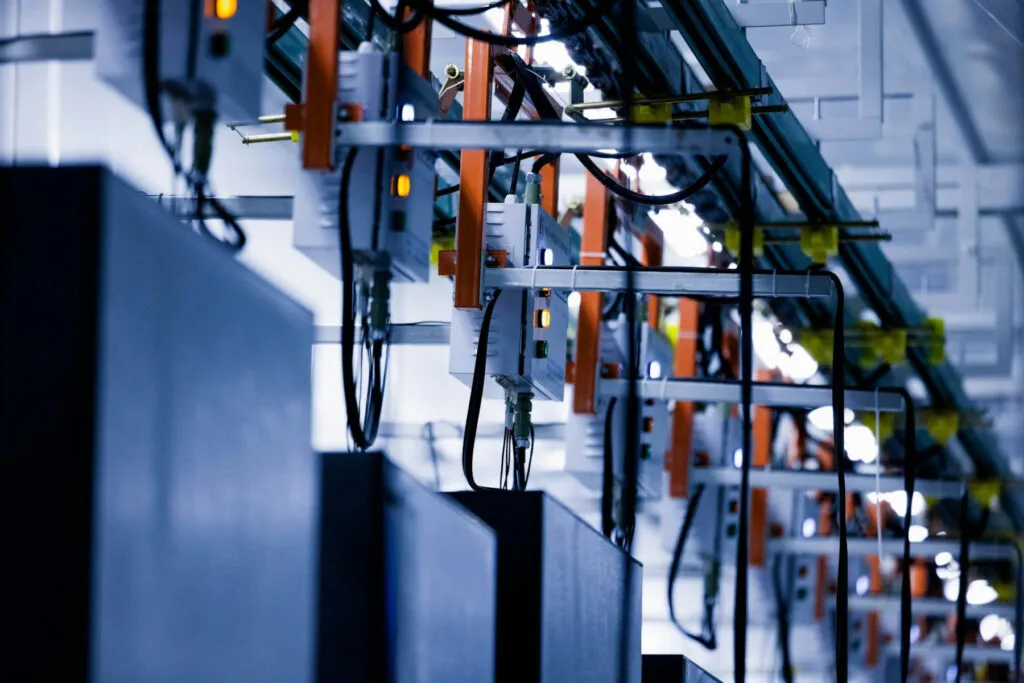
After years in which state institutions were repeatedly targeted by cyberattacks, Macedonia finally has a chosen site for its own national data centre. It will be built near the Skopje 1 and 2 technological-industrial development zones - on a plot with no fertile soil, close to a motorway and a fibre line, with enough room to add a photovoltaic plant for its own power supply should anyone ever decide to.
The total investment is fixed at 20 million euros: 70 percent for the building itself, 30 percent for the equipment. Thirty percent of the financing comes as a grant component.
The World Bank dropped out, and that is information in itself
Digital Transformation Minister Stefan Andonovski confirmed that the government is still looking for an international financier. Talks were held with the World Bank, but - according to him - it will not be able to finance the project because of misalignment with European Union requirements. Negotiations are now moving towards institutions compatible with the EU Growth Plan, such as the Council of Europe Development Bank.
That is a sentence worth reading twice. The project has been chosen, the site has been chosen, the budget is fixed - and the financier still is not. The order of operations here is rarely reversed, but it is worth remembering in two years' time when somebody asks why things are late.
Two and a half years, and hardware from 2027
From the start of construction to entry into service, two to two and a half years are foreseen. The equipment would be procured in 2027-2028, in the hope that hardware prices will have stagnated or fallen by then. The building is planned to be modular so it can be upgraded - including for artificial intelligence workloads.
At present the state has one backup data centre in Prilep, under the Interior Ministry. Everything else is scattered across institutions, server rooms and contracts nobody outside them ever sees. That is precisely why every cyberattack in recent years ended with the same sentence: "the extent of the damage is being established."
Centralisation is a risk too, not just a solution
Once it is built, state institutions will begin migrating their data to the new infrastructure. The expectation is that this will raise cybersecurity. It probably will - but centralisation has another side: when everything sits in one place, the target is also one place.
Will there be a budget for the people who maintain it? Will there be a plan for what happens if that centre goes down too? The two and a half years ahead are enough time to answer those questions. The question is whether anyone will ask them before the ribbon gets cut.
The latest 10 news from this category
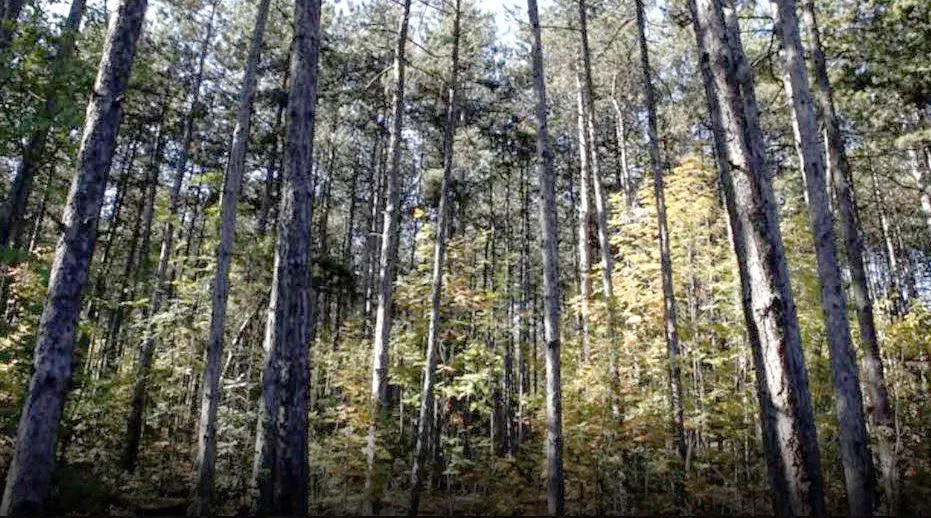
Of 9,500 square metres of greenery, 268 remain. Terrain with an 80-metre height difference, no erosion study and no opinion...
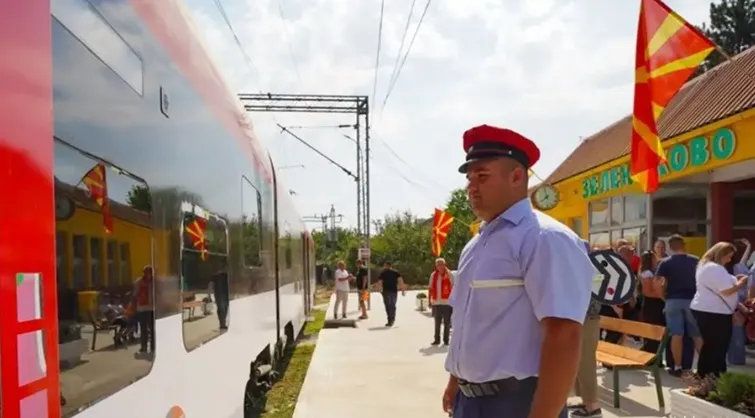
Gjorgjievski says the system should be ready by the middle of next year. The BRT tender is announced for the...
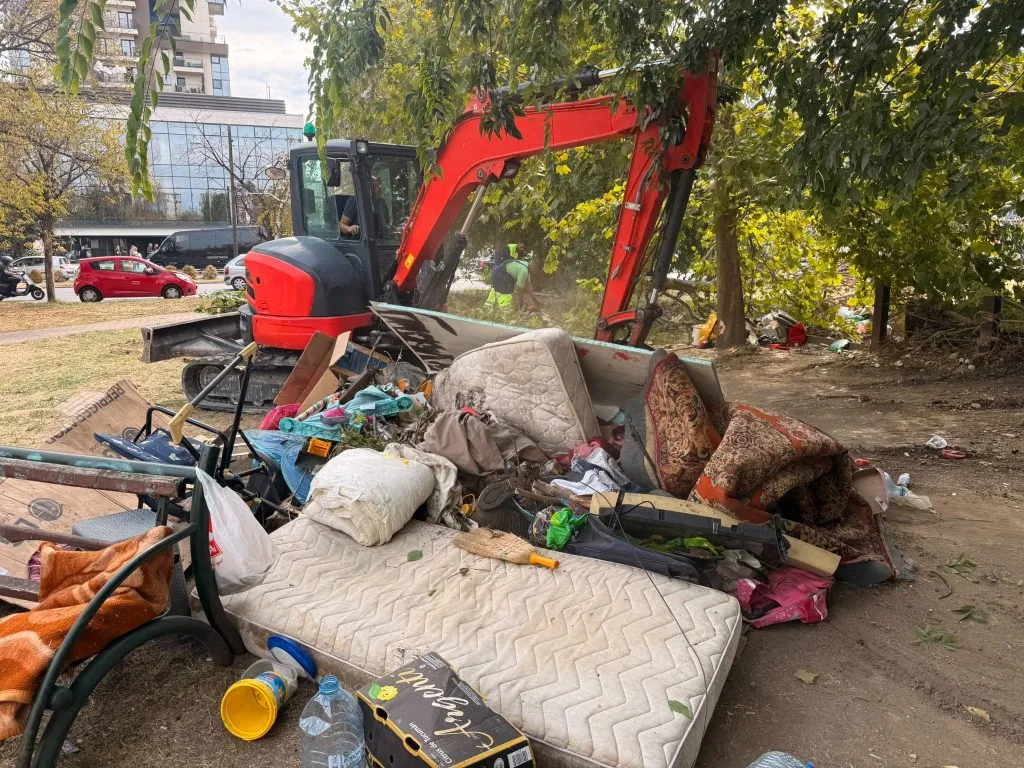
The second operation at the same site within a year. Gerasimovski himself is appealing to the Labour Ministry - because...
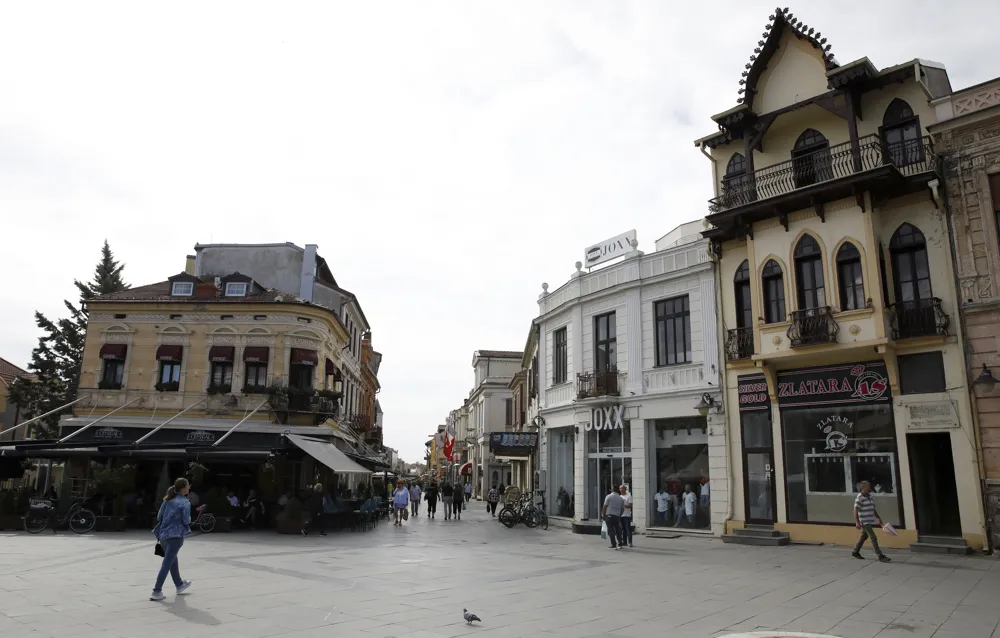
A prosumer scheme, a solar oven and electricity generated by bicycle on Magnolija square. The city that has paid the...

Stefanija Dimovska won two medals at IESO 2026, working in mixed international teams. Before that she was also national champion...
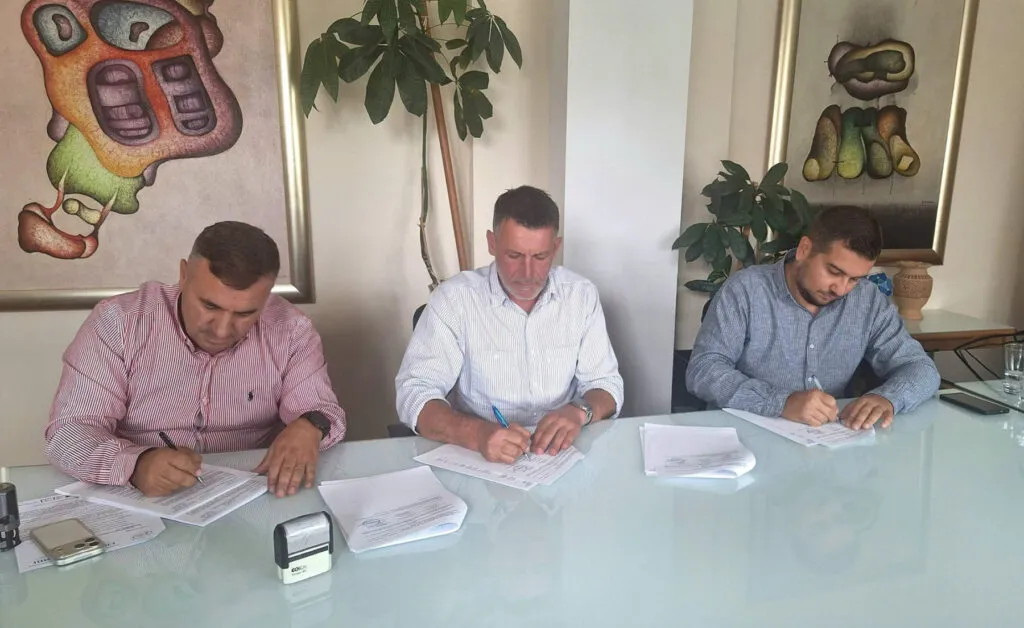
Out of nearly 4.7 million denars, the municipality is putting in around 180,000. The rest comes through the Bureau for...

Ten years working inside the health system - and she still had to pull strings to be admitted. The clinic...
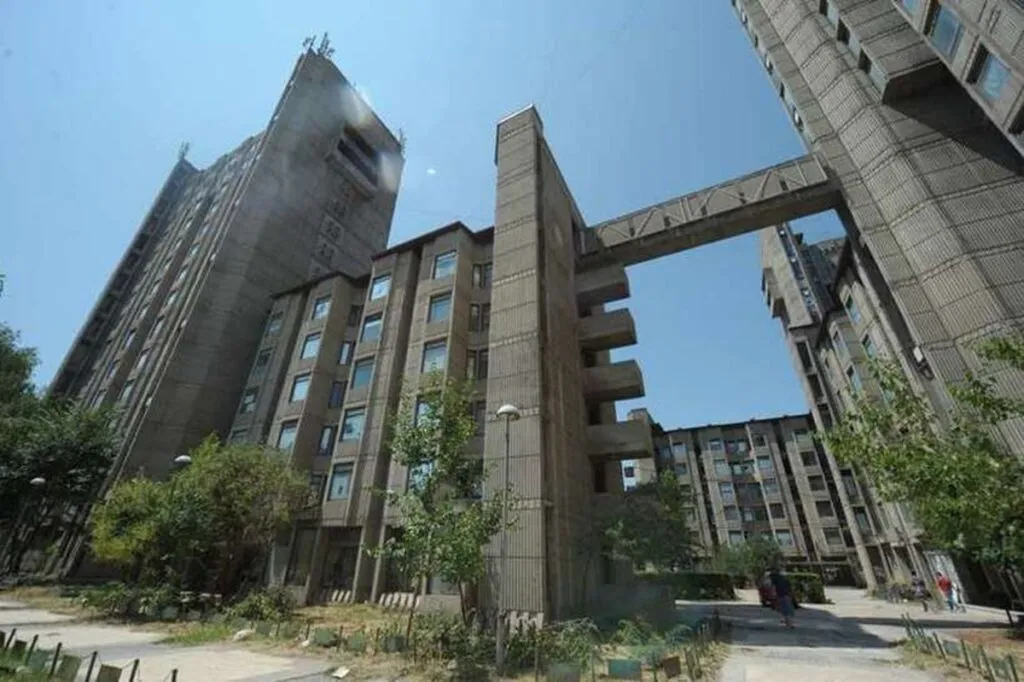
Appeals run from 15 to 25 September. There is not enough space at Goce Delčev, so students go to Stiv...
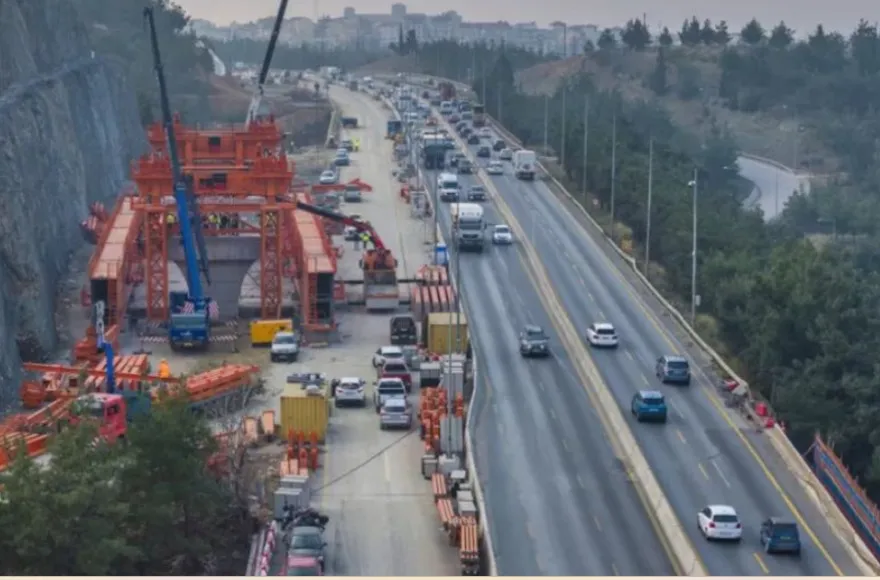
From 23:00 to 05:00 there is no getting through towards Evzoni. Towards Halkidiki - business as usual. Those heading on...
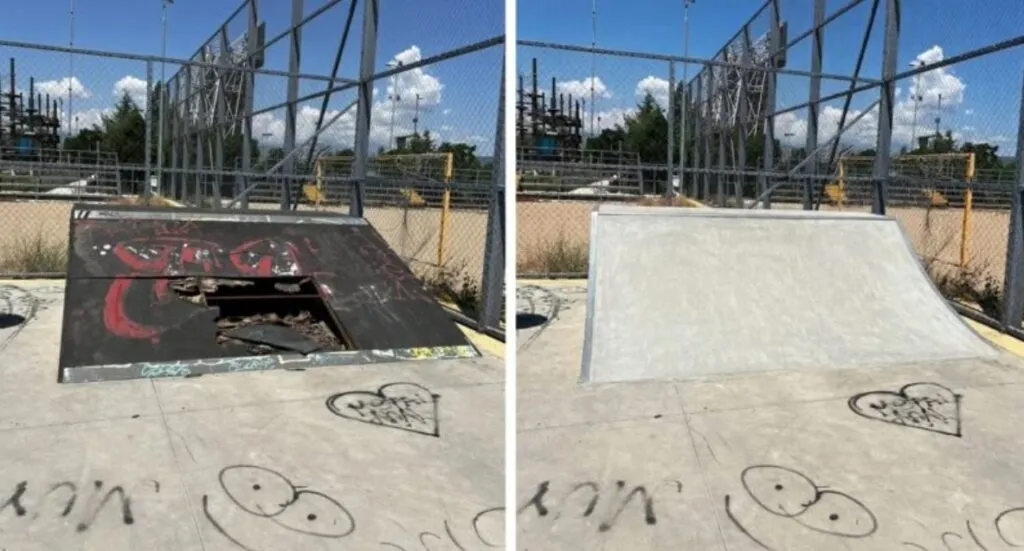
The injuries come from holes in the surface, not from tricks. The reconstruction permit has been issued - the concrete...
This site uses cookies - is that okay? Learn more
Be the first to know when Metla launches something new
Leave your email and we will write when there is a new guide or something new on Metla.