
Две пријави за еден ден: 80-годишна натепана во својот двор во Теарце, 82-годишник од Велес приведен затоа што ја тепал сопругата со години
22.08.2026


22.08.2026

22.08.2026
22.08.2026

22.08.2026

22.08.2026

22.08.2026

22.08.2026

21.08.2026

20.08.2026

22.08.2026

22.08.2026

21.08.2026

22.08.2026

22.08.2026

22.08.2026

22.08.2026

21.08.2026

20.08.2026

22.08.2026

22.08.2026

22.08.2026

22.08.2026

22.08.2026

21.08.2026

09.03.2026

27.02.2026

19.02.2026

22.08.2026
21.08.2026

20.08.2026

23.04.2026

23.04.2026

12.04.2026

Twenty-five aircraft in a single day, over a piece of land about the size of two of our statistical regions. That is what Washington ordered over Kaliningrad on Tuesday, and it is not a number somebody happened to add up - it is a message written with engines, not with notes.
Among them, fighters from the US and Norway, the E-3A early warning and command aircraft, Polish ground forces, tanker aircraft, reconnaissance planes. German media put the whole operation at 25 allied aircraft. NATO spokesman Colonel Marty O'Donnell confirmed the exercise was real and that the alliance „continuously refines its defence capabilities”. A formulation that denies nothing.
One aircraft drew the most attention - the EA-37B „Compass Call”, an American electronic warfare platform. For almost two hours it circled in Polish airspace right next to the Russian exclave. According to the specialist military portal tracking this, it is the first recorded appearance of this type so close to Kaliningrad. It is a heavily modified „Gulfstream G550” business jet, converted into a machine that detects enemy radars and communication systems, fixes their position, then blinds and jams them. The US Air Force has only a handful of these - the first training flight was in May 2025, and ten in total have been ordered.
Who commands when everyone takes part
Here is the detail worth holding on to. Several alliance members took part in the operation, but the control was American. Norwegian and American fighters, Polish infantry, the E-3A aircraft - all under one command, and that command is not European. For an alliance that has talked for years about „European strategic autonomy”, that is a fairly concrete answer to the question of who is actually holding the controls.
Also in the air was ARTEMIS II, an American reconnaissance aircraft for gathering intelligence, while over the Baltic Sea the British P-8A „Poseidon” circled, designed to detect submarines. So: target detection, data collection, command and electronic jamming - all packed into one air group, in one day.
Why this particular piece of land
The Kaliningrad region is physically separated from the rest of Russia, squeezed between Poland and Lithuania, with access to the Baltic Sea. It holds missile systems capable of carrying nuclear weapons, anti-ship missiles, air defence, combat aviation and thousands of soldiers. It is also one of Russia's main electronic warfare hubs on the Baltic.
Below it lies the Suwalki corridor - a narrow strip between Kaliningrad and Belarus that connects Poland with Lithuania and the rest of the Baltic states. In NATO's military analyses that axis has for years been listed as the most sensitive point on the eastern flank. Not as a theory, but as a place where one closed path would mean three countries cut off from any land link.
The military expert at the Bundeswehr University, Carlo Masala, put it most briefly: „A significant concentration of air forces around Kaliningrad. We can only hope Russia understood the message.”
We hope. That is the word. The entire logic of a show of force rests on the assumption that the other side will read the message the way it was sent - and not as preparation for something else. The Balkans know this scene by heart: the signal meant to calm, understood as a threat. The question is not whether Moscow saw the exercise - that much is certain. The question is what it will read into it.
The latest 10 news from this category
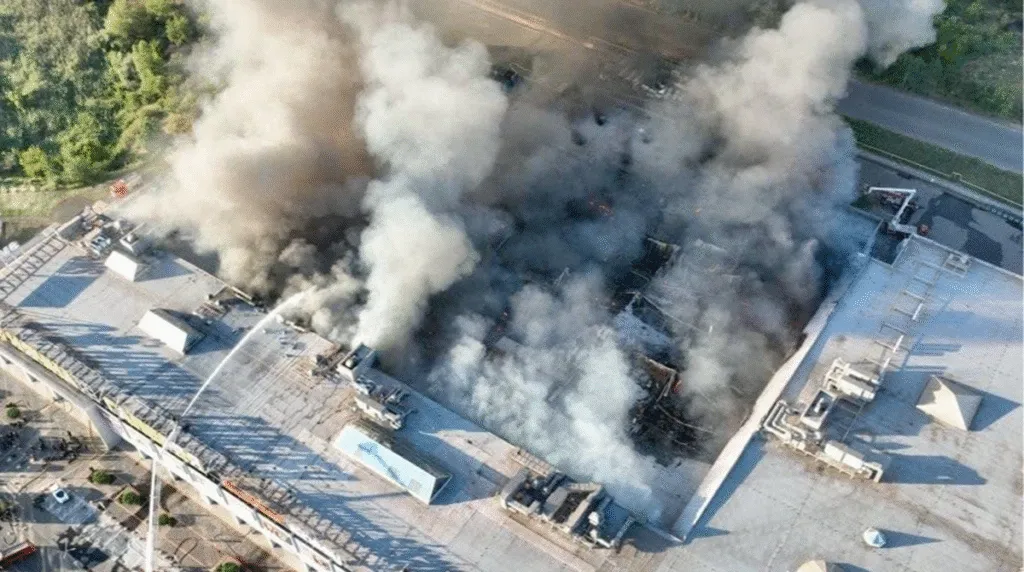
Првиот бран удри попладне, кога центарот беше полн. Половина час подоцна дојде вториот - додека пожарникарите гаснеа. Тоа не е...
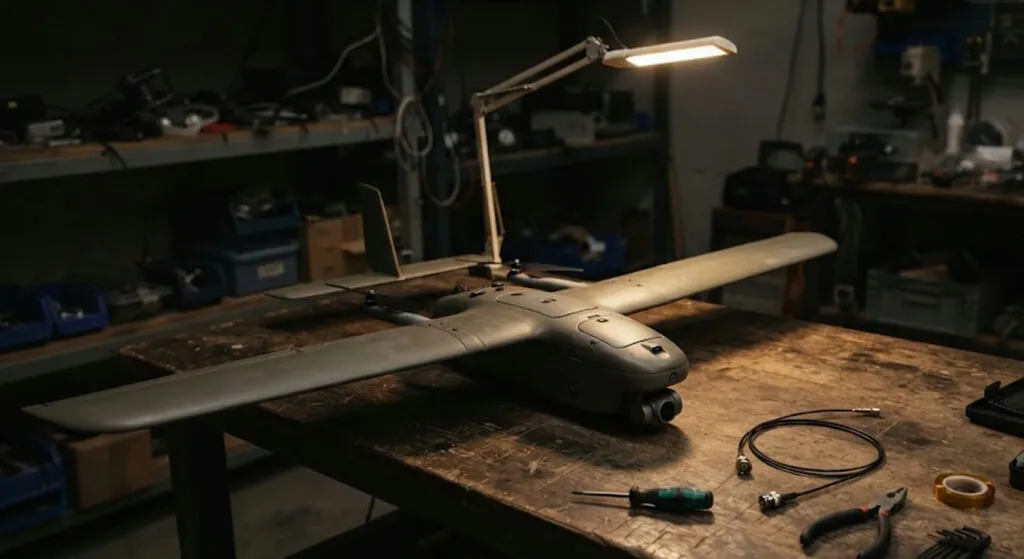
Украина побара дозвола за напади до 200 километри длабочина во Русија. Позади одбивањето стои поголема бројка - глобална несташица на...
Zelensky said Russia attacked a crossing on the Moldovan border with drones. Three days earlier something had already exploded on...

A night missile strike on Kyiv and the surrounding region, warehouses and plants hit. The heaviest accusation did not come...

The general tied to a harsher phase of the war is back in play, and an American colonel claims Odesa...
A one-word message between two states that are both formal partners of the West. Turkey is a NATO member, and...
Sources close to Tehran say American targets in Bulgaria and Cyprus have entered the calculation for a possible Iranian response....
For years Russian fighters have not gone in that deep. This one went in, launched a missile and came back...
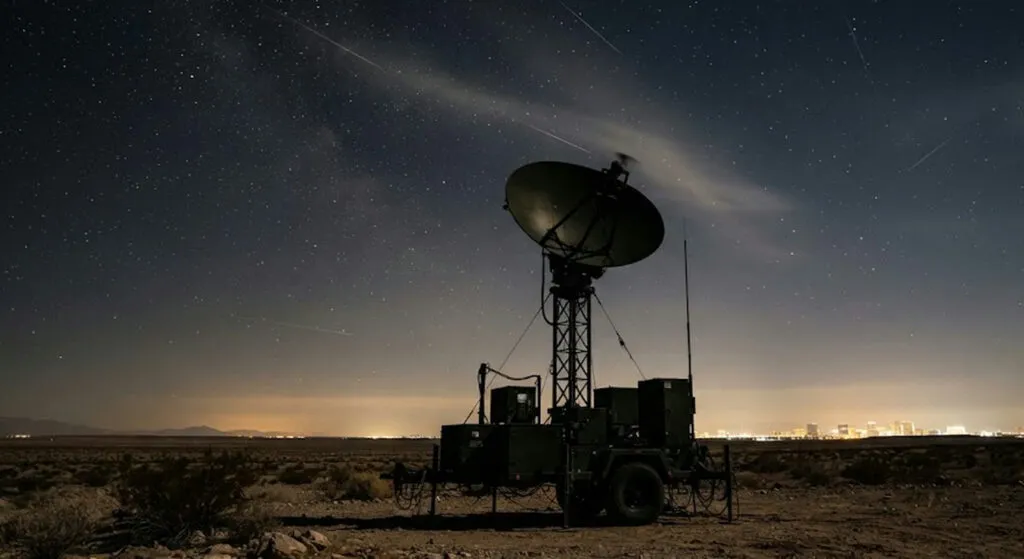
Emirati air defence detected a missile threat and residents were told to seek shelter. The first such case since May...
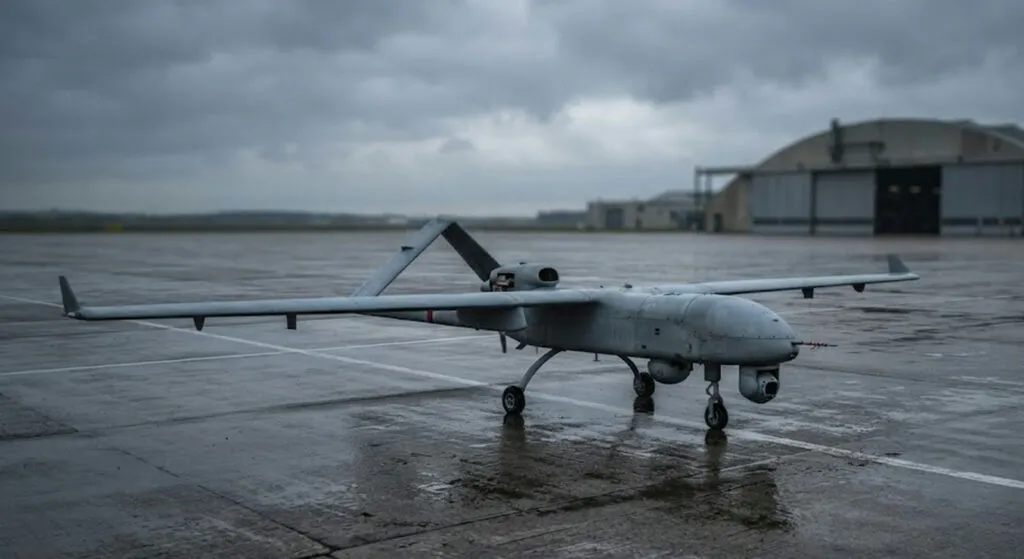
The rule that Western weapons do not go deep into Russia has fallen. Russia's embassy threatened consequences, Britain replied it...
This site uses cookies - is that okay? Learn more
Be the first to know when Metla launches something new
Leave your email and we will write when there is a new guide or something new on Metla.