

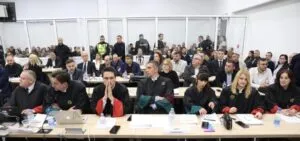
Experts on the Puls fire: the ceiling foam released cyanide as it burned, and the inspector could and should have shut the place down
02.09.2026


02.09.2026
02.09.2026
02.09.2026
02.09.2026
02.09.2026

02.09.2026

02.09.2026

01.09.2026

31.08.2026

02.09.2026

02.09.2026

01.09.2026

02.09.2026

02.09.2026

02.09.2026

02.09.2026

01.09.2026

31.08.2026

02.09.2026

02.09.2026

02.09.2026

02.09.2026
01.09.2026
31.08.2026

09.03.2026

27.02.2026

19.02.2026

02.09.2026

01.09.2026

01.09.2026

23.04.2026

23.04.2026

12.04.2026
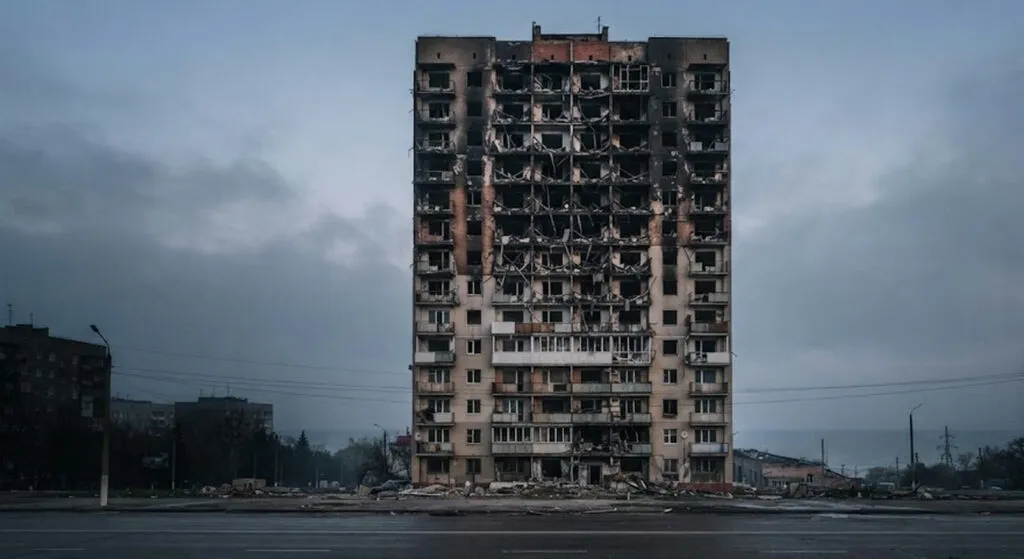
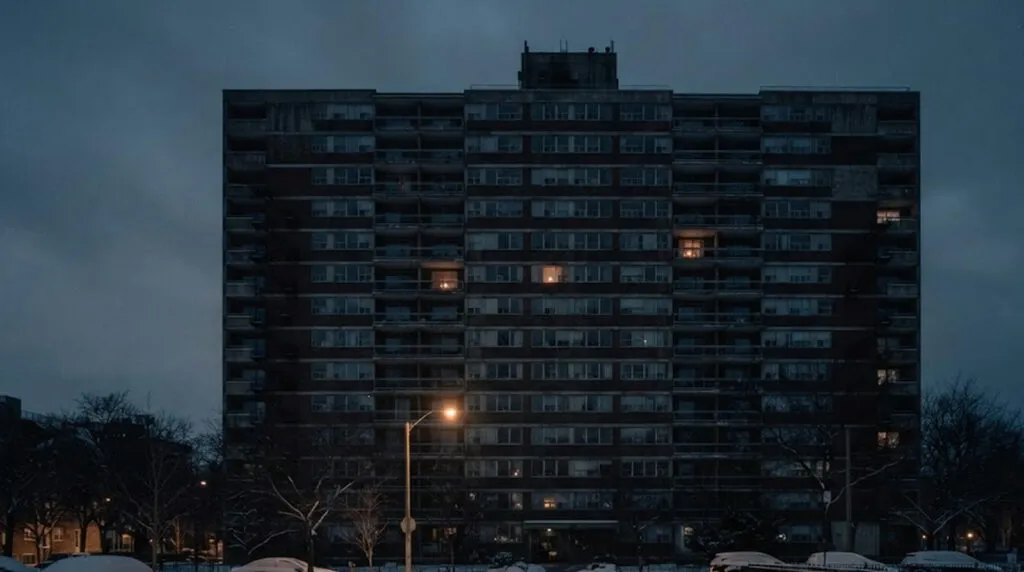
It rained from the sky over Odesa again last night. At least eight people were injured, one of them a child, and two were hospitalised. Infrastructure and residential buildings were hit, and in one 24-storey tower the flats from the 17th to the 23rd floor were destroyed. Windows were blown out in the surrounding buildings. That is what one night left behind.
But the number that explains this night is not eight. It is 80 percent - the share of Russian strikes on infrastructure in Odesa now carried out, according to Ukrainian officials, with one and the same weapon.
A missile that costs little and does a great deal
It is the Banderol cruise missile (S8000), developed in 2025, which has appeared in the war with growing frequency in recent months. It is smaller than standard Russian cruise missiles, but carries capabilities that used to belong only to far more expensive projectiles. A range of around 500 kilometres, a speed of roughly 700 kilometres an hour, a warhead of 114 to 150 kilograms depending on configuration.
The key word is "cheaper." The whole point of the Banderol is mass production at low cost. Aerial bombs and ballistic missiles were used in the same attack - but the combination works because its most numerous element is also its cheapest.
Military experts assess that these missiles significantly worsen the security situation along the entire Ukrainian Black Sea coast. Not because they are more powerful, but because there are more of them. Air defence is counted piece by piece: every interceptor launched at a Banderol costs more than the target it brings down. When one side can produce more missiles than the other can afford interceptors, the arithmetic settles the war on its own.
A weapon that changes the calculation
That is the change worth noting from this night in Odesa. Not the number of injured - that, sadly, looks similar almost every week. The change is that volume has become more important than precision, and the economics of the war have outgrown the technology.
Twenty-four floors. Seven destroyed upper storeys. Eight injured, one a child. And a missile designed precisely so that another thousand just like it can be made.
The Black Sea is not distant geography for this region. What is being tested over Odesa today becomes standard equipment on the European arms market tomorrow - and nobody is promising it will stay there.
The latest 10 news from this category
Zelensky warned airlines and insurers that Russian airspace would de facto close. Putin answered with a sentence that shuts every...
First they would not give missiles, then they gave them with rules on where they could be fired, now they...
Ukraine asked for permission to strike up to 200 kilometres inside Russia. Behind the refusal sits a bigger number -...
Zelensky said Russia attacked a crossing on the Moldovan border with drones. Three days earlier something had already exploded on...
A night missile strike on Kyiv and the surrounding region, warehouses and plants hit. The heaviest accusation did not come...

The general tied to a harsher phase of the war is back in play, and an American colonel claims Odesa...
The front line is not moving, the negotiating table is empty, so what remains is striking deeper into the other...
Over 30,000 killed and wounded a month, a thousand new soldiers a day - and they only plug the holes....
Before the war it had almost 60 gigawatts. Today it has twelve. And if the strikes continue at the same...
A former defence minister said the number out loud. When a state spends resources finding the people it already mobilised,...
This site uses cookies - is that okay? Learn more
Be the first to know when Metla launches something new
Leave your email and we will write when there is a new guide or something new on Metla.
