

Kratovo man stabs police officer mid-intervention: prosecutors want the 40-year-old detained
15.09.2026


15.09.2026

15.09.2026

15.09.2026

15.09.2026

15.09.2026
15.09.2026

15.09.2026

14.09.2026

13.09.2026

15.09.2026

15.09.2026

14.09.2026

15.09.2026

15.09.2026

15.09.2026

15.09.2026

14.09.2026

13.09.2026

15.09.2026

15.09.2026

15.09.2026

15.09.2026

15.09.2026

14.09.2026

09.03.2026

27.02.2026

19.02.2026

15.09.2026

14.09.2026

14.09.2026

23.04.2026

23.04.2026

12.04.2026

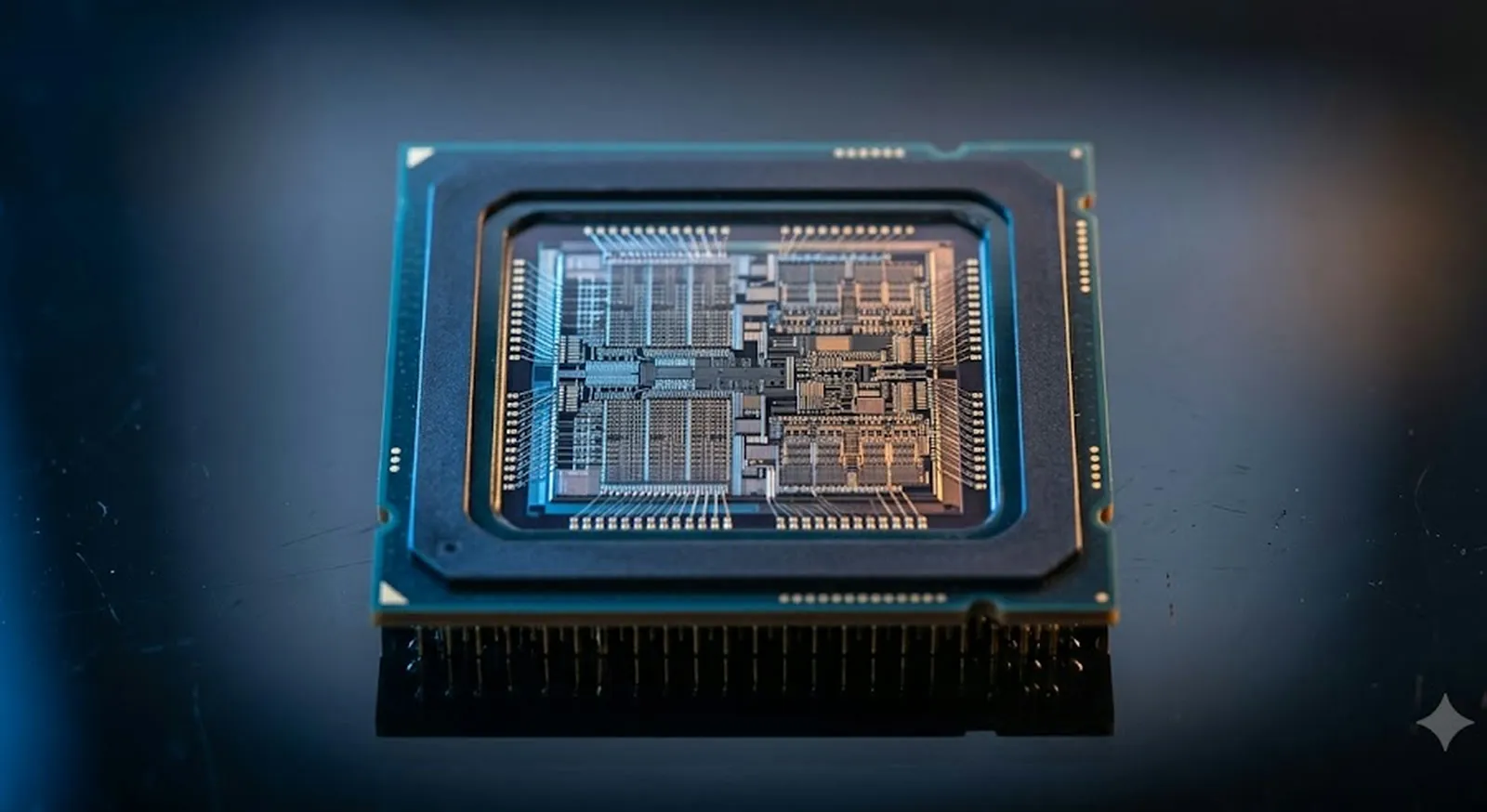
OpenAI no longer wants to depend solely on someone else's hardware. The company has unveiled its first chip, designed together with Broadcom and named Jalapeño, intended specifically for their artificial intelligence systems. The partnership was announced back in October, and the intention is clear as day: less reliance on Nvidia's expensive graphics processors, which today dictate both prices and availability across the whole industry.
The chip is still being tested, but according to the company the first results show a significantly better performance-per-watt ratio than existing solutions on the market. In plain terms that means one thing - a smaller electricity bill when the models are running, which in a world where data centers swallow energy like small cities is no trifle.
Jalapeño is built for so-called inference - the process when an already-built AI model answers users' requests in real time. The heavier work, like training models from scratch, will probably still go through Nvidia. But even a small cut in the cost per operation, multiplied by millions of requests a day, turns into serious money.
The logic behind the move was explained by OpenAI's president, Greg Brockman: „We have a deep understanding of the workload. We looked for specific tasks that are underserved and asked how to build something that would speed up what's possible." Behind every such statement, though, sits a simpler calculation: whoever makes the chip controls the costs - and whoever controls the costs controls the future of the business.
With this, OpenAI follows the path Google and Amazon have already walked with their own AI accelerators. The picture is bigger than one chip: the company already builds models, products, and data centers, and now the silicon beneath them too. When one firm holds the whole vertical from chip to app, the question for the rest of the market isn't whether it will be able to compete, but whether there'll be any room left to breathe at all.
The latest 10 news from this category
A scientist at the same company puts the probability of human extinction above 10 percent within the next decade. The...
The president called in while the event was running, and the man who makes the chips answered that there would...

No virus attached, no suspicious file. Just a box that looks like the "I am not a robot" check and...
A researcher quit because the firms are gambling with our lives. Instead of denying it, Anthropic confirmed it - with...

Write a sentence, get a game. Until now it worked only in New Zealand, now in Belgrade too. Creators on...

When the two biggest firms in an industry ask for rules on how fast anyone may run, the rules rarely...

Not a single password fell. What fell was the assumption that a request from a government domain is automatically a...

The biggest names in mathematics have signed a letter against the AI labs. The dispute is not whether the machine...

Five campaigns, 200 million exchanges, and the defences fell to a request for a Japanese translation. The industry that harvested...

The hackers were inside for a whole year. The company confirmed it only after a journalist found his own licence...
This site uses cookies - is that okay? Learn more
Be the first to know when Metla launches something new
Leave your email and we will write when there is a new guide or something new on Metla.
