

Kratovo man stabs police officer mid-intervention: prosecutors want the 40-year-old detained
15.09.2026


15.09.2026

15.09.2026

15.09.2026

15.09.2026

15.09.2026
15.09.2026

15.09.2026

14.09.2026

13.09.2026

15.09.2026

15.09.2026

14.09.2026

15.09.2026

15.09.2026

15.09.2026

15.09.2026

14.09.2026

13.09.2026

15.09.2026

15.09.2026

15.09.2026

15.09.2026

15.09.2026

14.09.2026

09.03.2026

27.02.2026

19.02.2026

15.09.2026

14.09.2026

14.09.2026

23.04.2026

23.04.2026

12.04.2026

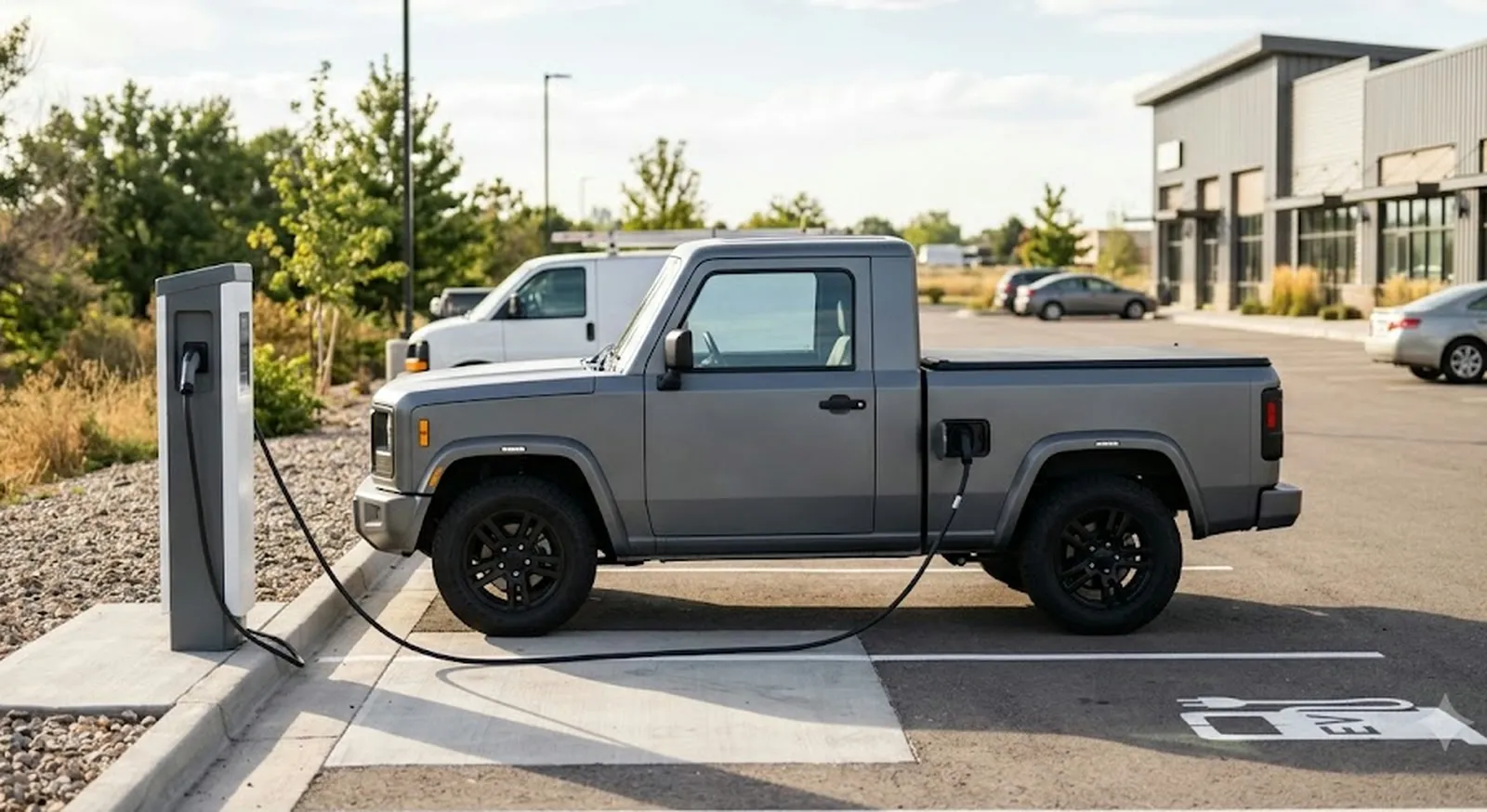
For years electric vehicles have been sold as a toy for the rich. Slate Auto, the startup backed by billionaire Jeff Bezos, has now gone the opposite way and announced the price of its electric pickup: 24,950 dollars (around 23,000 euros). That's half the average price of a new vehicle in the US - and a rarity in a world where every new electric model competes to be the most expensive.
The price, of course, is before taxes, registration, and extra equipment, and orders have only just begun. The company also announced it has increased the base model's range from around 240 to about 330 kilometers, but in return it dropped plans for a bigger battery. A classic trade-off - a more affordable price, less luxury.
And luxury there truly isn't. The vehicle comes with crank windows, no screen and no infotainment system, in a single grey color with no paint options. None of that is a mistake but a strategy: paint factories cost serious money, so instead Slate will offer buyers wraps for customization. The basic two-seat pickup can be turned at home or at a mechanic's into a five-seat SUV, which will in turn cost 29,950 dollars.
Slate won't have classic dealerships - it sells directly to buyers, the way Tesla, Rivian, and Lucid do. It sounds modern, but it also carries risk: without a network of service centers and dealers, all the trust falls on a young company that has yet to prove it can deliver.
Hanging over all of this is politics too. With Trump's second administration and Republican control of Congress, environmental standards have been loosened and the federal 7,500-dollar subsidy for electric vehicles has been scrapped. The result - many manufacturers have postponed or frozen plans for new electric models in the US. At a moment like this, Slate's cheap pickup is either a bold bet or a leap at the wrong time. Who's right will be shown by the first deliveries, not the marketing.
The latest 10 news from this category
A scientist at the same company puts the probability of human extinction above 10 percent within the next decade. The...

The president called in while the event was running, and the man who makes the chips answered that there would...

No virus attached, no suspicious file. Just a box that looks like the "I am not a robot" check and...

A researcher quit because the firms are gambling with our lives. Instead of denying it, Anthropic confirmed it - with...

Write a sentence, get a game. Until now it worked only in New Zealand, now in Belgrade too. Creators on...

When the two biggest firms in an industry ask for rules on how fast anyone may run, the rules rarely...

Not a single password fell. What fell was the assumption that a request from a government domain is automatically a...

The biggest names in mathematics have signed a letter against the AI labs. The dispute is not whether the machine...

Five campaigns, 200 million exchanges, and the defences fell to a request for a Japanese translation. The industry that harvested...

The hackers were inside for a whole year. The company confirmed it only after a journalist found his own licence...
This site uses cookies - is that okay? Learn more
Be the first to know when Metla launches something new
Leave your email and we will write when there is a new guide or something new on Metla.
