
Cancer Drug in a First Aid Kit at Bogorodica: Why Was the Driver Also Carrying 30 Labels?
22.10.2026


22.10.2026
22.10.2026

22.10.2026
22.10.2026

22.10.2026

22.10.2026

22.10.2026

22.10.2026

21.10.2026

22.10.2026

22.10.2026

21.10.2026

22.10.2026

22.10.2026

22.10.2026

22.10.2026

21.10.2026

20.10.2026

22.10.2026

22.10.2026

21.10.2026

22.10.2026

21.10.2026

20.10.2026
22.10.2026

20.10.2026

19.10.2026

23.04.2026

23.04.2026

12.04.2026

The State Department has ordered some diplomatic staff and their families to leave Saudi Arabia. Four US officials confirmed that similar measures are being prepared for the families of diplomats in the other Gulf states. Spokesman Tommy Pigott confirmed the decision on Saudi Arabia and clarified that it applies to non-emergency employees and their family members. The reason: increasingly fierce attacks by Yemen's Houthis, who are backed by Iran.
The weight of the decision lies in its timing. Over the past months, Washington had been gradually bringing people back to the missions it evacuated after the start of the US-Israeli war against Iran at the end of February. Now the process is going into reverse. That in itself doesn't mean a new US military operation has been decided - but when diplomats are packing, it's rarely because of good news.
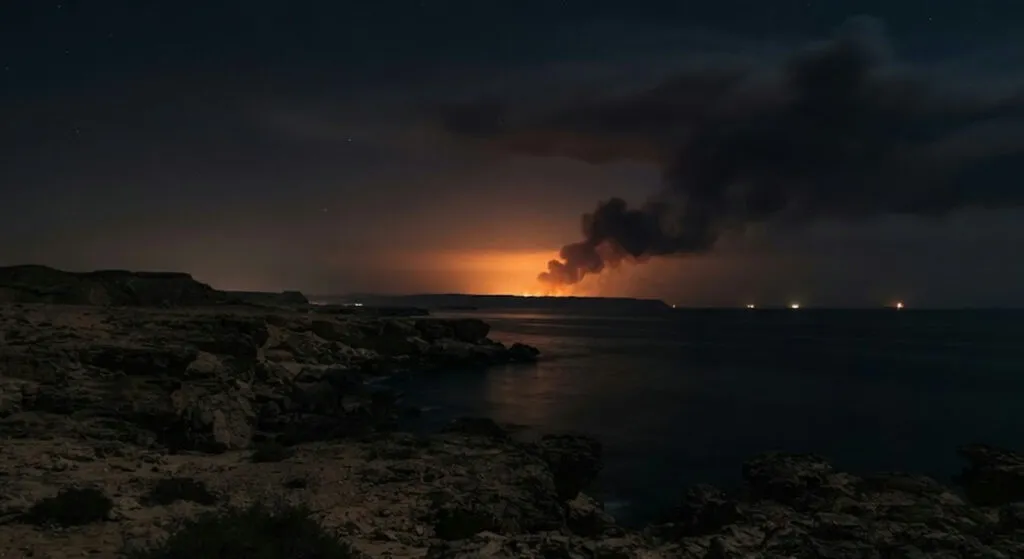
While Washington counts its people, Iran's state agency IRNA reported several explosions in Hormozgan province in southern Iran, in the Karpan area, near the town of Sirik, on the coast of the Gulf of Oman and close to the entrance to the Strait of Hormuz. What caused them, whether there are casualties and whether they're linked to the US decision - nobody is saying for now. Videos are circulating on social media claiming it was a US airstrike on an Iranian anti-ship missile launcher, but nobody has officially confirmed that.
Meanwhile, the Houthis are hitting Saudi Arabia. In recent weeks their targets have been civilian airports and other key infrastructure, with people killed and injured. King Khalid International Airport in Riyadh, targeted several times in October, has been closed since October 10 and has only now partly resumed domestic flights, while Lufthansa and Air France have cancelled flights until mid-November. Debris from an intercepted drone fell on the Shaybah oil field, operated by Aramco - two workers from Nepal and the Philippines were killed, and two more, from Pakistan and India, were injured.
In Yemen itself it's even worse. In a Houthi missile attack on a camp of Yemeni government forces in Shabwa province, at least 73 people were killed, more than 200 wounded and 14 are listed as missing. The 2022 truce, which for years kept the big clashes under a lid, fell apart this year. The fighting has again reached the Bab el-Mandeb strait, through which shipping between the Red Sea and the Gulf of Aden passes.
Hormuz and Bab el-Mandeb - the two sea gates through which a huge share of the world's oil and goods passes - are back in the line of fire. Eight months after the first US-Israeli strikes on Iran, the war isn't ending, it's only changing shape. How many times has the Balkans heard that a war is "almost over"?
The latest 10 news from this category

Patriot missiles at 12 a month, Starshield restricted, and now advice from the allies: don't anger Washington. Ukraine is heading...
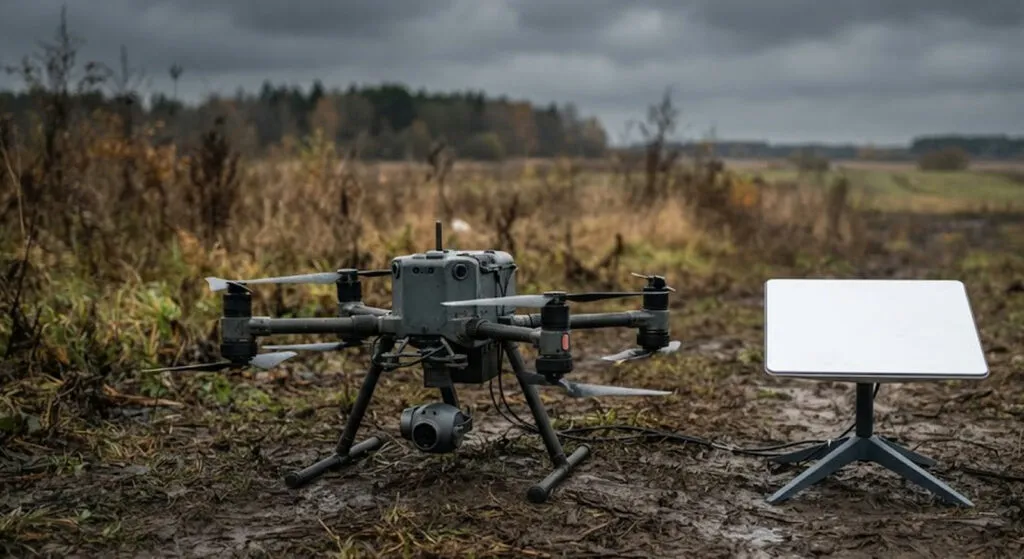
One billionaire's decision, and Ukrainian drones lose their link mid-flight. When a war depends on someone else's satellite, who is...
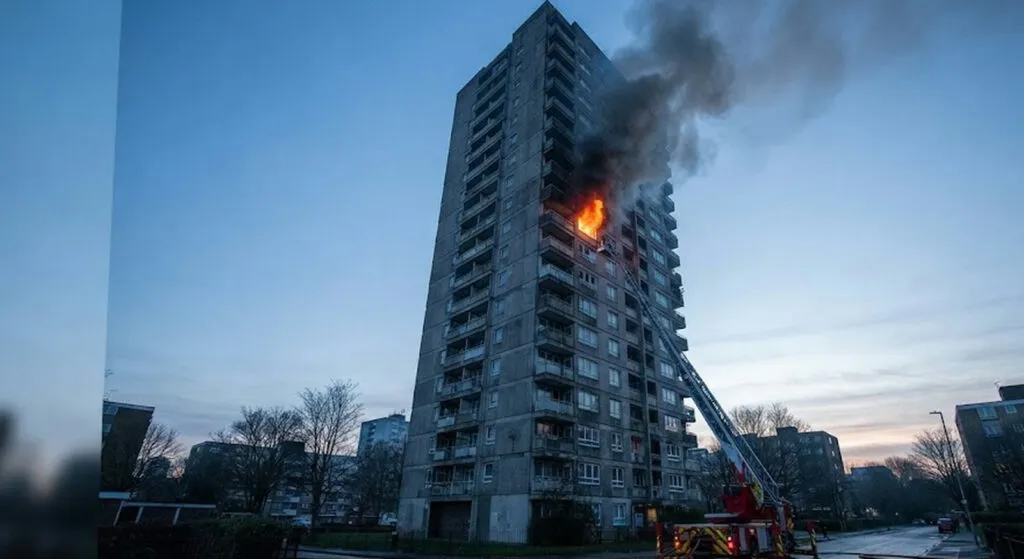
At seven in the morning a drone slammed into a flat on the twentieth floor and two people were killed....
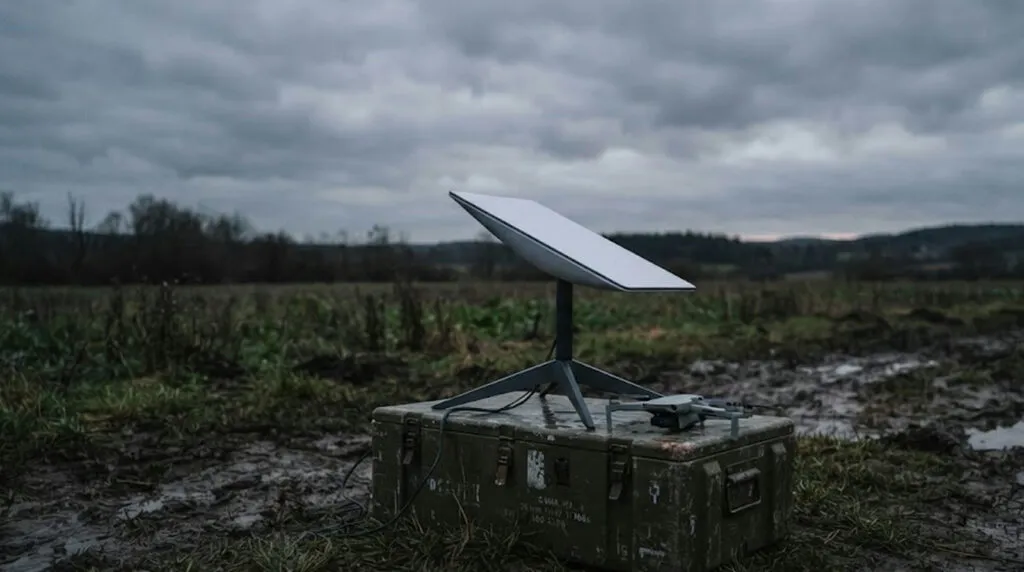
The terminals lost connection above 160 kilometres an hour, and an interceptor drone has to fly faster than that. Trump...
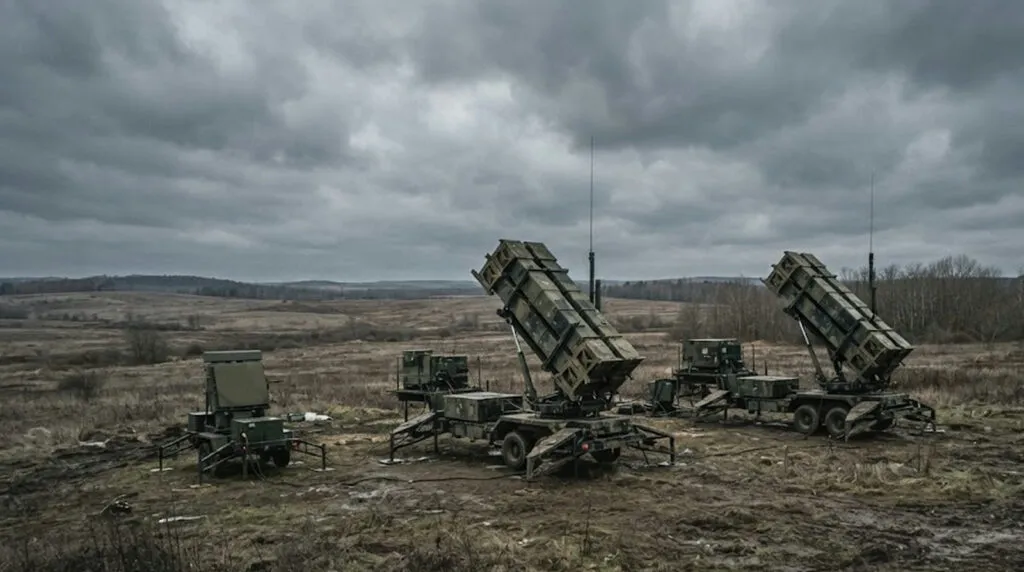
European allies have missiles for Kyiv, but without a green light from Washington they can't send them. What is a...

Six dead, among them a girl just over a year old who was in her pushchair. Kyiv is asking for...
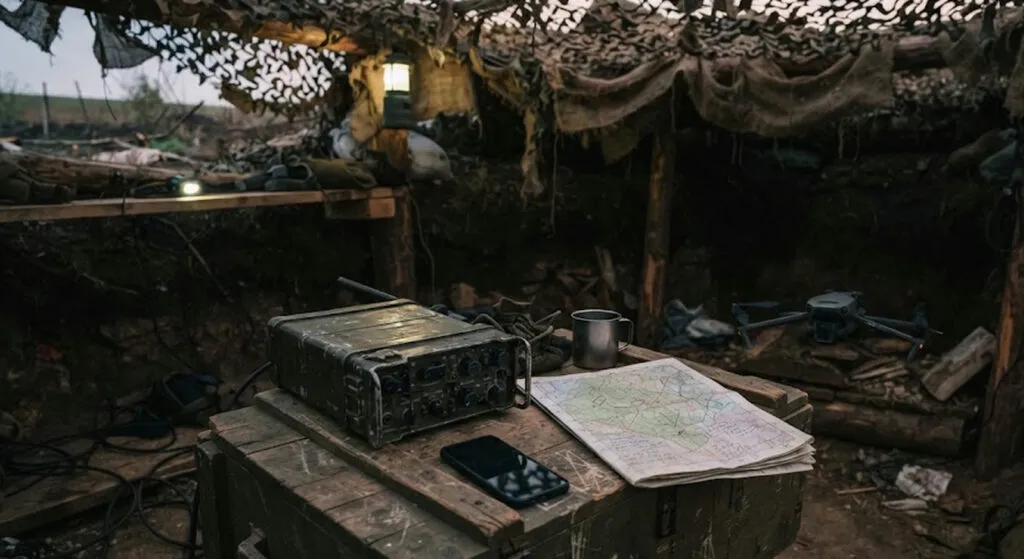
Lev Stupnikov did not ask for a single cent for the information - he photographed the officers' gathering, complained of...
Israel's minister condemned the attack - and in the same breath scolded the diplomats for not notifying the army. When...
The energy truce Trump imposed unilaterally has collapsed, and the war has reached a city 856 kilometres north of the...
The tanker that burned in Hormuz still has no name, but Tehran already knows whose fault it is. And who...
This site uses cookies - is that okay? Learn more
Be the first to know when Metla launches something new
Leave your email and we will write when there is a new guide or something new on Metla.