Four Injured in Crash With Police Vehicle Near Kicevo: The Statement Says Everything Except Who Is at Fault
28.08.2026


28.08.2026
28.08.2026

28.08.2026
28.08.2026

28.08.2026
28.08.2026
28.08.2026
27.08.2026
26.08.2026
28.08.2026
28.08.2026
27.08.2026
28.08.2026
28.08.2026
28.08.2026
28.08.2026
27.08.2026
26.08.2026

28.08.2026

28.08.2026
28.08.2026
28.08.2026

28.08.2026
27.08.2026

09.03.2026

27.02.2026

19.02.2026
28.08.2026
27.08.2026
26.08.2026

23.04.2026

23.04.2026

12.04.2026
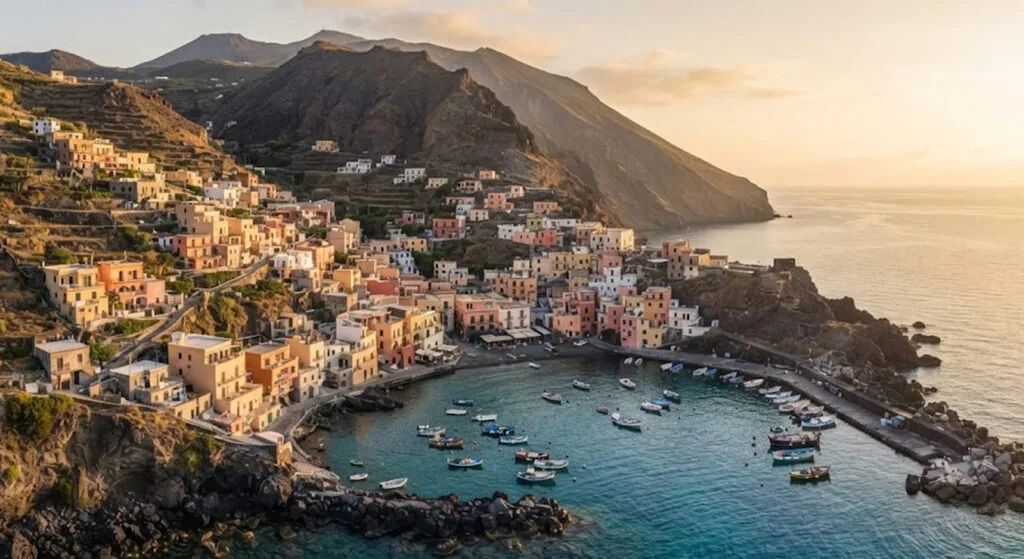
While Santorini and Capri spent this summer choking on their own popularity again, two hours from Rome sits an archipelago of six islands almost nobody cares about. The Pontine Islands. Of six sisters born of the same underwater fire, only two are inhabited year-round, two take guests in summer only, and two are practically empty.
It is precisely that mismatch with the tourist machinery that keeps them. The Tyrrhenian Sea here still looks like a sea from another era - away from the cruises combing the Italian coastline.
Ponza: a harbour shaped like a crescent
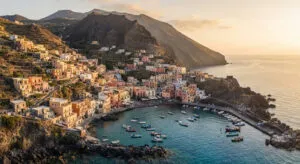
The largest island covers eight square kilometres and gives the archipelago its name. The first thing you see from the boat is facades lined up in ochre, pink and blue, terraces hanging one above another and washing strung between the balconies as if the scene had been staged for somebody - and it has not. The island has been inhabited since the Neolithic; then came the Phoenicians, the Greeks and the Romans, and aqueducts and villas are still visible among the rocks.
Legend says the name comes from Pontius Pilate, whose family supposedly owned a cave there. The Grotto of Pilate is in fact a Roman complex of tunnels and pools carved at sea level, most likely for breeding moray eels - fish the Romans considered sacred. Entry is permitted only by boat with a local guide; access on foot has been closed for decades, since a submerged Roman statue was found in one of the tunnels.
In the village of Le Forna is Cala Feola, the island's only fully sandy beach, sheltered by a tuff rock that creates a calm microclimate. Beside it are the Piscine Naturali - pools in volcanic rock that seawater enters through underground passages and leaves transparent and still. Around them survive the cave houses carved out by the first settlers from Torre del Greco.
Palmarola: no roads, no signal
If Ponza is gentle, Palmarola is the opposite. An island with no roads, no mobile coverage and no restaurants. Jacques Cousteau once described it as the most beautiful in the Mediterranean, a sentence that has hung on it as a second name ever since.
It has been protected as a nature reserve since 1998, but the real credit for its condition is older: it was never truly colonised. The Romans used it as a naval lookout and built nothing permanent. That indifference saved it. You can only reach it by boat from Ponza.
Ventotene: the island where Rome dumped its inconvenient women
A tongue of red rock, less than three kilometres long. In 2 BC, the emperor Augustus banished his own daughter Julia here, accusing her of adultery and treason. Decades later Tiberius repeated the punishment with his granddaughter Agrippina. For almost a century this island was the fixed destination for the women of the imperial family who got in the way - condemned to live surrounded by a beautiful landscape they were not allowed to leave.
Villa Giulia, commissioned by Augustus on the Punta Eolo headland, still has recognisable baths. Today the island is part of a protected marine area preserving deposits of black basalt formed by eruptions 1.7 million years ago, and is home to loggerhead turtles and Eleonora's falcons.
Santo Stefano: a horseshoe-shaped prison, and a manifesto
Two kilometres of sea separate it from Ventotene, and yet it is hard to reach - the whole zone is a strict reserve with a fishing ban. The islet has been uninhabited since 1965 and is dominated by an old horseshoe-shaped prison, built by the Neapolitan Bourbons at the end of the eighteenth century. Opponents of fascism and political prisoners passed through its cells, among them Sandro Pertini, later president of Italy.
Here, in 1941, another prisoner - the journalist and politician Altiero Spinelli, together with Ernesto Rossi and with a preface by Eugenio Colorni - wrote the Ventotene Manifesto, "For a Free and United Europe". They wrote in secret, on cigarette paper, and hid it in a tin box with a false bottom until it could leave the island. It was published illegally in Rome in January 1944. That text is considered the founding document of European federalism - the direct seed of today's European Union. The fascist regime imprisoned around 800 people on that island.
So: the idea of a Europe without internal wars was written in a cell, by a man imprisoned for thinking that very idea. Next time somebody says the Union is a bureaucratic project invented in an office, it is worth knowing exactly where the first version was written.
Practicalities
The archipelago lies in the Tyrrhenian Sea off the coast of Lazio, between Rome and Naples; you get there by hydrofoil or regular ferry. The best window is June to September for swimming and boat trips to Palmarola, and May and the first half of October for fewer people. Local cooking rests on Ventotene lentils - grown here since Roman times - fresh fish and squid in the harbour at Ponza. One warning worth heeding: book the boat to Palmarola in advance, because the island has no fixed harbour and departures depend on the sea.
The latest 10 news from this category
The pyramid raised in the dictator's honour is now an arts school. We are still arguing about whether to open...
Cousteau called the Sea of Cortez the world's aquarium - 900 marine species and 33 mammal species back the name...
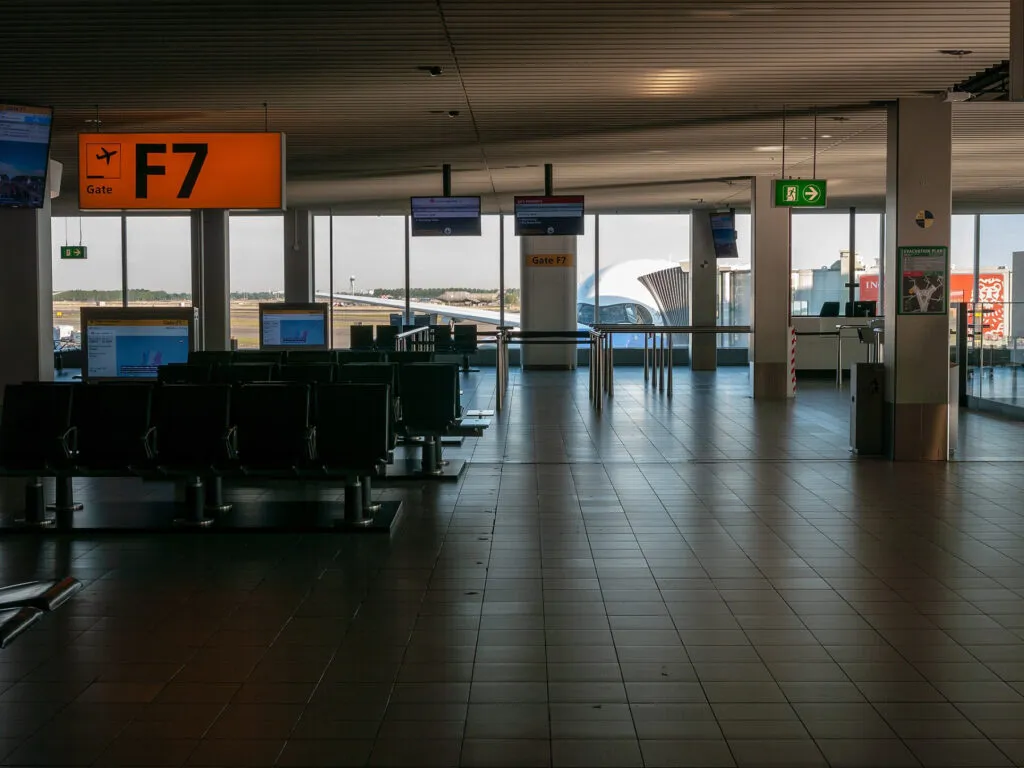
Half an hour of reading before you pay for the ticket solves all ten. The question is why we never...
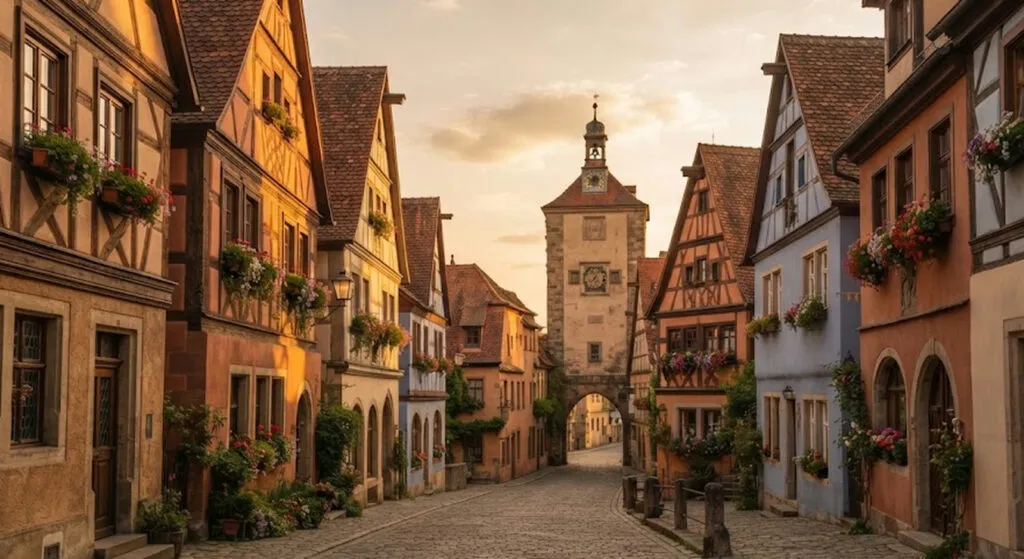
Rothenburg ob der Tauber kept the street layout of six hundred years ago, and the wall around it runs four...
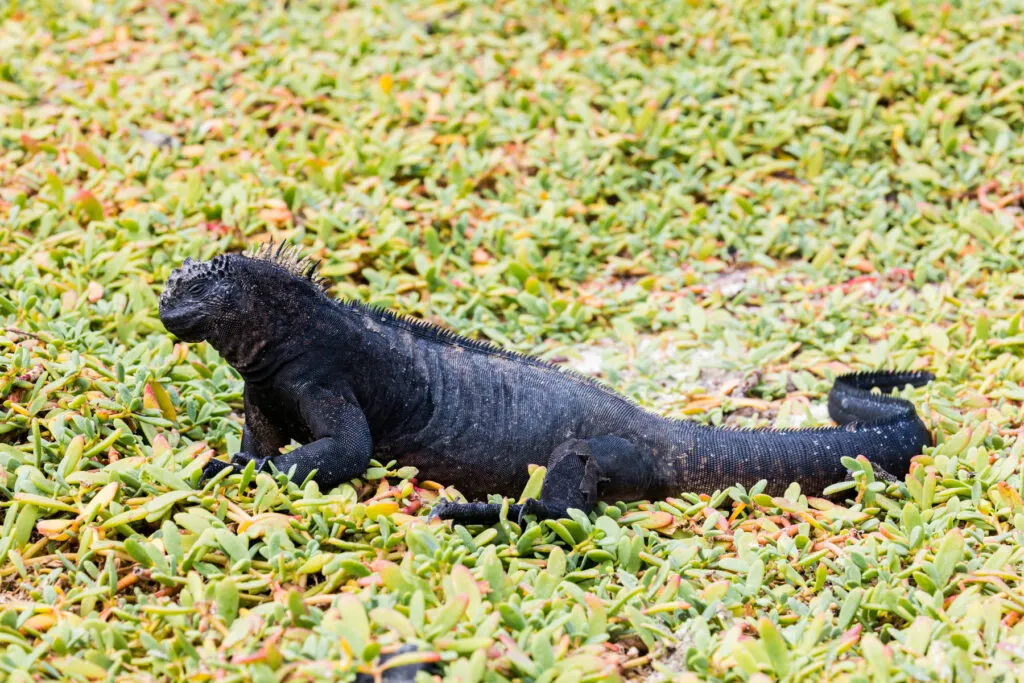
A thousand kilometres out into the Pacific, 13 large islands and species that exist nowhere else. The strict rules there...
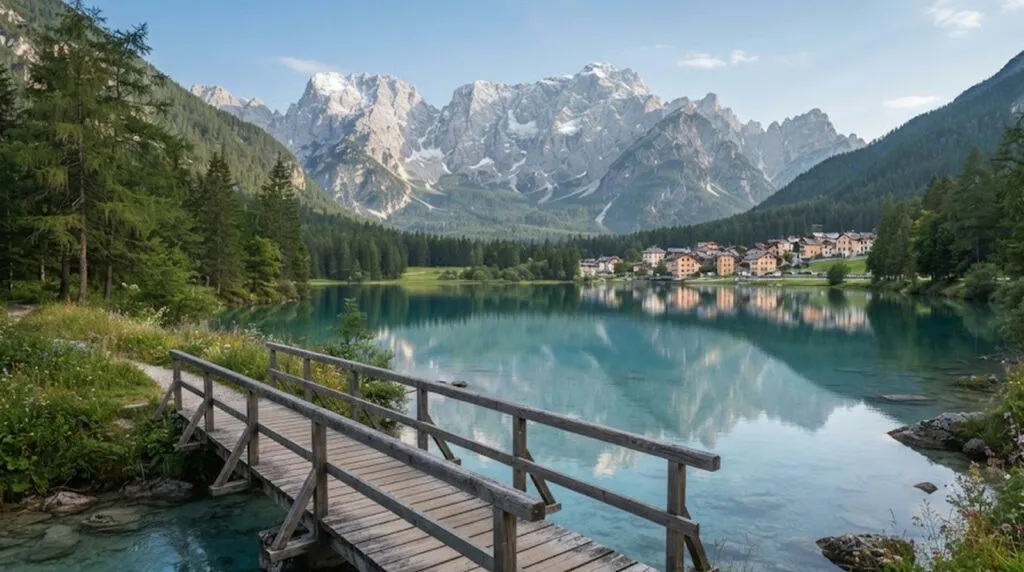
A 12th-century castle, a museum with 17,000 objects and surfers in the river in the middle of town. Thun is...
White rock polished as if it were poured, sea in a colour that looks overdone, and a statue the whole...
Syros has no windmills to photograph. It has neoclassical facades, a Venetian labyrinth built against pirates, and a life that...
The only waterfall in Europe that falls straight into the sea, a dune more than a kilometre long, and a...
In the same hour on 18 August, the gap between the three exits to Greece was more than an hour...
This site uses cookies - is that okay? Learn more
Be the first to know when Metla launches something new
Leave your email and we will write when there is a new guide or something new on Metla.