


Kratovo man stabs police officer mid-intervention: prosecutors want the 40-year-old detained
15.09.2026


15.09.2026

15.09.2026
15.09.2026

15.09.2026

15.09.2026
15.09.2026

15.09.2026

14.09.2026

13.09.2026

15.09.2026

15.09.2026
14.09.2026

15.09.2026

15.09.2026

15.09.2026

15.09.2026

14.09.2026

13.09.2026
15.09.2026

15.09.2026

15.09.2026

15.09.2026

15.09.2026

14.09.2026

09.03.2026

27.02.2026

19.02.2026

15.09.2026
14.09.2026
14.09.2026

23.04.2026

23.04.2026

12.04.2026

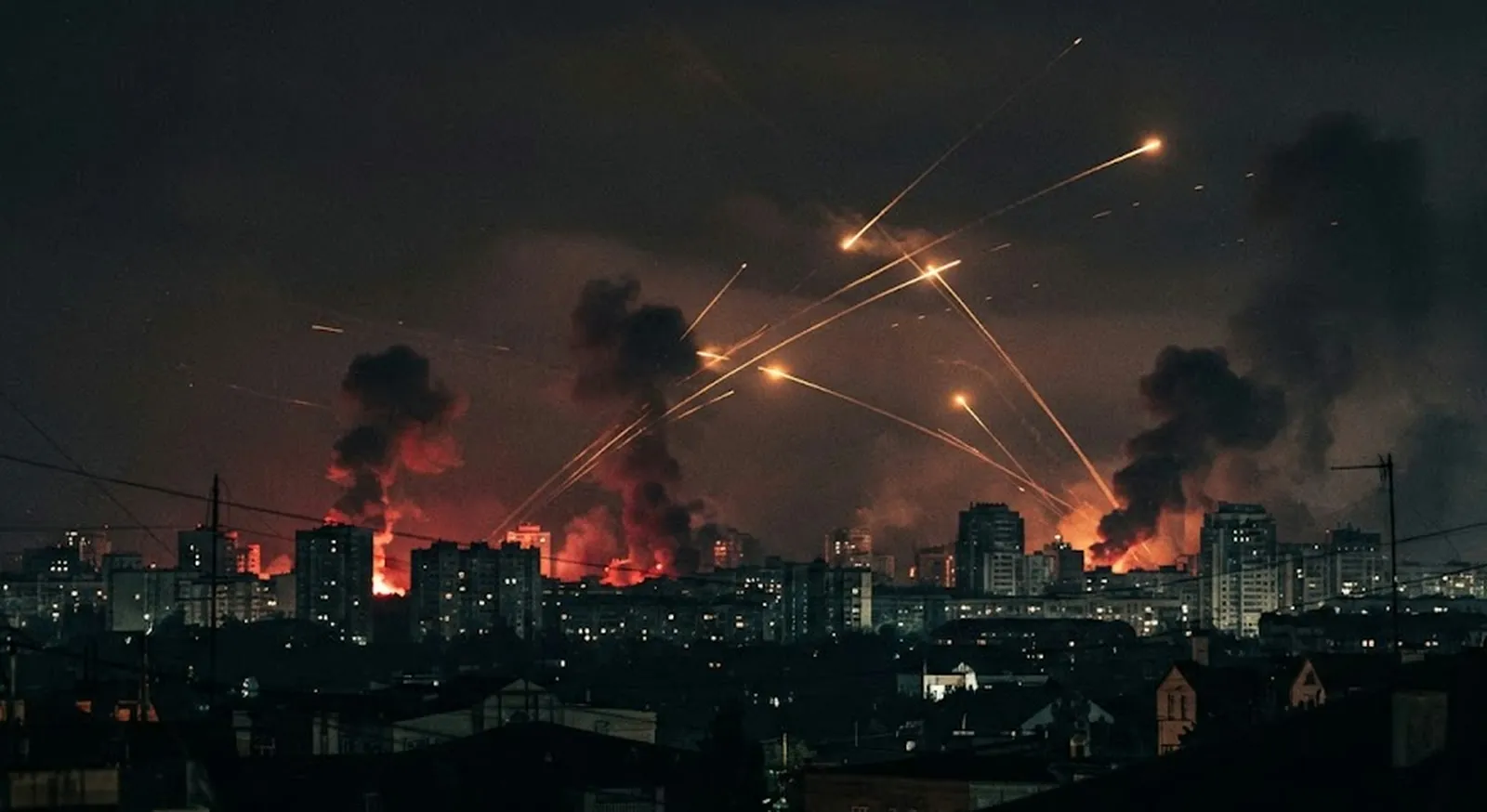
When a war drags on long enough, it stops being news and becomes a schedule. Kyiv has just gone through exactly that - a night in which sirens wail and people count explosions instead of sheep to fall asleep.
Russia carried out one of the biggest attacks on the Ukrainian capital yet. According to sources, around 31 ballistic missiles and eight „Zircon” hypersonic projectiles were fired at the city - weapons that fly several times faster than sound and to which air defence struggles to respond. At least one person was killed and 13 wounded.
The first explosions rang out around 1:30 local time. The attack lasted until 2:38 in the morning - nearly a full hour of sky on fire over a city of millions. „It was the most terrifying night of my life,” recounted Eleonora Belej, a 30-year-old resident, adding that her neighbourhood is under attack almost every month. Almost every month. Stop on that for a moment.
Mayor Vitali Klitschko announced that six wounded ended up in hospital, and five people were pulled from damaged buildings. Fires broke out in several parts of the city - Dniprovskyi, Desnianskyi, Solomianskyi and Shevchenkivskyi. Residential buildings, markets, vehicles and warehouses burned. The „Lukyanivska” metro station was temporarily closed due to damage.
The attack came as retaliation. Only a day earlier, Ukrainian forces had hit Russian logistics depots in the Moscow and Tambov regions, killing eight people. President Volodymyr Zelensky described those strikes as an answer „to Russian attacks on our civilian infrastructure.” Each side strikes, each side retaliates, and the bill is paid by those sleeping in the residential blocks.
There is a second front too, this time internal. At the same time as the missiles, rare public protests broke out in Ukraine against the removal of a popular minister. War from outside, discontent from within - a combination every society in this part of the world recognises.
The Balkans know this scene by heart. They know what it looks like when „temporary” becomes a way of life, when children grow up with the sound of a siren as a normal part of the night. The question hanging over Kyiv is not whether it will survive another night - it has already proven that. The question is how long the world will look at this and call it „a situation.”
The latest 10 news from this category
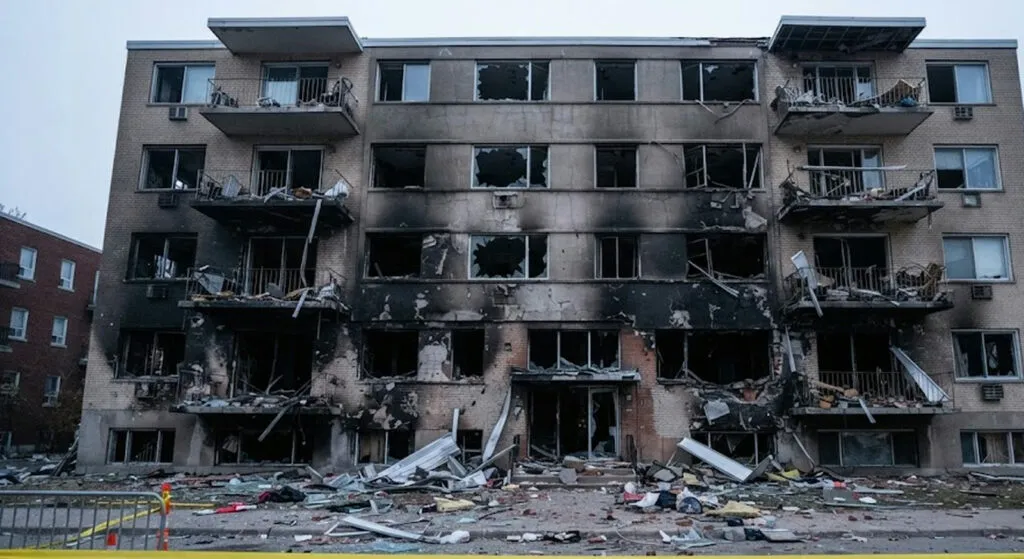
Residential buildings, a kindergarten and an Orthodox church damaged in Russia's largest Black Sea port. Four dead and 29 injured...
When there are no air-to-air missiles left, what remains is a 20mm cannon - and that means the pilot has...

In public - constructive talks. In private, according to an MP in the Verkhovna Rada, the envoys arrived with tougher...
Not next month - 2027. A president planning air defence for the period after peace says more about the peace...

The sky above a capital is safe exactly as long as there are American negotiators inside it. That is not...
Two American envoys entered the Kremlin with a document nobody outside that room has read. A three-day pause over Kyiv...
From midnight until 8 September the Ukrainian army is under orders not to fire. Except a truce is when both...
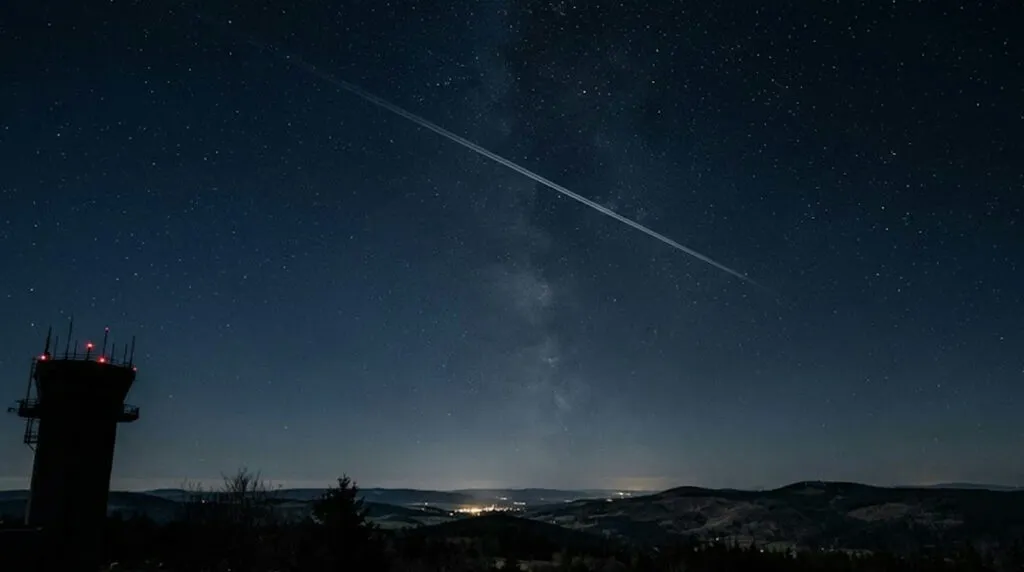
Zelensky warned airlines and insurers that Russian airspace would de facto close. Putin answered with a sentence that shuts every...
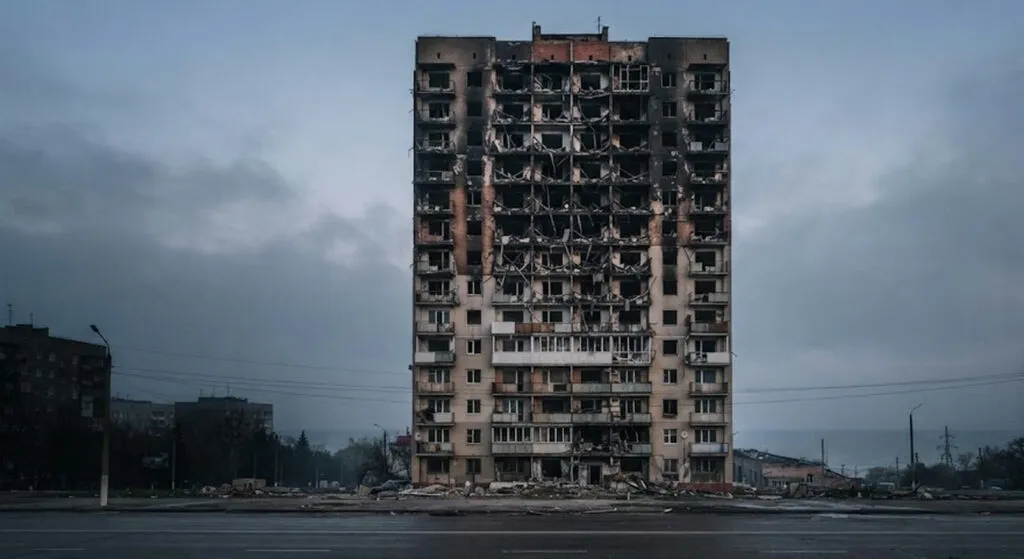
The Banderol costs less than the interceptor sent to shoot it down. When the arithmetic looks like that, the war...
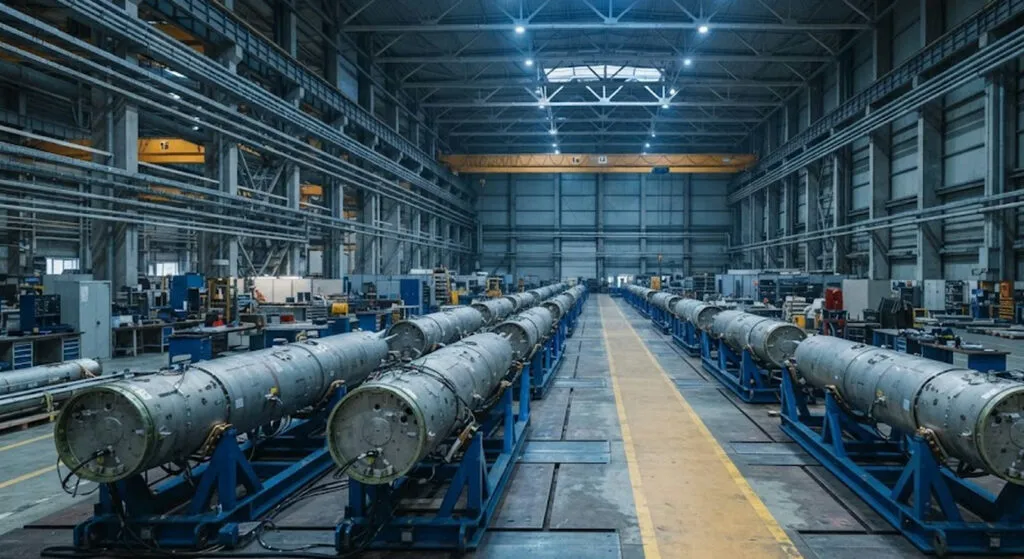
First they would not give missiles, then they gave them with rules on where they could be fired, now they...
This site uses cookies - is that okay? Learn more
Be the first to know when Metla launches something new
Leave your email and we will write when there is a new guide or something new on Metla.
