

Studeničani: 35-year-old dies after being electrocuted while washing his car with a pressure washer
18.09.2026


18.09.2026

18.09.2026

18.09.2026

18.09.2026

18.09.2026
18.09.2026

18.09.2026

17.09.2026

16.09.2026

18.09.2026

18.09.2026

17.09.2026

18.09.2026

18.09.2026

18.09.2026

18.09.2026

17.09.2026

16.09.2026

18.09.2026

18.09.2026

18.09.2026

18.09.2026

17.09.2026

17.09.2026

09.03.2026

27.02.2026

19.02.2026

18.09.2026

17.09.2026

16.09.2026

23.04.2026

23.04.2026

12.04.2026

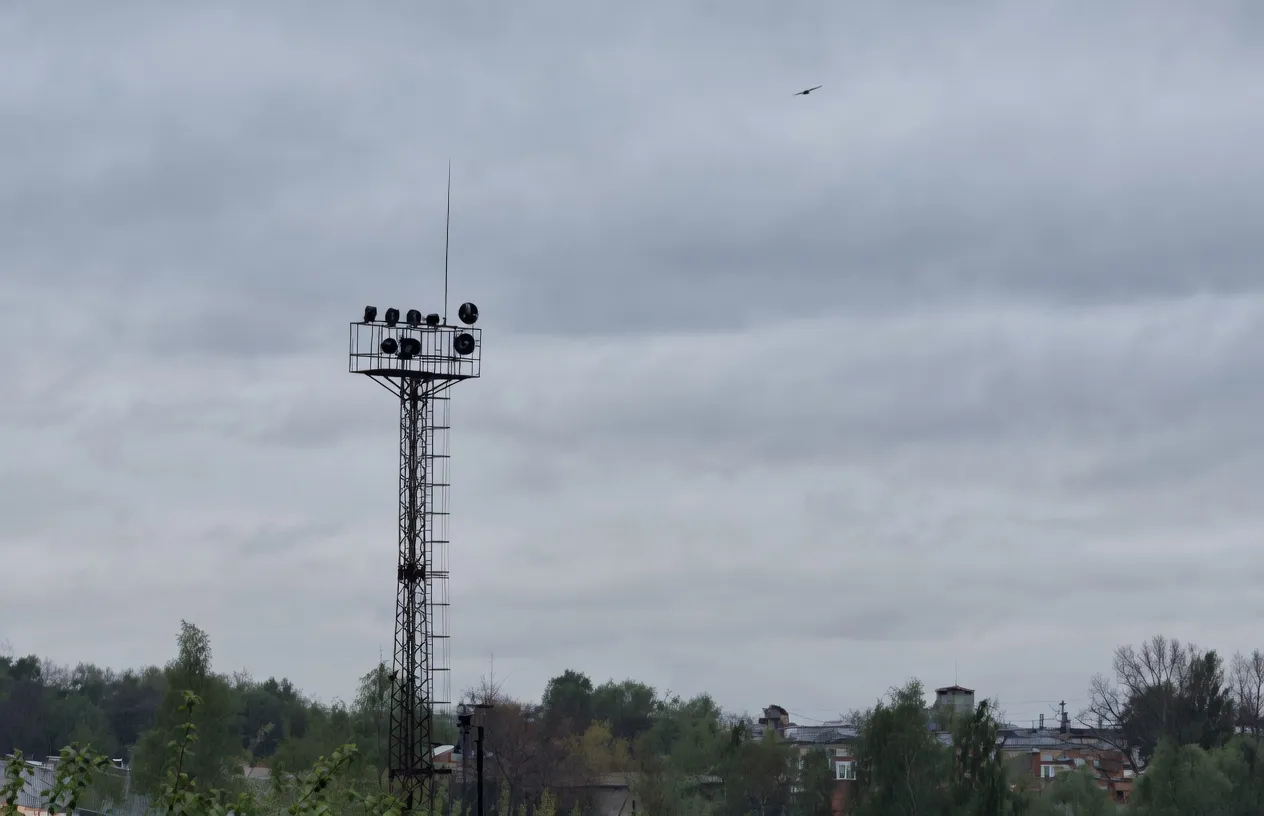
Two Russian unmanned aerial vehicles entered Latvia and crashed. One landed on an oil depot in the town of Rezekne, around 40 kilometres from the Russian border. The fire from the crash was put out before firefighters arrived. Latvian authorities issued drone warnings to residents living near the border and asked them to stay in their homes.
All schools in Rezekne will be closed. The military, police and rescue services are at the crash sites. In the meantime, the Latvian armed forces stated that „the possible threat in Latvian airspace is over". A standard reply - but on the ground, an oil depot is already burning. A reply „after the fire".
This is not the first incident. At the end of March, several Ukrainian drones hit Latvia and its neighbouring countries - Estonia and Lithuania. One collided with a power plant chimney. Another crashed into a frozen lake and exploded. This shows: the airspace on Russia's western frontier is „active" - and it doesn't matter whether the drones are Russian or Ukrainian, the consequences are the same.
For NATO this is a moment of testing. Latvia, Estonia and Lithuania are members. Article 5 (collective defence) is triggered when a member is attacked. But are two drones on an oil depot „an attack"? NATO has so far refrained from triggering Article 5 in such cases - but every such incident is a test of how far Russia can go without consequences.
For the Balkans this matters because „hybrid attacks" are already being talked about in our airspace. Drones that travel hundreds of kilometres before falling - that's 2026 reality. When that kind of machine can cross several countries without being shot down, it says something about European air defence. It's not strong. And it's not coordinated.
The question: what comes next? If Russia keeps testing - with drones, with jamming missile systems, with cyberattacks - when will NATO respond? And if NATO doesn't respond, what does that tell regions outside NATO, like ours? The questions aren't rhetorical. We'll hear the answers - when something falls on our border.
The latest 10 news from this category

The bill passed with 262 votes, and the key to it has been handed to a man who has already...
Ukraine adapts in weeks, the Alliance in decades. Europe is paying for Patriot systems from 1991 and is only now...
Missiles and drones on the Ukrainian capital, damaged water mains and residential buildings. The same night, Ukrainian drones set the...

Trump hopes the war is ending and is preparing to gather the Gulf leaders. Oil prices have jumped, and the...

Ukraine says when, where and which unit did it. Russia's defence ministry has not a single sentence about the circumstances....
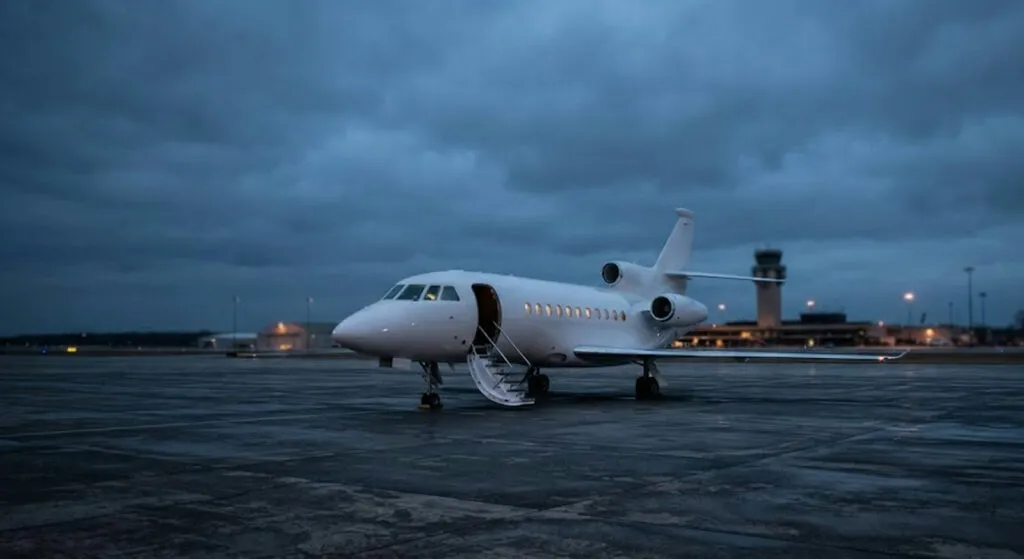
Norway's prime minister talks about a plane a drone "almost hit". Moldova, the only party holding the figures, reported that...
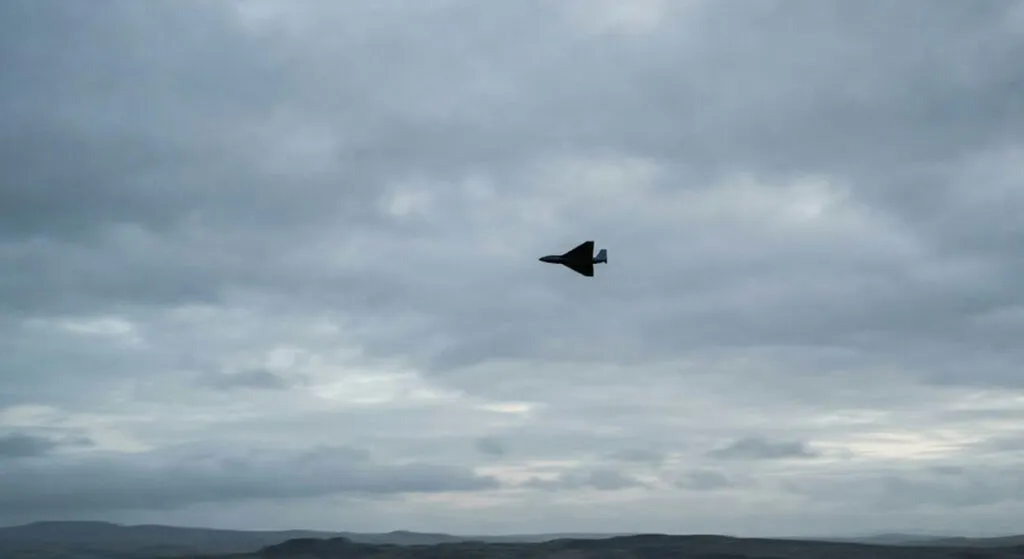
Ukraine was shooting down nine out of ten of the old drones. Then Russia changed the drone - and in...
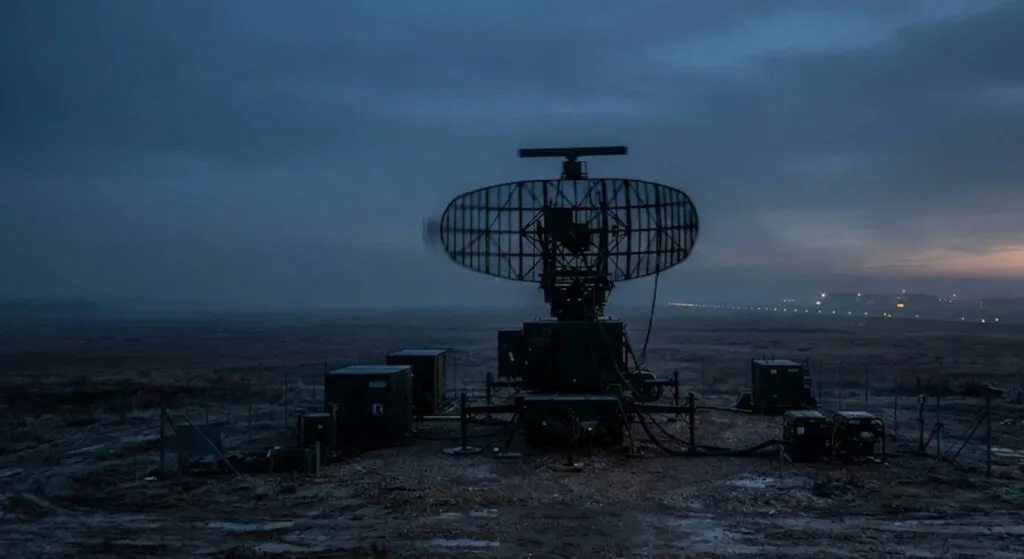
It was shot down a few minutes after midnight, and all of Vilnius got a warning on their phones. Two...
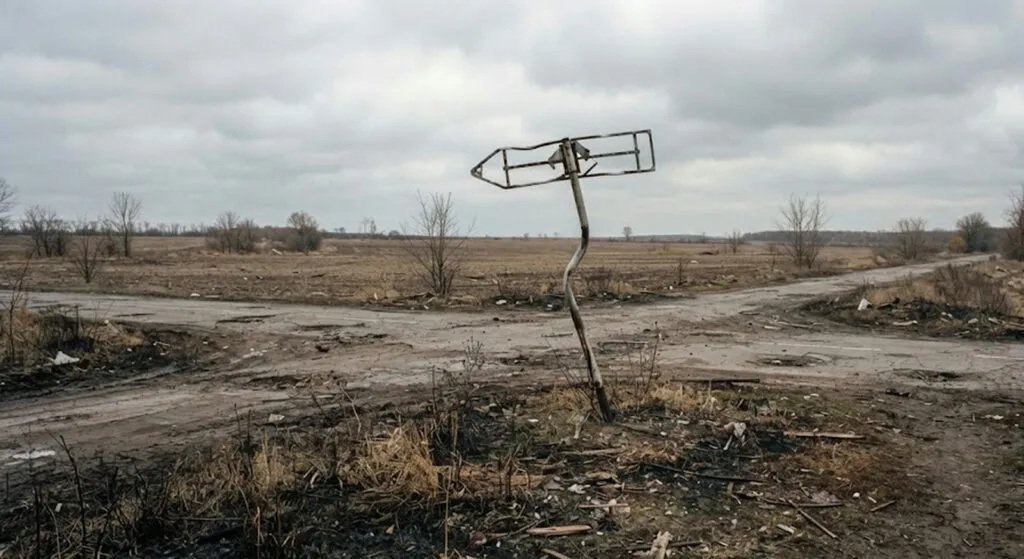
The entire story comes from one side, and the headlines turn it into a turning point. The difference between the...

Between 2,300 and 3,000 North Korean soldiers have died in Kursk so far. Kim Jong Un has found an export...
This site uses cookies - is that okay? Learn more
Be the first to know when Metla launches something new
Leave your email and we will write when there is a new guide or something new on Metla.
