


Studeničani: 35-year-old dies after being electrocuted while washing his car with a pressure washer
18.09.2026


18.09.2026
18.09.2026

18.09.2026
18.09.2026

18.09.2026
18.09.2026
18.09.2026

17.09.2026

16.09.2026

18.09.2026

18.09.2026

17.09.2026

18.09.2026

18.09.2026

18.09.2026

18.09.2026

17.09.2026

16.09.2026

18.09.2026

18.09.2026

18.09.2026

18.09.2026

17.09.2026

17.09.2026

09.03.2026

27.02.2026

19.02.2026

18.09.2026

17.09.2026

16.09.2026

23.04.2026

23.04.2026

12.04.2026

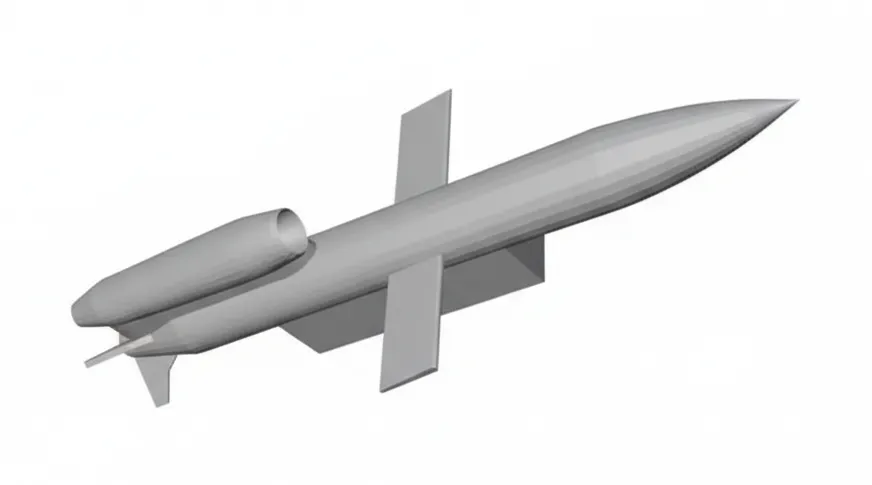
On 5 May 2026, in the night before the symbolic 9 May - the Victory Day parade in Moscow - Ukraine carried out one of the deepest strikes on Russian territory since the start of the invasion. The target - Cheboksary, Chuvash Republic, 1,200 kilometres deep inside Russia. The weapon - FP-5 Flamingo, a new Ukrainian missile with a range of 3,000 kilometres and a warhead of 1,000 kilograms.
What was hit
The main target was JSC VNIIR-Progress, a state institute producing components for the precision weapons Russia uses in its attacks on Ukraine. Specifically - the Kometa systems, antennas for jamming satellite, radio and radar signals used by Shahed drones, Iskander-K cruise missiles and guided glide bombs. In other words - Ukraine didn't strike randomly, it hit the heart of Russian electronic warfare.
Local residents posted photos and videos of fires at the plant. Governor Oleg Nikolayev confirmed one person injured. Around 7:30 in the morning local time, drones struck the same target again - a double tap. Rounds like this break both the material and the morale - same target, multiple times, in the same window.
Kirishi - the Russian oil giant under fire
Later the same day, the KINEF refinery in Kirishi - one of the three biggest in Russia - was attacked. Governor Alexander Drozdenko first confirmed a strike on the „industrial zone," then admitted - the target was the refinery itself. NASA's FIRMS fire-tracking system recorded multiple fire signatures. Kirishi processes 20-21 million tonnes of crude oil per year, and produces over 6 percent of Russia's total refined output - including military fuel.
Drozdenko claims 29 drones were shot down over the Leningrad region. The Russian Defence Ministry talks about 289 destroyed drones across multiple areas. Even taking half of that figure at face value, it tells you something about the scale - not one attack, but a coordinated offensive.
Moscow, Crimea, Voronezh, Kazan
Explosions were also reported in occupied Crimea, in the cities of Voronezh and Kazan, and - perhaps most alarming for the Kremlin - over Moscow itself. Mayor Sergey Sobyanin announced that five drones had been intercepted before reaching the capital. A few days earlier, a Ukrainian drone hit a residential tower seven kilometres west of the Kremlin, only three kilometres from the Russian Defence Ministry building. This is the deepest strike in central Moscow since the start of the invasion.
A minimum of 18 Russian airports were temporarily closed. Alarms sounded in areas up to 2,000 kilometres from the border. The Ukrainian military doesn't comment officially - but silence in this case speaks louder than a press conference.
What is the „Flamingo"
The FP-5 Flamingo, made by the controversial Ukrainian company Fire Point, has been in active use since summer 2025 - rarely at first, and from November 2025 with growing frequency. President Volodymyr Zelensky described it as „the most successful Ukrainian missile." The specs - 1,000 kg of explosive, 3,000 km range - mean that virtually all of European Russia is in range, and that Moscow can no longer claim its deep rear is safe.
The Balkans watch Russia lose its aura
For Balkan readers the question isn't whether Russia will respond - that will happen for sure. The question is - how much, and against whom. The 9 May parade, traditionally a showcase of Russian military power, will this year take place in the shadow of a heavy symbolic defeat. One drone over Moscow doesn't shift the military balance - but it shifts the narrative. And the narrative is precisely what the Kremlin rarely controls in front of its own audience.
The other thing - this jump in Ukrainian capability, with missiles reaching the Urals, complicates every peace plan already being floated in European circles. Who's going to offer peace when Ukraine has, for the first time, a weapon that lets it dictate terms? And why would Russia retreat, when every weakness in negotiations echoes through the North Caucasus, Tatarstan, Chuvashia - regions where Moscow already has to explain why Russian industrial sites are burning?
The Balkans watch this from afar. But the question here isn't about empathy or sympathy - it's about price. Every jump in Ukraine's military capability moves oil and gas prices. Every destroyed Russian refinery reduces supply on the international market. And the Balkans, having already cut Russian supply, pay the consequences both ways - higher bills and uncertainty for the winter ahead.
The latest 10 news from this category
The bill passed with 262 votes, and the key to it has been handed to a man who has already...
Ukraine adapts in weeks, the Alliance in decades. Europe is paying for Patriot systems from 1991 and is only now...
Missiles and drones on the Ukrainian capital, damaged water mains and residential buildings. The same night, Ukrainian drones set the...
Trump hopes the war is ending and is preparing to gather the Gulf leaders. Oil prices have jumped, and the...
Ukraine says when, where and which unit did it. Russia's defence ministry has not a single sentence about the circumstances....
Norway's prime minister talks about a plane a drone "almost hit". Moldova, the only party holding the figures, reported that...
Ukraine was shooting down nine out of ten of the old drones. Then Russia changed the drone - and in...
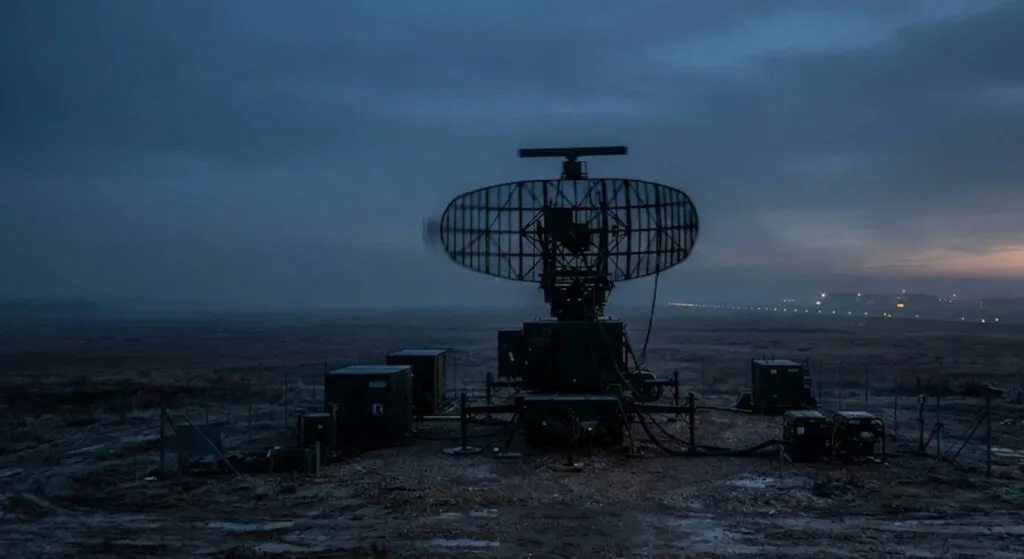
It was shot down a few minutes after midnight, and all of Vilnius got a warning on their phones. Two...
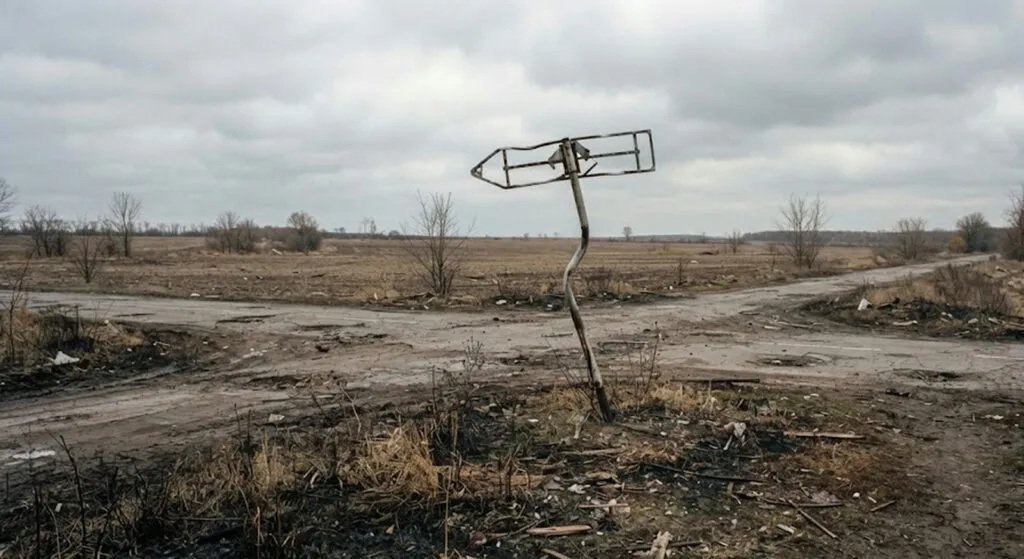
The entire story comes from one side, and the headlines turn it into a turning point. The difference between the...
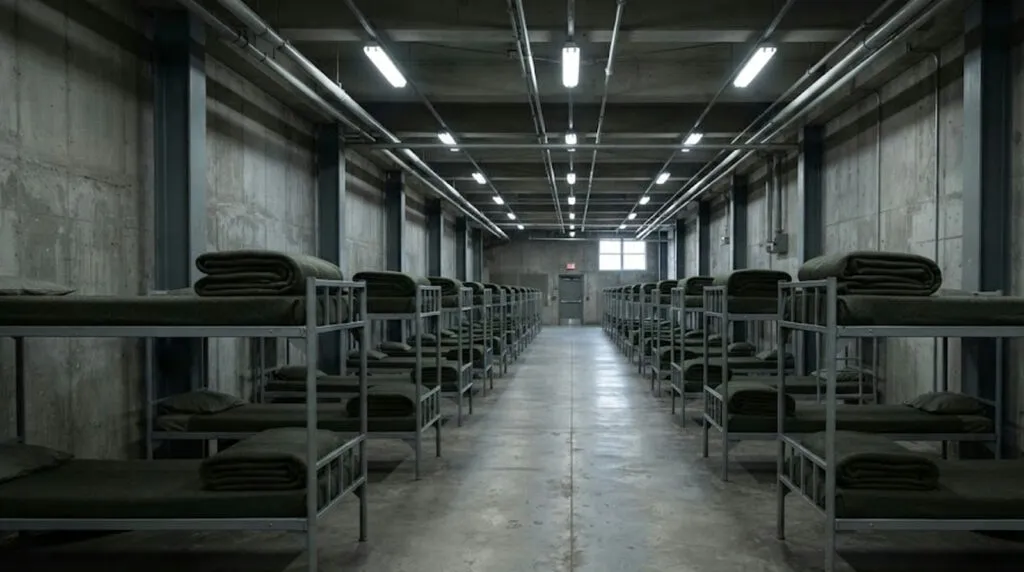
Between 2,300 and 3,000 North Korean soldiers have died in Kursk so far. Kim Jong Un has found an export...
This site uses cookies - is that okay? Learn more
Be the first to know when Metla launches something new
Leave your email and we will write when there is a new guide or something new on Metla.
