
Two Schoolyard Assaults Reported in a Single Day: the Police Promised Measures, the Education System Said Nothing
19.09.2026


19.09.2026

19.09.2026
19.09.2026

19.09.2026
19.09.2026
19.09.2026
19.09.2026
18.09.2026

17.09.2026

19.09.2026

19.09.2026

18.09.2026

19.09.2026

19.09.2026

19.09.2026

19.09.2026

18.09.2026

17.09.2026

19.09.2026

19.09.2026

19.09.2026
19.09.2026

19.09.2026
18.09.2026

09.03.2026

27.02.2026

19.02.2026

19.09.2026

18.09.2026
17.09.2026

23.04.2026

23.04.2026

12.04.2026

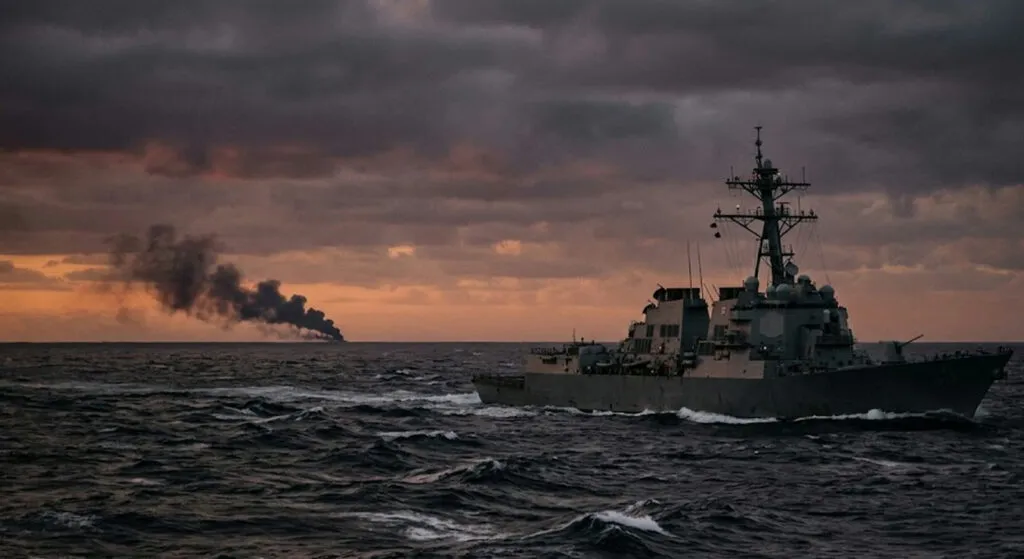
On 4 May 2026, in a period when most European newsrooms were focused on Ukraine and the supposed pacifism of the Middle East, that quiet was broken again. Iran fired two missiles at a US patrol ship near the island of Jask, which was moving towards the Strait of Hormuz. The same day, hours later, the US military announced it had destroyed six small Iranian boats and intercepted multiple cruise missiles and drones. The point - the war in the Gulf isn't off-screen - it's active.
What happened at Jask
According to the Iranian agency Fars, the US patrol ship was moving in a zone where, Tehran claims, it had broken security and navigation rules. The Iranian navy first issued warnings - the ship didn't stop, didn't change course. That's the version from the Iranian side. From the American side, there's still no official confirmation about damage or casualties among the crew.
Jask isn't a random place. It's an island that practically controls the entrance to the Strait of Hormuz - the route through which around 20 percent of the world's oil passes. Any threat in this zone makes oil prices unstable, moves the share prices of energy companies by several percent in a single day, and forces European energy ministers to stay late in their offices.
The American counter-operation
Admiral Brad Cooper, head of US Central Command (CENTCOM), confirmed that Iran's Revolutionary Guard (IRGC) is actively disrupting the blockade operations ordered by President Donald Trump. „IRGC is launching multiple cruise missiles, drones, and dispatching more small boats toward the ships we are protecting. We have neutralised all those threats with precise combat reactions," Cooper said.
The numbers he cited - and rarely come in a single statement - are these: 15,000 American troops, fleet destroyers, over 100 combat aircraft, and submarine resources. This isn't a „practice," not a „review" - it's a military position for a blockade. American commanders have full authorisation to defend their units and to protect commercial shipping.
Why this is bigger than it looks
Strategically, the Strait of Hormuz is the most sensitive point on the seam between East and West. All the Gulf monarchies depend on it - Saudi Arabia, Kuwait, Qatar, the Emirates - who export oil through this line. The Indian, Chinese and Japanese markets depend on it too. If Iran closes the strait - even for a single week - oil prices would jump more than 30 percent, and that would immediately be reflected in petrol prices in the Balkans.
This isn't theoretical. Iran has already issued the threat of a blockade. All major oil companies have plans for alternative routes - but none of them are economical or quick. And for European countries, which have reduced imports of Russian gas, the new dependence on Gulf suppliers makes them vulnerable precisely at this crisis point.
What this means for the Balkans
The Balkans rarely read Gulf news as their own. But petrol prices in Skopje, Sofia and Belgrade always react first to a Gulf crisis - often before London, Berlin or Vienna. If the coming week sees another missile incident, Balkan pumps will see a price hike. If it stretches into two months of escalation - over 1.50 euros per litre of petrol is a realistic scenario. That's a bill an average Balkan family budget struggles to bear.
The question our politicians rarely ask - and which the readers who don't follow geopolitics genuinely believe doesn't concern us - is exactly this: does the Balkans have strategic reserves for a crisis that could last three months? The answer - most countries in the region hold reserves for 60-90 days in the best case. And by the time New York, London or Brussels decide on sanctions - our ministries are already in catch-up mode.
One last question. When in an American election year, Trump orders a blockade on Iran and sends 15,000 troops to the Gulf - who exactly profits? The oil companies. The defence industry. The Saudis. And potentially Iran itself - because an internal regime with an external enemy always holds onto power. Who loses? All of us - at the pumps, on the electricity bills, and in the geopolitical chaos we can't shout about - but which we will pay for.
The latest 10 news from this category
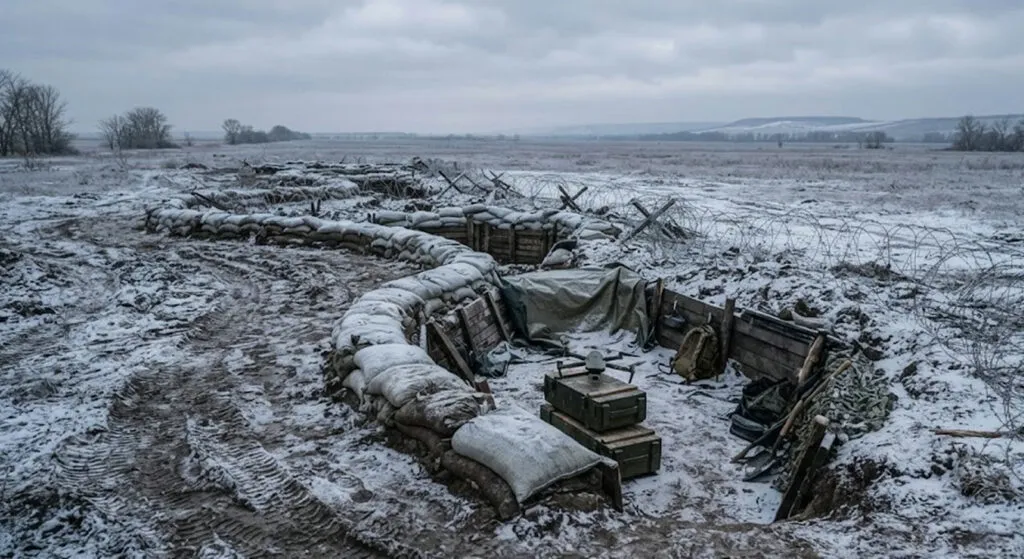
Around 8,500 North Korean soldiers are still in Russia, among them 1,000 engineers and 400 drone operators. Estimates point to...
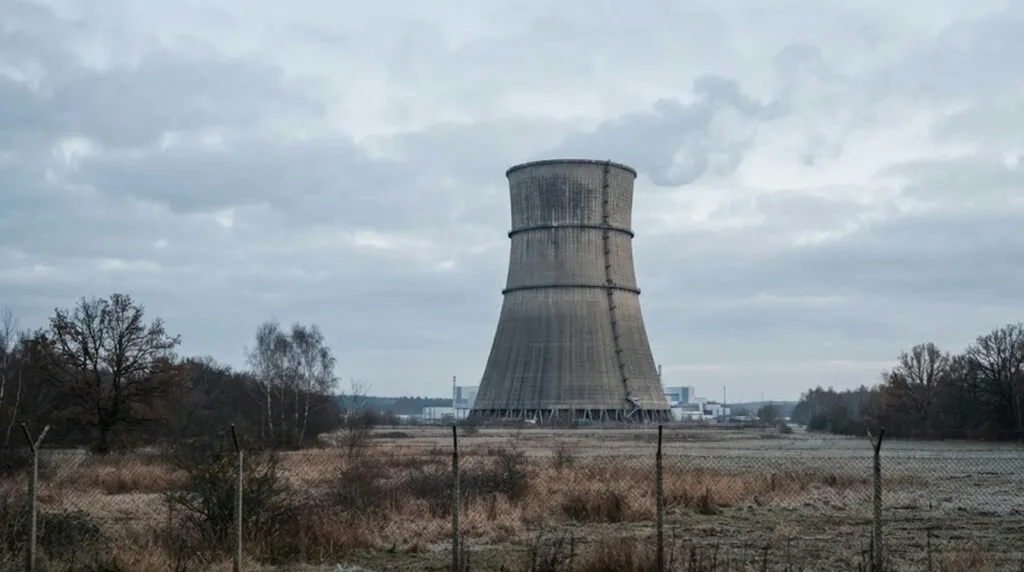
The unit was running, the operating regime did not change, there was no fire. The difference between a news item...
The bill passed with 262 votes, and the key to it has been handed to a man who has already...
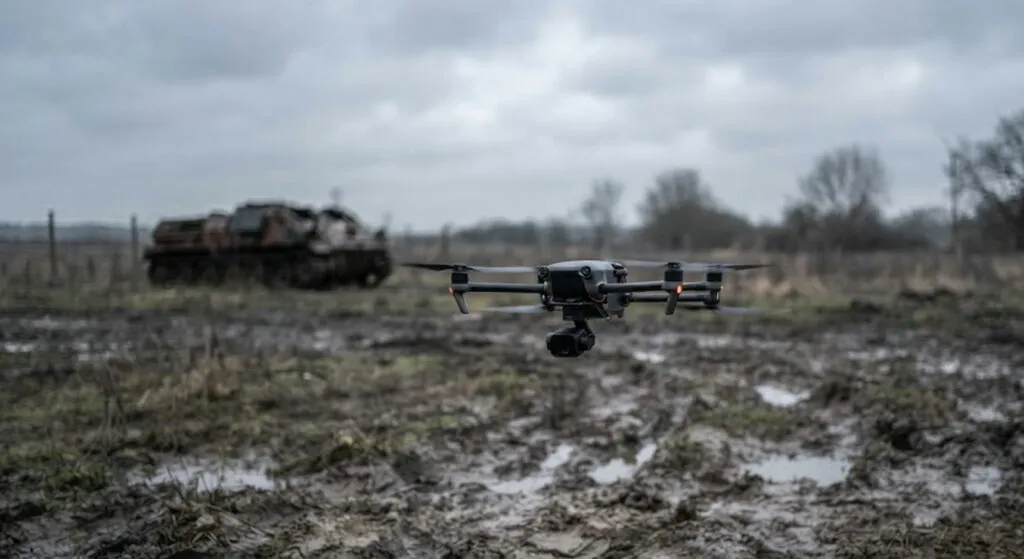
Ukraine adapts in weeks, the Alliance in decades. Europe is paying for Patriot systems from 1991 and is only now...
Missiles and drones on the Ukrainian capital, damaged water mains and residential buildings. The same night, Ukrainian drones set the...
Trump hopes the war is ending and is preparing to gather the Gulf leaders. Oil prices have jumped, and the...
Ukraine says when, where and which unit did it. Russia's defence ministry has not a single sentence about the circumstances....
Norway's prime minister talks about a plane a drone "almost hit". Moldova, the only party holding the figures, reported that...
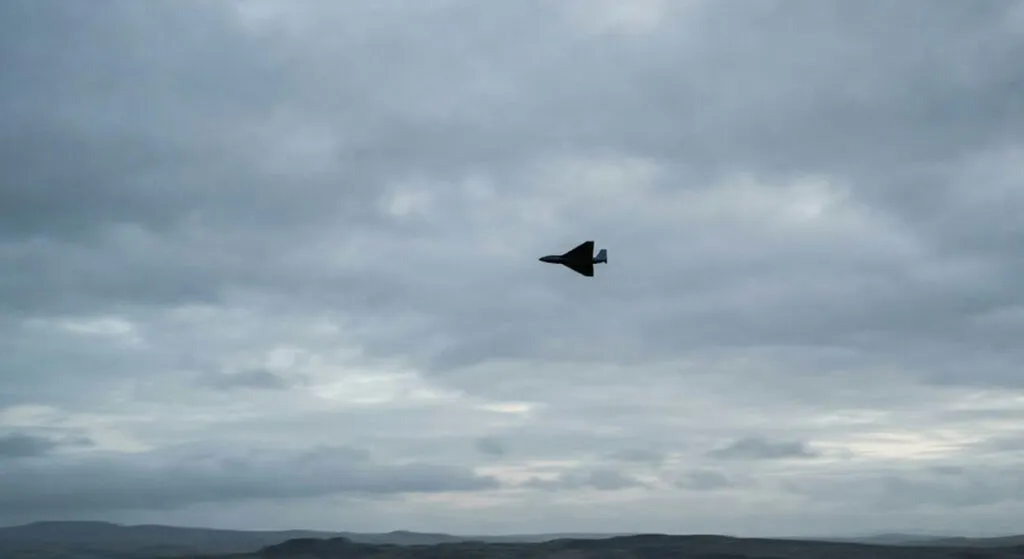
Ukraine was shooting down nine out of ten of the old drones. Then Russia changed the drone - and in...
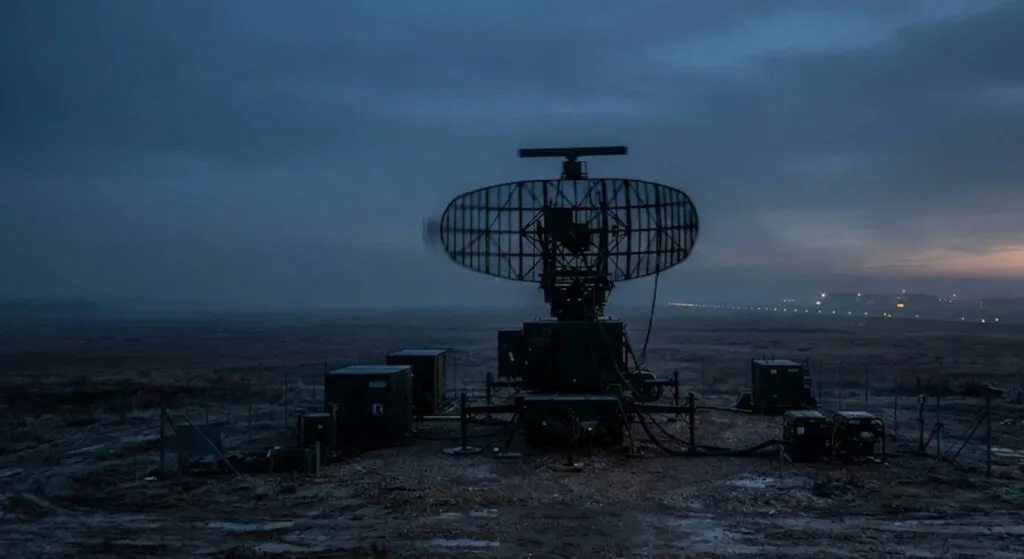
It was shot down a few minutes after midnight, and all of Vilnius got a warning on their phones. Two...
This site uses cookies - is that okay? Learn more
Be the first to know when Metla launches something new
Leave your email and we will write when there is a new guide or something new on Metla.