
The "Lottery" Trial: 231 Pieces of Evidence, and So Far Not a Single Message Between Grubi and Bajrami
24.09.2026


24.09.2026
24.09.2026
24.09.2026
24.09.2026
24.09.2026
24.09.2026
24.09.2026

23.09.2026
22.09.2026

24.09.2026

24.09.2026

23.09.2026

24.09.2026

24.09.2026

24.09.2026

24.09.2026

23.09.2026

22.09.2026

24.09.2026

24.09.2026

24.09.2026

24.09.2026

23.09.2026

23.09.2026

09.03.2026

27.02.2026

19.02.2026
24.09.2026

23.09.2026

22.09.2026

23.04.2026

23.04.2026

12.04.2026

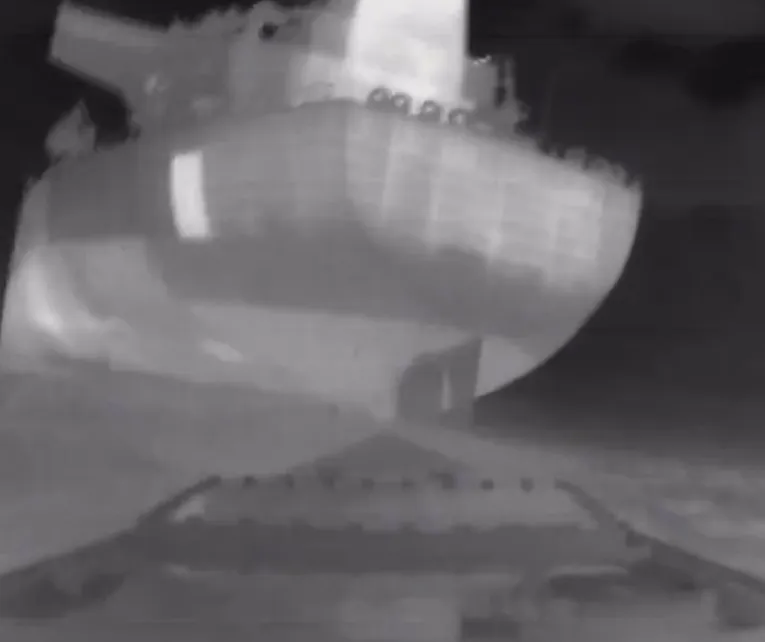
Zelensky has confirmed that Ukrainian sea drones disabled two Russian oil tankers near the port of Novorossiysk. They were tankers from the so-called „Russian shadow fleet" - ships that sail under foreign flags and with altered identities, and which are key to keeping Russian oil exports flowing outside Western sanctions. This time, the operation caught them before they had even left the port.
The „shadow fleet" is the term analysts use for around 600 ships Moscow uses to export oil outside the G7 price cap. These ships are typically registered in countries like Guinea, Cameroon, or the Marshall Islands. They have different paper owners. They change flags often. And every one of these tricks has the same goal - to make Western sanctions hard to enforce against their operations.
The Ukrainian sea-drone operation matters for several reasons. First - geography. Novorossiysk is a Russian Black Sea port, out of range of standard missile systems. The drones Ukraine is developing - cheap, long-range, with semi-autonomous navigation - can close that gap. Second - politics. When those two tankers go down, the price of Russian oil in Asia ticks up. And Moscow loses revenue without the need for large military operations.
The third reason is symbolic. The „shadow fleet" has run smoothly for years. Analysts have called it „untouchable". Now, a single strike with a cheap Ukrainian drone - and the system shows it has gaps. That means in every future event, even without a war with Ukraine, those 600 ships will have to pay higher insurance and take longer routes. Which means higher operating costs for the Kremlin.
For the Balkans this isn't directly important, but it has knock-on effects. Oil prices depend on the insurance stability of Russian exports. When the Kremlin loses a tanker, the price of Brent ticks up 1-2% for a few days. When it loses two - more. And every excise on the pumps in Skopje is tied, however indirectly, to that far-off dynamic. Not directly, not obviously - but really. The Balkans always pay a slice of the big players' bill.
What Zelensky doesn't say is as important as what he does. He says nothing about how many drones were spent, how many made it, and how many were shot down. That's operational secrecy. But Western analyst estimates suggest the success rate of Ukrainian sea drones in recent months is between 20 and 30% - 70% don't reach the target. Still, the effect is significant. Because when the price is a 1,000-dollar drone against a 50-million tanker, even one success in four is economically extremely favourable.
The latest 10 news from this category
One dead, eight injured, two major providers offline and the city railway halted. The Balkans knows what a city preparing...
99 MPs voted in favour, and a threat arrived from Moscow right away. Is a small country on the line...
The offer is deliberately narrow - energy only, with a deadline before winter. When a power line goes down in...
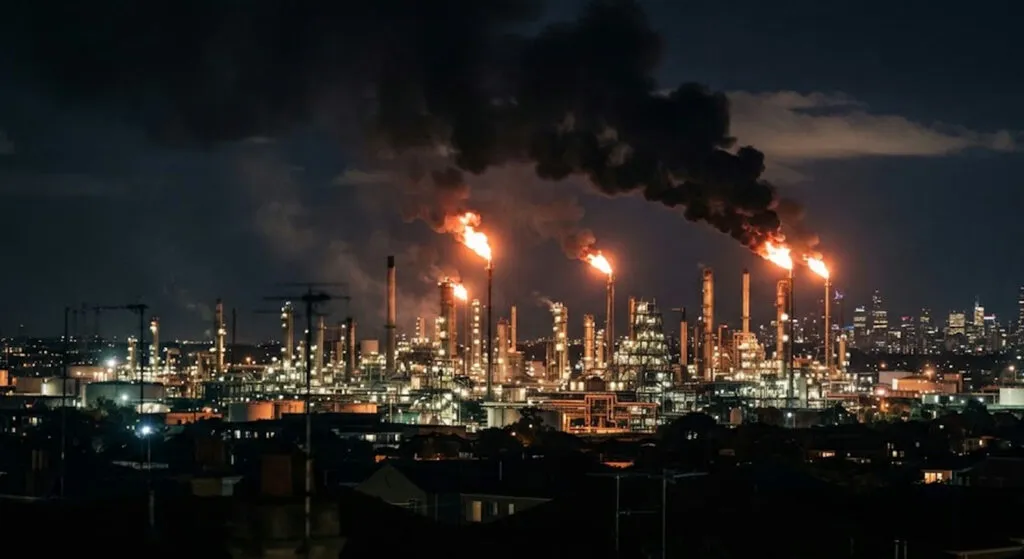
On the night Russia was closing its parliamentary elections, Ukrainian drones reached the refinery at Kapotnya and residential blocks in...
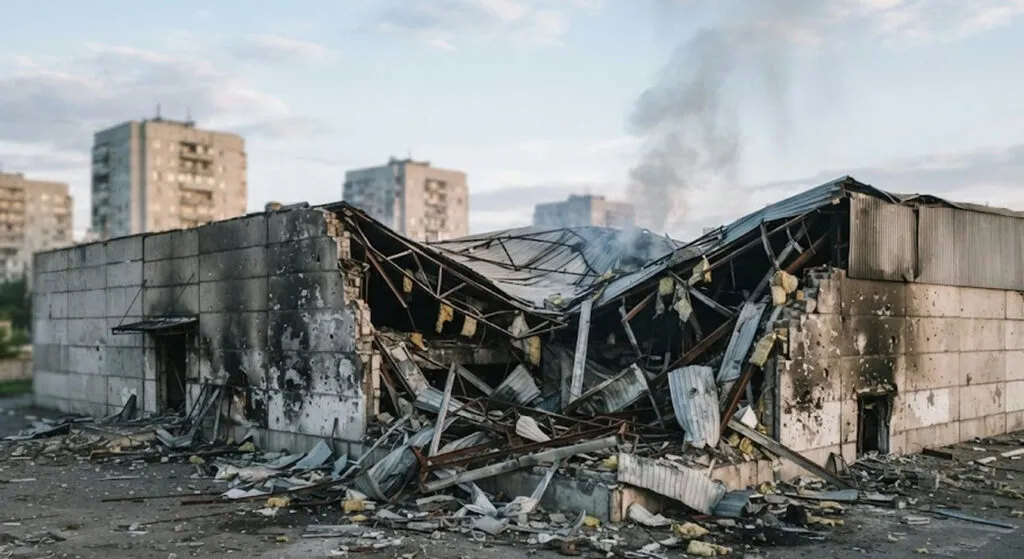
Every sentence about last night's offensive has the same author - the Russian Ministry of Defence. There is smoke over...
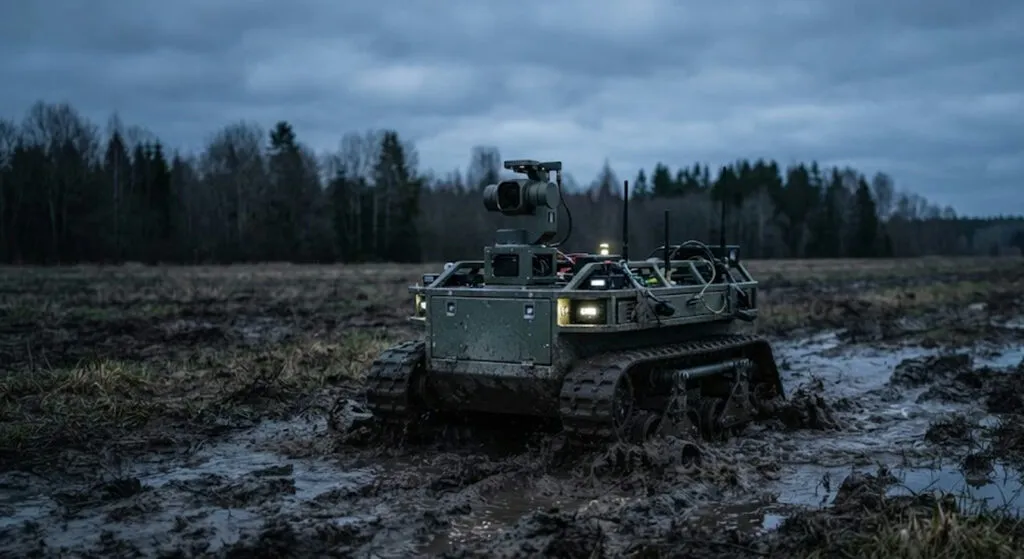
The Telegram statement reads like a trailer: drones that blind drones, robots dropped from the air behind enemy lines, and...
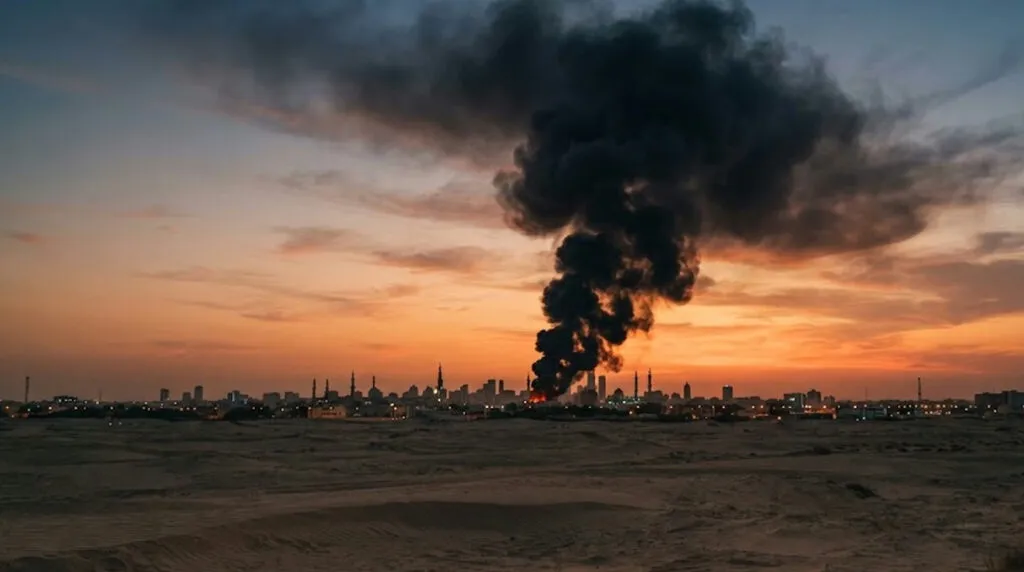
Black smoke over the main airport, sirens in the middle of the night and a state that will not say...
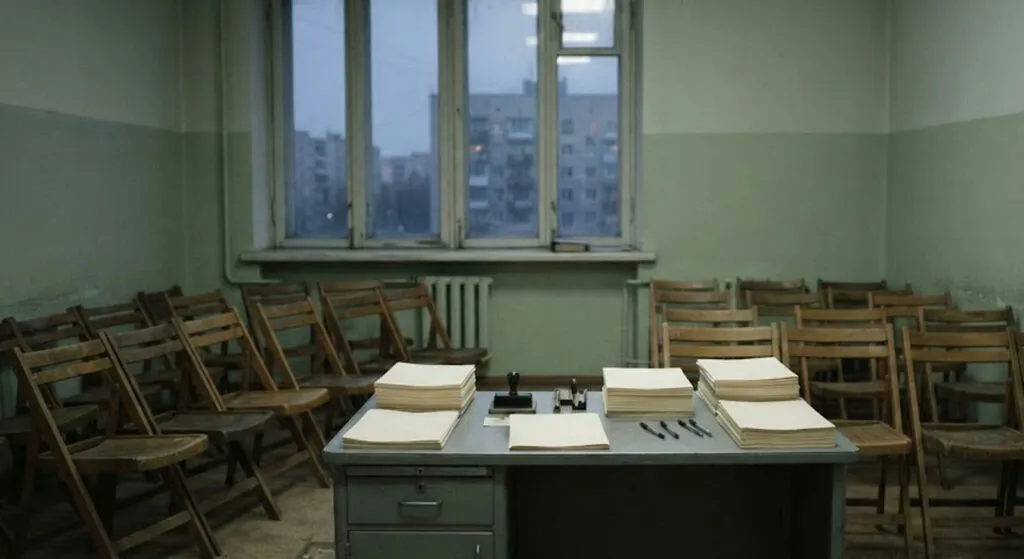
Western agencies say no decision has been taken - only preparations that would let it all happen overnight. In the...
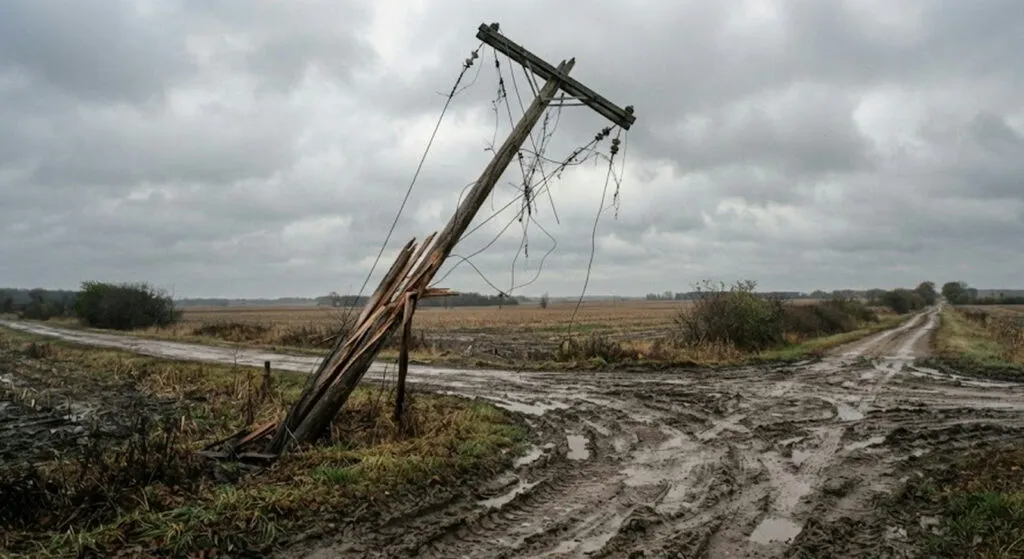
A Russian commander promised to cut the Kharkiv encirclement "like a pie". Every number comes from the camp running the...
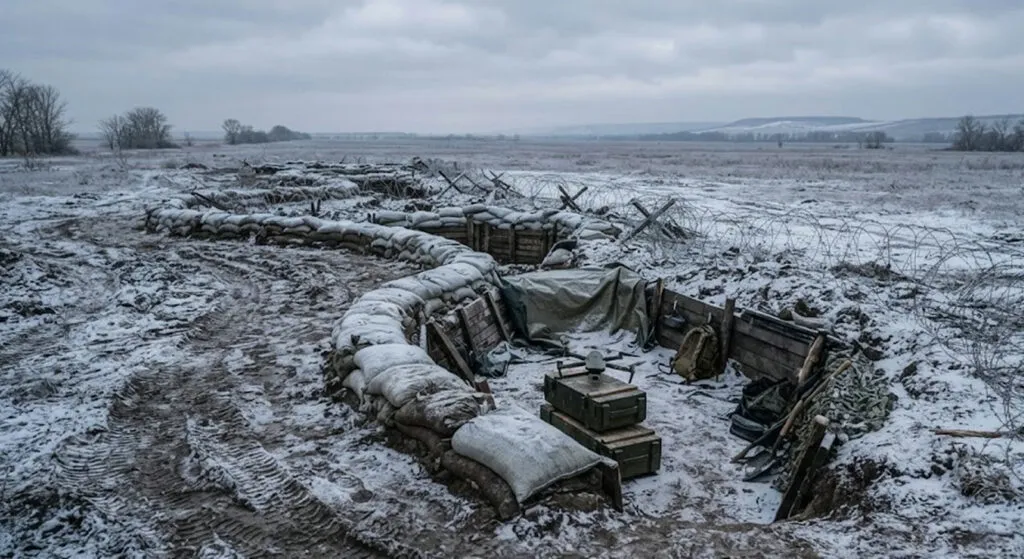
Around 8,500 North Korean soldiers are still in Russia, among them 1,000 engineers and 400 drone operators. Estimates point to...
This site uses cookies - is that okay? Learn more
Be the first to know when Metla launches something new
Leave your email and we will write when there is a new guide or something new on Metla.