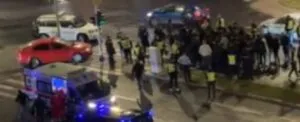
30 days' custody for the fan who knocked a child unconscious outside "Jane Sandanski": how did two fan groups end up right at the entrance?
03.11.2026


03.11.2026
03.11.2026
03.11.2026

03.11.2026
03.11.2026
03.11.2026

03.11.2026

03.11.2026

02.11.2026

03.11.2026

03.11.2026

02.11.2026

03.11.2026

03.11.2026

03.11.2026

03.11.2026

02.11.2026

01.11.2026

03.11.2026

03.11.2026

03.11.2026
03.11.2026
02.11.2026
01.11.2026

23.04.2026

23.04.2026

12.04.2026

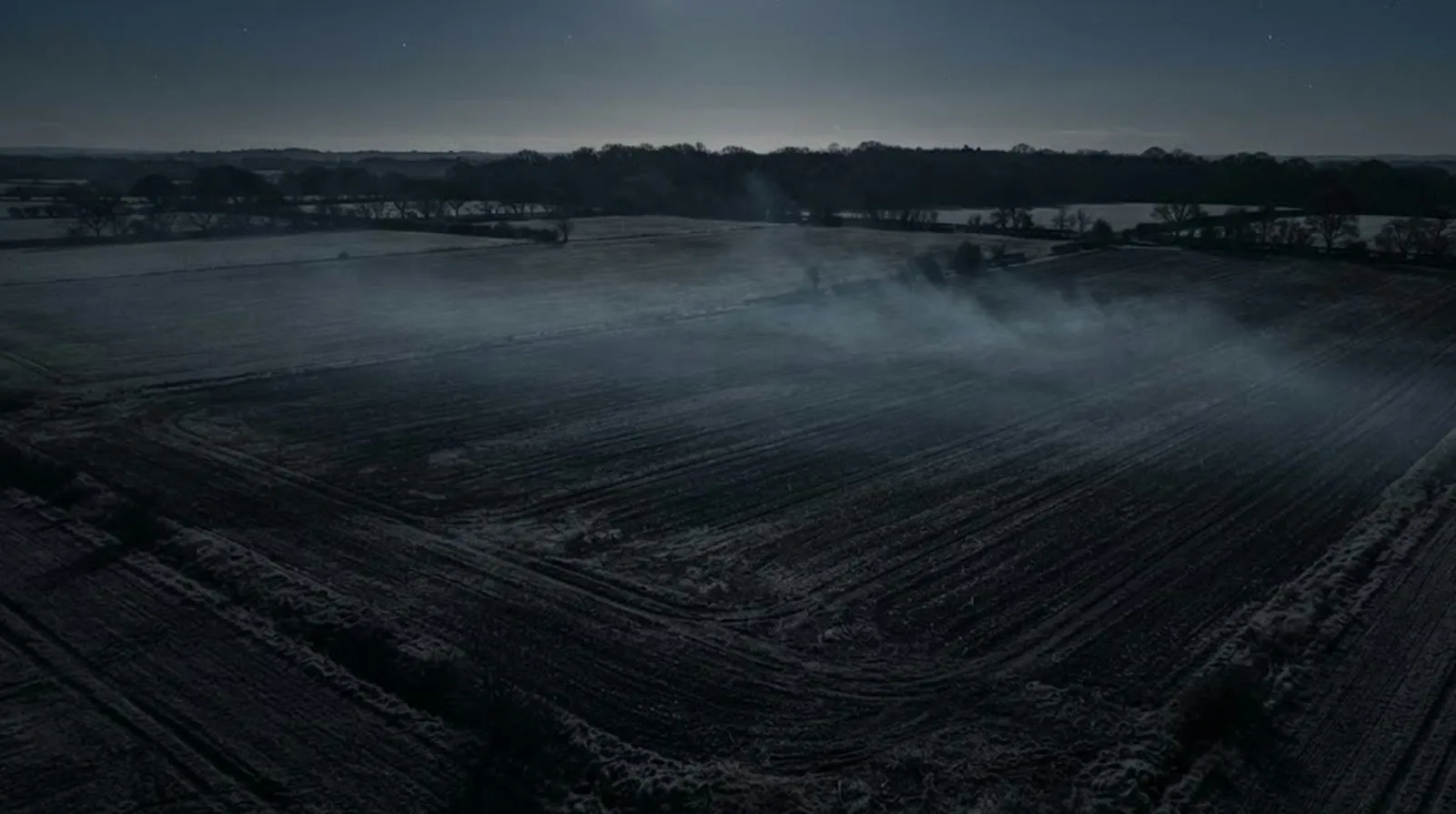
A Russian major general has been killed in the Donetsk region, and two entirely different stories are being told about his death. The Ukrainian side says exactly when, how and who did it. The Russian side confirms the man is dead and then says nothing about the rest. The gap between those two versions is more informative than the event itself.
The man is Anton Grunis, commander of the 4th separate guards motorised brigade, someone the Russian leadership promoted as one of its most successful names at the front. According to Ukraine's Unmanned Systems Forces, he was killed on the night of 12 September, on territory under Russian control. The same post claims the operation was carried out by the 427th "Rarog" brigade, a unit specialised in reconnaissance and drone strikes. The Ukrainians add that Grunis is the seventh confirmed Russian officer of brigade, division or army commander rank to be killed in their unmanned systems operations.
Neither that number nor the claim that "Rarog" specifically carried out the strike has independent confirmation so far. That needs saying out loud, because in this war both sides announce victories faster than anyone can verify them.
The Russian side confirms the death, but not the circumstances
From the Russian side there is no precise location, no date and no method. Military reporter Yuri Kotenok was first to write that information had come in about a Ukrainian strike and the death of a "media-known figure in the Russian command", and only then named Grunis. Another military channel reported that the commander's death had been known "for several days already", but that the news had not been published out of respect for his fellow soldiers. Russia's defence ministry has to this moment issued no separate official statement about the circumstances.
Respect for fellow soldiers is a fine formulation. It also means, however, that information about a dead general sits for weeks inside circles that decide for themselves when the public is ready to hear it.
Two weeks between the medal and the death
The chronology is what gives this story its edge. In late August, defence minister Andrei Belousov presented Grunis with the "Gold Star" and he was given the title Hero of Russia for, as the ministry put it, "courage and heroism in the performance of military duty". Footage of the ceremony was published. Around two weeks later, the man was dead.
Vladimir Putin had singled him out personally ever since he took over the brigade following the death of the previous commander. "A man with a Lithuanian surname, born in Kazan. He fights brilliantly", the Russian president said at the time. In early July Grunis briefed Putin on taking control of Kostyantynivka.
The biography is a professional's: born in 1979 in Kazan, the Kazan Suvorov military school, then the Moscow higher combined-arms command school. According to Russian sources he took part in combat operations in Chechnya, South Ossetia and Syria. He went into the reserve in 2021 and returned to active service after the invasion began. He was made major general in 2024. His call sign was "Grozny".
What this means for the front line
Grunis's brigade was deployed on the Artemivsk and Chasiv Yar axes, that is, in the hottest part of the front. If the Ukrainian figure of seven senior officers lost in drone operations is accurate - and that is a large "if" - then the point is not any individual name. The point is that in this war the night drone is already reaching a level of command that used to be considered relatively safe.
News of Grunis's death first surfaced through the "Suvorov Brotherhood" community, then was picked up by military channels, regional media from Tatarstan and sources connected to his brigade. The official apparatus stayed silent. When your own hero of two weeks ago dies and the state cannot find a sentence for it, that is not discretion - it is a decision.
The latest 10 news from this category

Washington strikes, Tehran hears explosions, oil jumps - and the president insists there's no war. The Balkans have long known:...

Washington has scheduled the next trilateral meeting, Europe will wait in Brussels, and Moscow and Kyiv want completely opposite things....

An American commentator announces a nuclear strike by 7 November, and a respected magazine writes about new attacks right after...
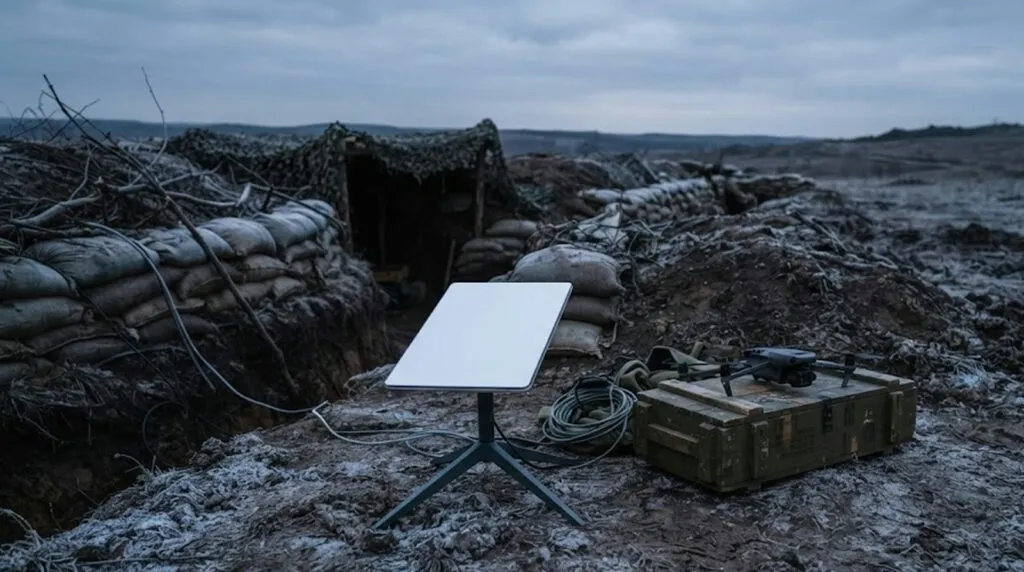
Over 250,000 terminals at the front and one man with a switch. If that can happen to Ukraine in the...
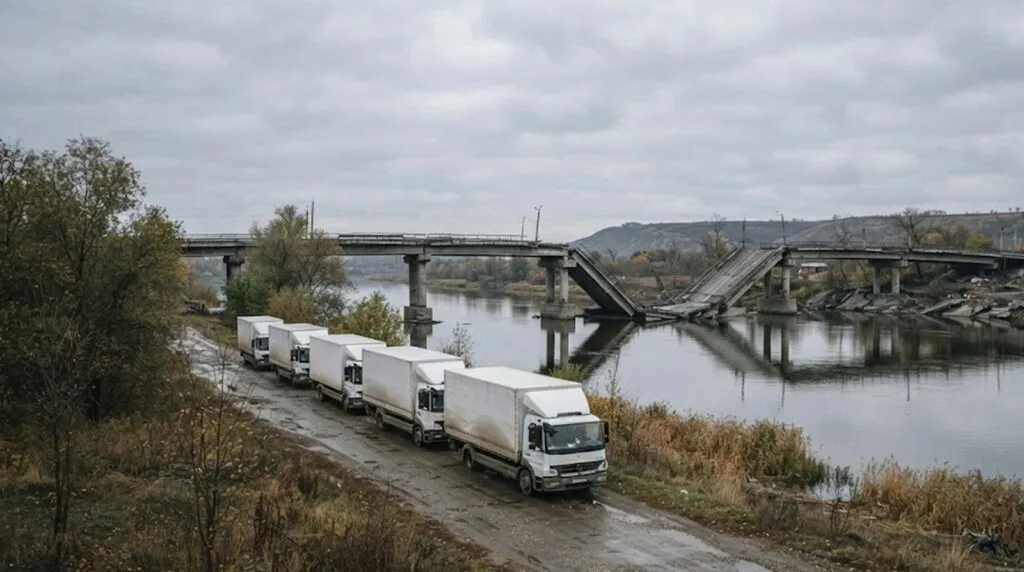
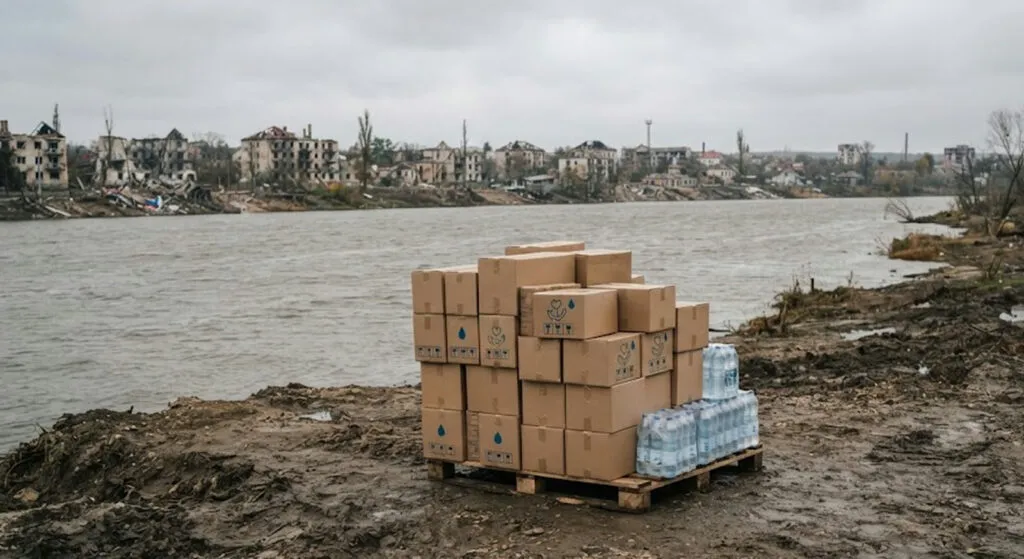
A convoy corridor in Oleshky - and in the next breath the Kremlin says combat operations continue. The Balkans know...
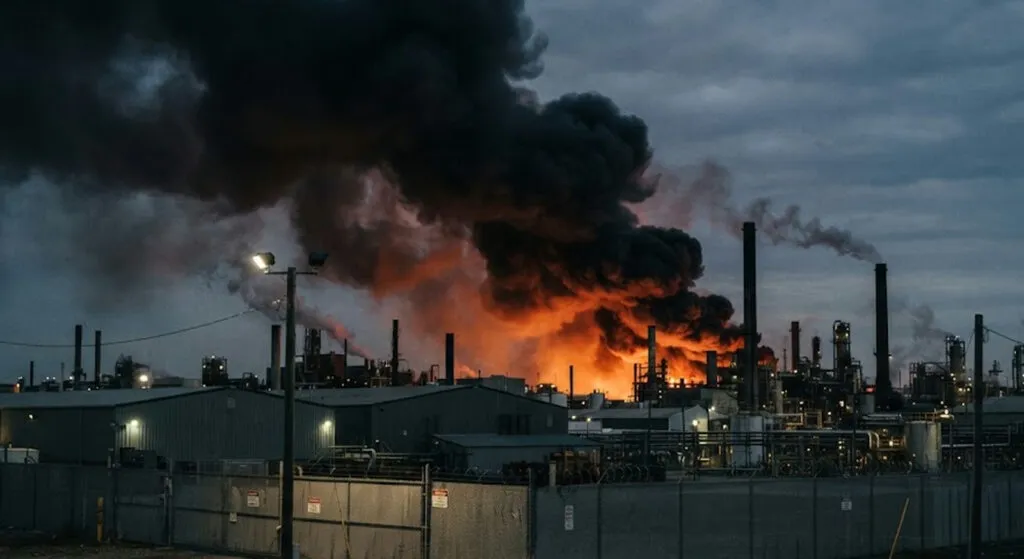
Two Belarusians arrested in Germany, a European arrest warrant for a Ukrainian. Hybrid war has no front line - it...
The ceasefire took effect at 3 a.m. A few minutes later, Russian ballistic missiles were flying towards Kyiv. That's what...

Trump says Zelensky is a harder partner than Putin. Behind the scenes, American intelligence is sending Kyiv strike data and...
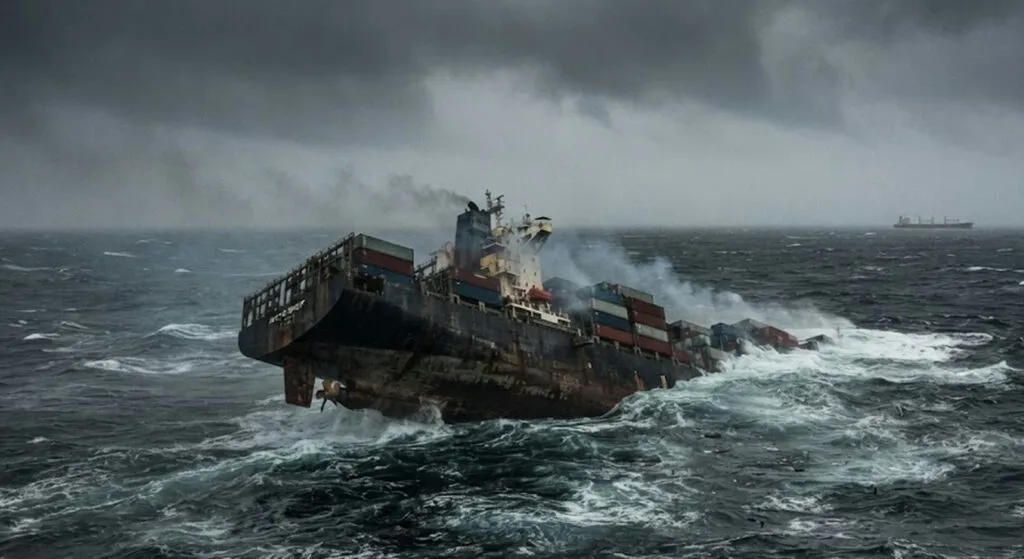
One dead, three missing, and no official cause. Before it, in October alone, drones attacked at least seven cargo ships...

Security guarantees and ten years of funding for the army - that's Kyiv's price. Putin, meanwhile, doesn't want a short-lived...
This site uses cookies - is that okay? Learn more
Be the first to know when Metla launches something new
Leave your email and we'll write to you when there's a new guide or something new on Metla.