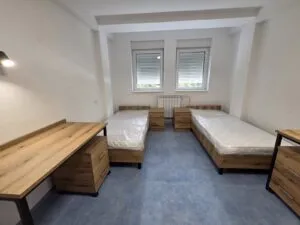
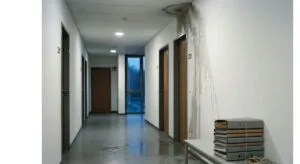
Stiv Naumov dorm renovated for around 10 million euros: a month later water runs through the walls and the ministry counts wet wipes
24.10.2026


24.10.2026
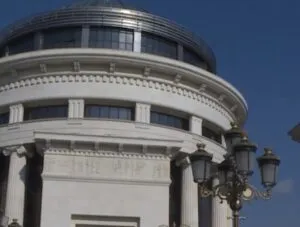
24.10.2026
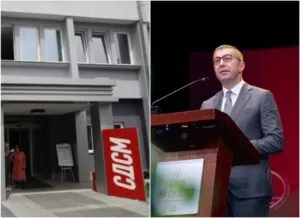
24.10.2026

24.10.2026
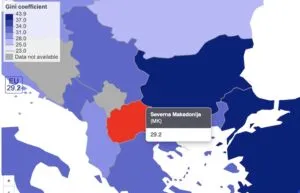
24.10.2026

24.10.2026
24.10.2026

23.10.2026
22.10.2026

24.10.2026
24.10.2026

23.10.2026
24.10.2026

24.10.2026

24.10.2026

24.10.2026

23.10.2026
22.10.2026

24.10.2026

24.10.2026

24.10.2026

24.10.2026
23.10.2026
23.10.2026
24.10.2026
23.10.2026

23.10.2026
24.10.2026
22.10.2026
20.10.2026

23.04.2026

23.04.2026

12.04.2026

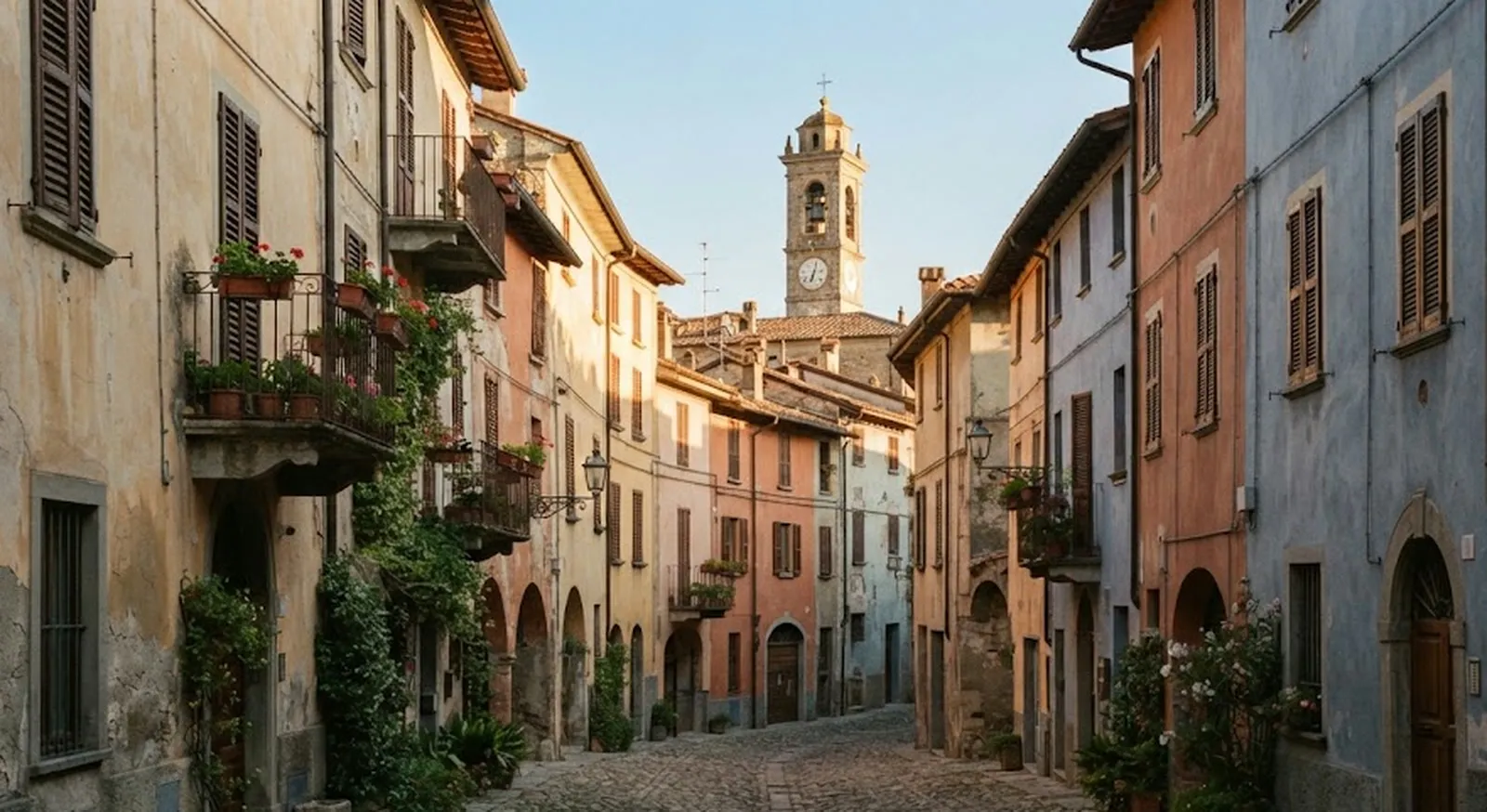
There is a way of travelling that European capitals do not advertise: you take a train or get in a car, drive for an hour, and step out in a town that has everything you were looking for in the metropolis - without the queue at the entrance and without the bill. Seven such places, all within reach of a major capital.
Görlitz, Germany - 90 minutes from Berlin
Over 4,000 historic buildings, from medieval to art nouveau. The town sits on the German-Polish border, on the river Neisse, and continues into the Polish Zgorzelec. It was once a textile centre and controlled the indigo trade. Here too is the Schönhof, the oldest Renaissance house in Germany. More than 100 films have been shot here, so locally they call it Görliwood. A town so well preserved that preservation became its profession.
Senlis, France - 40 kilometres from Paris
Roman in origin, once called Augustomagus. It has a medieval wall seven metres high and remains of an amphitheatre still visible today. Under Hugh Capet it became a royal residence and remained a favourite hunting base of French kings. The Notre-Dame cathedral, with a 78-metre tower, shows how Gothic architecture changed over time.
Lewes, England - an hour from London
Medieval streets with independent shops and a Norman castle from 1069. Here too is Anne of Cleves House from the 15th century, timber-framed, today a museum of Tudor interiors. In Lewes an agreement was signed that is considered one of the foundations of parliamentary democracy. And once a year, on 5 November, the town turns into the world capital of torchlit processions.
Viterbo, Italy - 80 kilometres from Rome
They call it the City of the Popes. It has one of the best preserved medieval centres in Italy. The Papal Palace, built between 1257 and 1281, hosted conclaves. And around the town there are free thermal springs - among them Bullicame, which Dante mentions in his text. Hot water, no ticket.
Palmela, Portugal - 40 kilometres from Lisbon
It sits in the Arrábida hills, with a view between the Sado and Tagus rivers. The castle was built by the Arabs, and the monastery of the Order of Santiago, from 1172, is a hotel today. Down in the Sado estuary you can see dolphins, and you get out onto the water by kayak.
Cremona, Italy - an hour from Milan
UNESCO-protected for its violin making. Over 100 active workshops continue the work of the Stradivari, Amati and Guarneri families. The violin museum holds original instruments. The Torrazzo is the tallest brick bell tower in Europe and still carries a working 16th-century astronomical clock.
Dordrecht, the Netherlands - 90 minutes from Amsterdam
The oldest town in the Netherlands, with city rights from 1220. Over 1,000 monuments, among them the 14th-century Grote Kerk with its 65-metre tower. The Wolwevershaven harbour preserves the old merchant warehouses. And nearby is Kinderdijk with nineteen UNESCO-protected windmills.
They have one thing in common: they all sit next to a capital, and that is exactly why they survived. Nobody renovated them for tourists, because the tourists were going forty kilometres further on. The Balkans have places like this too - the difference is that a regular service rarely runs to them, and a road sign even more rarely.
The latest 10 news from this category

Of 80 towers, just over twenty remain, the palace where the queen who sent Columbus was born is today a...
Hermits, a legend about a statue that arrived from Rhodes and bus number 499. One of the most unusual places...
One of the wildest isn't in Scandinavia but in the Balkans: Perućica in Bosnia, with trees taller than 50 metres...
Galleries in former factories, the pope as a pop icon and Keith Haring in a palazzo. Entry is free, and...
Deposed kings, a future queen who said "yes" on the third try and Kate Moss's party that staff still won't...
An Alpine lake with no concrete on its shores, a 15th-century castle that starred in the Sissi films, and a...
The film was booed at Cannes, and now it has an exhibition in the palace where the queen escaped protocol....
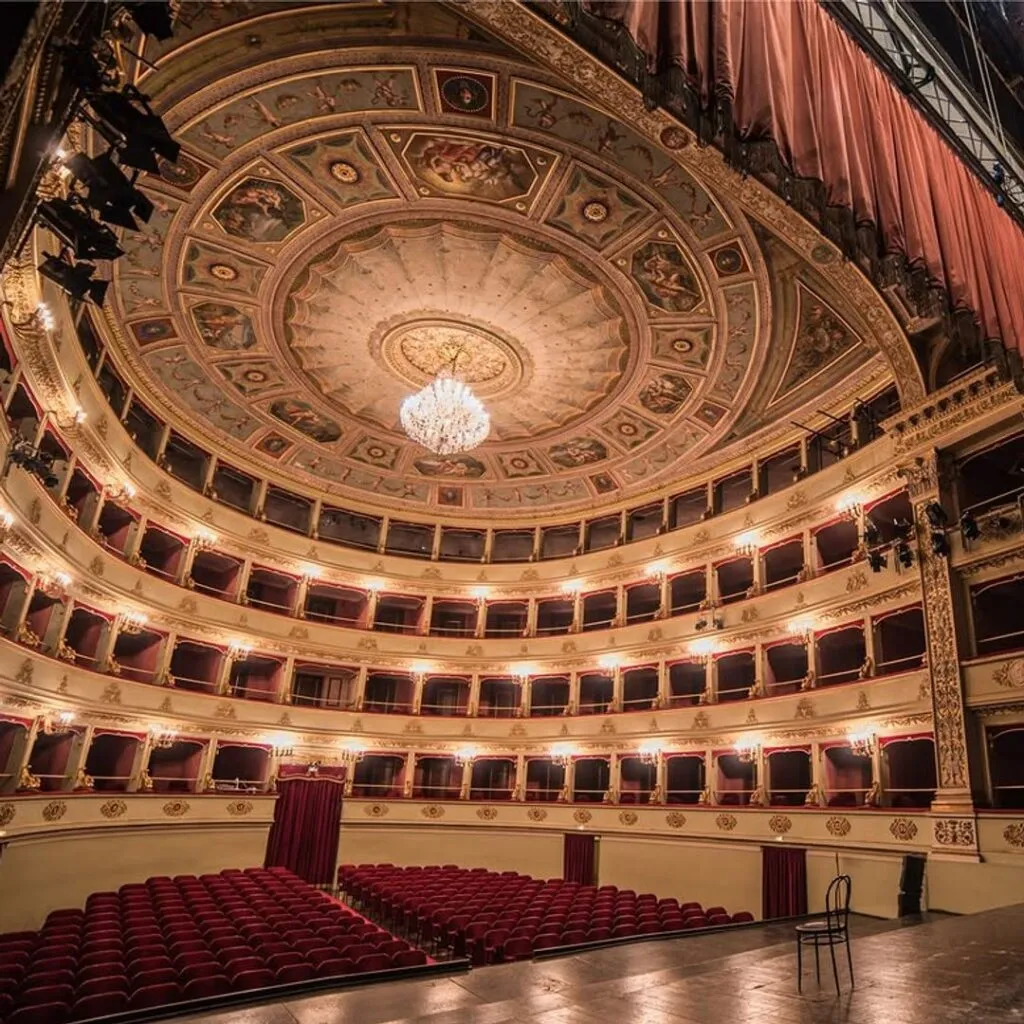
In Marche, families bought boxes at the theatre and left them in their wills like a field or a flat....
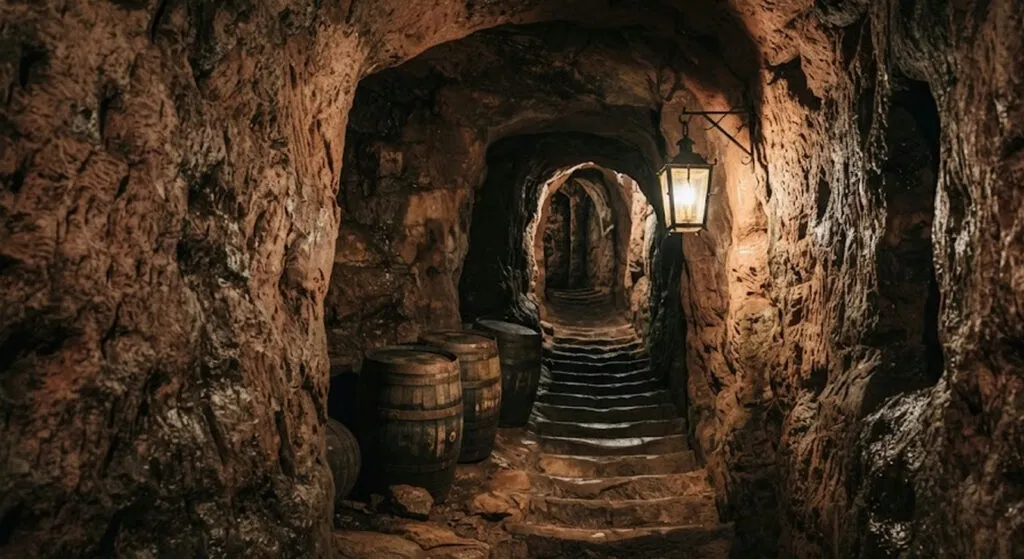
Beneath Robin Hood's city lies a whole underground world - caves that served as cellars, workshops and bomb shelters. Harry...
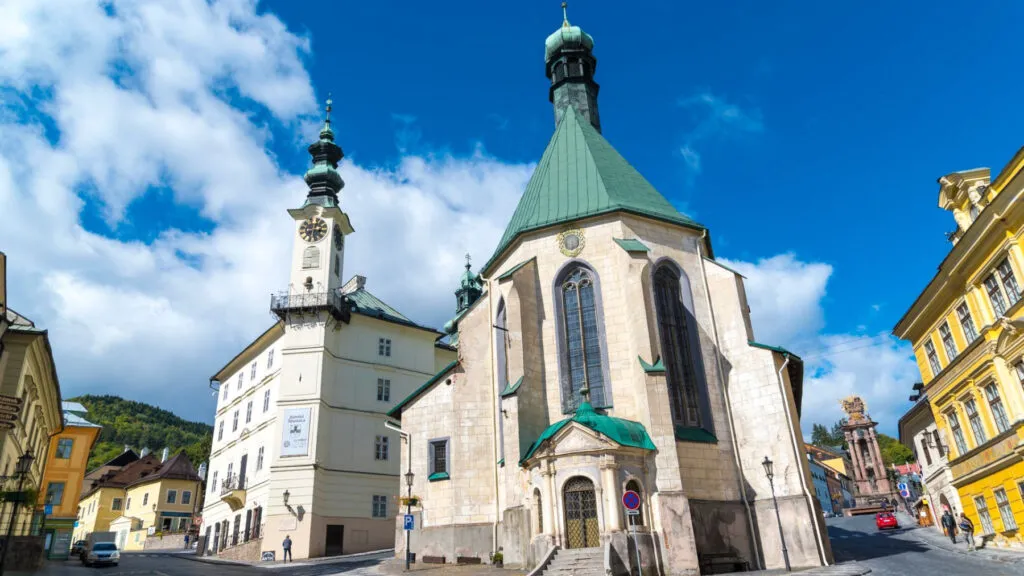
Once the third-largest town in the Kingdom of Hungary, today around 9,200 inhabitants, mining tunnels under the houses and the...
This site uses cookies - is that okay? Learn more
Be the first to know when Metla launches something new
Leave your email and we will write when there is a new guide or something new on Metla.