

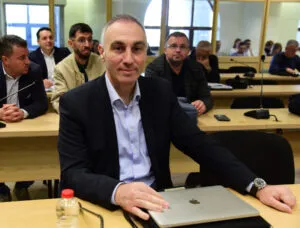
Grubi calls the entire government as witnesses, while 9.7 million euros' worth of machines sit in a warehouse
21.10.2026


21.10.2026
21.10.2026
21.10.2026

21.10.2026
21.10.2026
21.10.2026
21.10.2026
20.10.2026
20.10.2026
21.10.2026
21.10.2026
20.10.2026
21.10.2026
21.10.2026
21.10.2026
21.10.2026
20.10.2026
19.10.2026
21.10.2026
21.10.2026
21.10.2026
21.10.2026

21.10.2026
20.10.2026
21.10.2026
20.10.2026
19.10.2026
20.10.2026
19.10.2026
17.10.2026

23.04.2026

23.04.2026

12.04.2026

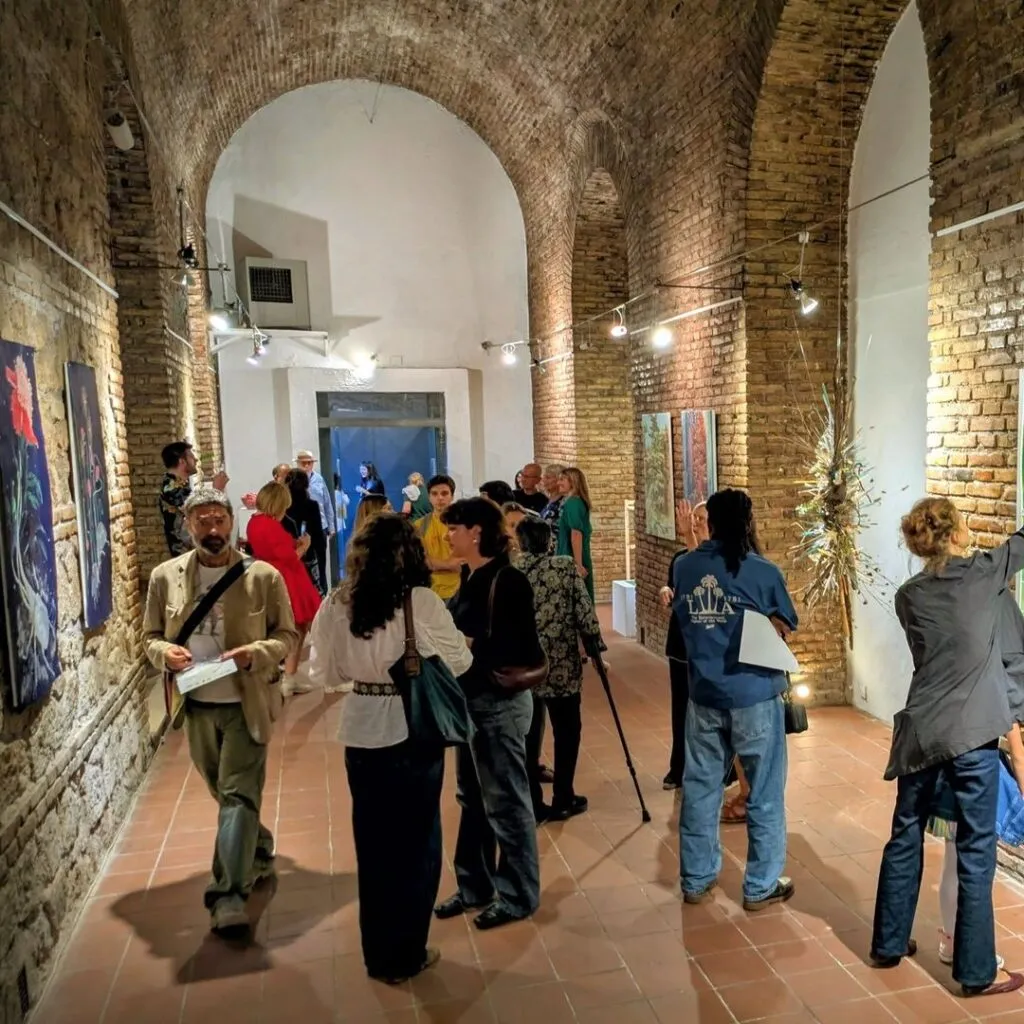
Rome usually sells itself with Caravaggio, Bernini and Michelangelo. From 19 to 25 October the Eternal City changes its shop window: Rome Art Week opens galleries, foundations, artists' studios and independent and institutional spaces across the city, and this edition is free. The trick is not to rush around all of Rome in one day, but to devote each day to a single neighbourhood.
The historic centre: starting among palazzi
Gagosian on Via Francesco Crispi is the most international stop on the route. Maja Arte Contemporanea on Via di Monserato offers a more intimate look at today's art. At The Floor - Modern Art Gallery, Paco Plutone has installed the exhibition "The Skin of Light", on light explored through different media. And at Palazzo Braschi, home of the Museum of Rome between Campo de' Fiori and Piazza Navona, there is a Keith Haring exhibition on the relationship between image, public space and popular culture - open until 11 April 2027. The centre is best explored on foot, and the palazzi themselves are part of the show.
Trastevere and Borgo: a factory and a pope
Across the river, Fondazione VOLUME! operates in a former industrial building and every year turns the neighbourhood into a creative laboratory. Emmeotto Arte is showing the group exhibition "States of Uncertain Domesticities", which reads the home from a political and feminist angle. In Borgo, a few steps from the crowds outside the Vatican, the exhibition POPE ART presents the pope as a pop-culture icon - through posters, prints, comics and memes. The irony writes itself.
Prati, Monti and San Lorenzo
Prati shows the less obvious side of the week: associations and studios opening their doors in a district of wide boulevards and civic architecture. Among them are Otto Gallery, Fondazione Cervelli Ribelli and the studio of artist Michel Patrin. Contart Gallery hosts "FULGOR" by Argentine artist Renata Schussheim, devoted to the body, water, light and transformation. For a break, Café Sciascia on Via Fabio Massimo has been open since the start of the last century and is one of the best-kept local secrets.
To the east, Monti and San Lorenzo are given over to young and international artists. Galleria 291 Est/Inc. marks 20 years with "CAPITOLOVENTI", an exhibition that is also a visual history of the gallery itself. Interzone Galleria shows Iranian artist Sepideh Sarlak with "Il muro del tempo ha un foro", on displacement, memory and fragmented identity. Palazzo Merulana, a former palazzo turned into a space for modern and contemporary Italian art, is a few minutes from the bohemian streets of Monti, full of design studios, bars and small shops.
A tiny biennale and the factories of Ostiense
Near the Spanish Steps, the gallery of Temple University is organising the Tiny Biennale: works measuring 20 by 20 centimetres on the theme "Memories", marking 60 years of the university's presence in Rome. The biennale was founded by artist and professor Susan Moore 15 years ago, and the last edition was in 2020. Donations and sales of some of the works go to visual arts students.
Ostiense is Rome's version of the industrial district turned artistic: former factories and warehouses are now galleries and studios. Studio Campo Boario is staging "Primo Round", an exhibition that uses boxing as a starting point for the body, movement and the play of light and shadow. Here too is MACRO, the museum of contemporary art without which today's Italian scene cannot be understood. Photography lovers have their own route: the Hungarian Academy on Via Giulia is showing "ATA KANDÓ 1956", Ata Kandó's photographs of refugees from the Hungarian Revolution, while SottoSopra Art Studio Gallery in San Giovanni presents the second edition of "Codice Visivo", titled "The Journey - Beyond the Map".
Getting there, where to eat and sleep
From Fiumicino airport, the Leonardo Express train reaches Termini station in about 30 minutes, non-stop. Metro line A is handy for Prati, the Vatican and the Spanish Steps, line B for Monti, Termini and Ostiense, and the centre and Trastevere are best done on foot.
To eat: Trattoria Da Luigi on Piazza Sforza Cesarini is a classic trattoria with a terrace, known for its cacio e pepe and amatriciana. At Bar Farnese by Campo de' Fiori, an espresso at the counter costs 2.50 euros. Ciampini, a Roman classic founded in 1958, is the place for breakfast or an afternoon drink. Tramae, on a terrace at Palazzo Talìa near the Trevi Fountain, is run by chef Marco Coppola from Sorrento - and the tiramisu is made in front of you, at the table. To sleep: Villa Agrippina, between Trastevere and the Vatican, stands on the site of the ancient estate linked to Agrippina, mother of Caligula, and has the Folie restaurant with Luciano Monosilio's carbonara. G-Rough is a small hotel in a 17th-century palazzo near Piazza Navona, furnished with pieces from the forties to the sixties, and Casa Monti has interiors by French designer Laura Gonzalez and a rooftop terrace with one of the best views of the city.
This is a model that needs neither new museums nor million-euro budgets. It needs galleries and studios that agree to open their doors in the same week and let the public in without a ticket. Could Skopje, Bitola or Ohrid one day do something similar?
The latest 10 news from this category
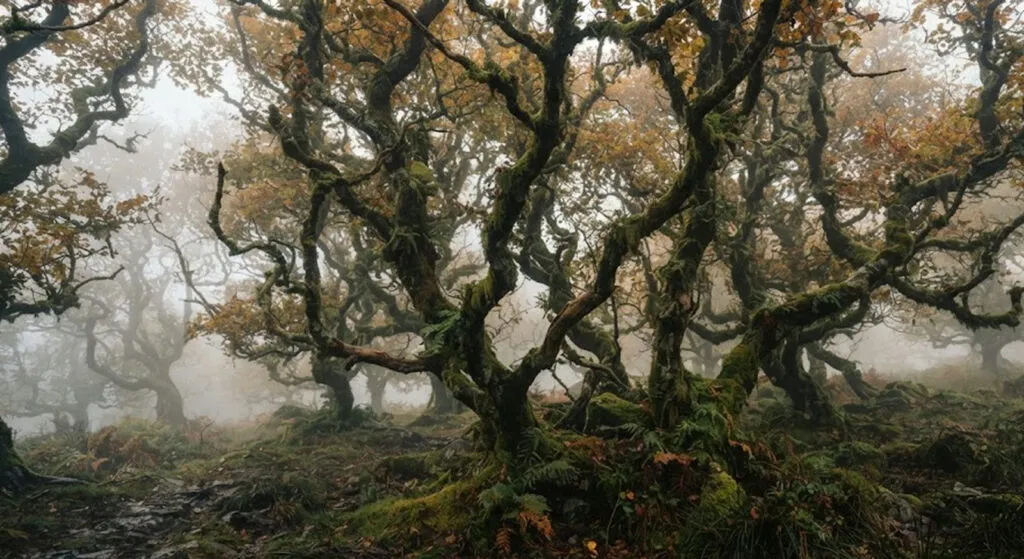
One of the wildest isn't in Scandinavia but in the Balkans: Perućica in Bosnia, with trees taller than 50 metres...
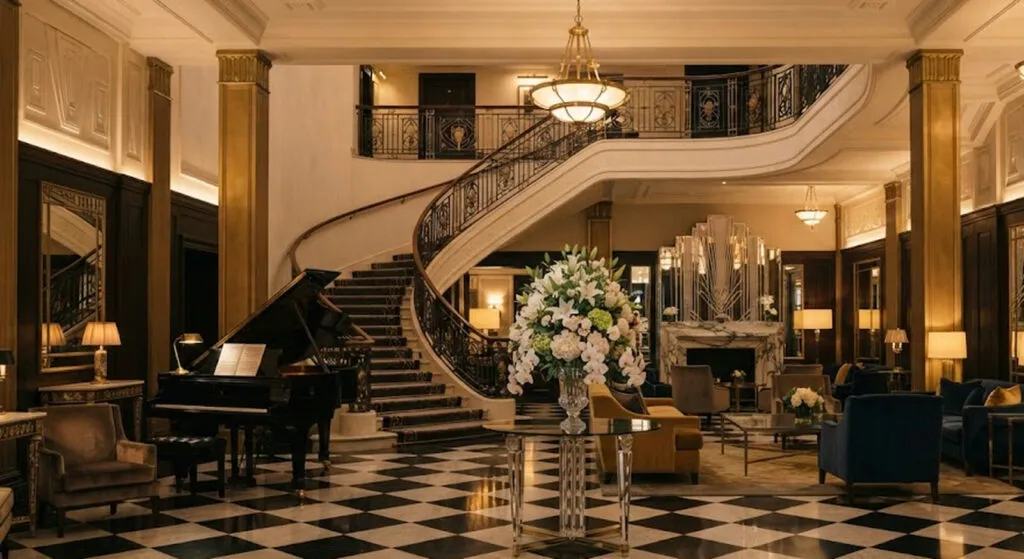
Deposed kings, a future queen who said "yes" on the third try and Kate Moss's party that staff still won't...
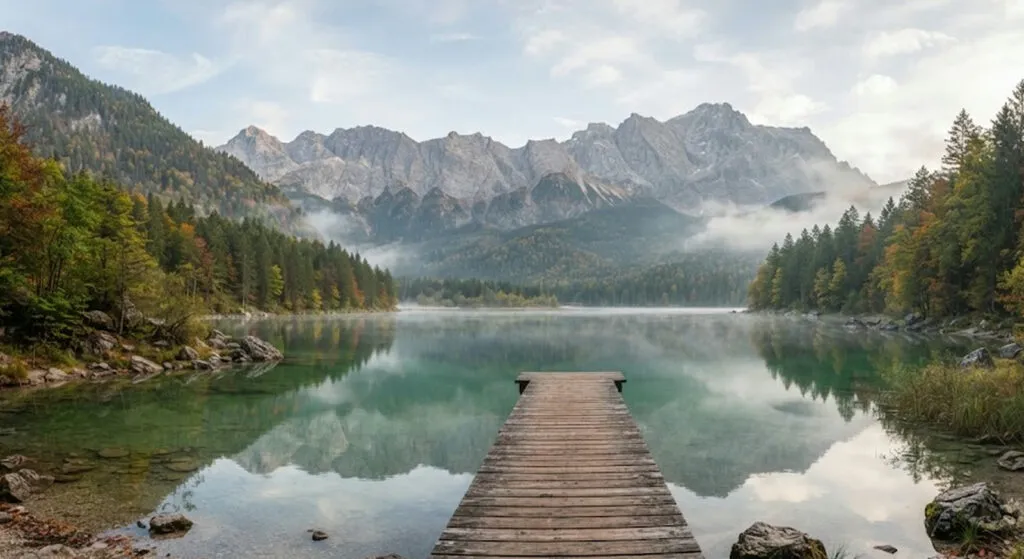
An Alpine lake with no concrete on its shores, a 15th-century castle that starred in the Sissi films, and a...
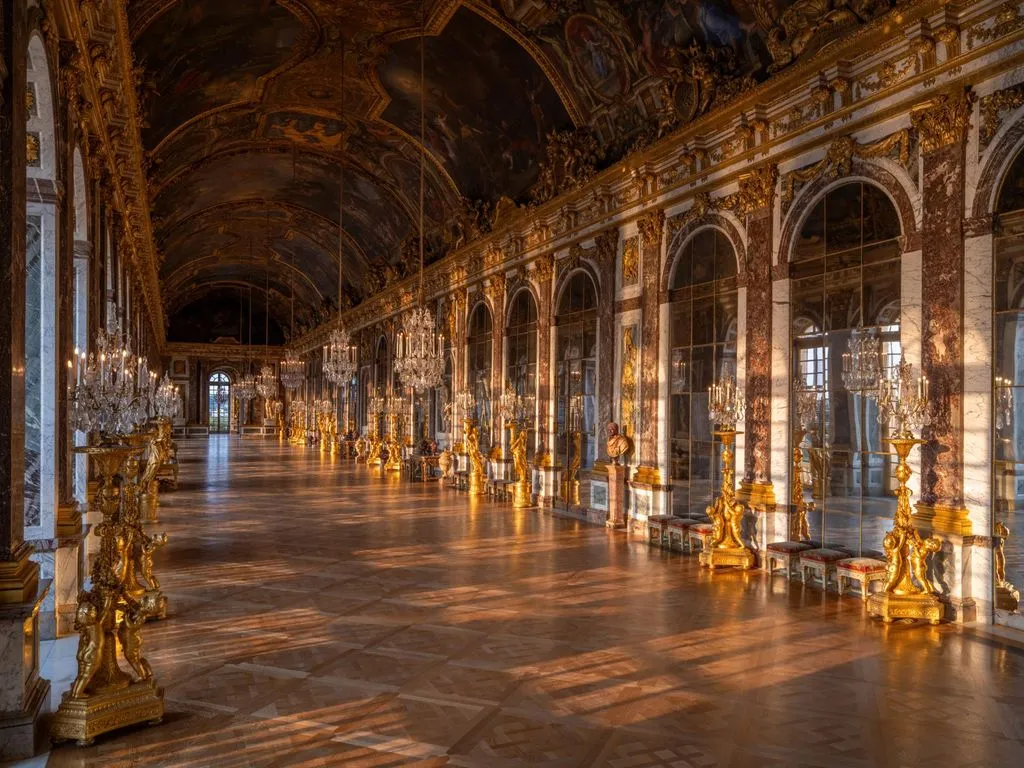
The film was booed at Cannes, and now it has an exhibition in the palace where the queen escaped protocol....
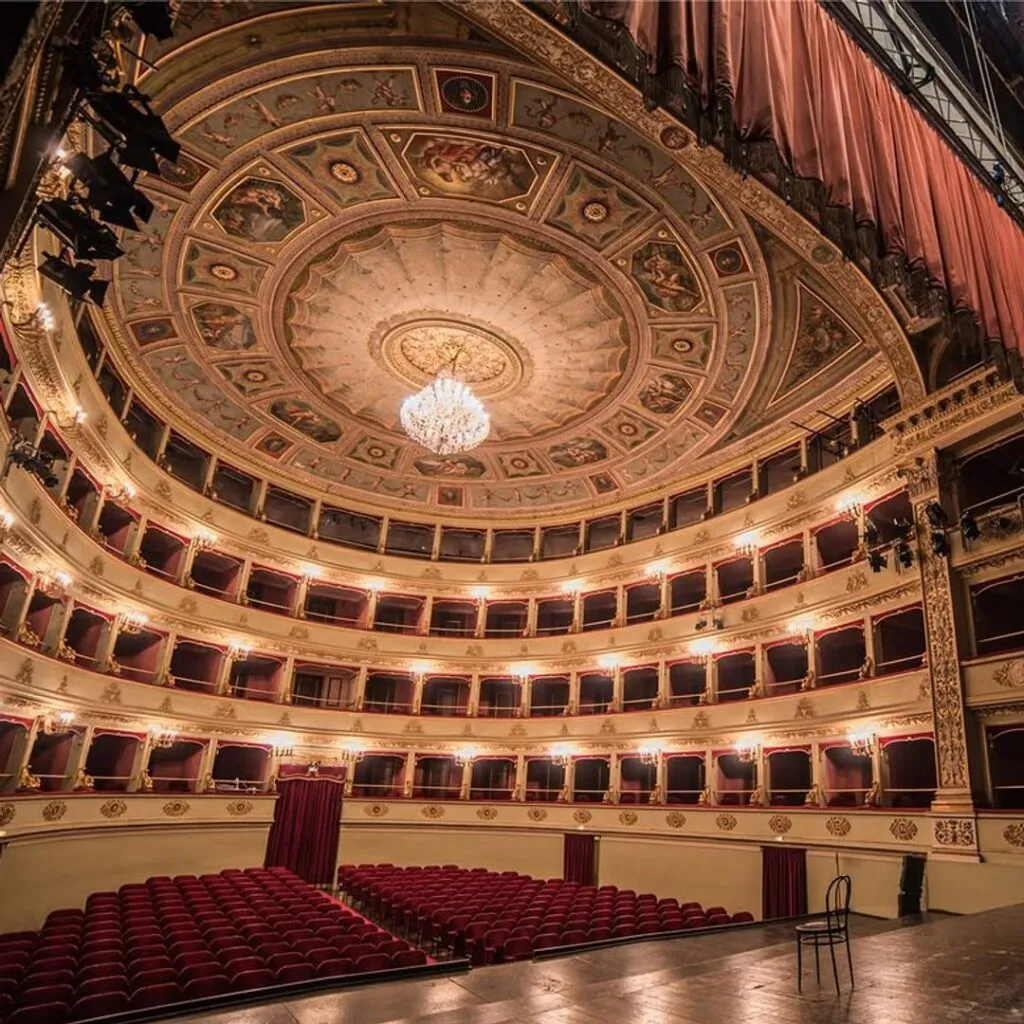
In Marche, families bought boxes at the theatre and left them in their wills like a field or a flat....
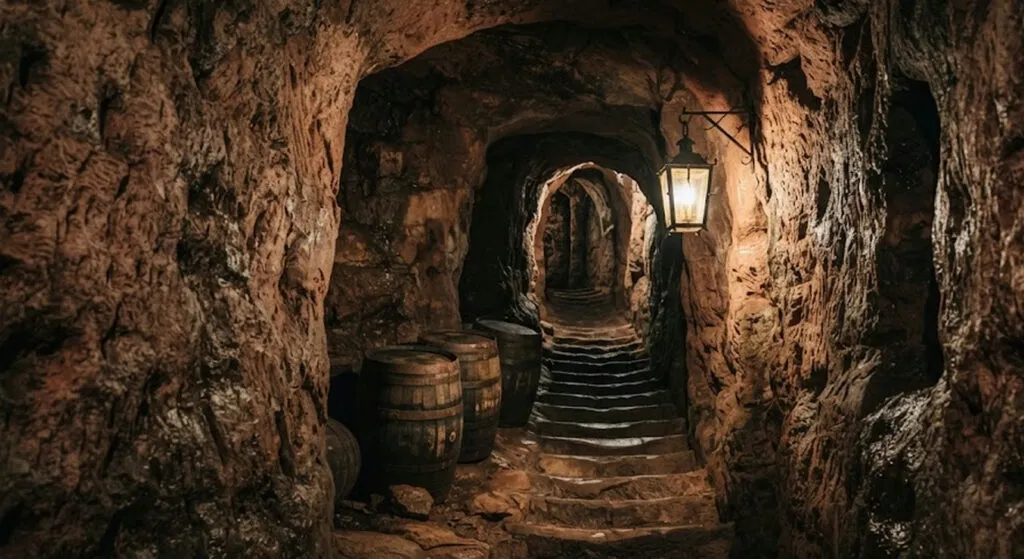
Beneath Robin Hood's city lies a whole underground world - caves that served as cellars, workshops and bomb shelters. Harry...
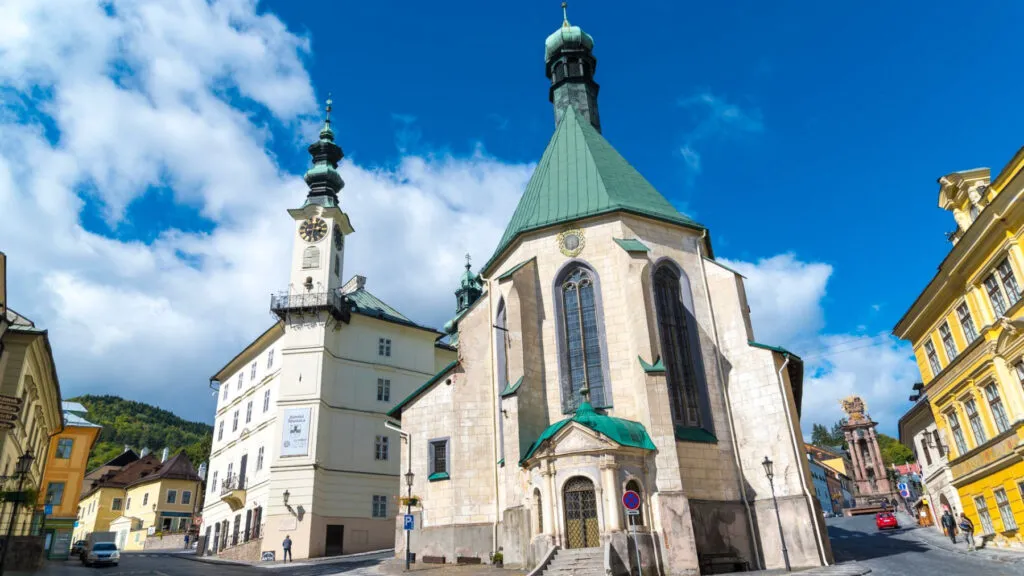
Once the third-largest town in the Kingdom of Hungary, today around 9,200 inhabitants, mining tunnels under the houses and the...
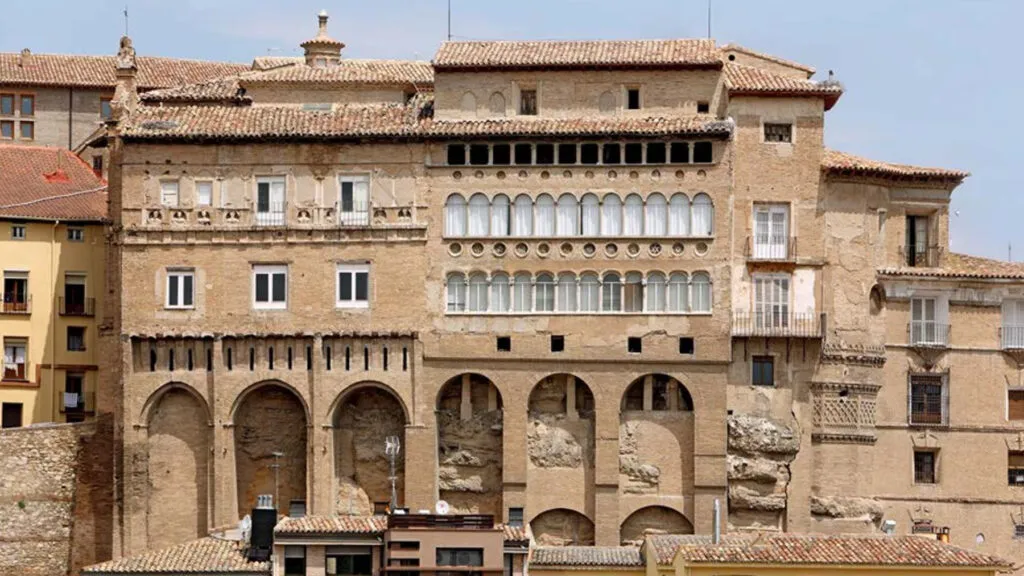
The town on the border of four Spanish regions re-enacted the royal wedding of 1170, when the groom was 14...
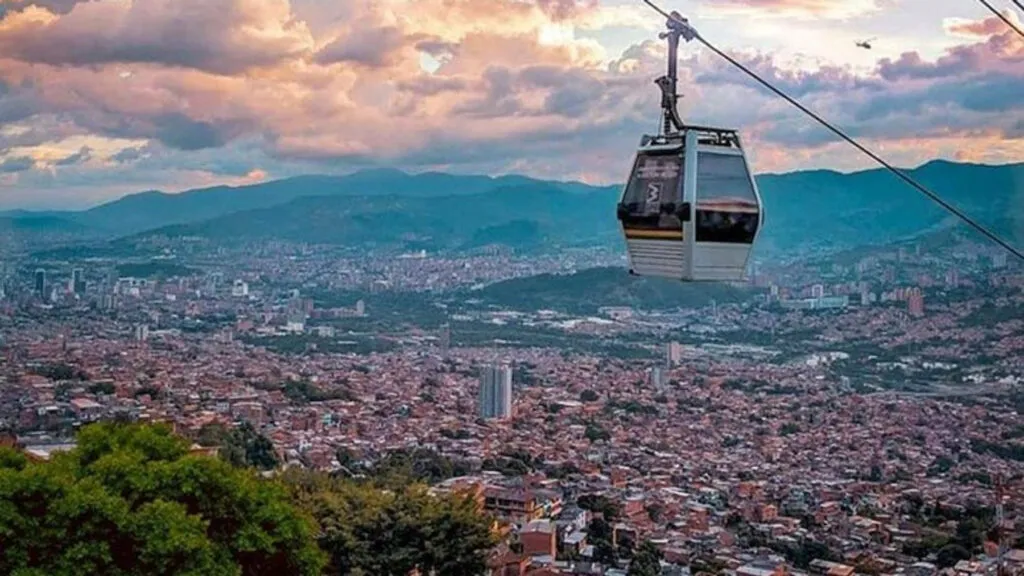
Before Maluma and Shakira perform "Agua" live for the first time tonight in Madrid, we travel to the city Maluma...
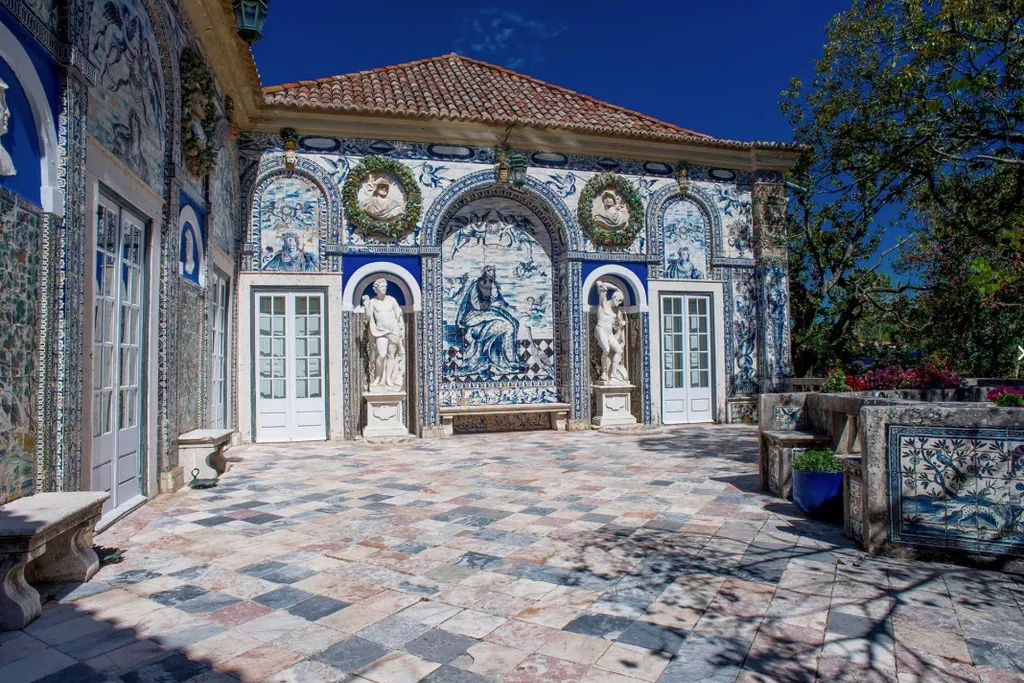
Built around 1670, expanded after the earthquake that flattened Lisbon, and the marquises' descendants still live in it. About fifteen...
This site uses cookies - is that okay? Learn more
Be the first to know when Metla launches something new
Leave your email and we will write when there is a new guide or something new on Metla.


