Debar woman reported a 3,000-euro burglary at her home - police found she had made it up
14.10.2026


14.10.2026
14.10.2026
14.10.2026
14.10.2026
14.10.2026
14.10.2026

14.10.2026

13.10.2026
13.10.2026

14.10.2026

14.10.2026
13.10.2026
14.10.2026

14.10.2026

14.10.2026

14.10.2026

13.10.2026

12.10.2026
14.10.2026

14.10.2026

14.10.2026

14.10.2026
14.10.2026

14.10.2026
13.10.2026

12.10.2026

10.10.2026

23.04.2026

23.04.2026

12.04.2026

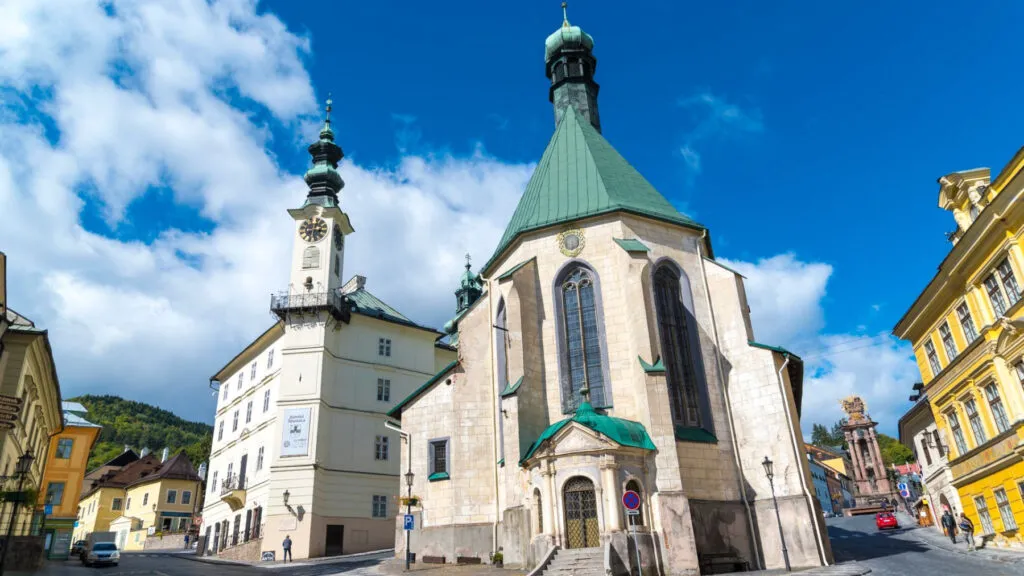
In central Slovakia, on the slopes of an ancient volcano, lies a town that was once the third-largest in the Kingdom of Hungary. Today Banská Štiavnica has around 9,200 inhabitants, a place on the UNESCO World Heritage list and streets that look as if someone stopped time when the mines closed.
The town was built by miners, and it shows at every step. The old core climbs a steep slope, and under the houses run mining tunnels that later served as cellars. One of them is open to visitors - going underground is the best way to understand where the wealth the whole town stands on came from.
The miners also left behind something no tourist brochure could invent: 24 old mining reservoirs, built for the water that powered the machines. Today they are swimming lakes in summer, among them Klinger and Počúvadlo. The industry of past centuries shaped the landscape, and today's visitors swim in it.
The town loves legends. Its coat of arms has two lizards, thanks to a story about a shepherd. On Holy Trinity Square stands a baroque column erected after the plague of 1710. And the clock on the town hall tower has its hands swapped - the big one shows the hours, the small one the minutes. Tourists stop, look and do the maths.
The tenderest story is linked to the poet Andrej Sládkovič, who wrote a long love poem inspired by a girl named Marína Pischlová. Her house is now home to the "Bank of Love" - a vault where couples leave objects for safekeeping. The town also has an unexpected pop connection: it is the birthplace of photographer Dezider Hoffmann, the Beatles' official photographer.
Life in Banská Štiavnica isn't a museum. There is a brewery with copper kettles and a hotel with a café crammed with books. About 45 kilometres away is Kremnica, home to one of the oldest mints in the world still in operation, together with a mine museum.
You get there via Bratislava airport. The car is best left outside the centre, and on the table, bryndzové halušky are a must - potato dumplings with sheep's cheese, Slovakia's answer to our mantii and pastrmajlija.
And one question for home: Kratovo also sits in the crater of an extinct volcano, with a mining history centuries long. How many foreign tourists know that - and whose job is it to tell them?
The latest 10 news from this category
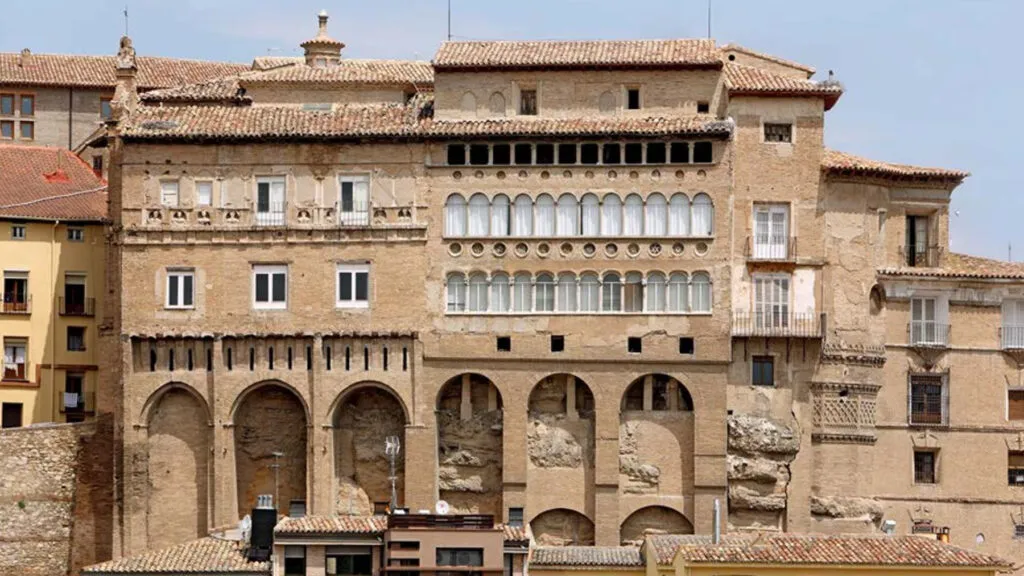
The town on the border of four Spanish regions re-enacted the royal wedding of 1170, when the groom was 14...
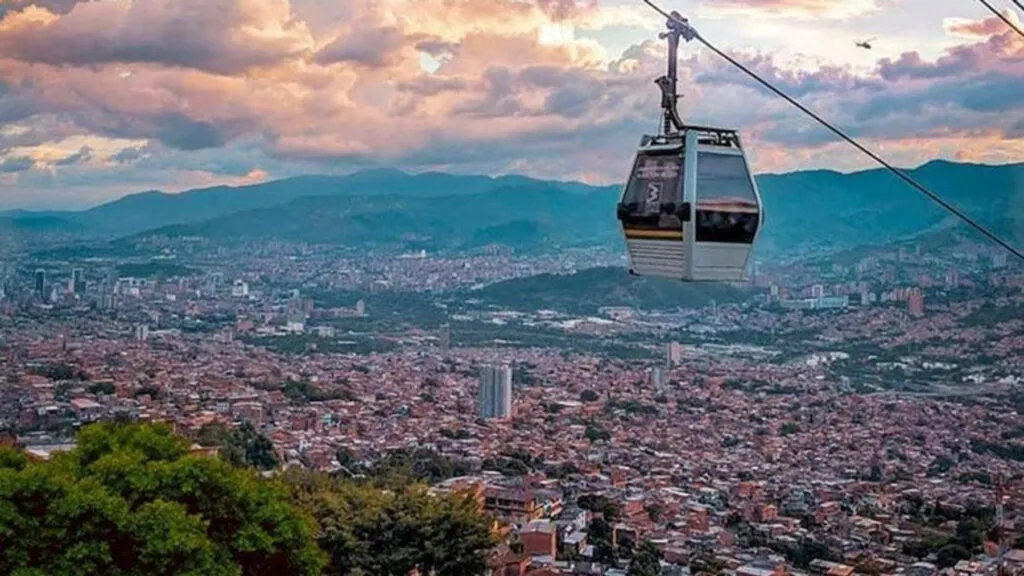
Before Maluma and Shakira perform "Agua" live for the first time tonight in Madrid, we travel to the city Maluma...
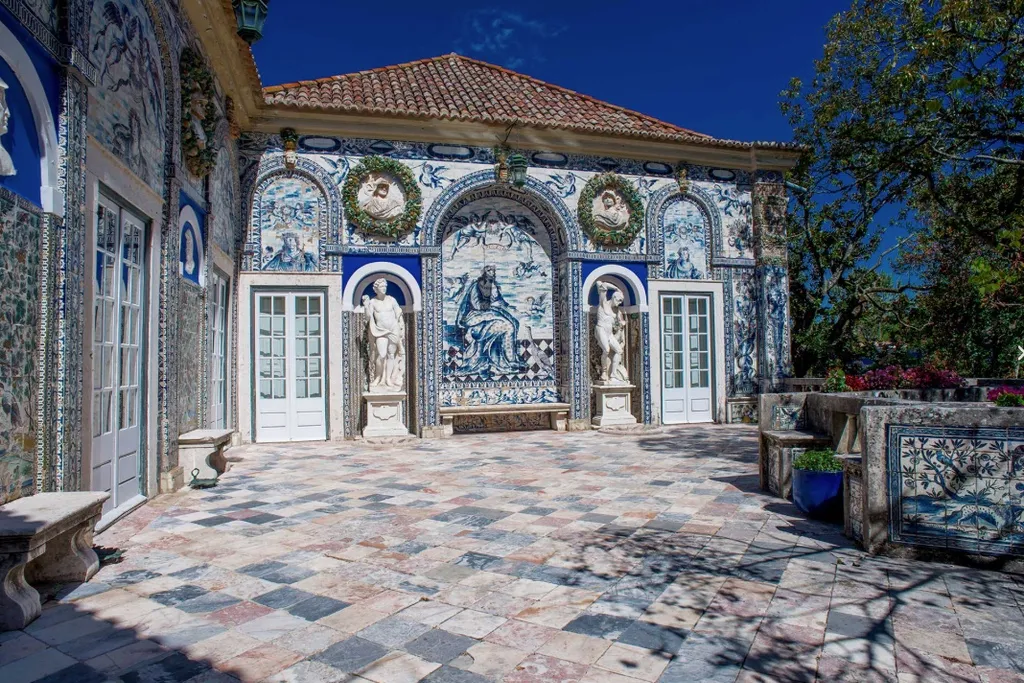
Built around 1670, expanded after the earthquake that flattened Lisbon, and the marquises' descendants still live in it. About fifteen...
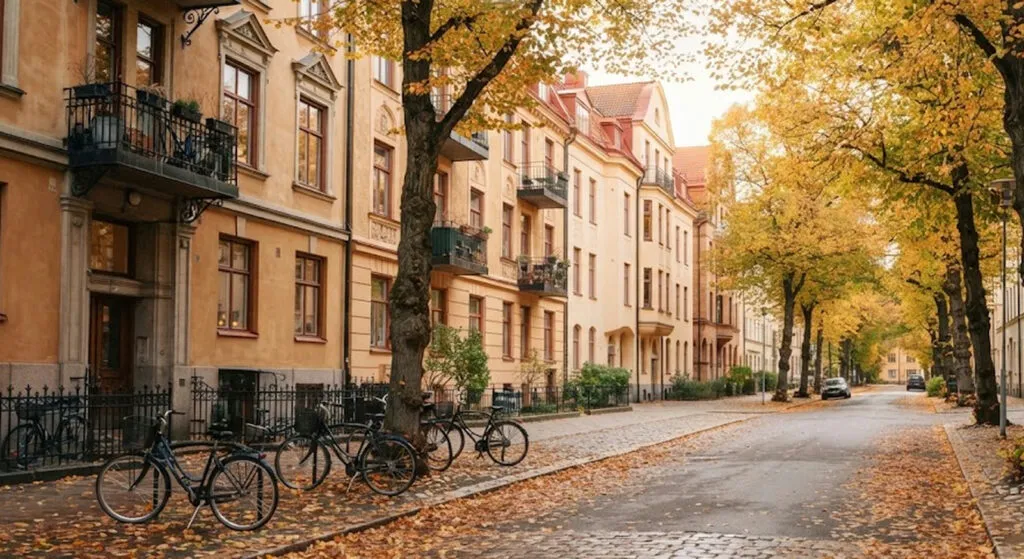
Stockholm is not just Gamla Stan. Vasastan is the residential district where Swedes live, take their fika and stroll through...
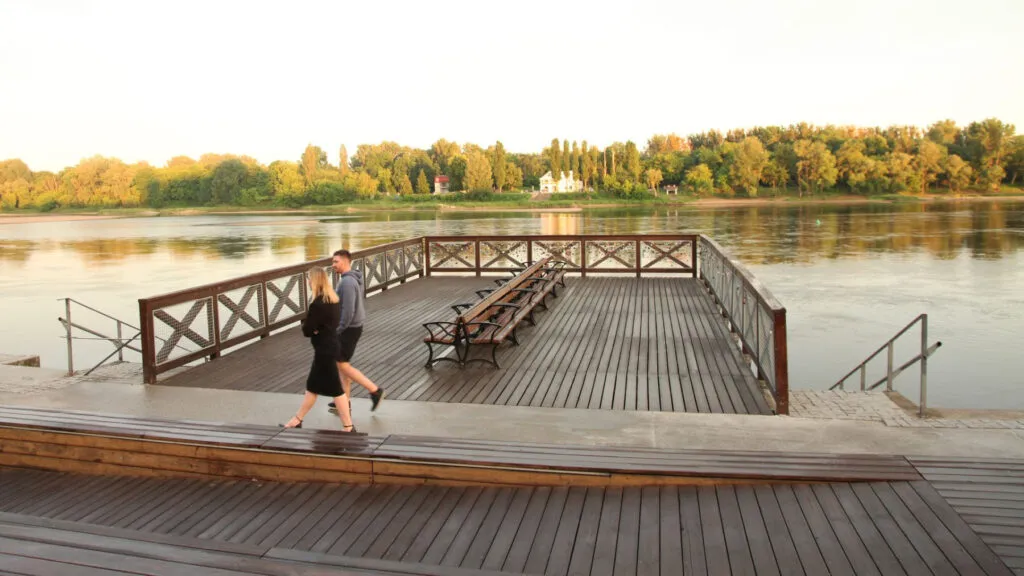
One was built by the Teutonic Knights, the other lived under Prussia for more than a century. Between them -...
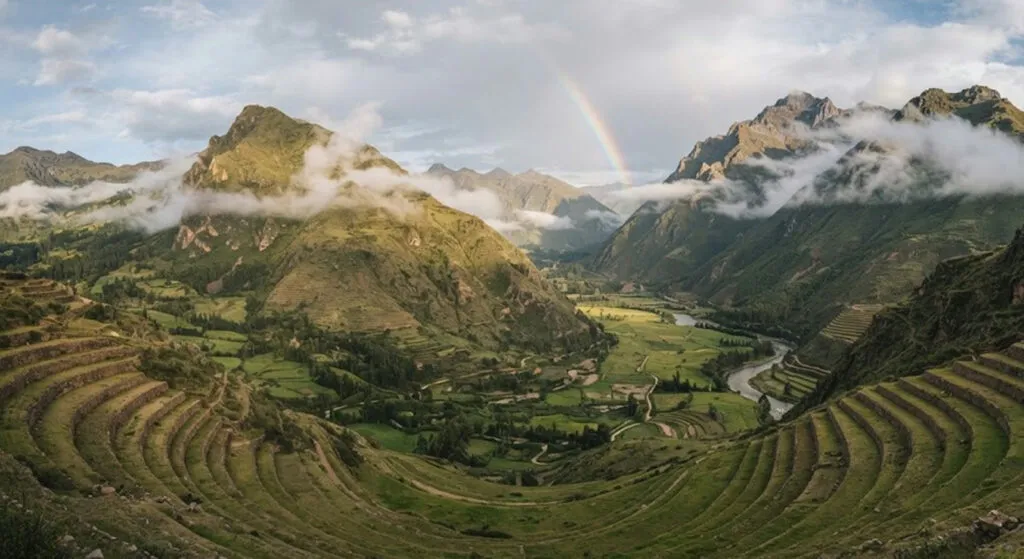
Maribel Verdú put off Peru for years. When she finally went, she came back with a rainbow over Machu Picchu...
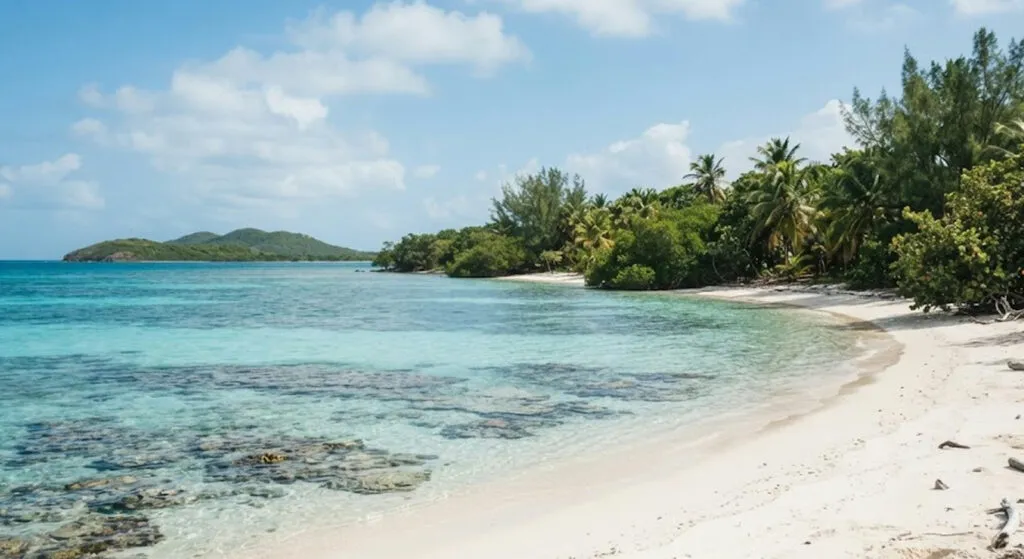
Rubén Cortada, the villain of "Sira", is building his career in Spain, but he keeps going back to the island...
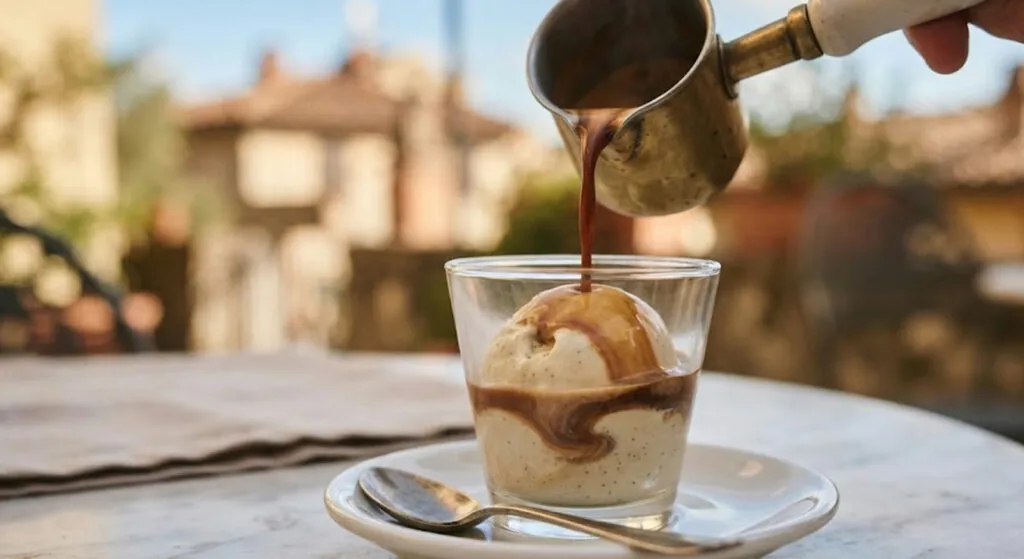
A scoop of gelato, hot espresso poured on top, and six addresses along the Arno. In Florence this isn't a...
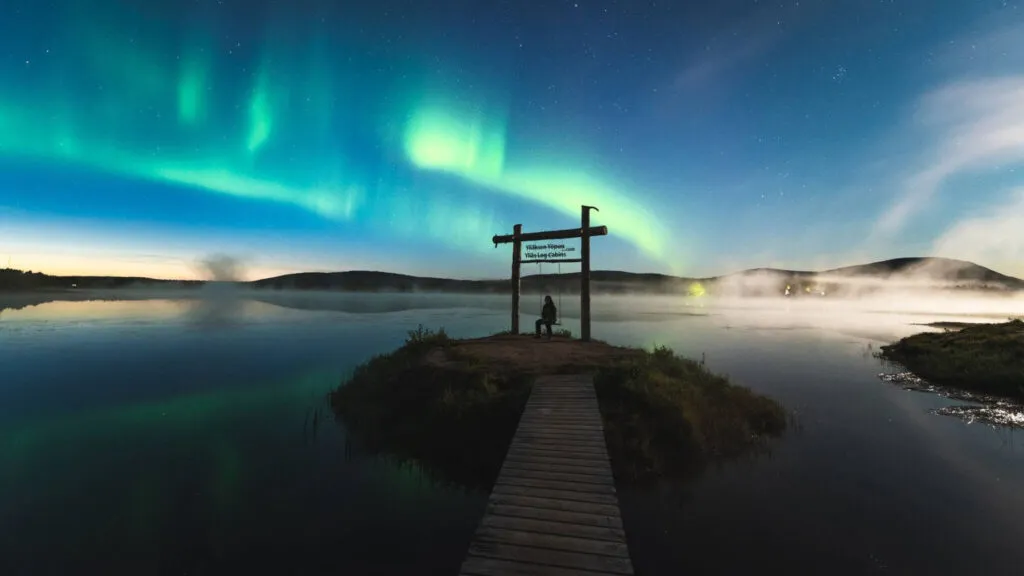
Salmon soup by the harbour, Alvar Aalto on the UNESCO list and a village on the Arctic Circle with free...
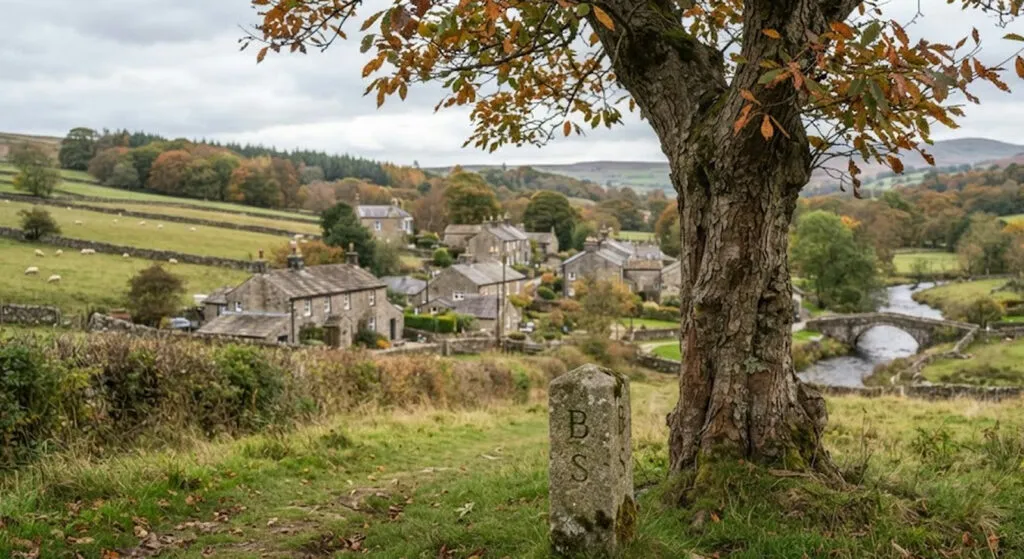
Between the two ends of the village there is only a boundary stone by a chestnut tree - and a...
This site uses cookies - is that okay? Learn more
Be the first to know when Metla launches something new
Leave your email and we will write when there is a new guide or something new on Metla.