


The OLVX stolen-password market led to Golema Rečica: the Interior Ministry celebrates the operation but stays silent on whether there are Macedonian victims
16.10.2026


16.10.2026
16.10.2026
16.10.2026
16.10.2026
16.10.2026
16.10.2026

16.10.2026

15.10.2026

15.10.2026

16.10.2026
16.10.2026

15.10.2026
16.10.2026
16.10.2026
16.10.2026

16.10.2026

15.10.2026

14.10.2026

16.10.2026

16.10.2026
16.10.2026
16.10.2026
16.10.2026

16.10.2026

16.10.2026

15.10.2026

14.10.2026
15.10.2026

13.10.2026

12.10.2026

23.04.2026

23.04.2026

12.04.2026

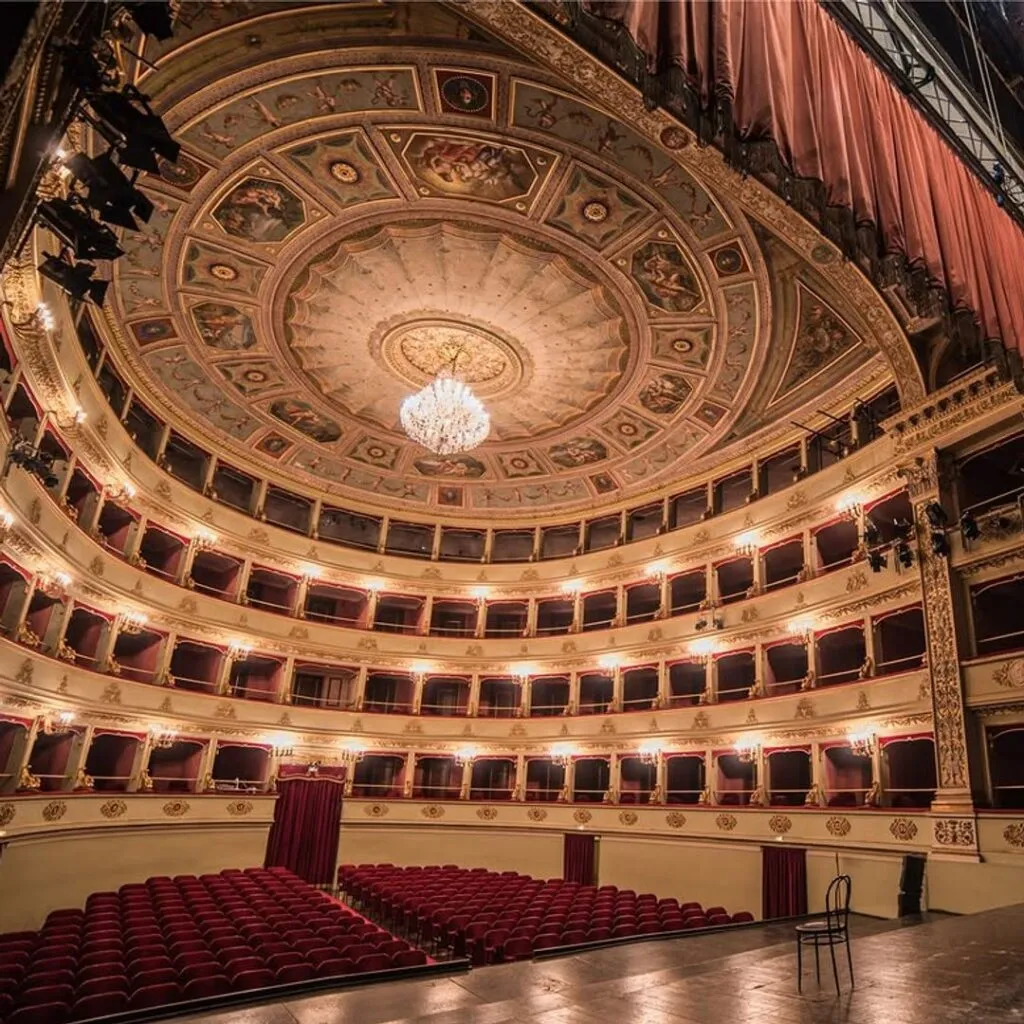
Italy has a region they call "the region of a hundred theatres". It's Marche, on the central stretch of the Adriatic coast. This summer, at its session in Busan, South Korea, UNESCO added to its World Heritage List a system of ten historic 18th- and 19th-century theatres in central Italy - eight of them are right here in Marche.
The story of these halls isn't a story of princes and cardinals. The theatres were built with the help of the townspeople themselves. Families could buy a box, become co-owners of part of the hall and then leave it to their children, like a flat or a field. Going to the theatre was a social event: you went to be seen, and the most interesting things didn't always happen on stage. Imagine a theatre box on the property deed, next to the house and the vineyard - and the long family arguments over who would inherit it.
The eight theatres in Marche are scattered across small towns with characters of their own. Teatro Giovanni Battista Pergolesi in Jesi bears the name of the composer, who was born there. Teatro Ventidio Basso is in Ascoli Piceno, Teatro Serpente Aureo in Offida, a town known for bobbin lace, and Teatro dell'Aquila in Fermo has five tiers of boxes around the stage. Then come Teatro Lauro Rossi in Macerata, Teatro Feronia in San Severino Marche, Teatro Gentile in Fabriano, a town linked to paper-making for centuries, and Teatro Bramante in Urbania, known for its ceramics.
The other two halls in the system are outside the region: Teatro Comunale in Imola, in Emilia-Romagna, and Teatro Sociale in Amelia, in Umbria. All of them still work today - opera, concerts, plays and festivals. They aren't museums with a rope across the door; they're living halls.
If you're planning a trip, Jesi is the natural starting point. Ascoli Piceno offers squares and travertine façades, Fermo an old town worth strolling slowly, and Macerata one of the oldest universities in the world and an astronomical clock on the Civic Tower. Nearby is Urbino, the Renaissance town that is also under UNESCO protection, and Recanati, birthplace of the poet Giacomo Leopardi.
The region isn't only a stage. The Conero Riviera has white cliffs and hidden coves, including Due Sorelle beach, and in the Frasassi caves, in a chamber called the Ancona Abyss, the whole of Milan Cathedral could reportedly fit. Marche is proof that heritage doesn't have to be a ruler's palace - sometimes it's a box that one family paid for and kept for generations.
The latest 10 news from this category
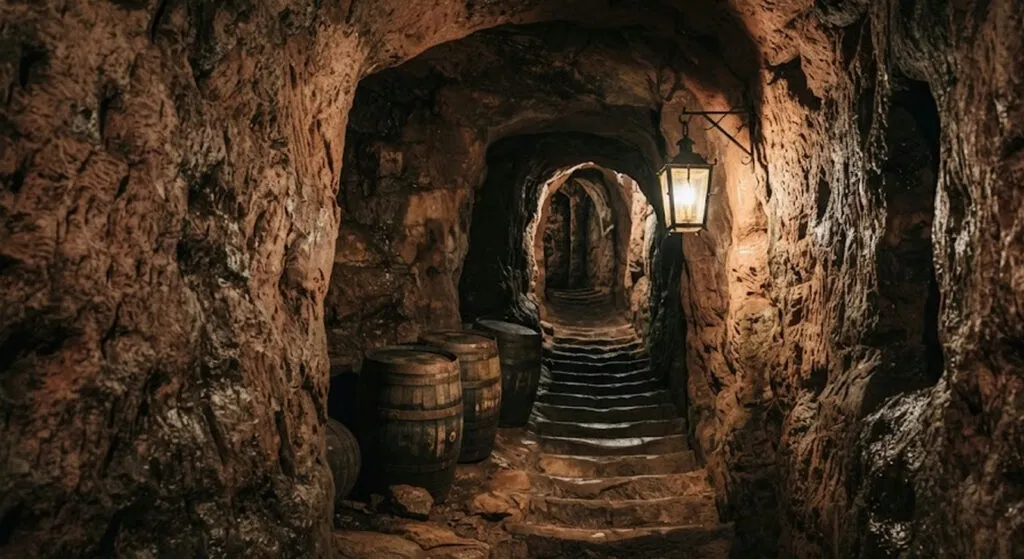
Beneath Robin Hood's city lies a whole underground world - caves that served as cellars, workshops and bomb shelters. Harry...
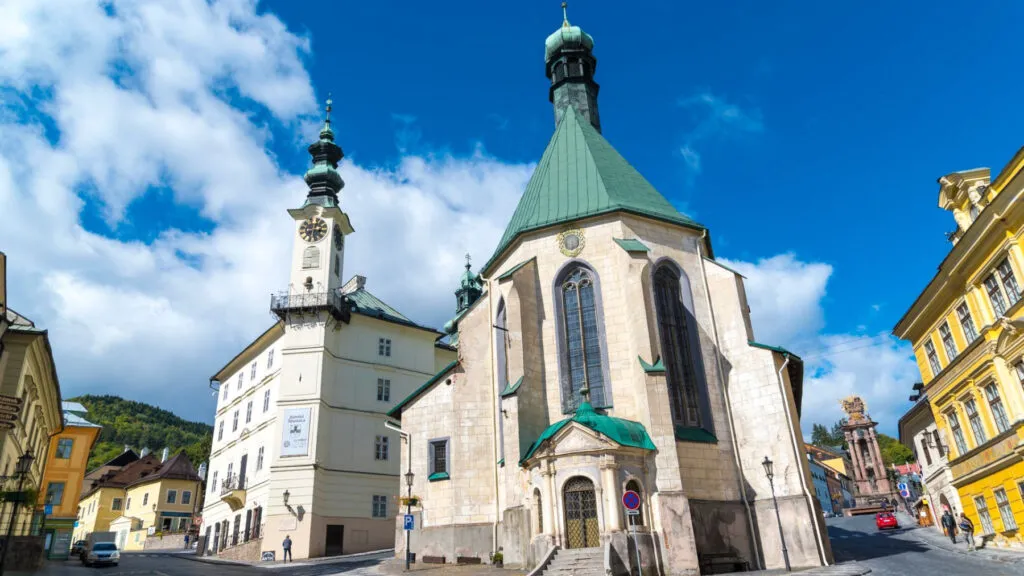
Once the third-largest town in the Kingdom of Hungary, today around 9,200 inhabitants, mining tunnels under the houses and the...
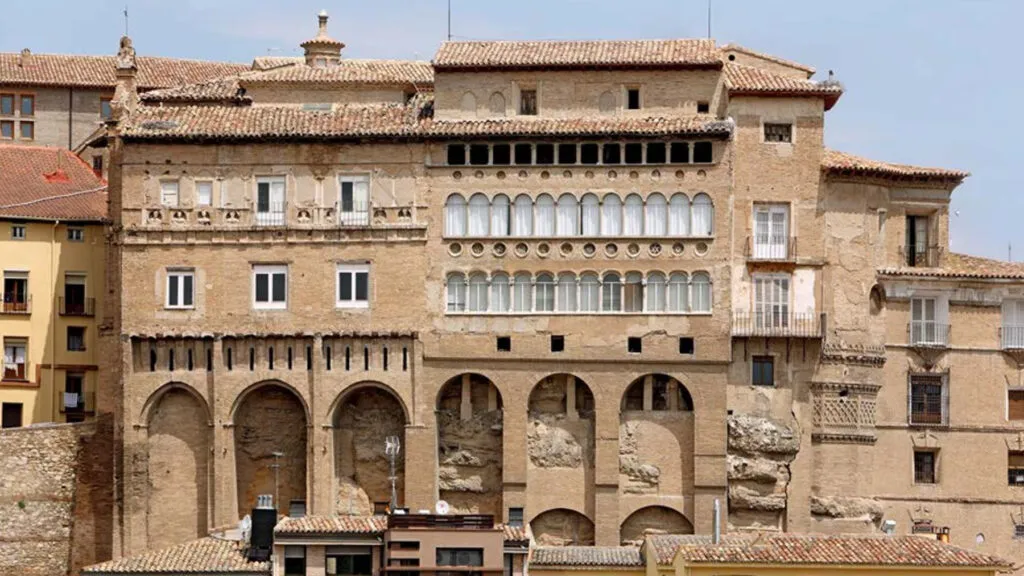
The town on the border of four Spanish regions re-enacted the royal wedding of 1170, when the groom was 14...
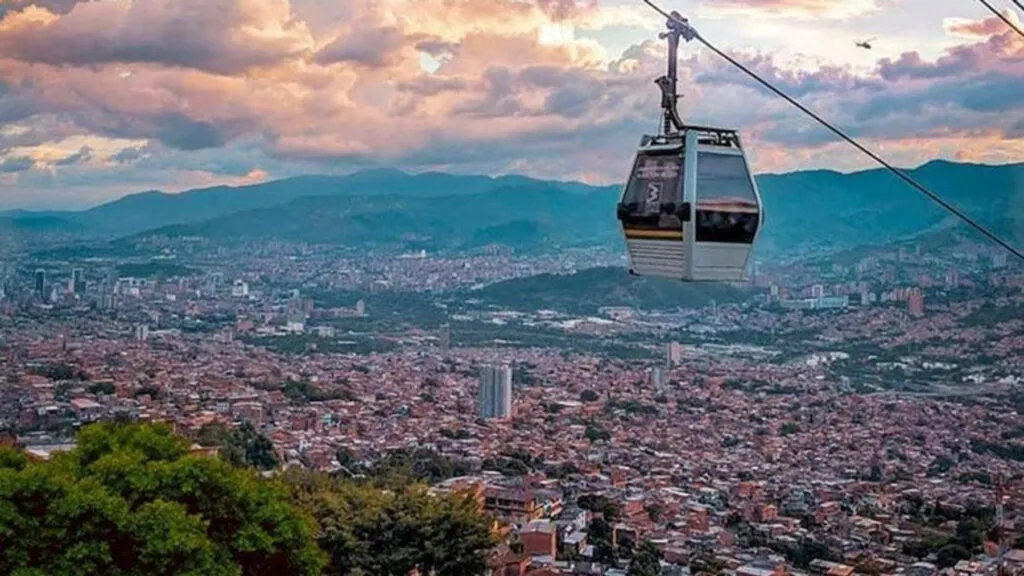
Before Maluma and Shakira perform "Agua" live for the first time tonight in Madrid, we travel to the city Maluma...
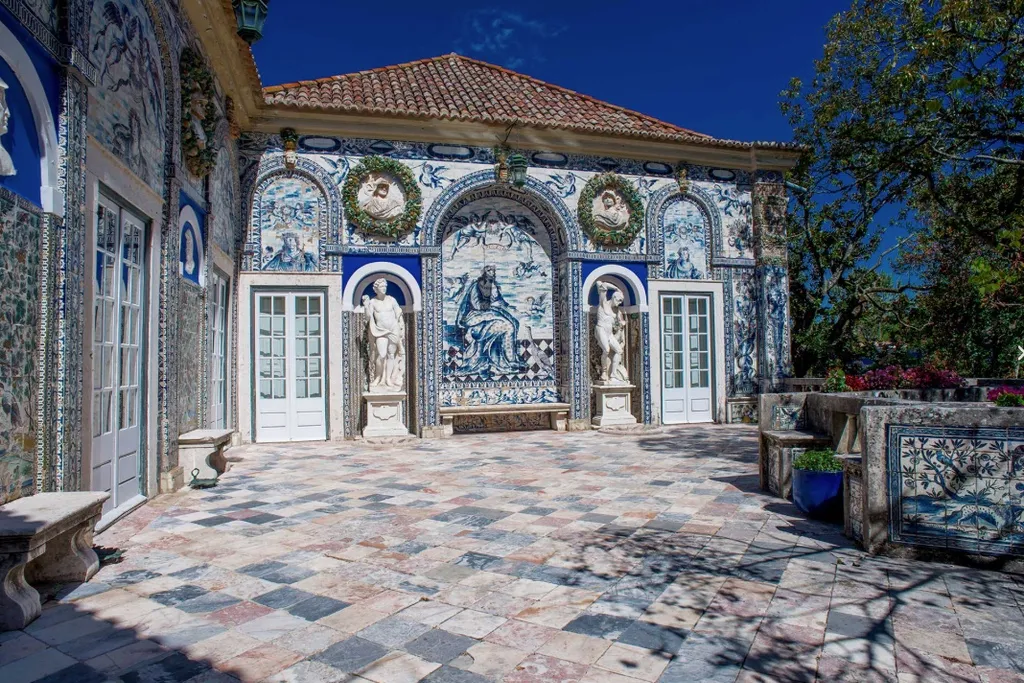
Built around 1670, expanded after the earthquake that flattened Lisbon, and the marquises' descendants still live in it. About fifteen...
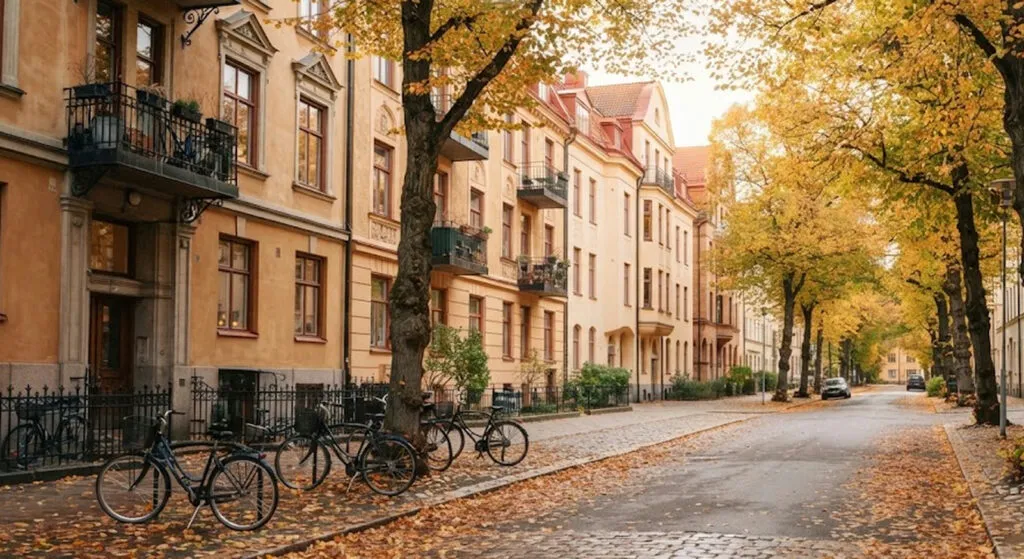
Stockholm is not just Gamla Stan. Vasastan is the residential district where Swedes live, take their fika and stroll through...
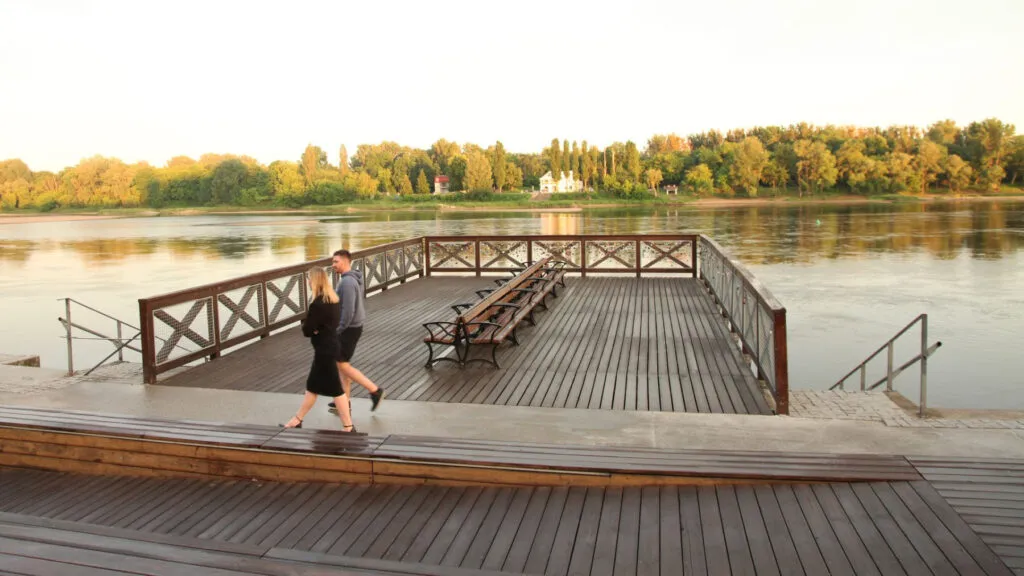
One was built by the Teutonic Knights, the other lived under Prussia for more than a century. Between them -...
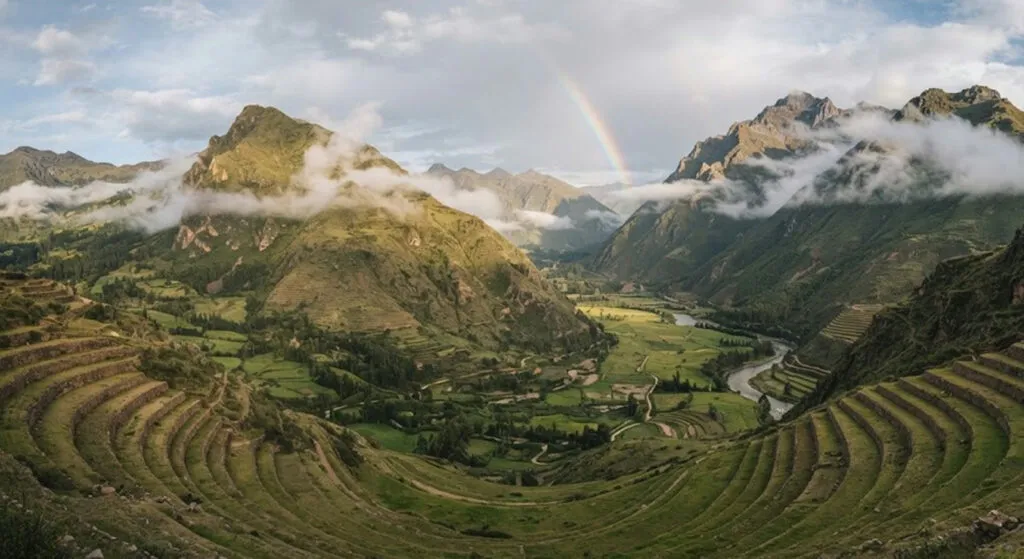
Maribel Verdú put off Peru for years. When she finally went, she came back with a rainbow over Machu Picchu...
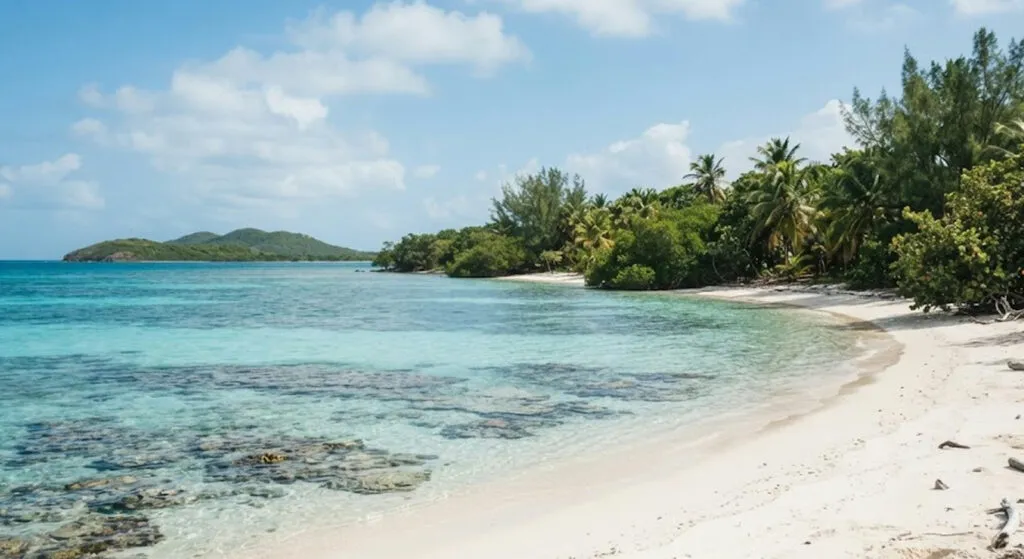
Rubén Cortada, the villain of "Sira", is building his career in Spain, but he keeps going back to the island...
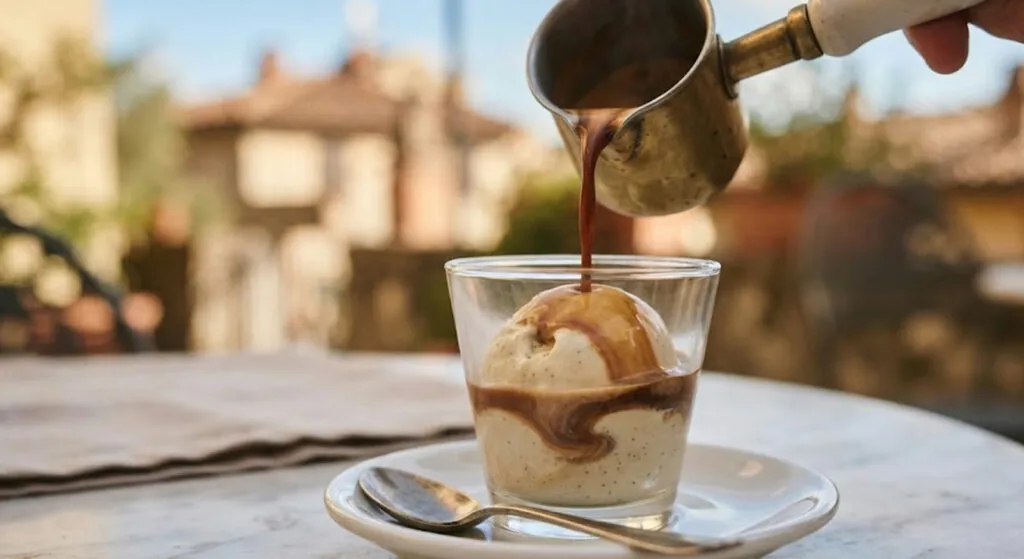
A scoop of gelato, hot espresso poured on top, and six addresses along the Arno. In Florence this isn't a...
This site uses cookies - is that okay? Learn more
Be the first to know when Metla launches something new
Leave your email and we will write when there is a new guide or something new on Metla.


