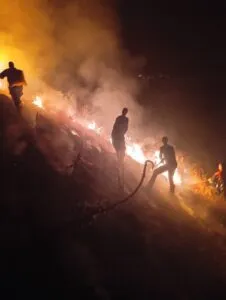
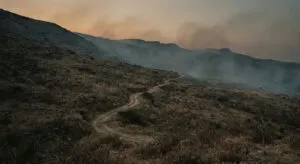
Twenty Fires in One Day, and the Blaze at Bogomila Was Stopped by Villagers and Veles Firefighters
15.08.2026


15.08.2026

15.08.2026

15.08.2026

15.08.2026
15.08.2026

15.08.2026
15.08.2026
14.08.2026
14.08.2026

15.08.2026
15.08.2026

14.08.2026
15.08.2026

15.08.2026
15.08.2026
15.08.2026

14.08.2026
13.08.2026

15.08.2026

15.08.2026

15.08.2026

09.03.2026

27.02.2026

19.02.2026
15.08.2026
14.08.2026
13.08.2026

23.04.2026

23.04.2026

12.04.2026
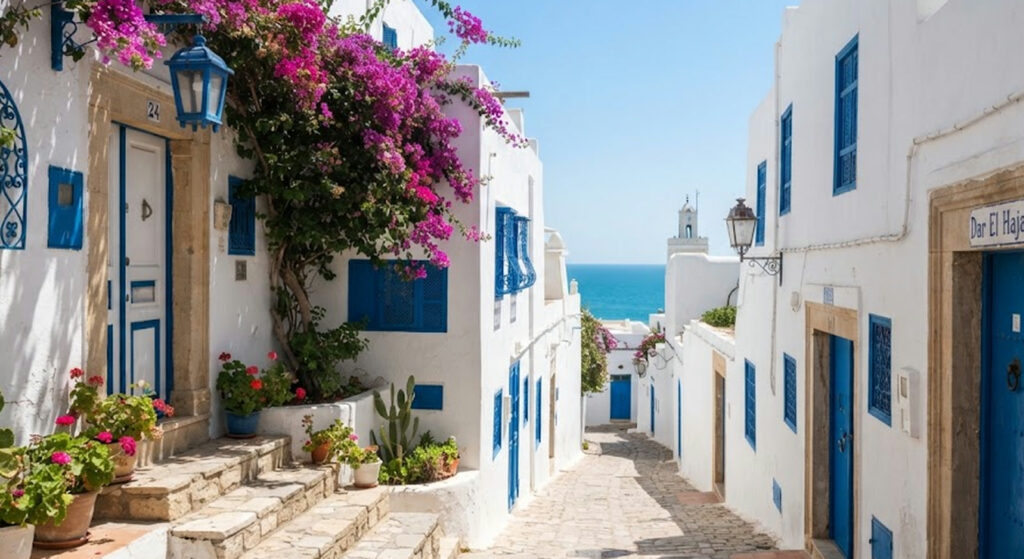
A village twenty kilometres from Tunis has just been added to UNESCO's World Heritage list. The reason is not a mosque, not a fortress and not an archaeological site. The reason is a decree about colour, signed more than a century ago.
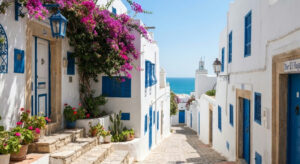
Sidi Bou Said runs down the slope of the Jebel Manar hill above the Mediterranean. It was founded in the twelfth century around the tomb of Abu Said al-Baji, a Sufi scholar and mystic, and the centuries that followed passed much as they do in any other coastal village. The turning point comes between 1912 and 1915, when the British baron Rodolphe d'Erlanger falls in love with the place and does something no municipality today would dare to enforce.
A decree banning every other colour
The 1915 decree is mercilessly simple: facades are white, and doors, gates and windows may be only one single shade of cobalt blue. No freedom of expression, no picking from a catalogue. The result is what you are looking at today - a village where not one owner has managed to improve the appearance with their own taste.
The Balkans know the opposite scene by heart: a street where every house speaks its own language, facade after facade in a different colour and material, each defensible on its own and all of them unbearable together. The difference is not money - the difference is that somebody wrote a rule a hundred years ago, and the generations that followed never reopened it.
The village was already protected back in 1979, but as part of the Carthage archaeological site. Making the list in its own right now means the urban whole itself is treated as the value, not as an appendix to something older.
What is there, besides the colour
The Ennejma Ezzahra palace, d'Erlanger's former home, is today the Centre for Arab and Mediterranean Music. Dar El Annabi is an eighteenth-century townhouse with courtyards and latticed windows. There is also a gallery of contemporary Tunisian art and cemeteries laid out in terraces above the sea, a sight rarely thought of as a tourist attraction.
The cafés are as much a part of the story as the architecture. Café des Nattes serves mint tea with toasted pine nuts, Café des Délices operates on tiered terraces looking out over the bay. For food, Dar Zarrouk is fish by the marina, Au Bon Vieux Temps is French-Maghrebi cooking under an ivy-covered terrace.
From Tunis it is around thirty-five minutes on the TGM train, or twenty-five by taxi. For an overnight stay, Dar Said is a nineteenth-century bourgeois residence with twenty-four rooms, jasmine courtyards and a pool ringed by cypresses.
The question left over is whether the protection will preserve the village or turn it into a set for photographs. UNESCO gives a label, not a guarantee. What held Sidi Bou Said together for a century was not an organisation - it was one signature nobody afterwards tried to change.
The latest 10 news from this category
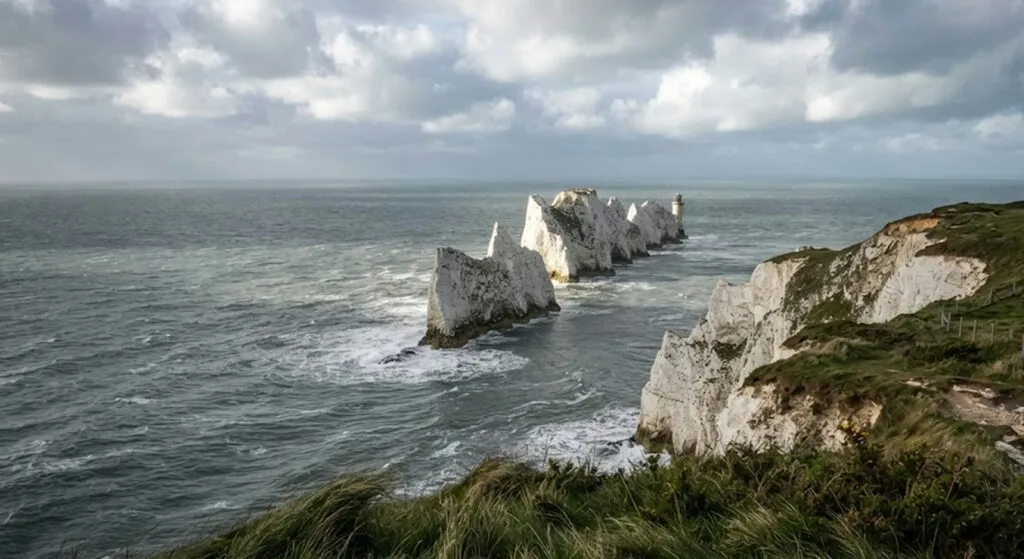
The world's only scheduled hovercraft service still runs there. Victoria called it her little paradise, so did Marx, and in...
Eight days of measurements at the crossing into Macedonia show the hour you leave changes more than anything else. Between...
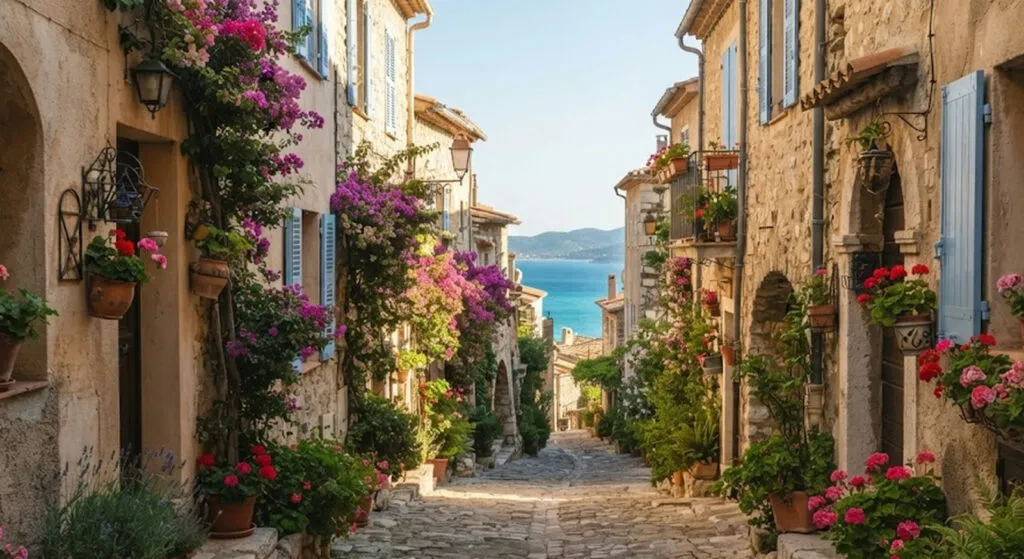
Hemingway, Picasso and Fitzgerald did not come on holiday - they came to live there for a season. Everyone copied...
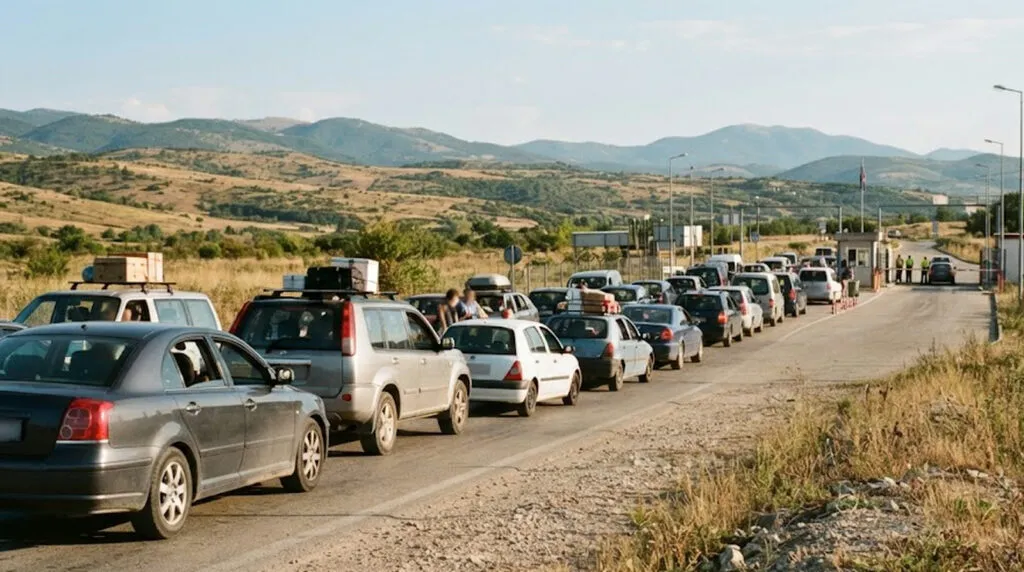
Three cars at midnight, twenty-nine at six in the morning. That same morning Medzitlija was empty, and the hour you...
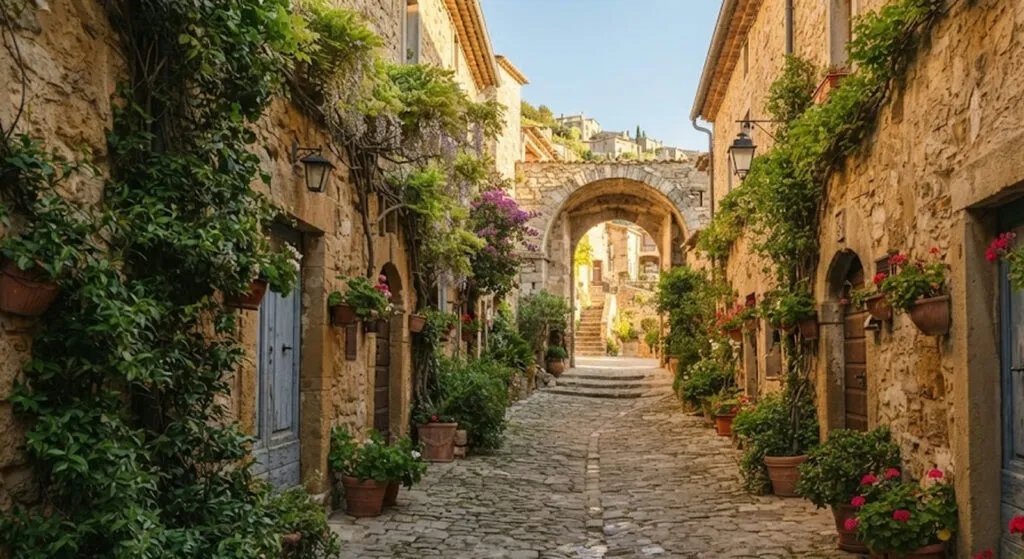
The moat around the village was not banked up but cut out of the stone. The shape stayed because for...
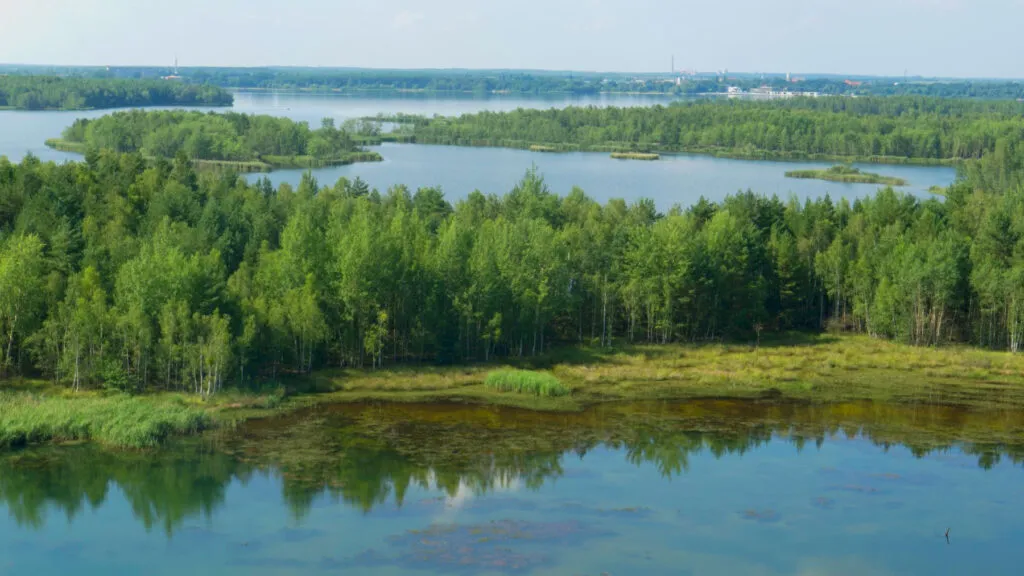
Two billion tonnes of coal taken out of the ground, and today they call the water the German Lake Como....
Bogorodica, Medzitlija and Star Dojran in one place - live cameras, queues hour by hour, and a forecast for the...
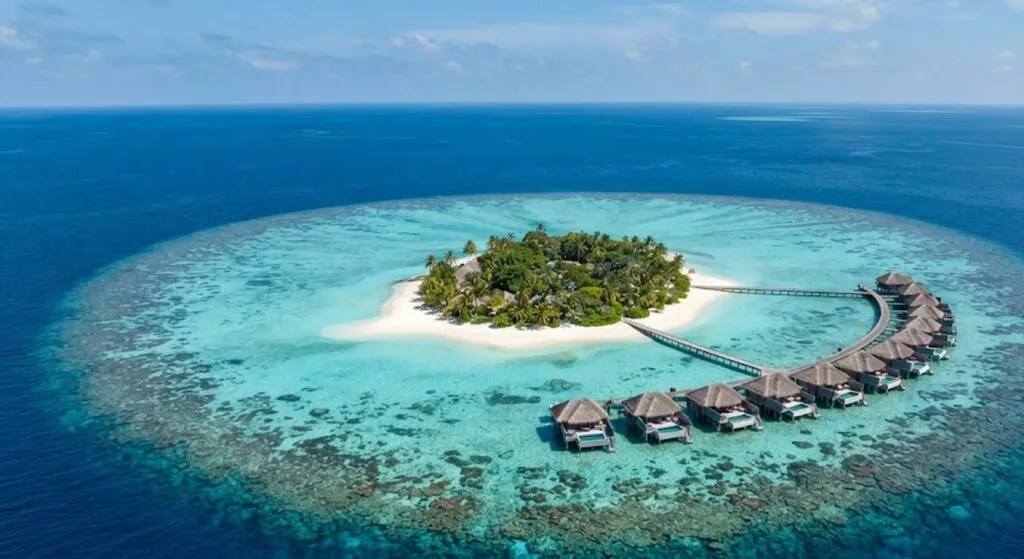
Of a thousand islands, only around a hundred have a single hotel each. There is another Maldives too - fishing...
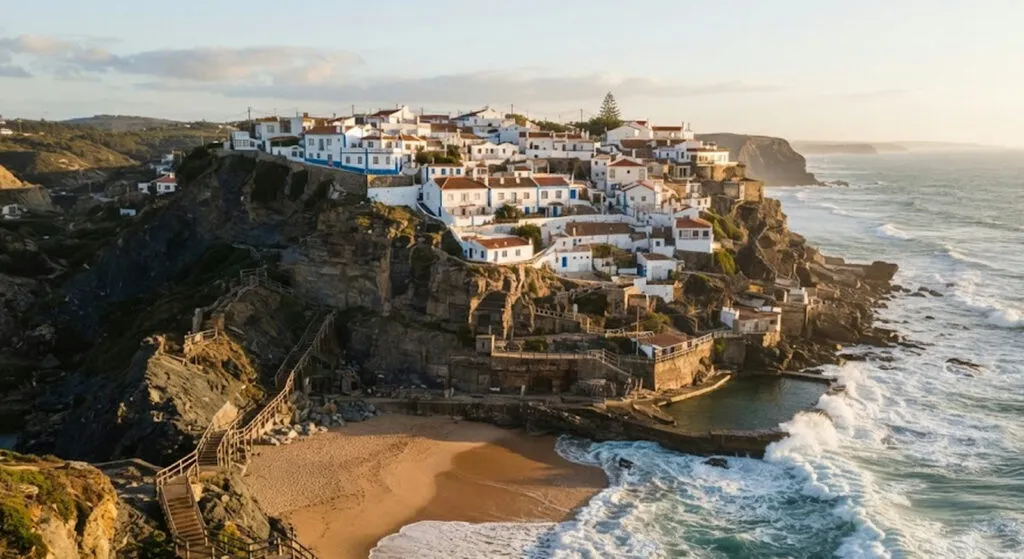
White houses with blue trim glued above the ocean, and beaches connected by an 18.5-kilometre trail instead of a car...
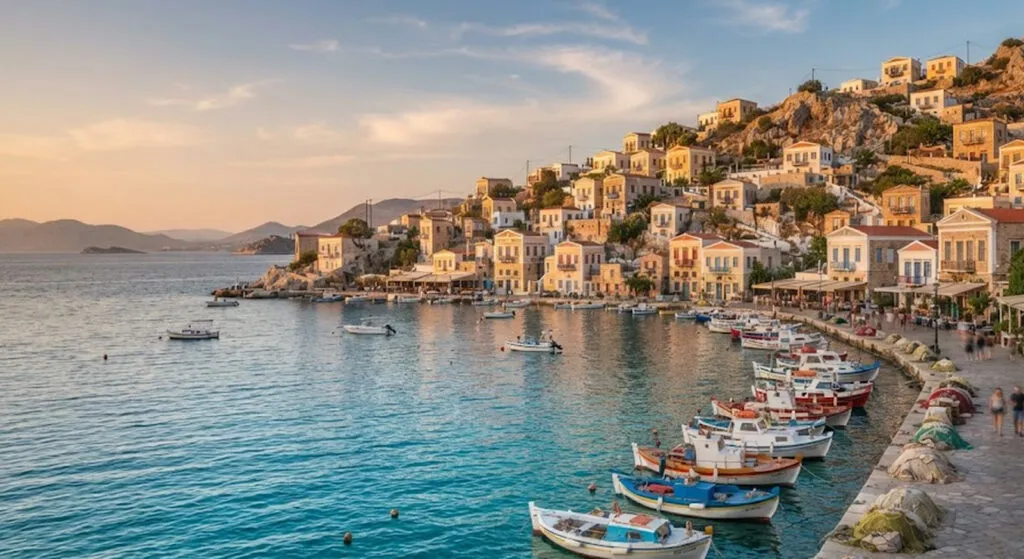
Eleven walking trails, eighty kilometres, and one staircase of six hundred steps that a local shepherd spent ten years carving....
This site uses cookies - is that okay? Learn more
Be the first to know when Metla launches something new
Leave your email and we will write when there is a new guide or something new on Metla.