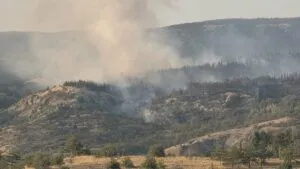
34 fires in 24 hours: three still burning, and the warnings put out nothing
09.09.2026


09.09.2026

09.09.2026
09.09.2026

09.09.2026
09.09.2026

09.09.2026
09.09.2026
08.09.2026
07.09.2026

09.09.2026

08.09.2026

08.09.2026

08.09.2026

08.09.2026

08.09.2026

08.09.2026
07.09.2026
06.09.2026

09.09.2026

09.09.2026

09.09.2026

09.09.2026

09.09.2026
08.09.2026

09.03.2026

27.02.2026

19.02.2026

23.04.2026

23.04.2026

12.04.2026

Ten thousand kilometres across Asia, from the Silk Road to the volcanoes of the Pacific Ring of Fire. That is the route of a Spanish television journey with fourteen participants - but what is worth taking from it for anyone planning their own trip are the places themselves, because they stay there long after the last episode.
Xi'an - where the Silk Road began
China's Xi'an was an imperial capital under the name Chang'an. Today the southern part of the city is glass and skyscrapers - a 245-metre television tower with an octagonal shape inspired by traditional court lanterns, and a spherical natural history museum beside it. But the core is old: the seventh-century Wild Goose Pagoda, the Ming dynasty wall circling the historic centre, and the Bell Tower raised in 1384, one of the best preserved in China.
Below it lies the Muslim quarter with stalls and restaurants along streets like Sajinqiao, and next to it Yongxingfang, where specialities from all 107 counties of Shaanxi province are served. Outside the city is the thing most people come for at all - the Terracotta Army, thousands of soldier and horse figures buried more than two thousand years ago around the tomb of Emperor Qin Shi Huang. Farmers discovered them in 1974. Every figure has a different face.
Dunhuang - a crescent-shaped lake amid the dunes
Westwards the landscape dries out until you reach Dunhuang, an oasis in Gansu province. There sits Yueyaquan, Crescent Lake, tucked among the dunes of Mingsha mountain, with a traditional pavilion above the water. Dunhuang was a key station on the Silk Road for around two thousand years - a place where caravans carried not only goods, but ideas and religions. Nearby are the Mogao caves, carved into rock and filled with Buddhist paintings and sculptures layered over centuries.
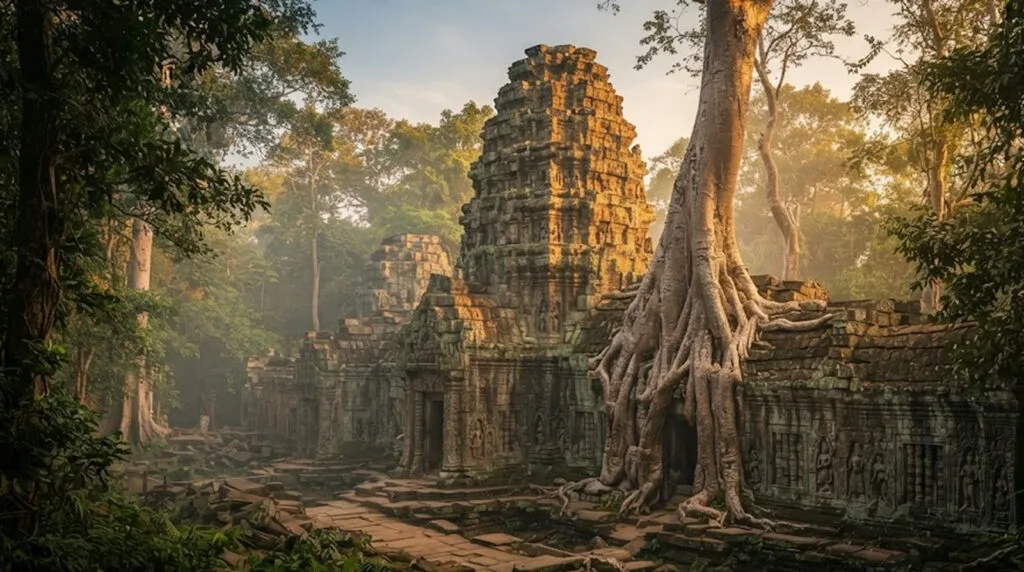
Angkor - where jungle and stone stopped being two things
In Cambodia the dunes give way to stone towers. Angkor Wat, with its five towers reflected in the water at dawn, was built in the twelfth century by King Suryavarman II and originally dedicated to Vishnu - and that is only one part of the vast archaeological complex that was the political and religious centre of the Khmer Empire.
The strongest image is not there. It is at Ta Prohm, where roots as thick as a human body spill over the walls and hold the ruins in an embrace. And at Bayon, with the enormous stone faces looking out from the towers in every direction - the photograph everyone has seen and few can name.
Laos - the river dictates everything
The route then enters Laos, where stone yields to water and vegetation. The Mekong cuts the country from north to south and shapes its geography and its life - rice fields, mountains, villages and Buddhist temples along its course. Luang Prabang, the former royal capital under UNESCO protection, gathers all those layers: colonial houses, monasteries and roofs in strong colours. The Wat Xieng Thong temple, with its mosaics and stacked roofs, shows an architecture entirely different from the Chinese and Cambodian ones a few thousand kilometres earlier.
Outside the town are the Kuang Si waterfalls, where water falls through vegetation and creates a chain of turquoise pools. From there the journey continues towards the volcanoes of the Ring of Fire.
This is not a route for a ten-day holiday and it does not pretend to be. But it contains one thing rarely said when writing about distant destinations: almost all of it is linked by overland routes that existed before aeroplanes. The Silk Road is not a metaphor - it is a chain of cities reached one after another. Anyone with three weeks and some patience can still cover at least the Chinese section the way it was meant to be travelled.
The latest 10 news from this category
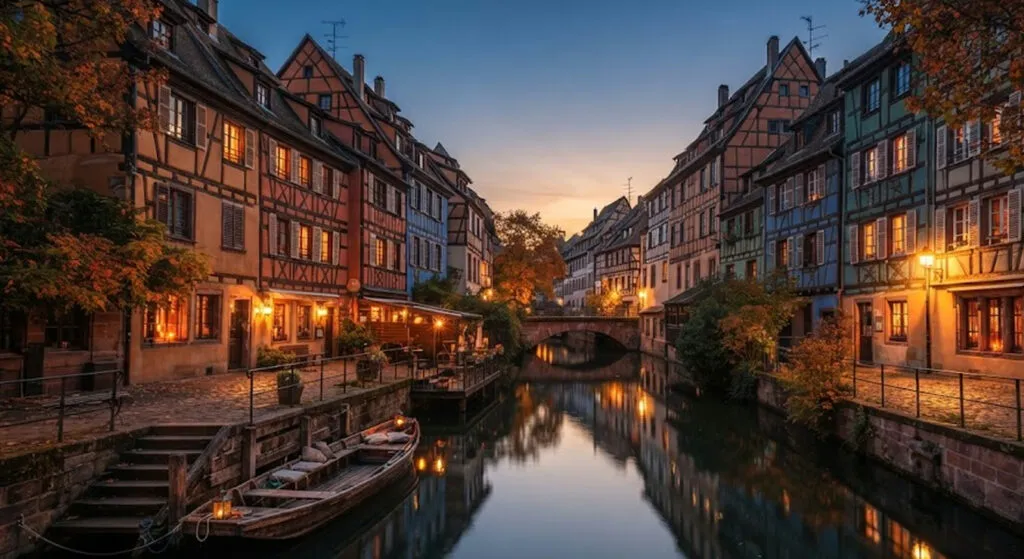
Old tanners' and dyers' workshops, built directly over the river. From 10 to 13 September the town puts boats and...
The Albanian Riviera, Montenegro, Sardinia, Lyon and the Algarve. The same weather as August, fewer people, and a bill that...
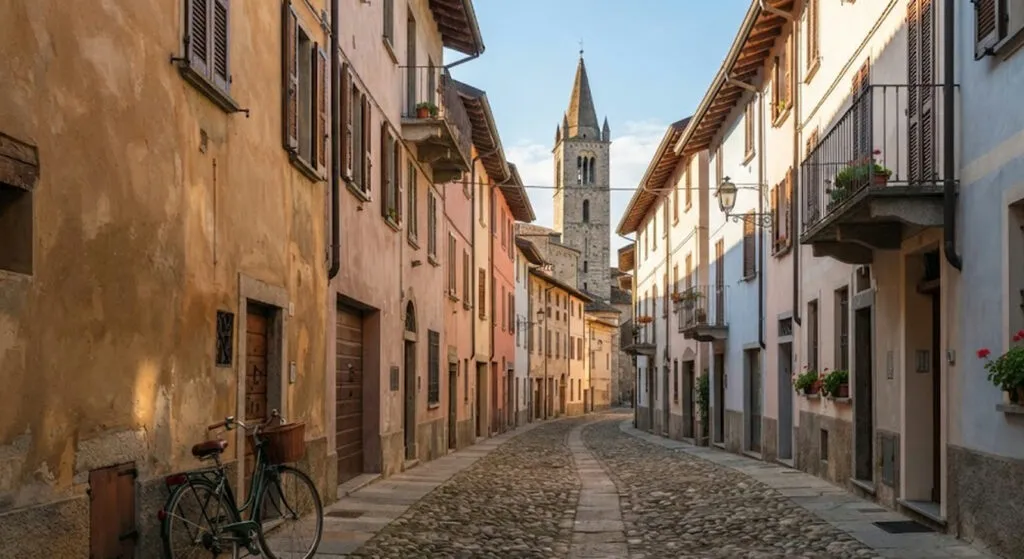
In a town that does not live off tourism, a coffee costs what it costs, not what it could cost.
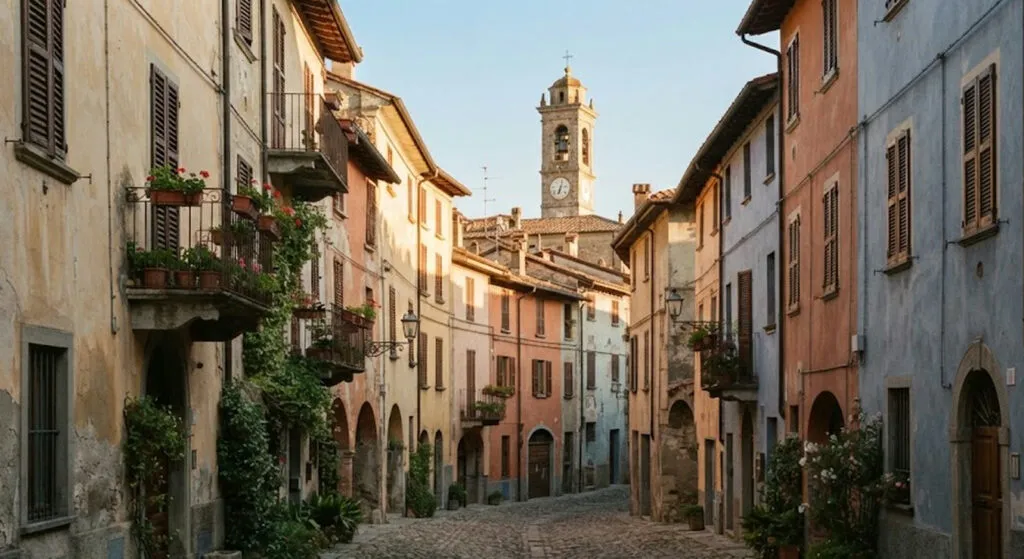
Four thousand historic buildings, a castle from 1069 and free thermal springs Dante wrote about. All within reach of a...
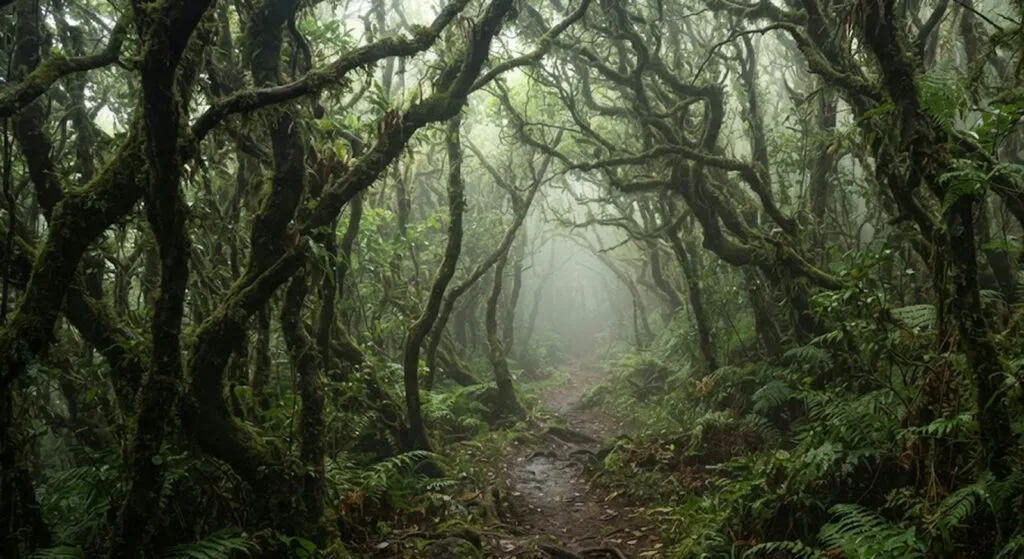
La Gomera is one ferry ride from Tenerife and it is everything Tenerife no longer is. The island does not...
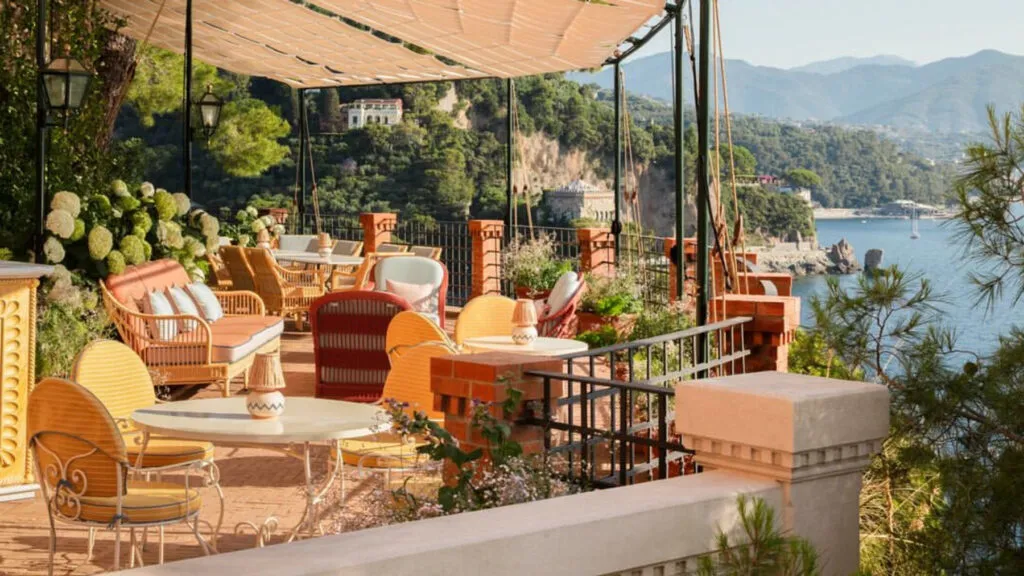
A 16th-century monastery, a hotel since 1902, and a guest list running from Elizabeth Taylor to Nicole Kidman. What they...
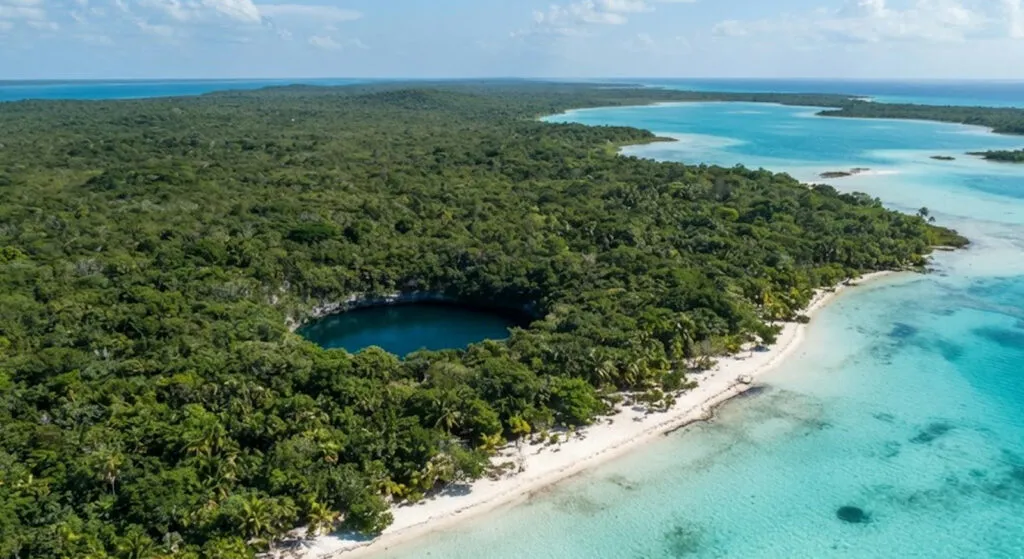
The turquoise water in the photographs is geology, not marketing. And the best thing in the whole region cannot be...
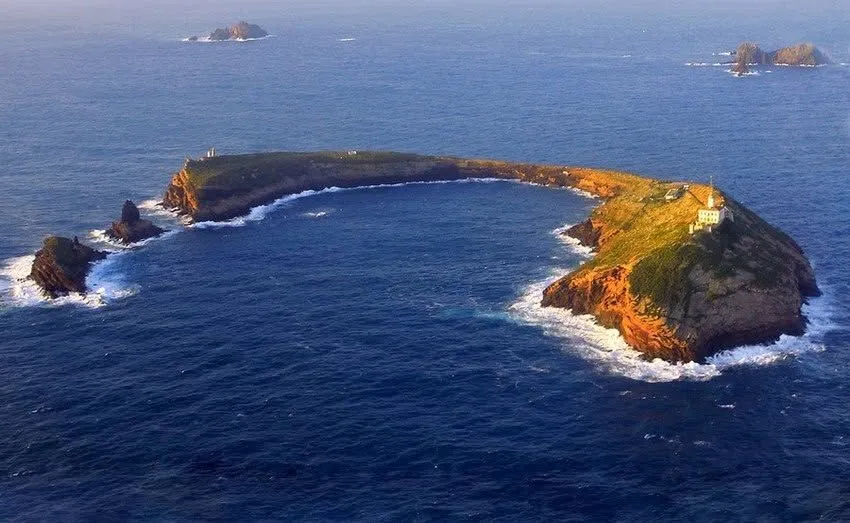
Fifty kilometres offshore, nineteen hectares of land and not a single hotel. Forty years on, the sea beneath the Columbretes...
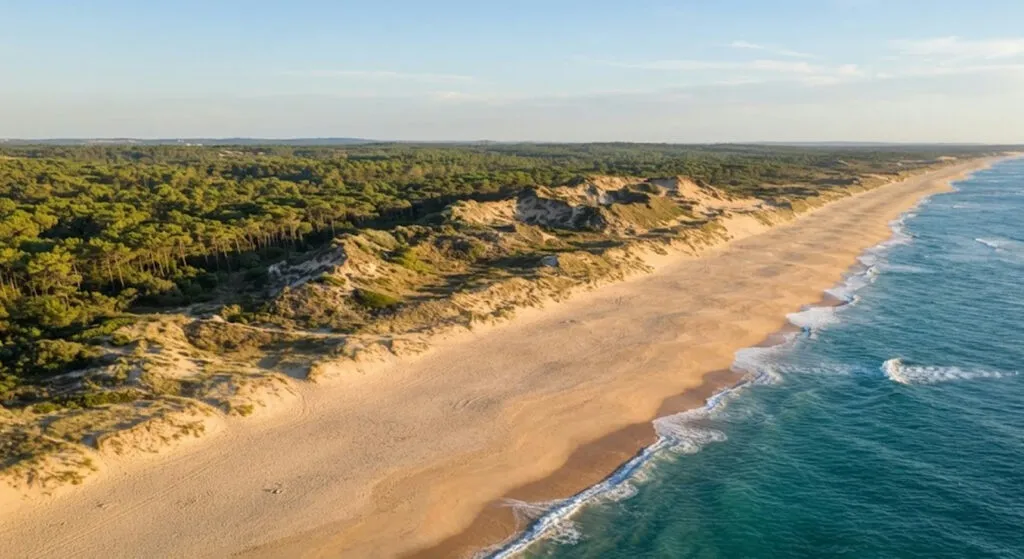
The August crowds are gone, the water stays warm for weeks. One beach has no shower and no shade -...
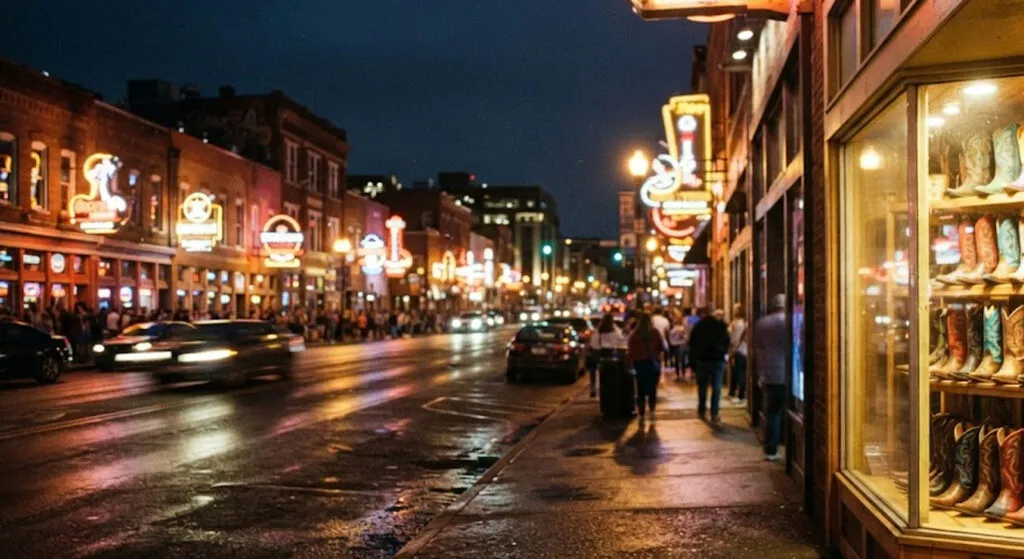
The capital of country music does not geographically sit on the legendary Highway 61 - you have to turn off....
This site uses cookies - is that okay? Learn more
Be the first to know when Metla launches something new
Leave your email and we will write when there is a new guide or something new on Metla.