Parts of Butel and Centar Without Power Today - Museum of Contemporary Art Six Hours Offline, Why No SMS to Customers?
26.05.2026


26.05.2026
26.05.2026
26.05.2026

26.05.2026

26.05.2026

26.05.2026
26.05.2026

25.05.2026

25.05.2026

26.05.2026

26.05.2026

25.05.2026

26.05.2026

26.05.2026
26.05.2026

26.05.2026

25.05.2026

24.05.2026
26.05.2026

26.05.2026

25.05.2026

09.03.2026

27.02.2026

19.02.2026

14.04.2026

07.11.2025
07.11.2025

23.04.2026

23.04.2026

12.04.2026
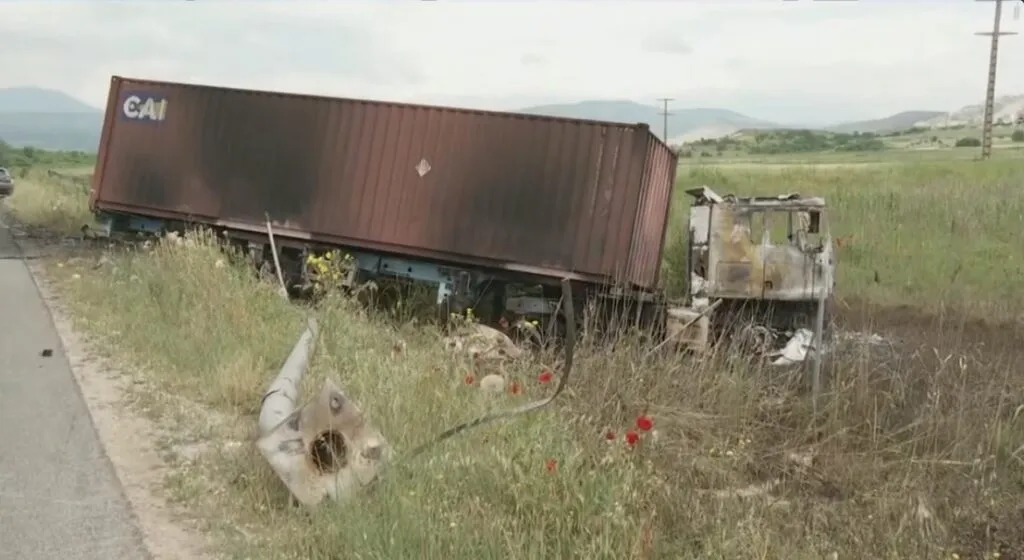
After the tragedy on Skopje's ring road near Mirkovci, which killed four people, the public is asking a question the state isn't comfortable with - was the safety barrier on that section ever designed to stop a truck with a semi-trailer. Architect Boško Vidoeski opened a debate that puts the institutions on the spot.
Analysing a photograph of the breached barriers at the crash site, Vidoeski points out that the median was protected with „N2"-type barriers. Under the European standard EN 1317, that type is rated to stop light vehicles. Not trucks. Not freight vehicles with semi-trailers. A 40-ton truck against an N2 barrier is a book against an RPG.
Vidoeski argues that the left side of motorways with high traffic frequency and regular freight should be protected at minimum with „H2" barriers - designed to stop heavy vehicles crossing into oncoming lanes. Skopje's ring road, the country's main transport artery and a permanent international freight corridor, clearly doesn't meet that standard. The tragedy exposed it, but the question isn't new. Civic experts have been raising it for years.
The prosecution for now is looking only at the individual angle - a 76-year-old driver from Kosovo who „didn't adjust his speed". That's not wrong - he is responsible. But if the barrier was also wrong, the responsibility widens. Who designed it? Who approved it? Who carried out the safety review? Who supervised it? Did anyone raise the alarm in time? All of those questions demand investigations that go beyond a single criminal case.
The expected Macedonian scenario is well known - questions open, expert opinions are commissioned, committees are formed, and within a few months the topic disappears from the headlines. The barriers stay the same. Until the next tragedy. That's one reason our traffic safety progresses at snail's pace - not because the institutions don't know, but because there's no political will to take expensive but necessary infrastructure decisions. Now there are four dead. The question - will it be enough to change the standards?
The latest 10 news from this category

EVN announces the outage through the media - but the information only reaches affected customers today if they happen to...
Billboards are coming down, Hamza Doner has a 7-day ultimatum. The City Train is being promised for September. Will this...
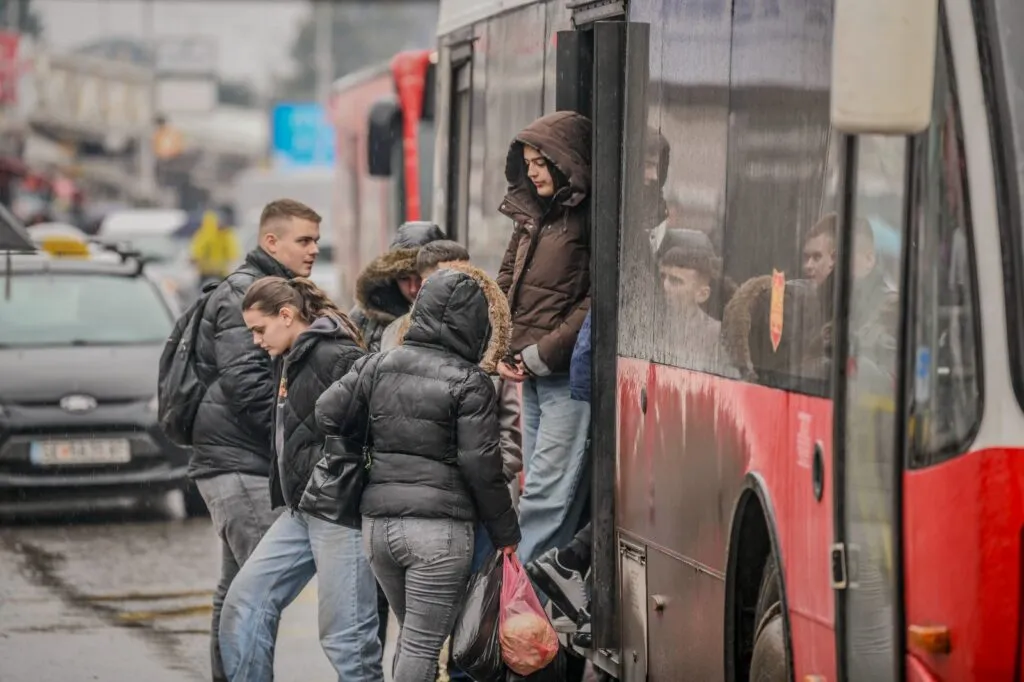
Half the fleet does not function on any given day. People wait at the bus stops. The tender procedure failed....
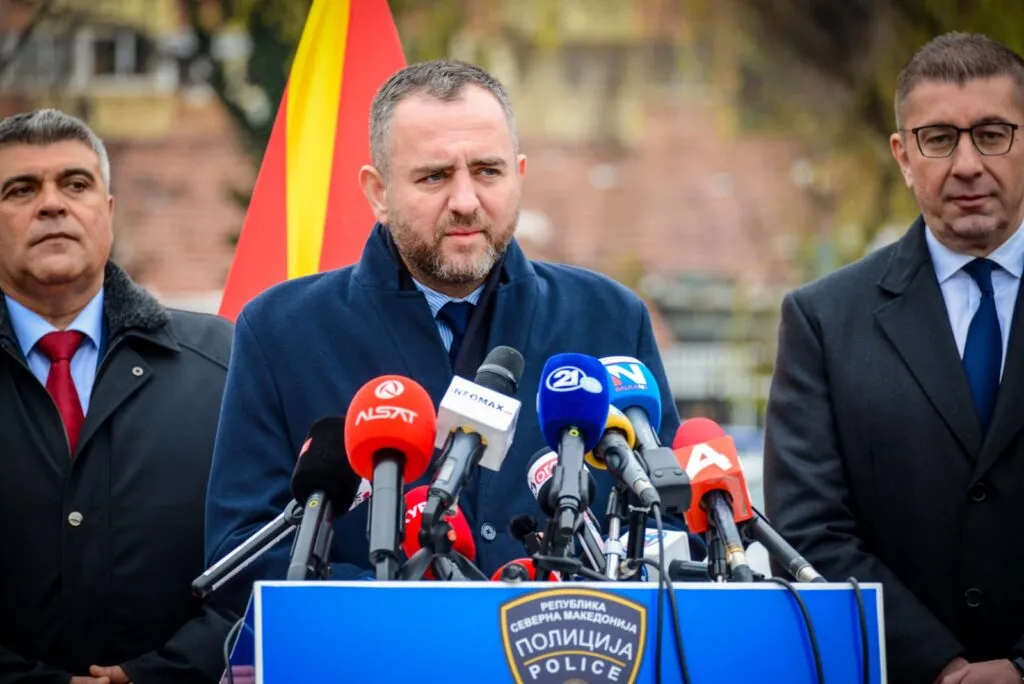
The Interior Ministry wants the right to life above privacy. The opposition sees surveillance. History says law and transparency first,...
One of the generation that lived through two systems - Yugoslavia and independent Macedonia. TANJUG correspondent in the far Pacific,...

Seven newborns in one day in a town fighting negative natural growth. They do not solve the demographic crisis, but...

Kasami and VLEN claim they are unblocking infrastructure projects DUI had frozen for years. The Albanian bloc is fragmenting ahead...
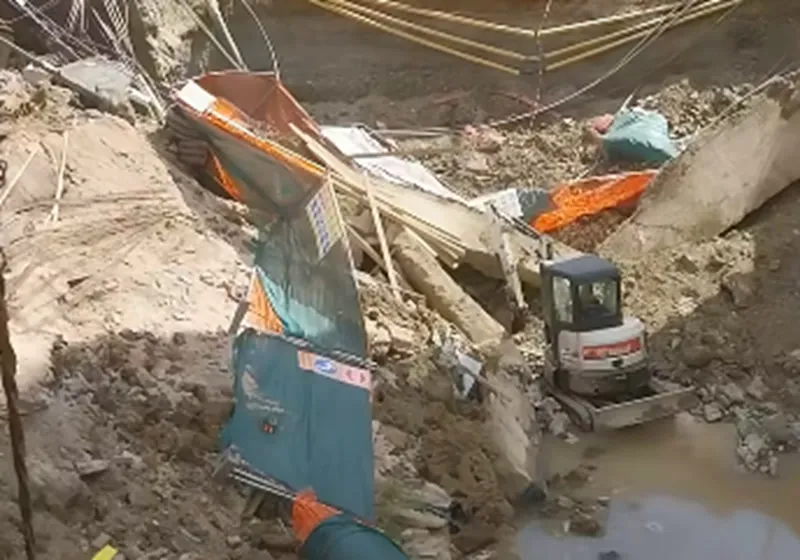
On Mitropolit Teodosij Gologanov Boulevard, on a public holiday. The civic group Defence of Bunjakovac warned from the start -...

A 51-year-old from Bitola attacked his wife with metal and wooden objects. All cases in a single day - and...
A 20-year-old on a motorbike at work, four attackers aged 21-24. Police caught them within 24 hours - now the...