
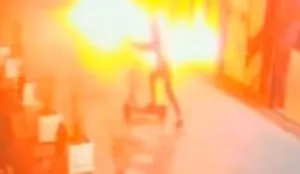
They Rode In on Scooters, Torched the Shops and Left: The Fire in Shuto Orizari Burned for Three Hours, Setting It Took Fifty Seconds
13.09.2026


13.09.2026
13.09.2026
13.09.2026
13.09.2026

13.09.2026
13.09.2026
13.09.2026

12.09.2026

11.09.2026
13.09.2026
13.09.2026

12.09.2026

13.09.2026

13.09.2026

13.09.2026
13.09.2026

12.09.2026

11.09.2026
13.09.2026

13.09.2026

13.09.2026

13.09.2026

13.09.2026

12.09.2026

09.03.2026

27.02.2026

19.02.2026
13.09.2026

12.09.2026

11.09.2026

23.04.2026

23.04.2026

12.04.2026

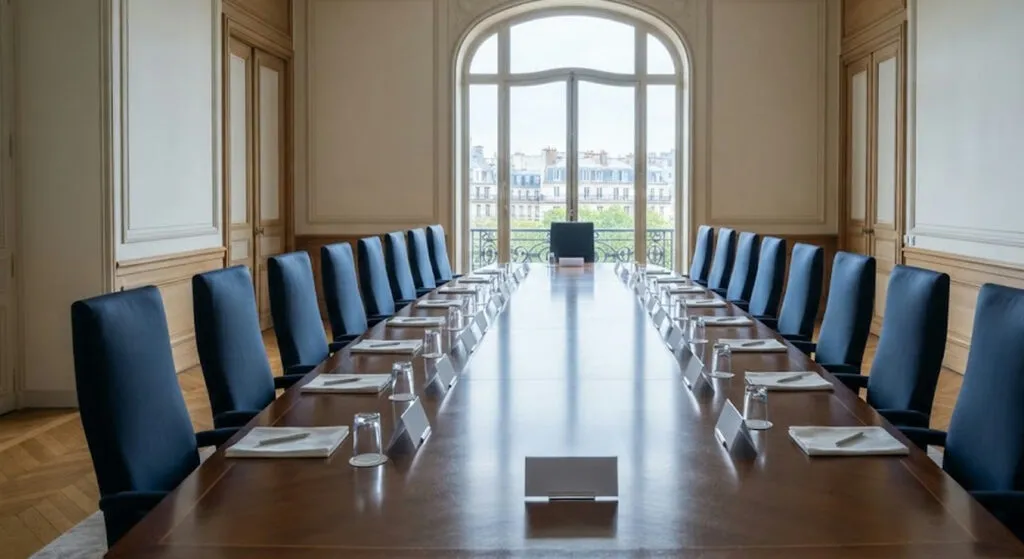
One country of two million people dug in, and the joint statement of twenty-seven did not come out. Slovenia withheld its consent for the text with which the EU was to condemn Israeli plans for new settlements in the occupied West Bank, and the entire union was left without a common position.
Benjamin Netanyahu did not miss the moment. On X he thanked Slovenian prime minister Janez Jansa "for the courage and clarity amid EU hypocrisy", and then struck where he knows it hurts: "The EU is silent while Turkey, a NATO member, illegally occupies half of Cyprus, an EU member."
A rule everyone knows and few use
The mechanism is simple and as old as the union itself. Foreign policy statements require consensus. That means every member state has a veto, no matter how large, wealthy or influential it is. Slovenia merely used what the treaty gives it.
The result is that High Representative Kaja Kallas could only issue a statement of her own instead of a position held by all 27. The difference between those two things is the difference between policy and opinion.
Inside Slovenia the position did not pass without reaction. President Natasa Pirc Musar disagreed with the government and said Slovenia must support the joint statement and consistently defend international law, because "international law is not a matter of political choice".
The project in question, known as E1, envisages over 1,200 housing units east of Jerusalem. Critics warn its construction would sever the territorial continuity of the Palestinian areas. That is not a decorative detail - it is the substance of the dispute.
Why this is a Balkan story
Slovenia was the first of the former Yugoslav republics to join the EU and is most often cited as proof that the process works. This is a reminder that membership does not mean discipline. It means a seat at the table and the right to say no, even when the other 26 say yes.
For countries still waiting at the door, that is information worth more than any progress report. The veto is not a bonus awarded for good behaviour. It comes with the package, and how often it gets used depends on whether someone has the nerve to be the only one left in the room.
The latest 10 news from this category
The domestic regulator found the irregularities first, and then the story stopped. It took crossing a border for the same...
A lorry stopped in the hard shoulder with a breakdown, a car with five passengers and one impact in the...
Forty-two tonnes of water per flight and one well-organised welcome on the runway in Niš. The fire in the Deliblato...
Seven times since 2015, and one trip ended less than two months before the invasion of Ukraine. SOVA says it...
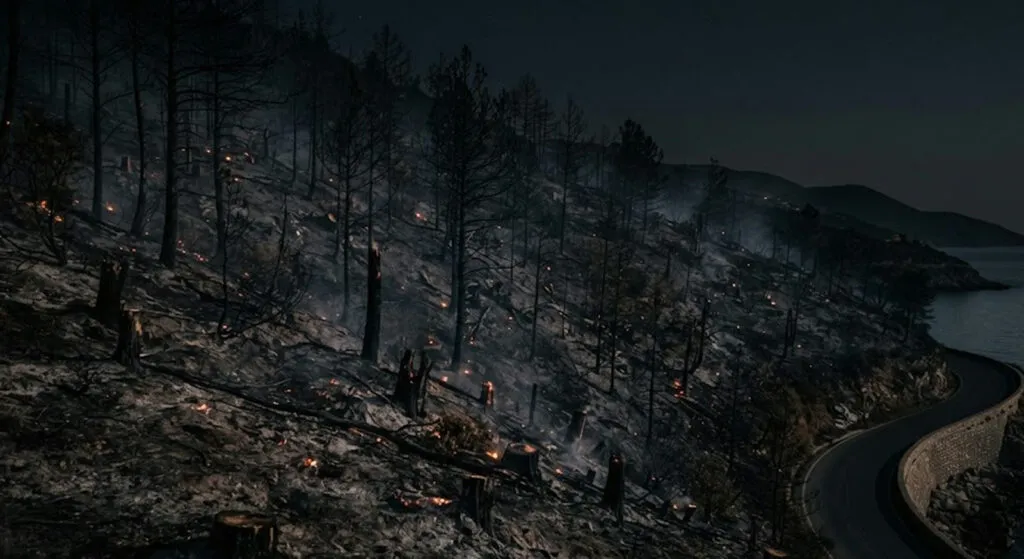
194 people evacuated by boat, 36 injured, one body found in the burnt area. Mobile phones in the zone stayed...
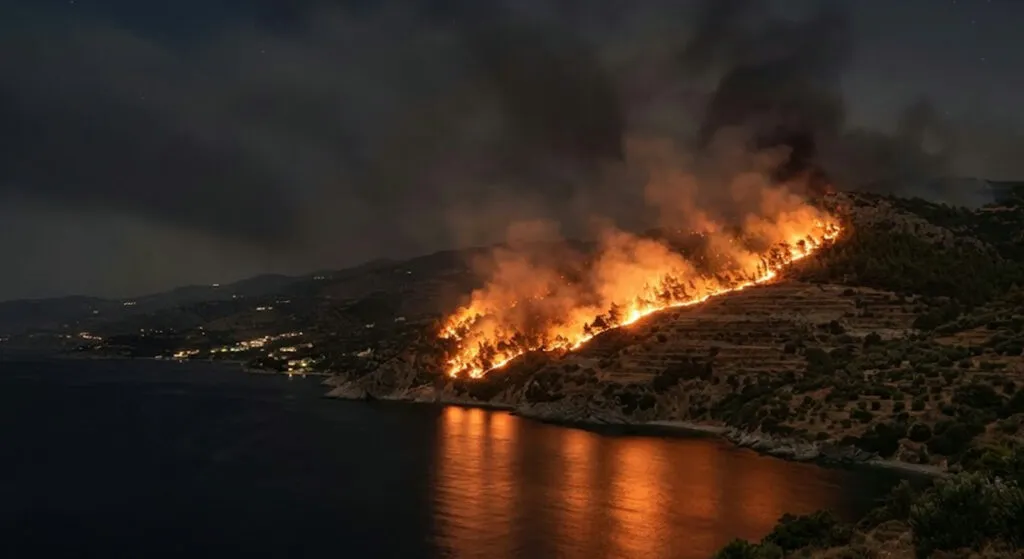
Driven by a strong night wind, the flames covered the distance from Mimice to Omiš in two hours. The question...
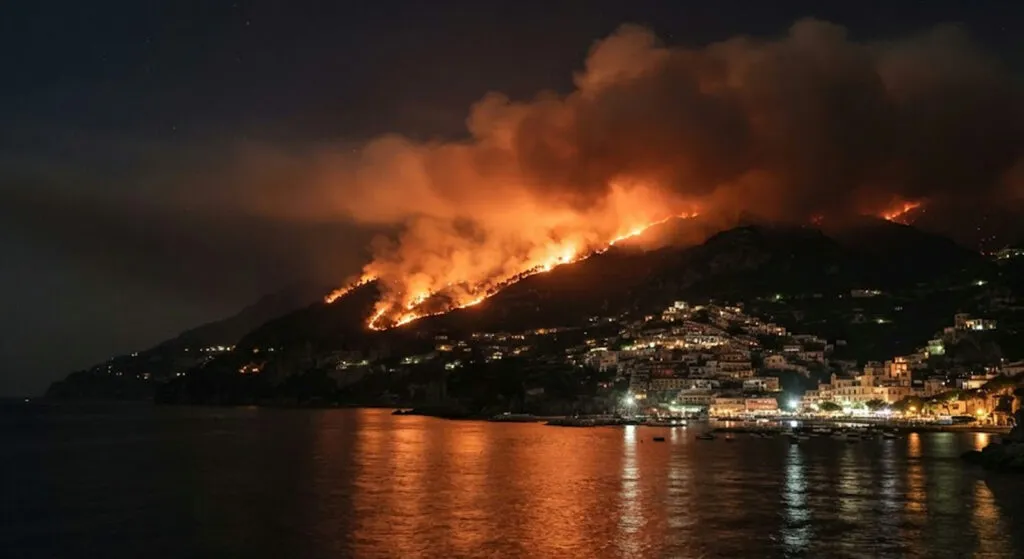
The flames reached fifty metres from the centre and people fled by boat because the coastal road was shut. A...
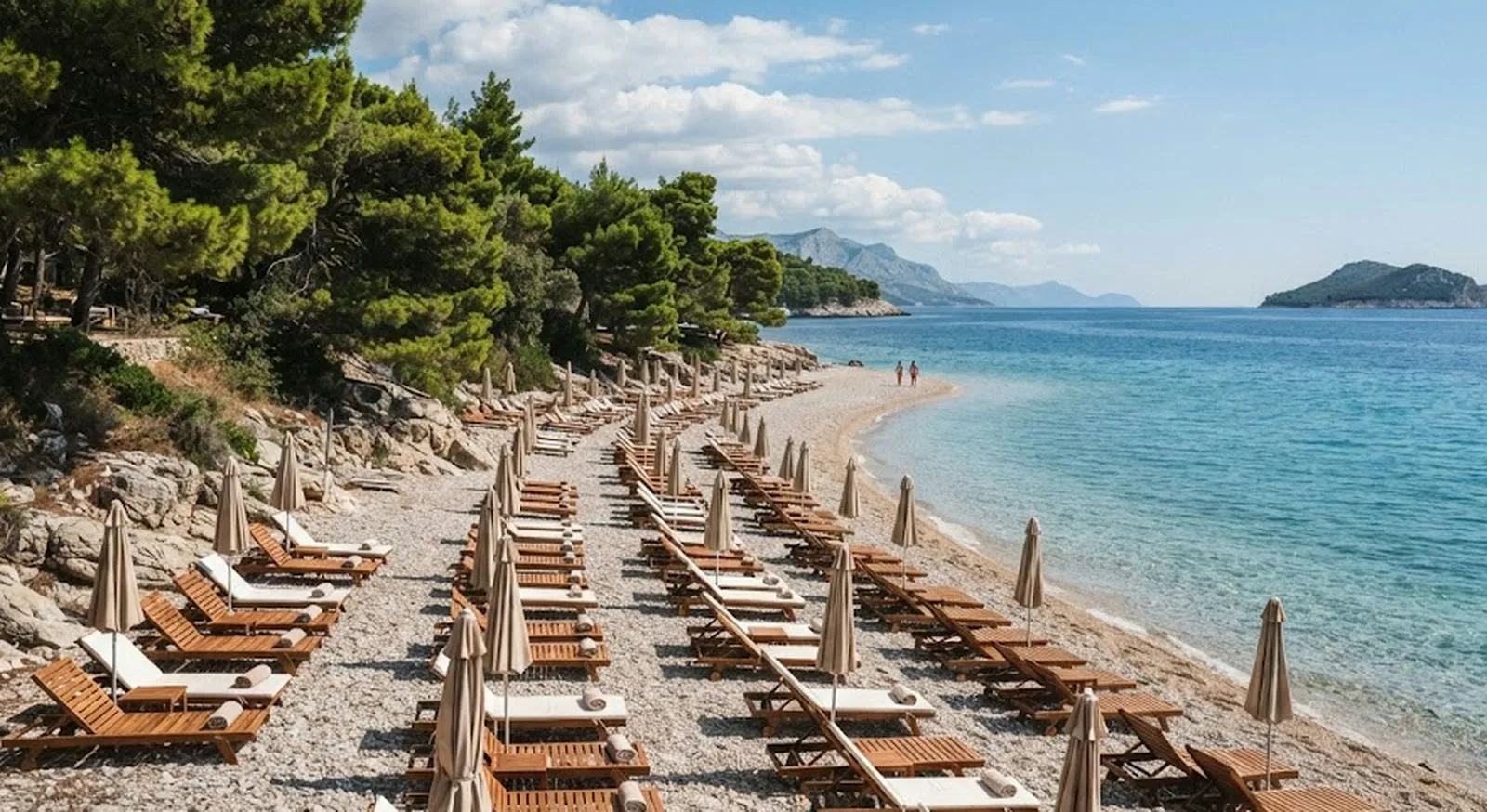
Croatian statistics record a 6.6 percent drop in June, and nearly a third fewer overnight stays from its most important...
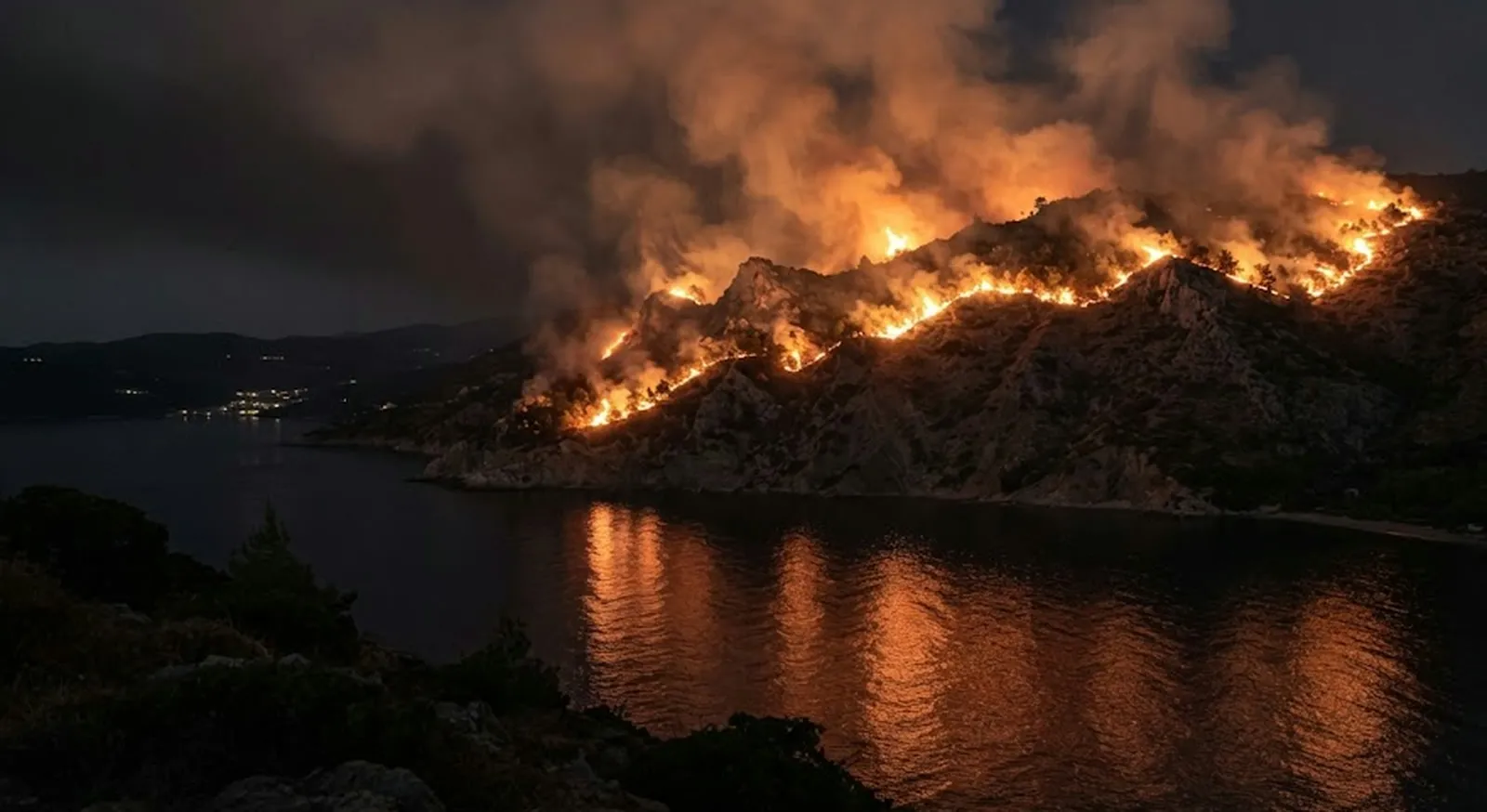
Bijela and Baošići lost power and water while the fire spread along the power line. The number two - that...
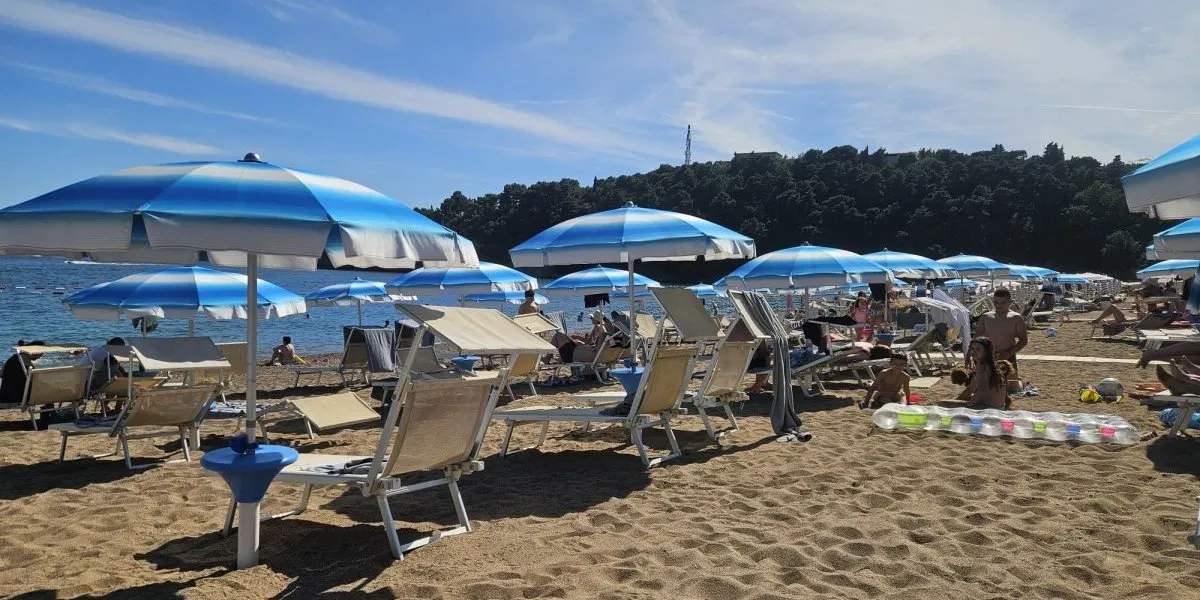
No water, no air conditioning, food spoiling - and the guests are blaming their hosts. The average speed between Sutomore...
This site uses cookies - is that okay? Learn more
Be the first to know when Metla launches something new
Leave your email and we will write when there is a new guide or something new on Metla.
