"Being careful" is Macedonia's most-used contraceptive: 43.9% of couples, against 14% using a modern method
28.09.2026


28.09.2026

28.09.2026
28.09.2026

28.09.2026
28.09.2026
28.09.2026

28.09.2026

27.09.2026

27.09.2026

28.09.2026

28.09.2026

27.09.2026
28.09.2026

28.09.2026
28.09.2026
28.09.2026
27.09.2026

26.09.2026
28.09.2026

28.09.2026

28.09.2026

09.03.2026

27.02.2026

19.02.2026

28.09.2026

27.09.2026
27.09.2026

23.04.2026

23.04.2026

12.04.2026

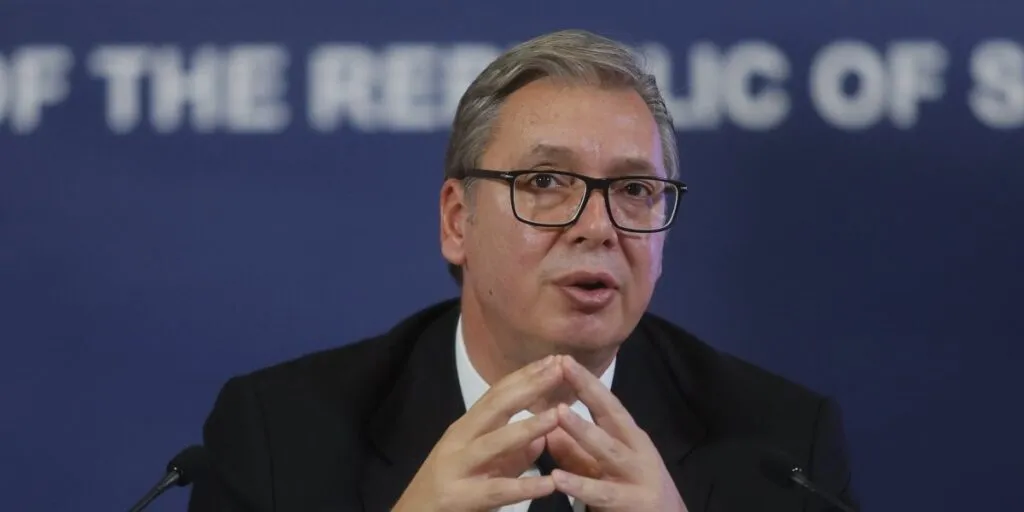
On the second-to-last day of his term, Aleksandar Vučić issued a decision to grant amnesty and pardons to 49 people. He announced the number himself, and immediately broke it down: 23 of them are linked to what he called the "terrible events" Serbia has been going through for the past year and a half.
The breakdown is almost pharmacist-precise. Twelve people from the so-called Novi Sad group, led by Mila Pajić. Eleven people who, "from the other side", took part in incidents against the "blockaders" - as the authorities call those taking part in protests and blockades. "I only knew this one name, the other names weren't known to me. I acted as president," Vučić said. By his account, he made the decision against the opinion of part of the commission and the security services.
The explanation was carefully weighed - forgiveness without an apology. Pardon and amnesty are "acts of mercy", he said, granted because of the people's age, not because they aren't guilty. They had, in his words, made plans to seize state institutions by force and would have received multi-year prison sentences in any country. He still condemns what they did "in the strongest terms" and will fight their political ideas. But he wants "to protect every young person".
The soft tone soon cracked. In the same address he accused journalists of "terrible lies" about his family and said that every time he had answered them politely, he wondered whether he had betrayed his own children. Mercy for some, a reckoning for others - and all of it four weeks before an election in which he tops the list.
In Macedonia, the word amnesty has carried its own weight since 2016, when then-president Gjorge Ivanov amnestied 56 people linked to the wiretapping scandal with a single signature, and withdrew the decision after mass protests. The lesson from that is simple: an amnesty is never just a legal act. It's a message. The question is who this one is addressed to - the young people he pardoned, or the voters who are meant to see a president who "forgives" on his way out?
The latest 10 news from this category
At a dinner in Athens, while Romania was sinking into political crisis, the US ambassador reportedly said America could do...
The European average is 26.3 years, the Finnish one is 21. And they are not students - more than half...
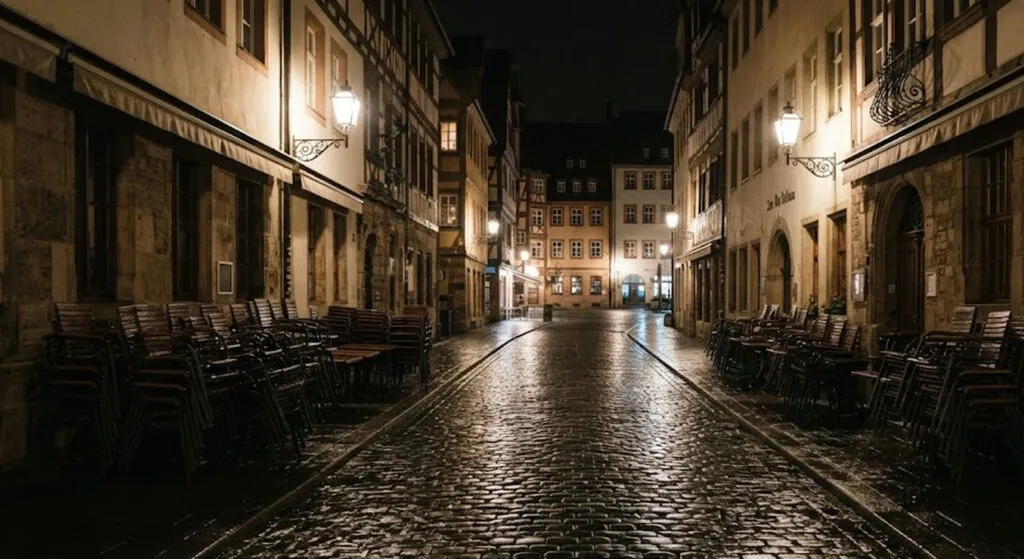
The first police investigation found no irregularities. The second established unlawful and disproportionate force. The difference was made by footage...

The domestic regulator found the irregularities first, and then the story stopped. It took crossing a border for the same...
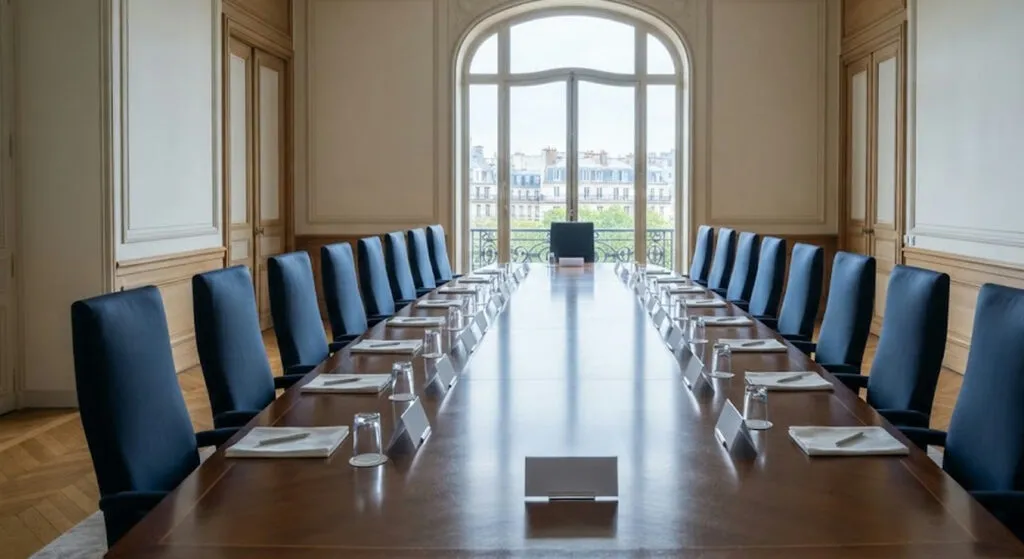
Two million people stood against twenty-seven states and the text never came out. A reminder that EU membership does not...
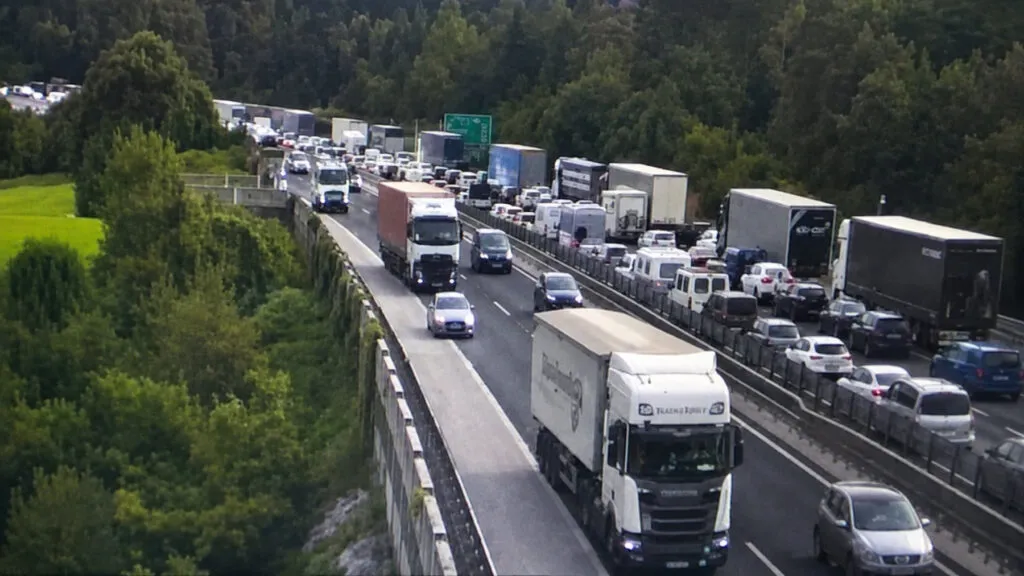
A lorry stopped in the hard shoulder with a breakdown, a car with five passengers and one impact in the...
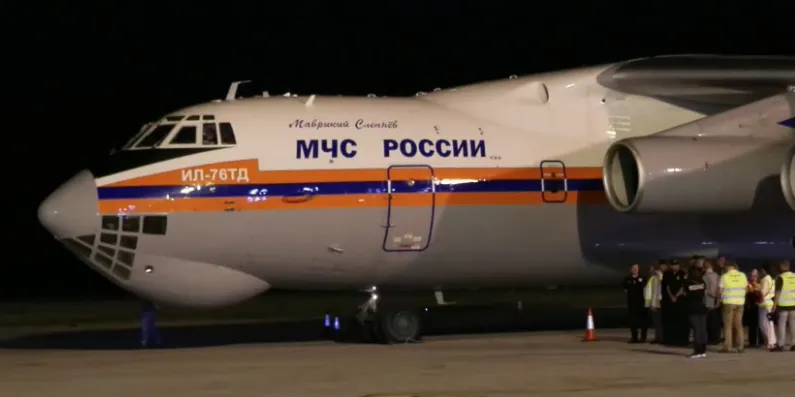
Forty-two tonnes of water per flight and one well-organised welcome on the runway in Niš. The fire in the Deliblato...
Seven times since 2015, and one trip ended less than two months before the invasion of Ukraine. SOVA says it...
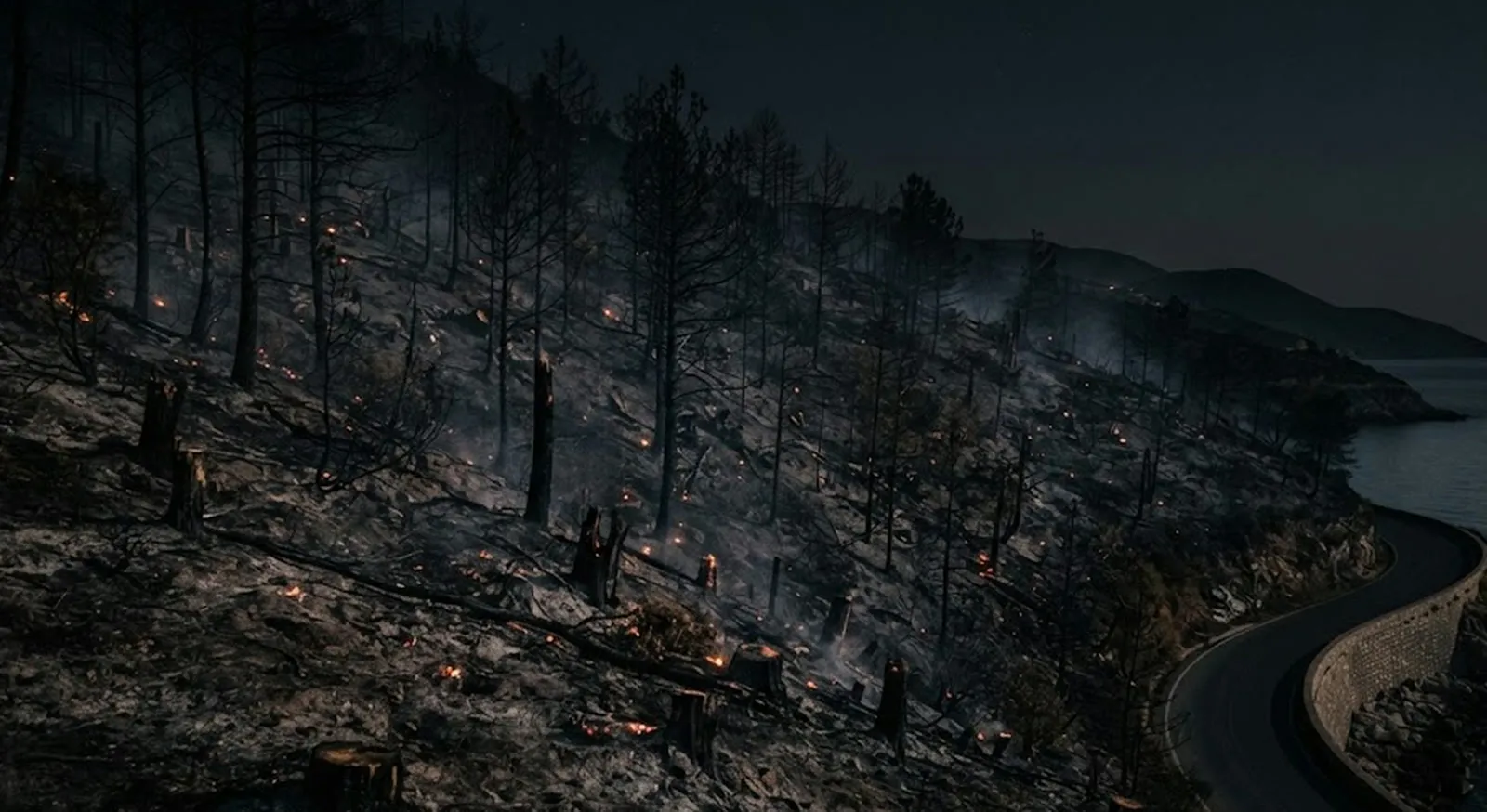
194 people evacuated by boat, 36 injured, one body found in the burnt area. Mobile phones in the zone stayed...
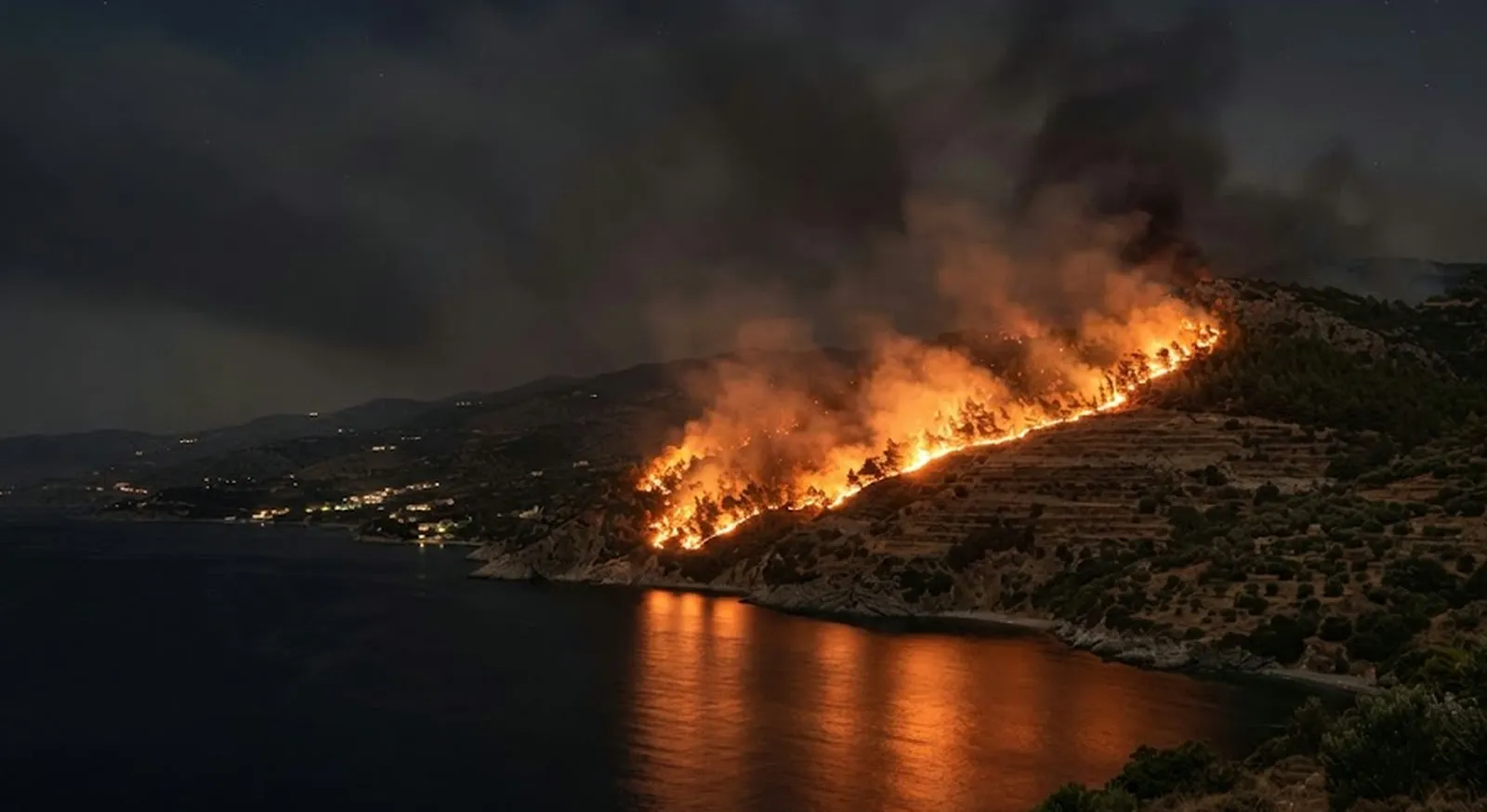
Driven by a strong night wind, the flames covered the distance from Mimice to Omiš in two hours. The question...
This site uses cookies - is that okay? Learn more
Be the first to know when Metla launches something new
Leave your email and we will write when there is a new guide or something new on Metla.