
"Crime as a service" with call centres in Macedonia too: over 4 million euros in damage, victims in 50 countries
04.11.2026


04.11.2026

04.11.2026

04.11.2026

04.11.2026

04.11.2026

04.11.2026

04.11.2026

03.11.2026

03.11.2026

04.11.2026

04.11.2026

03.11.2026

04.11.2026

04.11.2026

04.11.2026

04.11.2026

03.11.2026

02.11.2026

04.11.2026

04.11.2026

04.11.2026

04.11.2026

04.11.2026

03.11.2026
04.11.2026

03.11.2026

02.11.2026

23.04.2026

23.04.2026

12.04.2026

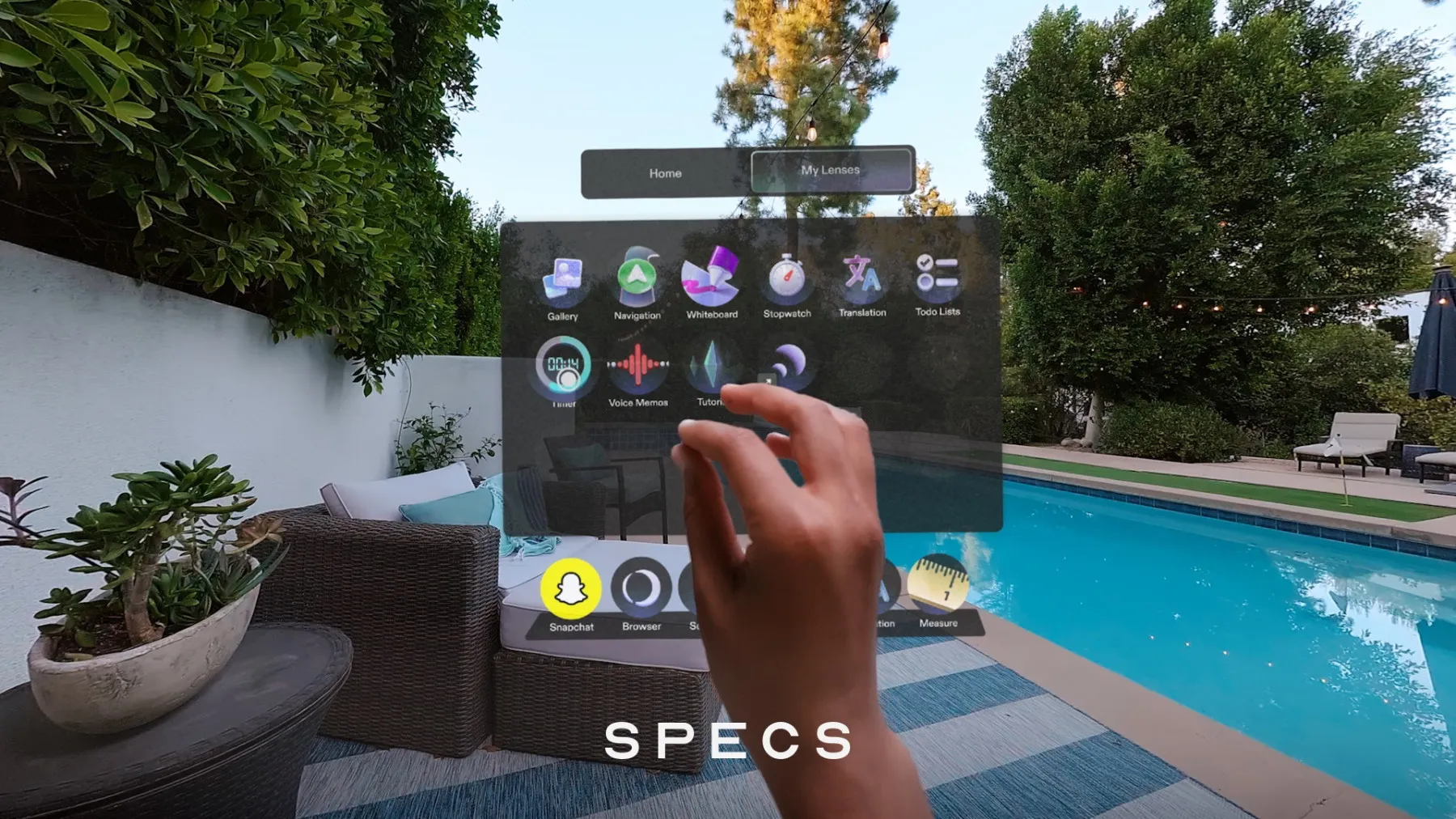
When Snap presented its Specs smart glasses earlier this year, the reaction was not restrained. The 2,200 dollar (around 2,000 euro) device, which resembles diving equipment, drew ridicule online and calls for CEO Evan Spiegel to resign. The company's share price then collapsed. Since then Snap has been looking for a way to explain why a heavy and expensive piece of hardware most consumers cannot afford should exist at all.
This week, at an event in Los Angeles, the attempt arrived. Spiegel came on stage after a promotional video and began a series of live demonstrations. The glasses now connect to HBO Max and Spotify - the entertainment content smart glasses had been missing. Also announced was Specs Intelligence, a system the company calls "anticipatory artificial intelligence", which works not only with the glasses but with the user's iPhone and Mac devices too. Snap claims the system builds an understanding of the user's goals, priorities, relationships and routines from the apps the user connects themselves.
Spiegel described it as "an operating system born of artificial intelligence, with intelligence designed around your projects". In practice, it sounds more like a productivity app that can be used with the glasses - but does not require them. Which is a rather eloquent way of saying that the biggest news at the glasses event is not actually about the glasses.
Then comes the part for companies. Snap announced a Specs for Enterprise programme and partnerships with Amazon, Salesforce, Nvidia and others, so the device can fit into corporate processes. Who is it for? According to the demonstration - for IT technicians. In the video played at the event, a technician repairs hardware with help from the glasses. "We are building mobile device management, security controls and ways to deploy across teams with the world's most trusted vendors, to bring peace of mind to IT departments", Spiegel said.
There were also announcements that are harder to explain. An app developed with the NBA and WNBA allows basketball shooting practice through the glasses' augmented reality. Who exactly will play basketball with heavy glasses strapped to their head remains an open question. Sold separately is a connectivity package for use away from Wi-Fi - a charging case with a built-in mobile connection through Verizon, for 10 dollars a month for Verizon customers and 20 dollars for everyone else. The 2,000 euro device, then, also comes with a subscription.
The most interesting thing, though, was the sentence Spiegel closed the event with. "It is an interesting time to launch a new computer, because things in technology are pretty strange right now", he said. "We are told artificial intelligence will take our jobs, that virtual worlds will replace the real one. Well, no thank you. We do not accept that future. Making people irrelevant is not progress - computers should make us more important, not less."
That is a good sentence. So good it almost conceals the fact that it was delivered to justify a price of 2,000 euros for a device that still asks its owner to explain why they bought it. Snap defends the cost by insisting Specs are not glasses but a computer - just one worn on the face. Whether buyers accept that remains to be seen: a pop-up store in Los Angeles opens in October, and the devices ship later this autumn.
The latest 10 news from this category
Geoffrey Hinton isn't afraid of robots, he's afraid of the dark: power grids and banks down for days. And he...
The most popular AI companions have 220 million downloads, and many of them aim squarely at younger users. Apple now...

Half a metre of plastic, printed in orbit. Sounds modest, but the whole space industry keeps hitting one limit: everything...
Designed by the man who drew the iPhone, mocked at its premiere, sold out before the first delivery. When the...
Deeper in its IPO prospectus, in the risk section, Anthropic wrote that the development of the company's models may soon...
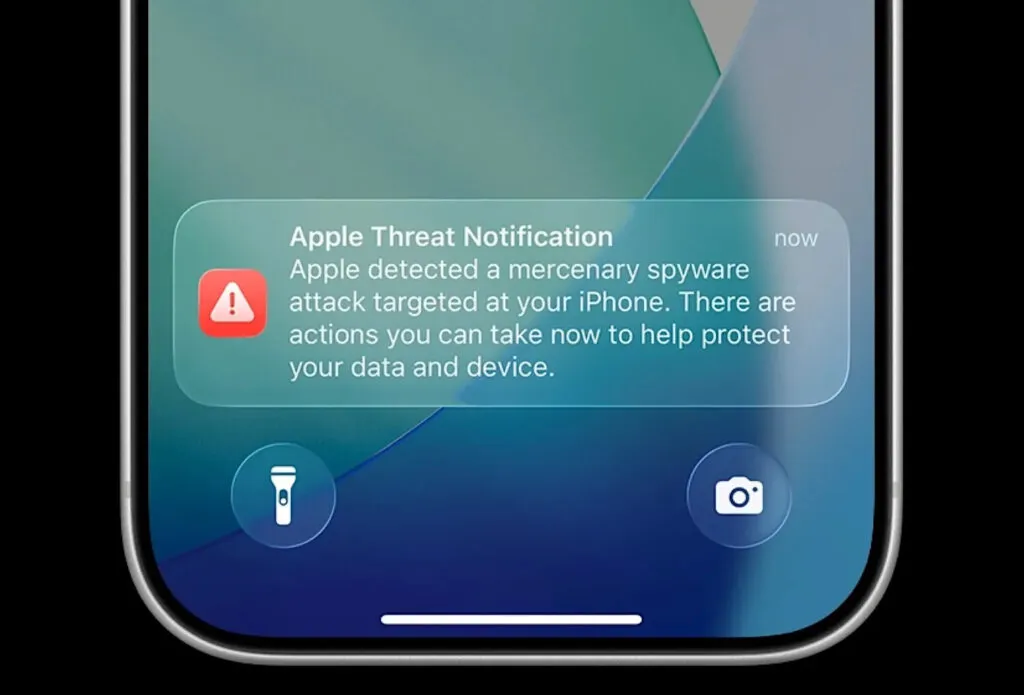
The Bundestag is counting potentially hacked phones, and Berlin won't say whether Merz was a target. The irony: German police...

The SpaceX-owned company also argued citizens have no right to sue over the air they breathe. The court disagreed, and...
The model of China's WeChat is now being built by an app in mostly American hands. Whoever decides where you...

Google is paying for AI that eats its search earnings, Amazon burned through 42 billion dollars more cash than it...
The researcher who found the hole had nowhere to report it, so he turned to journalists. The company now says...
This site uses cookies - is that okay? Learn more
Be the first to know when Metla launches something new
Leave your email and we'll write to you when there's a new guide or something new on Metla.