

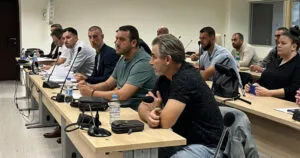
"That's not my job": the trial of the 13 Puls police officers restarted from scratch, and witnesses describe help being refused
22.09.2026


22.09.2026

22.09.2026

22.09.2026

22.09.2026

22.09.2026
22.09.2026

22.09.2026

21.09.2026

20.09.2026

22.09.2026
22.09.2026

21.09.2026
22.09.2026

22.09.2026
22.09.2026

22.09.2026

21.09.2026

20.09.2026

22.09.2026

22.09.2026
22.09.2026

22.09.2026

22.09.2026

22.09.2026

09.03.2026

27.02.2026

19.02.2026

22.09.2026

21.09.2026

21.09.2026

23.04.2026

23.04.2026

12.04.2026

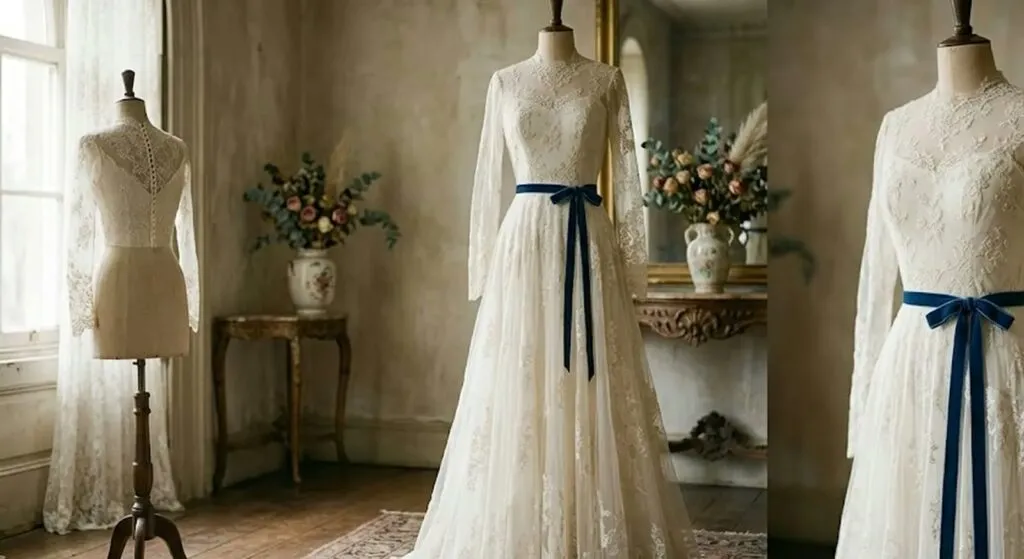
„Something old, something new, something borrowed, something blue." Almost every bride in Europe follows the rule, but most do not know where it comes from. The answer - Victorian England, 19th century. And originally, there were not four things. There were five.
Ethnological institutes such as the Folklore Society link wedding traditions to „beliefs about luck, fertility, and the protection of the married couple". This particular tradition comes from a 19th-century English folk rhyme. The original text says - „something old, something new, something borrowed, something blue, and a silver sixpence in her shoe". A silver sixpence in the bride's shoe. That little piece of money did not survive to today - the other four did.
Something old - a symbol of the link to family and previous life. Roots, continuity. Traditionally - inherited jewellery, lace from a mother or grandmother, a piece of an older woman's wedding dress. Balkan brides understand it - grandma's cross on a chain is an example that repeats at every Macedonian wedding.
Something new - the future, the new life. Historically, this was the wedding dress itself. Today it can be anything bought specifically for the day - shoes, earrings, a bag. One item that has not been worn before the wedding.
Something borrowed - the rule is that it must come from someone in a happy marriage. „Carrying the luck across" is the symbolism. Earrings, a bracelet, a veil. It goes back after the ceremony.
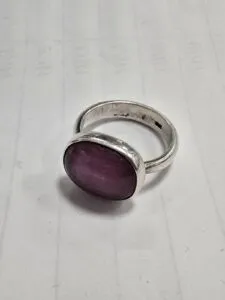
Something blue - fidelity, loyalty, lasting love. Medieval associations of blue with purity reinforce the symbolism. Today it can be a garter, an embroidered ribbon in the hem of the dress, or a sapphire in the ring.
Why should the Balkans honour this? Not to copy the English ritual. But because all four elements actually mirror what a Balkan wedding always did - respect for family history, openness to the new, connection with people who walked the same road, and the reminder that love is built on fidelity. Except here it is part of the customs without a checklist. The English turned it into a list, and that is how it travelled around the world.
The latest 10 news from this category
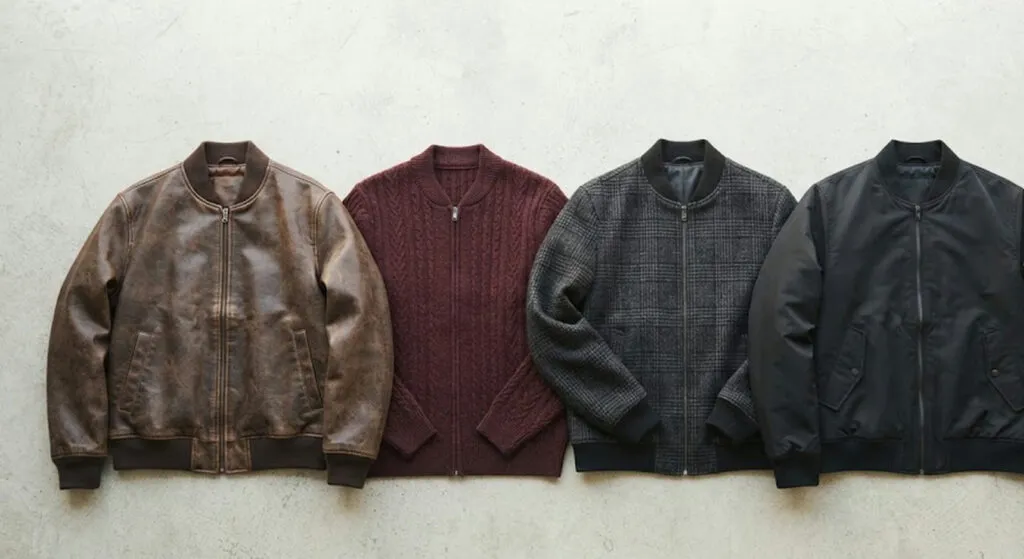
Here, half a wardrobe is bought by calculating how many years it will last. The brown leather one will look...

A decade in which aesthetic medicine sold transformation ends with one sentence: they want to look better, not different.
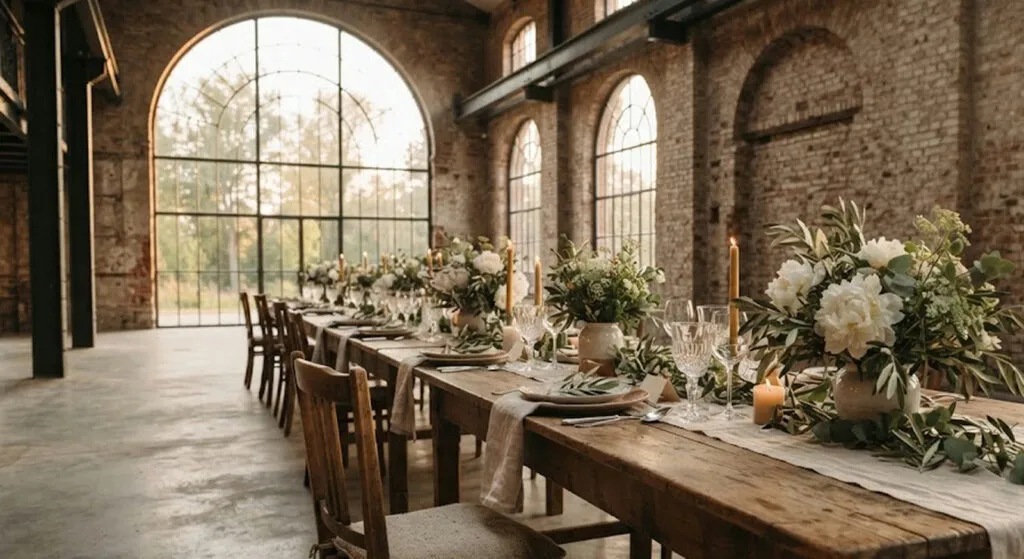
The catering was run by an uncle, the music was played by an uncle. If that sounds familiar, you have...
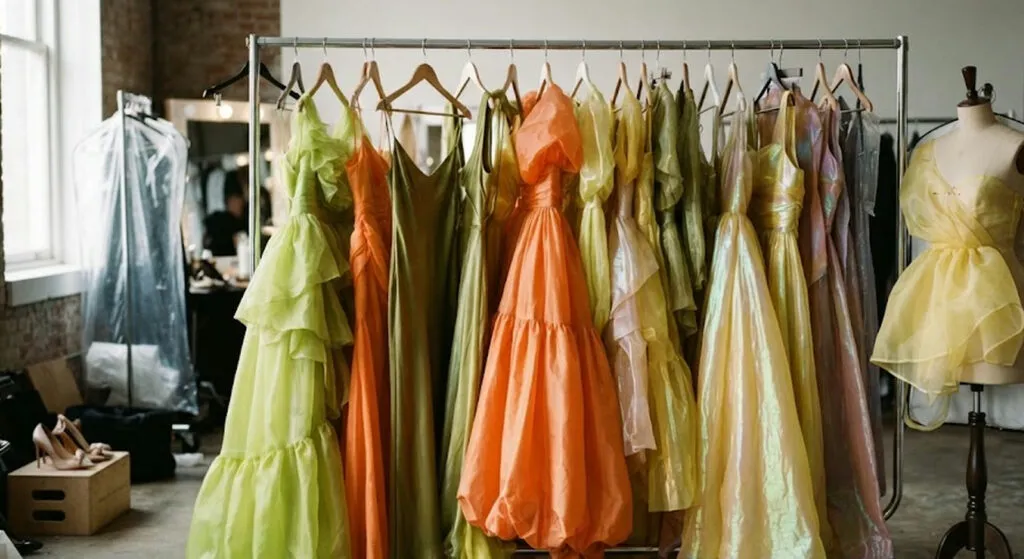
Three days in a lab coat with colorimetry scientists to produce a collection in lime and tangerine. The design director...
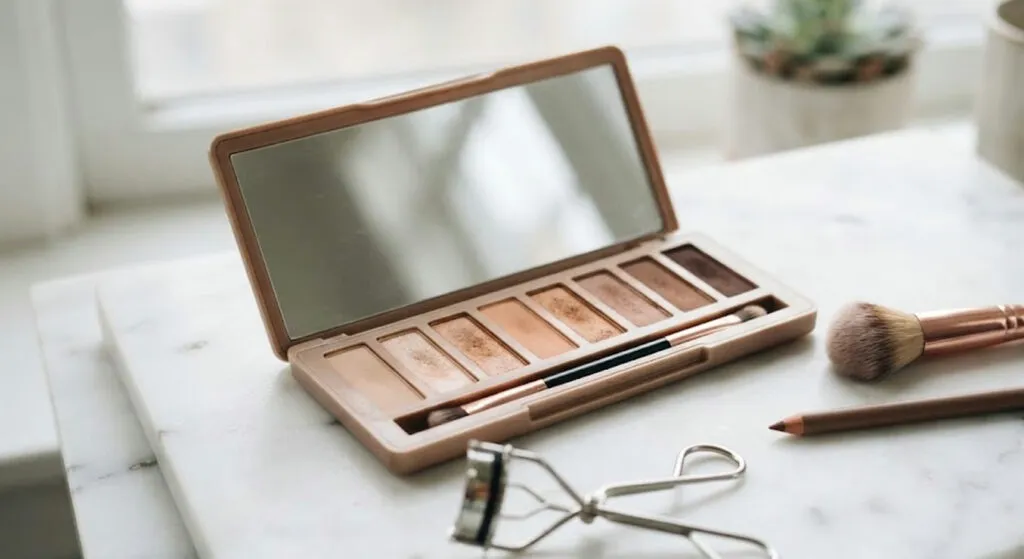
Cream concealer instead of powder, a brown pencil instead of black eyeliner, and a curler before the mascara. Not one...
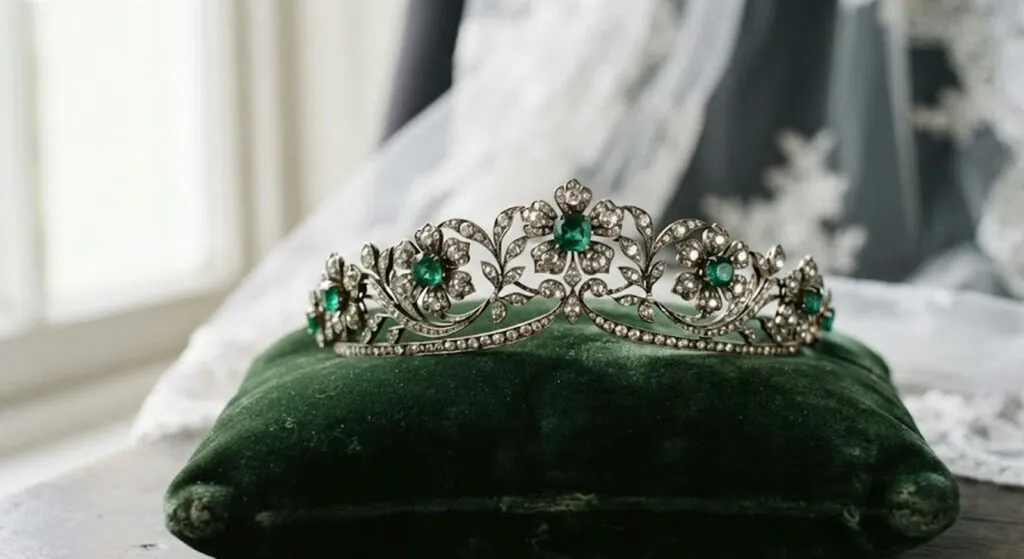
A boat-neck gown and wildflowers that deliberately refuse to compete with the jewellery. A fourth generation under the same diadem,...
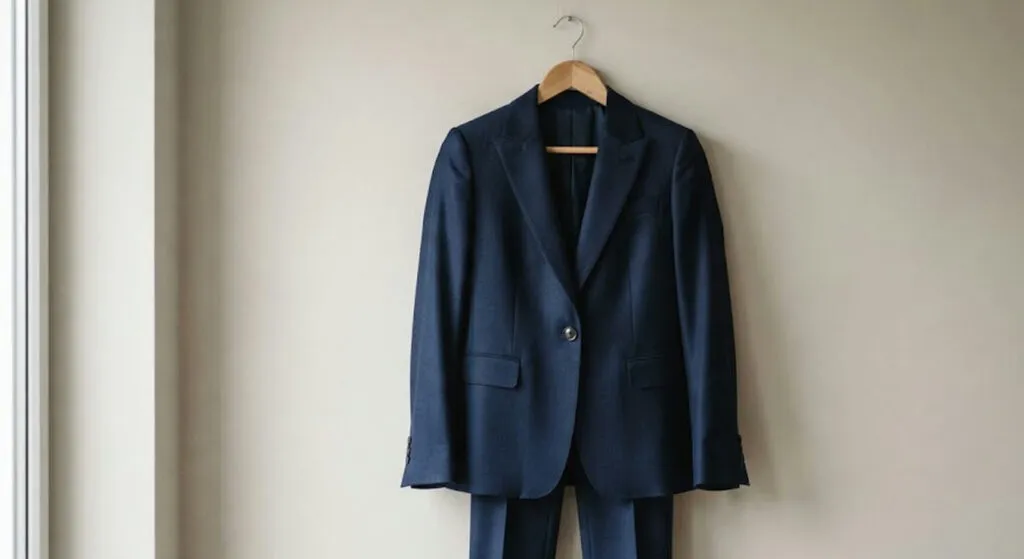
A communications expert says the trouser suit sidesteps sexist readings of hemlines and necklines. The same expert warns that the...
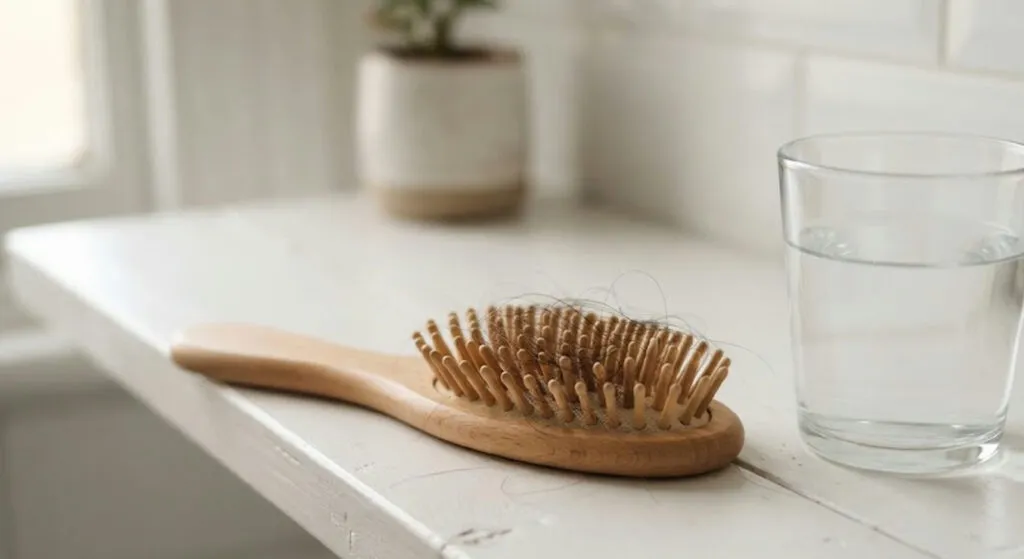
Dermatologists explain why the shedding arrives with a two to three month delay and why iron and vitamins do not...
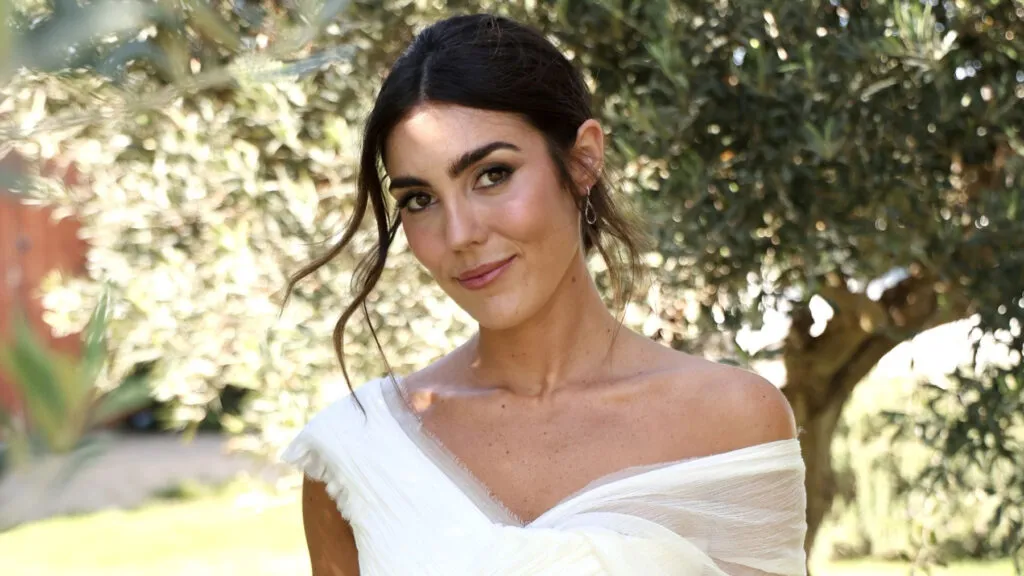
Silk bambula muslin, a hand-draped waist and a veil of crystal organza. The wedding was held in Cadiz, where the...
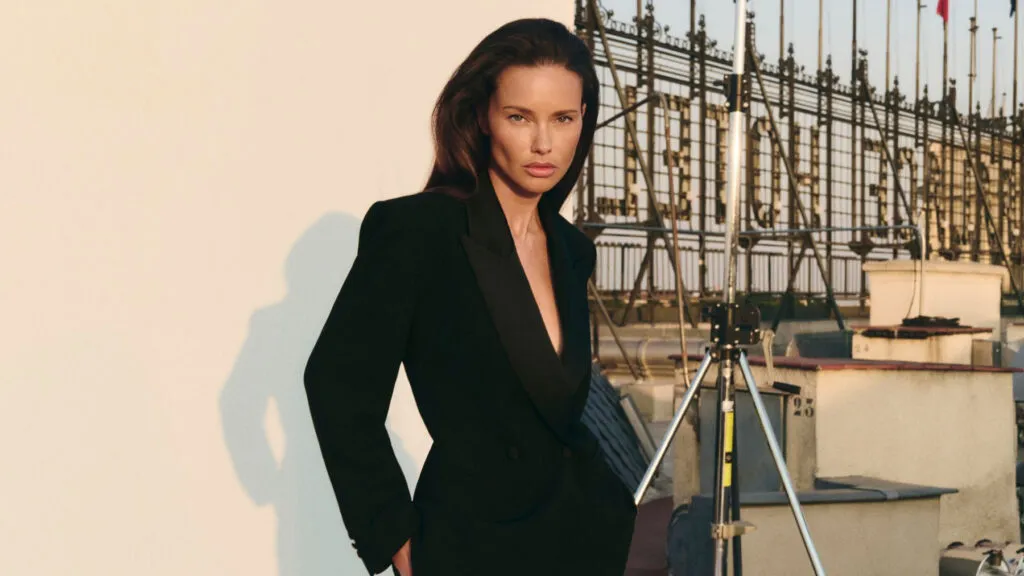
An industry that spent decades selling a flawless illusion is suddenly showing the shoot itself. That is not candour -...
This site uses cookies - is that okay? Learn more
Be the first to know when Metla launches something new
Leave your email and we will write when there is a new guide or something new on Metla.
